
Fainting Sensations and Coffee Consumption
Quick answer
- Feeling faint after coffee can stem from caffeine’s effects on blood pressure and heart rate.
- Dehydration, often exacerbated by coffee’s diuretic properties, is a common contributing factor.
- Low blood sugar, especially if coffee is consumed on an empty stomach, can also lead to faintness.
- Underlying health conditions, such as anxiety or cardiovascular issues, might be triggered or worsened by caffeine.
- Individual sensitivity to caffeine varies significantly, affecting how your body reacts.
- Adjusting coffee intake, staying hydrated, and eating before consumption can often alleviate symptoms.
What this problem usually is (and is not)
- This problem is usually related to your body’s physiological response to caffeine, particularly if you are sensitive to it.
- It is often a sign of dehydration or low blood sugar, which caffeine can sometimes intensify.
- It is not typically a direct indicator of a severe, acute medical emergency in otherwise healthy individuals, but persistent symptoms should be discussed with a doctor.
- It is not a sign that your coffee is “bad” or “spoiled,” assuming it was prepared correctly from fresh ingredients.
- It is not usually caused by the type of coffee bean (e.g., light roast vs. dark roast), although caffeine levels can vary.
- It is not a universal experience; many people consume coffee without ever feeling faint.
Likely causes (triage list)
- Caffeine sensitivity/overconsumption: Your body might be more sensitive to caffeine’s effects, or you might be consuming too much.
- How to confirm: Reduce your coffee intake or switch to decaf and observe if symptoms improve.
- Dehydration: Coffee is a mild diuretic, meaning it can increase urine production, potentially leading to dehydration if fluid intake isn’t balanced.
- How to confirm: Increase your water intake throughout the day, especially when consuming coffee, and see if the faintness subsides.
- Low blood sugar (hypoglycemia): Consuming coffee on an empty stomach can sometimes exacerbate or trigger low blood sugar symptoms, as caffeine can affect glucose metabolism.
- How to confirm: Eat a balanced meal or snack before or with your coffee and note any change in how you feel.
- Anxiety or panic response: Caffeine is a stimulant and can trigger or worsen feelings of anxiety, which can manifest as lightheadedness or faintness.
- How to confirm: Pay attention to other symptoms like rapid heart rate, shortness of breath, or nervousness that accompany the faint feeling.
- Blood pressure fluctuations: Caffeine can temporarily increase blood pressure and heart rate. For some, this can lead to a drop in blood pressure later, or a sensation of lightheadedness.
- How to confirm: Monitor your blood pressure before and after coffee consumption (if you have a home monitor) or consult a healthcare professional.
- Underlying medical conditions: Certain conditions, such as orthostatic hypotension, arrhythmias, or anemia, can be exacerbated by caffeine.
- How to confirm: If symptoms are persistent, severe, or accompanied by other concerning signs, seek medical advice.
If you suspect dehydration is contributing to your faintness, consider using hydration tablets to ensure you’re replenishing electrolytes effectively, especially when consuming coffee.

- CHEWABLE ELECTROLYTE TABLETS: Delicious and chewable bite-sized electrolyte tablets packed with sodium, potassium, calcium, and magnesium: the main electrolytes lost through sweat.
- ELECTROLYTES THAT WORK FAST: These electrolyte chews are designed to absorb quickly, faster than the leading sports drink or electrolyte powders. Just chew it and feel the difference.
- CLEAN AND SIMPLE INGREDIENTS: Sodium, Potassium, Calcium, and Magnesium, No Artificial Colors or Sweeteners. Non-GMO, Vegan, Allergen Free. SaltStick FastChews is a dietary supplement and does not cure, mitigate, treat or prevent any disease.
- HOW TO USE: Just Chew It! Similar to a sweet tart. Simply chew 2 tablets every 30 minutes during exercise. Drink water as needed.
- SPORT ELECTROLYTE SUPPLEMENTS: For all workouts and sports when you sweat, from marathon training to hot yoga and hiking to cycling. Use any time fast acting electrolytes are needed.
Fix it step-by-step (brew workflow)
1. Assess your usual coffee intake: Note how many cups you drink daily and their strength.
- What “good” looks like: You have a clear understanding of your typical caffeine consumption.
- Common mistake: Underestimating caffeine intake by not accounting for large mug sizes or extra strong brews. Avoid this by measuring your coffee grounds and water consistently.
2. Reduce caffeine gradually: If you suspect overconsumption, slowly decrease your daily intake.
- What “good” looks like: You feel fewer jitters or faint sensations without significant withdrawal symptoms.
- Common mistake: Abruptly stopping caffeine, which can lead to headaches and fatigue. Avoid this by cutting back by half a cup or one shot of espresso each day or every few days.
3. Stay well-hydrated: Drink plenty of water throughout the day, especially when you’re consuming coffee.
- What “good” looks like: Your urine is light yellow, indicating good hydration.
- Common mistake: Substituting coffee for water, leading to dehydration. Avoid this by having a glass of water with each cup of coffee.
4. Eat before or with your coffee: Don’t drink coffee on an empty stomach.
- What “good” looks like: You consume a balanced breakfast or snack (e.g., toast, oatmeal, fruit) before or alongside your morning brew.
- Common mistake: Relying solely on coffee for energy without food. Avoid this by planning a small meal or snack before your first cup.
5. Choose lower-caffeine options: Consider switching to decaf, half-caf, or teas with less caffeine.
- What “good” looks like: You enjoy the taste and ritual of your hot beverage without the adverse caffeine effects.
- Common mistake: Believing decaf has no caffeine at all. Avoid this by knowing decaf still contains trace amounts of caffeine.
6. Monitor your body’s response: Pay attention to how you feel after each cup of coffee.
- What “good” looks like: You can identify your personal caffeine threshold and signs of overstimulation.
- Common mistake: Ignoring early signs like jitters or mild lightheadedness. Avoid this by taking a break or switching to water as soon as you notice discomfort.
7. Avoid other stimulants: Limit other sources of caffeine or stimulating substances when you’re feeling sensitive.
- What “good” looks like: You are aware of all caffeine sources in your diet (e.g., energy drinks, certain sodas, chocolate).
- Common mistake: Forgetting about hidden caffeine in medications or foods. Avoid this by checking labels if you’re sensitive.
8. Get adequate sleep: Fatigue can make you more susceptible to caffeine’s negative effects.
- What “good” looks like: You consistently get 7-9 hours of quality sleep.
- Common mistake: Using coffee to compensate for chronic sleep deprivation. Avoid this by prioritizing a regular sleep schedule.
9. Practice stress reduction: High stress levels can amplify caffeine’s impact on your nervous system.
- What “good” looks like: You incorporate relaxation techniques like deep breathing or meditation into your routine.
- Common mistake: Using coffee as a coping mechanism for stress. Avoid this by addressing stress directly through healthy outlets.
10. Consult a healthcare professional: If symptoms persist or worsen, or if you have underlying health concerns.
- What “good” looks like: You receive personalized medical advice and rule out serious conditions.
- Common mistake: Self-diagnosing or ignoring persistent symptoms. Avoid this by seeking professional help when needed.
If you’re trying to reduce your caffeine intake but still want a boost, explore caffeine supplements that offer controlled doses, allowing you to manage your intake more precisely.
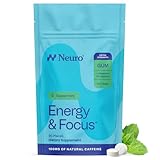
- Fast-Acting Nootropic - Our energy supplements deliver an extra boost of energy and clarity with a blend of natural caffeine, L-theanine, and vitamin b6 & b12. Your go-to chewing gum for work, exercise, and daily focus!
- Clean Energy - Each piece of our sugar free gum delivers 100mg of natural caffeine from green coffee beans for a smooth energy boost without crashes or jitters.
- The Perfect Balance - With 60mg of L-theanine per piece, our energy and focus formula promotes enhanced focus and stress reduction to smooth energy boosts.
- How to Use - Chew one piece of the caffeine gum whenever focus or energy is lacking. Ideal for mornings, pre-workout, or afternoon slumps. Effects typically kick in within minutes thanks to optimal absorption through the mouth.
- Made by Neuro, Backed by Science - At Neuro, we combine neuroscience with clean, science backed ingredients to help you do more, think better, and feel your best every single day.
Prevent it next time
- Hydrate consistently: Drink water throughout the day, not just when you feel thirsty.
- Eat a balanced meal: Never consume coffee on an empty stomach to help stabilize blood sugar.
- Know your caffeine limit: Understand how much caffeine your body can comfortably handle.
- Choose the right brew: Opt for decaf or lower-caffeine coffee if you are sensitive.
- Monitor overall stimulant intake: Be aware of other caffeine sources in your diet.
- Prioritize sleep: Ensure you are well-rested to better tolerate caffeine.
- Manage stress: High stress can increase sensitivity to caffeine.
- Listen to your body: Pay attention to early signs of discomfort and adjust your intake.
Common mistakes (and what happens if you ignore them)
| Mistake | What it causes | Fix |
|---|---|---|
| Drinking coffee on an empty stomach | Can lead to low blood sugar symptoms, jitters, and increased anxiety, potentially causing faintness. | Always eat a small meal or snack before or with your coffee. |
| Not drinking enough water | Dehydration, which can be exacerbated by coffee’s diuretic effect, leading to lightheadedness and faintness. | Drink a glass of water for every cup of coffee, and stay hydrated throughout the day. |
| Consuming too much caffeine | Overstimulation, rapid heart rate, anxiety, and potentially blood pressure fluctuations that can cause faintness. | Gradually reduce your daily coffee intake or switch to lower-caffeine options. |
| Ignoring early signs of sensitivity | Worsening symptoms like severe jitters, intense anxiety, or more pronounced faint sensations. | Pay attention to your body’s signals and stop or reduce coffee intake at the first sign of discomfort. |
| Using coffee to replace sleep | Increased fatigue and reliance on caffeine, making you more susceptible to its negative effects and potentially causing a crash later. | Prioritize consistent, adequate sleep and use coffee as an occasional boost, not a substitute for rest. |
| Mixing coffee with other stimulants | Synergistic effects that can lead to extreme overstimulation, heart palpitations, and severe anxiety or faintness. | Be mindful of all caffeine and stimulant sources in your diet and avoid combining them excessively. |
| Not considering underlying health issues | Attributing serious symptoms to “just coffee” when there might be a medical condition requiring attention. | Consult a doctor if symptoms are persistent, severe, or accompanied by other worrying signs. |
| Rapidly increasing coffee intake | Shocking your system with a sudden influx of caffeine, which can lead to adverse reactions even if you’re not usually sensitive. | Increase coffee consumption gradually, allowing your body to adjust to higher caffeine levels over time. |
| Not checking coffee strength | Unknowingly consuming much more caffeine from a strong brew or large serving, leading to unexpected adverse effects. | Be aware of the caffeine content in different coffee types and serving sizes (e.g., espresso vs. drip coffee). |
Decision rules (simple if/then)
- If you feel faint after coffee, then check your hydration levels because dehydration is a common contributing factor.
- If you drink coffee on an empty stomach and feel faint, then eat a meal or snack beforehand because low blood sugar can be exacerbated by caffeine.
- If you consume multiple cups of strong coffee daily and feel faint, then reduce your overall caffeine intake because you might be overstimulated.
- If you experience anxiety along with faintness after coffee, then consider switching to decaf or half-caf because caffeine can amplify anxiety.
- If faintness persists despite adjusting coffee habits, then consult a doctor because an underlying medical condition might be present.
- If you are consistently tired and use coffee to cope, then prioritize sleep because fatigue can make you more sensitive to caffeine’s effects.
- If you notice a rapid heart rate or palpitations with faintness, then seek medical advice because it could indicate a cardiovascular response.
- If you only feel faint after a specific type of coffee (e.g., cold brew vs. drip), then compare their caffeine content because different preparations have varying strengths.
- If you’re combining coffee with other caffeinated beverages or supplements, then reduce or eliminate those other sources because you might be consuming too much overall.
FAQ
Q: Can coffee directly cause low blood pressure?
A: While caffeine usually causes a temporary increase in blood pressure, some individuals might experience a subsequent drop or feel lightheaded due to other factors like dehydration or anxiety. It’s not a direct cause of chronic low blood pressure.
Q: Is it safer to drink coffee with milk or cream?
A: Adding milk or cream doesn’t significantly change the caffeine content or its direct effects. However, the calories and fat might help slow caffeine absorption for some, or simply provide a more substantial drink if you’re not eating alongside it.
Q: Does the type of coffee bean matter for faintness?
A: Not directly for faintness, but caffeine content varies. Robusta beans generally have more caffeine than Arabica. Roast level can also play a role, with lighter roasts often retaining more caffeine than darker roasts by weight.
Q: Can I build a tolerance to caffeine if I feel faint now?
A: Yes, the body can build a tolerance to caffeine’s effects over time. Gradually increasing intake can help, but it’s important to listen to your body and not push past uncomfortable symptoms.
Q: How long does caffeine stay in my system?
A: The half-life of caffeine is typically 3-5 hours, meaning half of the caffeine you consumed is still in your system after that time. However, effects can vary based on individual metabolism.
Q: Should I stop drinking coffee entirely if I feel faint?
A: Not necessarily. Often, adjusting your intake, ensuring proper hydration, and eating before consumption can alleviate symptoms. If symptoms persist or are severe, consulting a doctor is advisable.
What this page does NOT cover (and where to go next)
- Specific medical diagnoses for persistent faintness or underlying conditions. Consult a healthcare professional for personalized medical advice.
- Detailed nutritional information on various coffee additives (e.g., sugars, syrups, artificial sweeteners).
- Advanced coffee brewing techniques or detailed comparisons of coffee makers.
- The chemical properties of caffeine and its specific interactions with various medications.
- Recipes for coffee-based drinks or gourmet coffee preparation.