
Why Coffee Can Make You Feel Shaky
Quick answer
- Caffeine is the primary stimulant in coffee and can cause jitters, anxiety, and shakiness in sensitive individuals.
- The amount of caffeine consumed, individual tolerance, and even the brewing method can influence the effect.
- Decaffeinated coffee significantly reduces or eliminates these effects.
- Other factors like hydration, sleep, and food intake can modulate caffeine’s impact.
- If shakiness is severe or persistent, it’s advisable to consult a healthcare professional.
What this problem usually is (and is not)
- This issue is primarily about the physiological response to caffeine, a natural stimulant found in coffee beans.
- It’s not typically a sign of a malfunctioning coffee maker, though preparation errors can indirectly influence the experience.
- The feeling is usually temporary and related to caffeine intake rather than a chronic medical condition, though underlying sensitivities can exist.
- This guide focuses on how coffee itself, and how you prepare it, can contribute to feeling shaky, not on diagnosing medical issues.
- If you experience severe or concerning symptoms, it’s important to seek professional medical advice.
Likely causes (triage list)
Caffeine Intake & Sensitivity
- High Caffeine Content: Some coffee beans or roasts naturally contain more caffeine. Different brewing methods also extract varying amounts. Confirm by checking bean origin or roast level if known.
- Individual Caffeine Tolerance: Your body’s sensitivity to caffeine varies greatly. What makes one person shaky might not affect another. This is a personal factor, not a machine issue.
- Consumption Timing: Drinking coffee on an empty stomach or close to bedtime can amplify its effects. Consider when you drink your coffee relative to meals and sleep.
Brewing & Preparation
- Over-Extraction: Brewing coffee too long or at too high a temperature can lead to a bitter, harsh cup that might feel more intense. Observe brew times and water temperature if possible.
- Grind Size Issues: A grind that’s too fine for your brewing method can lead to over-extraction and a more potent, potentially jittery brew. Check your grind consistency and suitability for your brewer.
- Brewing Method Choice: Methods like espresso or cold brew (concentrated) can deliver higher caffeine doses per serving compared to drip coffee. Consider the method you’re using.
External Factors
- Dehydration: Not drinking enough water can make the effects of caffeine feel more pronounced. Ensure you’re adequately hydrated throughout the day.
- Lack of Sleep: Fatigue can lower your tolerance to stimulants, making you more susceptible to caffeine’s side effects. Assess your recent sleep patterns.
- Other Stimulants: Consuming other caffeinated beverages or certain medications alongside coffee can create a cumulative effect. Be aware of your total stimulant intake.
Fix it step-by-step (brew workflow)
This workflow focuses on adjusting your coffee preparation to potentially reduce shakiness.
1. Assess Your Coffee Beans:
- What to do: If you know the origin or roast level of your beans, note it. Lighter roasts and certain origins (like Robusta beans) can have higher caffeine.
- What “good” looks like: You have an idea of your coffee’s potential caffeine strength.
- Common mistake: Assuming all coffee is the same.
- Avoid it: Make a note of your bean type for future reference.
2. Adjust Your Grind Size:
- What to do: If using a grinder, aim for a grind size appropriate for your brewing method. For drip, medium is common. For espresso, fine. If your coffee tastes bitter or the brew is slow, your grind might be too fine.
- What “good” looks like: A grind that allows for even extraction and a balanced taste.
- Common mistake: Using a single grind size for all brewing methods.
- Avoid it: Consult your brewing device’s manual or online guides for recommended grind sizes.
3. Measure Your Coffee Grounds:
- What to do: Use a scale to measure your coffee grounds. A common starting ratio is 1:15 to 1:18 (e.g., 1 gram of coffee to 15-18 grams of water).
- What “good” looks like: Precise and consistent measurement of coffee grounds.
- Common mistake: Eyeballing the amount of coffee.
- Avoid it: Invest in a small digital kitchen scale.
4. Measure Your Water:
- What to do: Use your scale or a measuring cup to ensure you’re using the correct amount of water for your coffee dose.
- What “good” looks like: Accurate and consistent water measurement.
- Common mistake: Using too much or too little water, affecting brew strength.
- Avoid it: Consistency in water measurement is key to replicating results.
5. Control Water Temperature:
- What to do: Aim for water between 195°F and 205°F (90.5°C to 96°C). If you don’t have a thermometer, let boiling water sit for about 30-60 seconds before pouring.
- What “good” looks like: Water that is hot enough for proper extraction but not so hot it scalds the coffee.
- Common mistake: Pouring boiling water directly onto grounds.
- Avoid it: Use a thermometer or let water cool slightly after boiling.
6. Time Your Brew:
- What to do: For drip coffee, aim for a brew time of 4-6 minutes. For other methods, follow recommended times. Over-extraction can occur if the water is in contact with the grounds for too long.
- What “good” looks like: A brew time within the recommended range for your method.
- Common mistake: Letting the brew cycle run indefinitely or too quickly.
- Avoid it: Use a timer and observe the brewing process.
7. Consider a Smaller Serving Size:
- What to do: Brew a smaller amount of coffee or drink less of your usual brew.
- What “good” looks like: You consume less caffeine overall.
- Common mistake: Drinking the entire pot regardless of how you feel.
- Avoid it: Pour yourself a smaller mug or stop drinking after a certain amount.
8. Try Decaffeinated Coffee:
- What to do: If the shakiness is consistently an issue, switch to a decaffeinated coffee.
- What “good” looks like: You enjoy the taste of coffee without the stimulating effects.
- Common mistake: Assuming all decaf coffee tastes poor.
- Avoid it: Experiment with different decaf brands and roasts.
If the shakiness is consistently an issue, switching to a decaffeinated coffee can be a great solution. You can enjoy the ritual and taste of coffee without the stimulating effects.

- Balanced, full-bodied medium roast with a smooth finish
- One 12-ounce bag of ground coffee
- Decaffeinated
- 100% Arabica coffee grown in Colombia
- Roasted and packed in the U.S.A.
Prevent it next time
- Clean Your Coffee Maker Regularly: Follow the manufacturer’s instructions for routine cleaning to prevent buildup that can affect taste and extraction.
- Descale Periodically: Use a descaling solution or vinegar (check your manual) every 1-3 months, depending on water hardness, to remove mineral deposits.
- Use Filtered Water: Good water quality improves taste and reduces scale buildup. Store water in a clean, airtight container.
- Measure Coffee and Water Accurately: Use a scale for consistent brewing ratios. A common starting point is 1:15 to 1:18 (coffee to water by weight).
- Grind Fresh, Just Before Brewing: Use a burr grinder for consistent particle size and grind only what you need for each brew.
- Choose Appropriate Grind Size: Match your grind size to your brewing method (coarse for French press, medium for drip, fine for espresso).
- Avoid Over-Extraction: Pay attention to brew times and water temperature. Don’t let coffee grounds sit in water for too long.
- Be Mindful of Caffeine Intake: Consider the caffeine content of your chosen beans and brewing method.
- Stay Hydrated: Drink plenty of water throughout the day, especially when consuming caffeine.
- Listen to Your Body: Pay attention to how you feel after drinking coffee and adjust your intake or preparation accordingly.
Common mistakes (and what happens if you ignore them)
| Mistake | What it causes | Fix |
|---|---|---|
| Using stale, pre-ground coffee | Flat taste, inconsistent extraction, potential for over-extraction | Grind fresh beans just before brewing. |
| Incorrect grind size for brew method | Over-extraction (bitter, strong, shaky) or under-extraction (weak, sour) | Consult brew method guides for correct grind size. |
| Using tap water with high mineral content | Scale buildup in machine, affects taste, can lead to mechanical issues | Use filtered water. |
| Not cleaning the coffee maker | Rancid oils, mold, poor taste, potential for machine malfunction | Follow cleaning and descaling schedule. |
| Overfilling the brew basket | Water bypasses grounds, leading to weak coffee or grounds overflowing | Measure coffee and water accurately, do not exceed capacity. |
| Brewing with water that’s too hot | Scalds coffee, extracts bitter compounds, can feel more harsh | Let boiling water cool for 30-60 seconds (aim for 195-205°F). |
| Drinking coffee on an empty stomach | Faster caffeine absorption, can amplify jitters and stomach upset | Eat a meal or snack before or with your coffee. |
| Ignoring individual caffeine sensitivity | Persistent shakiness, anxiety, sleep disturbances | Reduce caffeine intake, switch to decaf, or consult a doctor if symptoms are severe. |
| Consuming too much coffee at once | High caffeine dose leads to pronounced stimulant effects like shakiness | Drink smaller portions or switch to lower-caffeine options. |
| Not considering other caffeine sources | Cumulative stimulant effect leading to over-caffeination and jitters | Track all caffeine intake from beverages, food, and supplements. |
If you’re experiencing persistent shakiness and are consuming coffee, it’s also worth considering if you’re unknowingly taking other sources of caffeine, such as caffeine supplements, which can add to the cumulative effect.
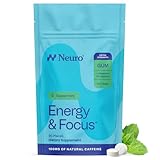
- Fast-Acting Nootropic - Our energy supplements deliver an extra boost of energy and clarity with a blend of natural caffeine, L-theanine, and vitamin b6 & b12. Your go-to chewing gum for work, exercise, and daily focus!
- Clean Energy - Each piece of our sugar free gum delivers 100mg of natural caffeine from green coffee beans for a smooth energy boost without crashes or jitters.
- The Perfect Balance - With 60mg of L-theanine per piece, our energy and focus formula promotes enhanced focus and stress reduction to smooth energy boosts.
- How to Use - Chew one piece of the caffeine gum whenever focus or energy is lacking. Ideal for mornings, pre-workout, or afternoon slumps. Effects typically kick in within minutes thanks to optimal absorption through the mouth.
- Made by Neuro, Backed by Science - At Neuro, we combine neuroscience with clean, science backed ingredients to help you do more, think better, and feel your best every single day.
Decision rules (simple if/then)
- If you feel shaky after your usual cup of coffee, then try reducing the amount of coffee grounds by 1-2 grams for your next brew because less coffee means less caffeine.
- If your coffee tastes bitter and you feel shaky, then try a coarser grind because a finer grind can lead to over-extraction.
- If you drink coffee first thing in the morning and feel shaky, then try having a small meal or snack with it because food slows caffeine absorption.
- If you are experiencing shakiness and have not cleaned your coffee maker in a while, then clean and descale your machine because buildup can affect extraction.
- If you are unsure about your coffee’s caffeine content, then try a decaffeinated version to see if the shakiness subsides because decaf coffee has significantly less caffeine.
- If your brew time is consistently shorter than recommended (e.g., under 4 minutes for drip), then check if your grind is too coarse or if water is channeling because this can lead to under-extraction, but in some cases, very fast brews can concentrate caffeine if not done properly.
- If you feel shaky after drinking coffee and also consumed other caffeinated beverages, then reduce your overall daily caffeine intake from all sources because the combined effect can be too much.
- If the shakiness is accompanied by heart palpitations or severe anxiety, then stop consuming coffee and consult a healthcare professional because these could be signs of a more serious reaction.
- If you are using a high-caffeine bean (like Robusta) and feel shaky, then switch to a lower-caffeine bean (like Arabica) or a blend because bean type significantly impacts caffeine levels.
- If your brewed coffee tastes weak and you feel shaky, this is unusual, but it might indicate a very fast brew with some concentrated compounds; try to achieve a more balanced extraction by adjusting grind or brew time.
FAQ
Q: Does decaf coffee make you shaky?
A: Decaffeinated coffee has almost all of its caffeine removed, so it should not make you feel shaky. If it does, other factors might be at play.
Q: Is it bad if coffee makes me shaky?
A: For most people, occasional shakiness is a sign you’ve had a bit too much caffeine for your tolerance. It’s usually not dangerous but can be uncomfortable. If it’s frequent or severe, consider reducing intake or consulting a doctor.
Q: How much caffeine is in a cup of coffee?
A: A standard 8 oz cup of drip coffee typically contains about 95 mg of caffeine, but this can vary widely based on bean type, roast, and brewing method. Espresso shots have more caffeine per ounce but are usually consumed in smaller quantities.
Q: Can the brewing method affect shakiness?
A: Yes, some methods like espresso or French press can yield a more concentrated cup or higher caffeine dose per serving, potentially leading to more pronounced effects for sensitive individuals.
Q: What’s the difference between caffeine jitters and an allergic reaction?
A: Jitters are a common stimulant effect of caffeine. Allergic reactions are rare and involve symptoms like hives, swelling, or difficulty breathing. If you suspect an allergy, seek immediate medical attention.
Q: Should I stop drinking coffee if it makes me shaky?
A: Not necessarily. You can try reducing your intake, switching to decaf, brewing weaker coffee, or being more mindful of your hydration and sleep.
Q: How long does the shaky feeling from coffee last?
A: The effects of caffeine typically peak within 30-60 minutes and can last for several hours, depending on your metabolism and how much you consumed.
Q: Can my coffee maker cause me to feel shaky?
A: Your coffee maker itself doesn’t produce caffeine. However, issues like improper brewing temperature or extraction time can lead to a harsher or more potent cup, indirectly influencing how you feel.
What this page does NOT cover (and where to go next)
- This guide does not provide medical diagnoses or treatment for anxiety disorders, heart conditions, or other health issues that may cause shakiness.
- It does not offer specific recommendations for individual coffee bean brands or their exact caffeine content.
- This content does not cover the detailed mechanics or repair of specific coffee maker models.
- For medical concerns, please consult a qualified healthcare professional.
- For specific coffee bean recommendations or tasting notes, explore coffee enthusiast forums or reputable coffee roaster websites.
- For troubleshooting and repair of your coffee maker, refer to your appliance’s user manual or contact the manufacturer’s support.