
Understanding Why Coffee Causes Shakiness
Quick answer
- Caffeine is the main culprit behind coffee-induced shakiness.
- Your body processes caffeine differently based on genetics.
- The amount of coffee you drink directly impacts how shaky you feel.
- Sensitivity to caffeine varies wildly from person to person.
- Other factors like sleep, stress, and medications play a role.
- Adjusting your intake or brewing method can help.
Key terms and definitions
- Caffeine: A natural stimulant found in coffee beans, tea leaves, and cocoa. It affects the central nervous system.
- Adenosine: A neurotransmitter that promotes relaxation and sleepiness. Caffeine blocks its receptors.
- Central Nervous System (CNS): The brain and spinal cord. Caffeine stimulates it, leading to increased alertness.
- Metabolism: The process your body uses to break down substances, including caffeine. This varies genetically.
- Tolerance: When your body gets used to caffeine, requiring more to feel the same effects.
- Withdrawal: Symptoms like headaches or fatigue that can occur when you stop consuming caffeine after regular use.
- Half-life: The time it takes for the amount of a substance (like caffeine) in your body to reduce by half. For caffeine, this is typically 3-5 hours.
- Stimulant: A substance that increases the activity of the nervous system.
How coffee causes shakiness
- Coffee beans naturally contain caffeine. Roasting doesn’t remove it.
- When you drink coffee, caffeine enters your bloodstream. It travels to your brain.
- In the brain, caffeine blocks adenosine receptors. Adenosine usually makes you feel tired.
- Blocking adenosine leads to increased alertness and nerve activity. This is good for focus, but too much can overstimulate.
- This overstimulation can lead to a release of adrenaline, the “fight or flight” hormone.
- Adrenaline can cause your heart to beat faster and your muscles to tense up.
- That increased muscle tension and rapid nerve firing is what you feel as shakiness or jitters.
- The more caffeine you consume, the stronger these effects can be.
What affects your coffee shakiness
- Caffeine Content: Different beans and brewing methods yield different caffeine levels. A dark roast might have less caffeine than a light roast, contrary to popular belief. Espresso has concentrated caffeine, but the serving size is small.
- Your Genetics: Some people are genetically predisposed to metabolize caffeine faster or slower. This means the caffeine stays in your system longer or leaves quickly.
- Dosage: Simply put, more caffeine means a higher chance of feeling shaky. A double espresso versus a single cup of drip coffee makes a difference.
- Your Tolerance: Regular coffee drinkers often build up a tolerance. They might need more caffeine to feel the same buzz, or they might not get shaky at all from their usual amount.
- Sleep Quality: If you’re already sleep-deprived, caffeine can amplify feelings of anxiety and shakiness. Your nervous system is already on edge.
- Stress Levels: When you’re stressed, your body is already producing stress hormones. Adding caffeine can push your system into overdrive.
- Medications: Certain medications can interact with caffeine, either increasing its effects or making you more sensitive to it. Always check with your doctor.
- Hydration: Being dehydrated can sometimes make you feel more sensitive to stimulants.
- Food Intake: Drinking coffee on an empty stomach can lead to faster caffeine absorption and more pronounced effects.
- Acidity of the Coffee: While not directly causing shakiness, highly acidic coffee can sometimes contribute to stomach upset, which might feel like a general unease.
- Type of Coffee Bean: Robusta beans generally have about twice the caffeine of Arabica beans.
- Brewing Method: Methods like cold brew extract less acidity and can sometimes result in a smoother caffeine release compared to a hot pour-over.
If you’re looking for a way to manage your caffeine intake or experiment with its effects, consider exploring caffeine supplements. These can offer a more controlled dose than coffee.
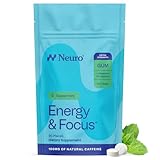
- Fast-Acting Nootropic - Our energy supplements deliver an extra boost of energy and clarity with a blend of natural caffeine, L-theanine, and vitamin b6 & b12. Your go-to chewing gum for work, exercise, and daily focus!
- Clean Energy - Each piece of our sugar free gum delivers 100mg of natural caffeine from green coffee beans for a smooth energy boost without crashes or jitters.
- The Perfect Balance - With 60mg of L-theanine per piece, our energy and focus formula promotes enhanced focus and stress reduction to smooth energy boosts.
- How to Use - Chew one piece of the caffeine gum whenever focus or energy is lacking. Ideal for mornings, pre-workout, or afternoon slumps. Effects typically kick in within minutes thanks to optimal absorption through the mouth.
- Made by Neuro, Backed by Science - At Neuro, we combine neuroscience with clean, science backed ingredients to help you do more, think better, and feel your best every single day.
Pros, cons, and when it matters
- Pro: Increased Alertness: Coffee, thanks to caffeine, helps you feel more awake and focused. This is great for early mornings or long drives.
- Con: Shakiness/Jitters: Too much caffeine, or sensitivity to it, leads to unwanted trembling. This can make simple tasks difficult.
- Pro: Enhanced Performance: Caffeine can boost physical and mental performance for some. Think of athletes or students cramming.
- Con: Anxiety and Unease: For sensitive individuals, coffee can trigger or worsen anxiety symptoms. This isn’t the vibe anyone wants.
- Pro: Improved Mood: Coffee can provide a temporary mood lift. A good cup can really turn a day around.
- Con: Sleep Disruption: Consuming coffee too late in the day can interfere with your sleep cycle. This leads to more fatigue the next day.
- Pro: Social Ritual: Coffee breaks are a common social activity. Sharing a cup is a nice way to connect.
- Con: Digestive Issues: Some people experience heartburn or stomach upset from coffee, especially on an empty stomach.
- Pro: Antioxidants: Coffee contains beneficial antioxidants. These are good for your overall health.
- Con: Dependence and Withdrawal: Regular heavy use can lead to dependence. Stopping can cause withdrawal symptoms.
- When it Matters: If you have an important meeting, a presentation, or need to perform a task requiring fine motor skills, too much coffee causing shakiness is a definite con. If you’re just looking for a gentle wake-up and are sensitive, a small amount or decaf might be better.
Common misconceptions
- Myth: Dark roast coffee has more caffeine. Actually, lighter roasts often have slightly more caffeine because the beans aren’t roasted as long, preserving more of the caffeine.
- Myth: Espresso is the most caffeinated coffee. While espresso is concentrated, you typically drink a much smaller serving than a regular cup of drip coffee. So, a large drip coffee can have more total caffeine.
- Myth: Decaf coffee has zero caffeine. Decaf coffee still contains a small amount of caffeine, usually around 2-5% of a regular cup. It’s not completely caffeine-free.
- Myth: You can “sweat out” caffeine. Once caffeine is in your system, you can’t simply eliminate it faster through intense exercise or sweating. Your body metabolizes it over time.
- Myth: Adding cream or sugar cancels out caffeine. These additions don’t affect the caffeine content or how your body processes it. They just change the flavor.
- Myth: Coffee always causes jitters. Many people drink coffee daily without experiencing shakiness due to developed tolerance or individual metabolism.
- Myth: All coffee beans are the same. The type of bean (Arabica vs. Robusta) and where it’s grown significantly impacts caffeine levels. Robusta has much more.
- Myth: Coffee is inherently unhealthy. For most people, moderate coffee consumption is linked to health benefits, not just risks.
- Myth: Cold brew is always weaker. Cold brew is often made with a higher coffee-to-water ratio, so while it might be smoother, it can still be quite potent in caffeine.
FAQ
Q: Can coffee make me shaky even if I only drink one cup?
A: Yes, it’s possible. Your individual sensitivity to caffeine, genetics, and how recently you last consumed caffeine all play a role. Some people are just more sensitive than others.
Q: Is shakiness a sign of a serious problem?
A: Usually, shakiness from coffee is temporary and related to caffeine intake. However, if it’s severe, persistent, or accompanied by other concerning symptoms like chest pain, it’s best to consult a doctor.
Q: How can I stop feeling shaky after drinking coffee?
A: Drink some water to help dilute the caffeine. Eat a snack to slow absorption. Avoid more caffeine. Gentle movement might help some, but intense exercise won’t speed up metabolism significantly.
Q: Will I always feel shaky after coffee?
A: Not necessarily. Your body can build tolerance to caffeine over time, meaning you might need more to feel the same effects, or you might stop feeling shaky altogether from your usual amount.
Q: Does the type of coffee maker affect shakiness?
A: Indirectly, yes. Some brewing methods extract more caffeine than others. For example, a very strong French press might yield more caffeine than a standard drip coffee, potentially leading to more shakiness.
Q: What if I’m sensitive to caffeine but love the taste of coffee?
A: Try switching to decaf coffee. Many brands offer excellent decaf options that still capture the flavor. You could also try a smaller serving size or a lighter roast, which often has slightly less caffeine.
Q: Can stress make me more shaky from coffee?
A: Absolutely. When you’re stressed, your body is already in a heightened state. Adding caffeine can amplify these feelings, making you more prone to jitters and anxiety.
Q: How long does the shakiness usually last?
A: The effects of caffeine typically peak within 30-60 minutes and can last for several hours. The shakiness should subside as your body metabolizes the caffeine, usually within a few hours.
What this page does NOT cover (and where to go next)
- Specific caffeine content of every coffee bean or roast. Look for brand-specific information or general guides.
- Detailed medical advice on caffeine’s effects on specific health conditions. Consult a healthcare professional for personalized advice.
- Recipes for specific coffee drinks beyond general brewing principles. Explore coffee recipe blogs or books.
- The history of coffee cultivation or its economic impact. Seek out books or documentaries on coffee’s global journey.
- Advanced brewing techniques for competitive baristas. Look for specialized coffee brewing resources.