
Using Coffee Grounds to Acidify Soil
Quick answer
- Coffee grounds can lower soil pH, making it more acidic.
- Use them in moderation. Too much can harm plants.
- Mix grounds into the soil, don’t just layer them on top.
- Coffee grounds are best for plants that like acidic conditions.
- Composting coffee grounds first is often a safer bet.
- Monitor your soil’s pH regularly.
Who this is for
- Gardeners looking for natural ways to amend their soil.
- Plant enthusiasts growing acid-loving species like blueberries or azaleas.
- Anyone wanting to reuse their daily coffee waste.
For plant enthusiasts growing acid-loving species like blueberries or azaleas, consider exploring a variety of acid loving plants to enhance your garden.
No products found.
For plant enthusiasts growing acid-loving species like blueberries or azaleas, consider exploring a variety of acid loving plants to enhance your garden.

- 🌱 Enhanced Soil Fertility: ReVital Soil Activator delivers a powerful blend of natural nutrients including humic acids and organic acids that break down organic matter, improve soil structure, and increase nutrient availability for your plants.
- 🌿 Boosts Plant Growth: By fostering a healthier soil ecosystem, ReVital helps your plants develop stronger roots, healthier foliage, and more abundant blooms. Enjoy faster growth, higher yields, and more vibrant colors in your garden.
- 🌍 Eco-Friendly Formula: Our product is made from natural, sustainably sourced ingredients, ensuring a safe and environmentally responsible choice for your garden. It’s free from synthetic chemicals and harmful additives.
- 🌼 Easy Application: ReVital Soil Activator is simple to use. Just dilute it with water and apply on soil, and let nature do the rest. Suitable for all types of soil and a variety of plants, including vegetables, flowers, shrubs, and trees.
- 💧 Improves Soil Moisture Retention: The soil activator enhances the soil’s ability to retain moisture, reducing the need for frequent watering and helping your plants stay hydrated during dry periods.
What to check first
Your Soil’s Current pH
Before you do anything, you gotta know what you’re working with. Is your soil already acidic, neutral, or alkaline? A simple soil test kit from a garden center will tell you this. Most plants are happy in the 6.0-7.0 range. Acid-loving plants, though, like it lower, often between 4.5 and 5.5. If your soil is already in that sweet spot, go easy on the grounds.
A simple soil test kit from a garden center will tell you this, and you can find a wide range of essential gardening tools to help with all your planting needs.
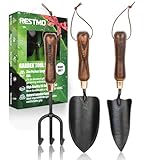
- 𝐏𝐫𝐞𝐦𝐢𝐮𝐦 𝟑-𝐢𝐧-𝟏 𝐆𝐚𝐫𝐝𝐞𝐧 𝐄𝐬𝐬𝐞𝐧𝐭𝐢𝐚𝐥 𝐓𝐨𝐨𝐥𝐬: Our complete 3-in-1 set includes a garden trowel, transplanter, and cultivator, crafted from strong carbon steel and polished wood. Everything you need to dig, weed, turn soil, aerate, and transplant with confidence. Each tool features a delicately engraved logo for a touch of understated elegance, making it perfect for dedicated gardeners and thoughtful gift-givers alike, whether they’re experts or just getting started.
- 𝐒𝐮𝐩𝐞𝐫𝐢𝐨𝐫 𝟓𝟎# 𝐂𝐚𝐫𝐛𝐨𝐧 𝐒𝐭𝐞𝐞𝐥: While most garden tools are made from ordinary #40 carbon steel, we use premium #50 carbon steel for exceptional strength and durability. Harder and more resilient, it boasts a 45 HRC hardness rating and supports up to 55 lbs, far outperforming standard tools that bend or break under pressure. The polished, oxidized finish adds an antique-inspired look while protecting against wear, keeping your tools looking timeless through years of use.
- 𝐄𝐫𝐠𝐨𝐧𝐨𝐦𝐢𝐜 𝐏𝐫𝐞𝐦𝐢𝐮𝐦 𝐖𝐨𝐨𝐝 𝐇𝐚𝐧𝐝𝐥𝐞: Designed for a natural, comfortable grip, our handles are carved from quality wood that absorbs shock and reduces hand fatigue. Each handle is carefully oxidized and textured to highlight the wood’s natural grain, beautiful, durable, and built to last. Unlike plastic handles that can warp in heat, ours stay sturdy and stylish season after season.
- 𝐑𝐞𝐢𝐧𝐟𝐨𝐫𝐜𝐞𝐝 𝐖𝐞𝐥𝐝𝐢𝐧𝐠 𝐟𝐨𝐫 𝐔𝐥𝐭𝐫𝐚 𝐃𝐮𝐫𝐚𝐛𝐢𝐥𝐢𝐭𝐲: We go beyond ordinary welding. Through a specialized reinforcement process, we craft joints so strong they can withstand the weight of an SUV without breaking. It’s a testament to durability, a promise that these tools are made to serve you reliably long time.
- 𝐓𝐡𝐞 𝐏𝐞𝐫𝐟𝐞𝐜𝐭 𝐆𝐚𝐫𝐝𝐞𝐧𝐢𝐧𝐠 𝐆𝐢𝐟𝐭, 𝐑𝐞𝐚𝐝𝐲 𝐭𝐨 𝐆𝐢𝐯𝐞: Presented in an elegant gift-ready box, this set is more than just garden tools, it’s a statement of quality. Every detail reflects artistry and durability, making it a ideal gift for Christmas, New Year, birthday, women, men, gardener.
Plant Needs
Not all plants dig acidic soil. Tomatoes? They’re pretty flexible. Blueberries? They need it. Know what you’re growing. If you’re trying to grow something that prefers alkaline soil, adding coffee grounds is a bad idea. It’s like trying to force a cat to swim. It ain’t gonna end well.
Coffee Ground Freshness and Type
Fresh grounds straight from the brewer are acidic. Used, dried grounds are closer to neutral. The type of coffee matters too – darker roasts tend to be more acidic. But honestly, the difference isn’t huge after brewing. What’s more important is how you use them.
How Much You’re Using
This is key. A little goes a long way. Overdoing it can lead to nutrient imbalances and even harm your plants. Think of it like adding salt to food – a pinch is good, a whole shaker is a disaster. Start small and observe.
Step-by-step (how to make soil acidic coffee grounds)
1. Gather Used Coffee Grounds: Collect grounds from your daily brewing. Let them drain a bit.
- What “good” looks like: Moist, but not dripping wet.
- Common mistake: Using wet, sludgy grounds that clump. Avoid this by letting them sit in the filter for a minute after brewing.
2. Test Your Soil pH: Use a soil test kit to get a baseline reading.
- What “good” looks like: A clear number or color indicating your soil’s pH.
- Common mistake: Guessing your soil pH. This leads to over- or under-application of grounds.
3. Identify Acid-Loving Plants: Make sure your target plants thrive in acidic soil.
- What “good” looks like: Knowing your plants like a pH between 4.5 and 5.5.
- Common mistake: Applying grounds to plants that prefer neutral or alkaline soil.
4. Incorporate Grounds into Soil: Gently mix a thin layer of grounds into the top few inches of soil around your plants. Don’t pile them up.
- What “good” looks like: Grounds are dispersed evenly and not visible on the surface.
- Common mistake: Leaving a thick layer of grounds on top. This can create a water-repellent crust.
5. Water Thoroughly: After applying, water the area well.
- What “good” looks like: Water soaking into the soil, helping the grounds break down.
- Common mistake: Not watering, leaving the grounds dry and potentially hindering decomposition.
6. Observe Your Plants: Keep an eye on how your plants respond over the next few weeks.
- What “good” looks like: Healthy growth, no signs of stress like yellowing leaves or wilting.
- Common mistake: Ignoring signs of distress, which could indicate too many grounds were used.
7. Repeat Sparingly (If Needed): If your soil test shows the pH is still too high and plants are happy, you can reapply a small amount after a month or two.
- What “good” looks like: Gradual pH adjustment without plant damage.
- Common mistake: Applying grounds too frequently, leading to a pH crash.
8. Consider Composting: For a gentler, more balanced approach, compost your coffee grounds first.
- What “good” looks like: Rich, dark compost that has a neutral pH.
- Common mistake: Adding large amounts of fresh grounds to a small compost pile, which can make it too wet and anaerobic.
Common mistakes (and what happens if you ignore them)
| Mistake | What it causes | Fix |
|---|---|---|
| Piling grounds on the soil surface | Water-repellent crust, prevents water and air from reaching roots. | Mix grounds into the top 2-3 inches of soil. |
| Using too many grounds at once | Nutrient lockout, potential root burn, over-acidification. | Start with a thin layer (e.g., 1/4 inch) and test pH after a few weeks. |
| Applying grounds to alkaline-loving plants | Stunted growth, yellowing leaves (chlorosis), plant death. | Only use grounds for plants that prefer acidic soil. |
| Not watering after application | Grounds dry out, decompose slowly, may inhibit soil microbes. | Water thoroughly after mixing grounds into the soil. |
| Applying grounds too frequently | Extreme pH swings, damaging to plant roots and nutrient uptake. | Wait at least a month between applications, and retest soil pH. |
| Using grounds on very young seedlings | Seedlings are delicate; grounds can be too harsh and inhibit growth. | Wait until plants are more established before applying grounds. |
| Adding fresh grounds to a small compost pile | Can make the pile too wet, anaerobic, and smelly. | Mix fresh grounds with “brown” materials like dry leaves or cardboard. |
| Relying solely on grounds for acidification | Grounds alone may not be enough for significant pH change. | Use grounds as a supplement, and consider other amendments if needed. |
| Not testing soil pH regularly | Unsure if grounds are working or if you’ve overdone it. | Test soil pH before and periodically after application. |
| Using grounds on compacted soil | Grounds can worsen compaction if not mixed in well. | Loosen compacted soil before mixing in coffee grounds. |
Decision rules (simple if/then)
- If your soil pH is above 6.5, then you can consider using coffee grounds for plants that like acidity, because it will help lower the pH.
- If your soil pH is between 5.5 and 6.5, then use coffee grounds very sparingly or not at all, because you are already in a good range for many plants.
- If your soil pH is below 5.5, then do not add coffee grounds, because your soil is already acidic enough and you risk harming plants.
- If you are growing blueberries, azaleas, or rhododendrons, then you can use coffee grounds, because these plants thrive in acidic soil.
- If you are growing tomatoes or roses, then use coffee grounds cautiously, because they prefer slightly acidic to neutral soil and can be sensitive to over-acidification.
- If your plants show yellowing leaves (chlorosis) after applying grounds, then stop immediately, because this is a sign of nutrient imbalance or over-acidification.
- If you are unsure about your soil’s pH, then test it before adding coffee grounds, because guessing can lead to problems.
- If you have a large amount of coffee grounds, then compost them first, because composting mellows their effect and creates a more balanced soil amendment.
- If your soil is very compacted, then loosen it before adding grounds, because this ensures better distribution and prevents further compaction.
- If you notice mold on the surface of the grounds, then don’t worry too much if they’re mixed in, because it’s often a sign of decomposition, but avoid thick surface layers.
- If you are using grounds from dark roasts, then be aware they might be slightly more acidic, but the difference is usually minor after brewing.
FAQ
Can I just dump coffee grounds on my garden?
No, don’t just dump them. Mix them into the top few inches of soil. Piling them up can create a barrier that prevents water and air from reaching the roots.
How often can I add coffee grounds to my soil?
It depends on your soil and plants. Start with a thin layer and wait at least a month before considering another application. Always check your soil pH.
Will coffee grounds kill my plants?
They can, if you use too much. Over-acidification and nutrient imbalances are the main culprits. Moderation is key.
Are used coffee grounds acidic?
Freshly brewed coffee grounds are acidic. However, after brewing and drying, their pH is much closer to neutral. Their primary benefit is more about organic matter and slow nutrient release than strong acidification.
Can I use coffee grounds for all my plants?
Definitely not. Only use them for plants that prefer acidic soil conditions, like blueberries, azaleas, and hydrangeas (if you want blue flowers).
What’s the difference between fresh and used grounds for soil?
Fresh grounds are more acidic. Used grounds have had most of their acidity leached out during brewing. Both add valuable organic matter.
Should I compost coffee grounds first?
Composting is a great idea. It breaks down the grounds, balances their pH, and creates a richer soil amendment that’s less likely to cause problems.
How do I know if my soil needs to be more acidic?
Use a soil test kit. It will tell you your soil’s pH. Plants that love acidic soil typically need a pH between 4.5 and 5.5.
What this page does NOT cover (and where to go next)
- Specific pH requirements for every single plant species. (Check plant tags or gardening resources for your specific plants.)
- Using coffee grounds as a pest deterrent. (This is a separate topic with mixed results.)
- Advanced soil chemistry and nutrient interactions. (Consult soil science resources for deeper dives.)
- Commercial soil amendments for acidification. (Look for sulfur-based products or specific acidifying fertilizers.)