
Global Coffee Production: Who Are The Top Producers?
Quick answer
- Brazil consistently ranks as the world’s largest coffee producer, often accounting for a significant portion of global output.
- Vietnam is a major player, particularly in robusta coffee, and holds the second spot globally.
- Colombia is renowned for its high-quality arabica beans and is a top-three producer.
- Indonesia contributes substantially to global coffee supply, growing both arabica and robusta.
- Ethiopia, the birthplace of arabica coffee, remains a key producer, especially for specialty markets.
- Other significant coffee-producing nations include Honduras, India, and Uganda.
Buying priorities
- Bean Origin: The country of origin often indicates the coffee’s flavor profile. For example, Ethiopian coffees are known for floral notes, while Brazilian beans tend to be nutty and chocolatey.
- Coffee Type (Arabica vs. Robusta): Arabica is prized for its complex flavor and aroma, while Robusta offers a stronger, bolder taste and higher caffeine content. Knowing who makes the most coffee of each type can guide your choice.
- Flavor Profile: Consider if you prefer fruity, nutty, chocolatey, earthy, or floral notes. Different regions specialize in distinct flavor characteristics.
- Ethical Sourcing: Many consumers prioritize coffee grown under fair trade or sustainable conditions. Researching a country’s practices can be important.
- Price Point: Coffee from certain regions or specific varietals can be more expensive due to rarity or labor costs.
- Roast Level: While not directly tied to production, the roast level (light, medium, dark) significantly impacts the final taste, interacting with the bean’s inherent characteristics.
Feature comparison
- Brew Method Compatibility: Some origins are traditionally preferred for certain brew methods; for instance, robusta from Vietnam is often used in espresso blends or Vietnamese iced coffee.
- Capacity of Production: Nations like Brazil and Vietnam produce vast quantities, making their beans widely available and often more affordable. Smaller producers might offer more specialized, limited-run options.
- Temperature Control for Growing: Ideal growing conditions, including specific temperature ranges, are crucial for coffee quality and are inherent to a producing country’s climate.
- Filter Type Influence: While not directly a feature of the bean, the density and oil content of beans from different origins can interact with various filter types (paper, metal, cloth) to affect extraction.
- Cleaning and Processing Methods: The processing methods used in a producing country (washed, natural, honey) profoundly impact the coffee’s flavor and can influence brewing.
- Footprint (Environmental Impact): Different coffee-producing nations have varying environmental regulations and farming practices, impacting the ecological footprint of their coffee.
- Bean Size and Density: These physical attributes, often linked to origin, can affect how consistently a bean grinds and extracts.
- Caffeine Content: Robusta-heavy producers like Vietnam will yield beans with higher caffeine levels compared to arabica-dominant regions.
If you’re looking for a bolder, higher caffeine option, consider Vietnamese Robusta coffee, which is often used in espresso blends or traditional Vietnamese iced coffee.
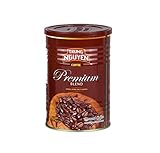
- ☕【TRUNG NGUYEN’S G7 PREMIUM BLEND】 — Trung Nguyen offers a premium blend of arabica and robusta beans with notes of chocolate — 15 ounces per can
- ☕【BOLD FLAVOR & FRAGRANT AROMA】 — With an exclusive recipe and meticulous bean selection process, TRUNG NGUYEN Premium Blend is bold, strong, and creates a lasting aroma
- ☕【VIETNAMESE BLEND】 — By using Vietnamese traditional roasting techniques, TRUNG NGUYEN Premium Blend delivers a quality cup of coffee
- ☕【VERSATILE PREPARATION】 — Trung Nguyen Premium Blend is ground to be suitable for various brewing methods including a Vietnamese Phin Filter, drip brewer, moka pot, and French Press
How to choose step-by-step
1. Identify your preferred flavor profile
- What to do: Think about the flavors you enjoy in food and drink. Do you like bright, fruity notes, or do you prefer rich, chocolatey, or nutty undertones?
- What “good” looks like: You can confidently describe a few flavor characteristics you’re seeking (e.g., “I like sweet, citrusy coffee” or “I prefer bold, earthy flavors”).
- Common mistake and how to avoid it: Don’t just pick “dark roast” without considering the underlying bean. A dark roast can mask subtle flavors. Instead, seek out beans known for profiles that align with your taste, then consider the roast.
2. Research who makes the most coffee of your desired type
- What to do: If you prefer Arabica (known for complexity), focus on countries like Colombia, Ethiopia, or Guatemala. If you like Robusta (bolder, higher caffeine), look towards Vietnam or Indonesia.
- What “good” looks like: You have a shortlist of 2-3 origin countries that are major producers of your preferred coffee species.
- Common mistake and how to avoid it: Assuming all coffee from a country tastes the same. Even within Brazil, there are diverse regions. Look for specific regional notes if possible, not just the country.
3. Consider your brewing method
- What to do: Match the coffee’s characteristics to your brewing equipment. For example, a delicate, light-roasted Arabica might shine in a pour-over, while a robust Robusta blend could be great for espresso.
- What “good” looks like: You understand how a coffee’s origin and processing might influence its performance in your espresso machine, French press, or drip brewer.
- Common mistake and how to avoid it: Using a very light-roasted, acidic coffee for espresso if you dislike sour notes. For espresso, many prefer a coffee with good body and lower acidity, often found in blends or certain origins.
4. Set a budget
- What to do: Determine how much you’re willing to spend per pound of coffee. This will help narrow down options, as some origins or specialty beans are more expensive.
- What “good” looks like: You have a realistic price range in mind that aligns with your coffee consumption habits.
- Common mistake and how to avoid it: Automatically assuming more expensive means “better.” While often true for specialty coffee, value can be found at various price points, especially from high-volume producers.
5. Check for ethical and sustainability certifications
- What to do: Look for certifications like Fair Trade, Rainforest Alliance, or Organic if these values are important to you.
- What “good” looks like: You can identify a coffee that aligns with your personal values regarding labor practices or environmental impact.
- Common mistake and how to avoid it: Relying solely on a “sustainable” claim without checking for specific certifications or understanding what the claim entails. Research the certification body.
6. Read reviews and descriptions
- What to do: Once you’ve identified a few potential origins or specific coffees, read descriptions from roasters and consumer reviews to get a better sense of their taste profile.
- What “good” looks like: You have a clearer expectation of what the coffee will taste like before you buy it, based on multiple sources.
- Common mistake and how to avoid it: Only trusting one review or description. Taste is subjective, so cross-reference to get a more balanced perspective.
7. Experiment with small batches
- What to do: Start by purchasing smaller bags of different coffees from your shortlisted origins. This allows you to try various options without committing to a large quantity.
- What “good” looks like: You’re gradually discovering your favorite coffee origins and styles through direct experience.
- Common mistake and how to avoid it: Buying a large bag of an unfamiliar coffee. If you don’t like it, you’re stuck with it. Smaller bags are less wasteful and allow for more exploration.
Common mistakes (and what happens if you ignore them)
| Mistake | What it causes | Fix |
|---|---|---|
| Ignoring bean type (Arabica/Robusta) | Coffee tastes too bitter/strong or too weak/acidic for your preference. | Understand the flavor profiles: Arabica for nuanced, Robusta for bold. |
| Not considering origin flavor profiles | You end up with coffee that doesn’t match your taste expectations (e.g., buying an Ethiopian for a dark, chocolatey brew). | Research typical flavor notes of major producing countries. |
| Overlooking processing methods | Coffee tastes “off” (e.g., too fruity/fermented from natural process if you prefer clean taste). | Learn about washed, natural, and honey processes and their flavor impact. |
| Assuming all coffee from a top producer is the same quality | You might get a low-grade coffee from a country known for specialty beans. | Look for specific regions, farms, or quality grades within a country. |
| Not checking roast date | Stale coffee with diminished flavor and aroma. | Always look for a “roasted on” date; buy coffee roasted within the last 2-4 weeks. |
| Grinding beans incorrectly for your brew method | Over-extraction (bitter) or under-extraction (sour/weak). | Match grind size to your brew method (coarse for French press, fine for espresso). |
| Storing coffee improperly | Beans go stale quickly, losing flavor and aroma. | Store in an airtight container, away from light, heat, and moisture. |
| Using poor quality water | The water can negatively impact the final taste of the coffee. | Use filtered water, not distilled, and avoid tap water with strong odors. |
| Not cleaning your coffee maker regularly | Built-up oils and mineral deposits impart off-flavors to your coffee. | Clean your machine according to manufacturer instructions, usually weekly/monthly. |
| Ignoring ethical sourcing if it matters to you | Supporting practices that don’t align with your values. | Look for certifications like Fair Trade or direct trade relationships. |
Decision rules (simple if/then)
- If you prefer a complex, aromatic, and often fruitier or floral cup then choose Arabica-dominant origins like Ethiopia, Colombia, or Guatemala because these regions are renowned for high-quality Arabica beans.
- If you want a strong, bold, and high-caffeine coffee then opt for Robusta-heavy producers like Vietnam or Uganda because Robusta beans naturally contain more caffeine and have a more intense flavor.
- If you enjoy nutty, chocolatey, and low-acid coffees then consider beans from Brazil because Brazilian coffees are often characterized by these classic, approachable flavor notes.
- If you’re looking for unique, often fruity or wine-like flavors with higher acidity then explore African origins like Kenya or Ethiopia because their growing conditions and processing methods often yield these distinct profiles.
- If you frequently brew espresso then look for coffee from Vietnam or South America, often used in blends because their robust body and lower acidity can stand up well to espresso extraction.
- If ethical sourcing is a top priority then seek out coffees with certifications like Fair Trade or Rainforest Alliance, regardless of origin because these labels indicate adherence to specific labor and environmental standards.
- If you prefer a “cleaner” and brighter cup then choose coffees processed using the washed method because this method removes fruit pulp before drying, resulting in a clearer flavor profile.
- If you enjoy a fruitier, heavier-bodied, and sometimes “wilder” cup then experiment with coffees processed using the natural (dry) method because the beans dry with the fruit intact, imparting more fruit notes.
- If you are on a tighter budget but still want good quality then focus on larger volume producers like Brazil or Vietnam because their scale of production often allows for more competitive pricing.
- If you are new to specialty coffee and unsure where to start then begin with a medium-roasted Arabica from a well-known origin like Colombia or Brazil because these offer balanced, approachable flavor profiles.
FAQ
Which country produces the most coffee?
Brazil consistently holds the top spot for global coffee production. They produce vast quantities of both Arabica and Robusta, making them a dominant force in the international coffee market.
What is the difference between Arabica and Robusta coffee?
Arabica coffee is known for its complex flavor, aroma, and higher acidity, often with fruity or floral notes. Robusta coffee has a bolder, stronger, and more bitter taste, with higher caffeine content, and is often used in espresso blends.
Why does coffee from different countries taste different?
The flavor of coffee is influenced by many factors, including the bean variety, climate, soil composition, altitude, and processing methods used in the producing country. These elements create unique flavor profiles for each origin.
Is coffee from the top producing countries always the best quality?
Not necessarily. While top producers like Brazil and Vietnam produce a lot of coffee, quality can vary greatly within each country. They produce everything from commodity-grade beans to high-quality specialty coffee.
How does climate affect coffee production?
Coffee plants thrive in specific climates, typically in the “coffee belt” near the equator. Ideal conditions include consistent rainfall, mild temperatures, and distinct wet and dry seasons. Climate change is a significant concern for many producing regions.
What are “specialty coffee” origins?
Specialty coffee refers to high-quality beans with unique flavor characteristics, often scoring high in blind tastings. While any country can produce specialty coffee, origins like Ethiopia, Kenya, Colombia, and Panama are particularly renowned for their exceptional specialty beans.
What this page does NOT cover (and where to go next)
- Specific bean varietals and their unique characteristics.
- In-depth details on different coffee processing methods.
- The economic impact of coffee production on developing nations.
- The complex global supply chain for coffee.
- Detailed guides on home roasting coffee.
- Advanced coffee brewing techniques for different origins.