
Understanding How Yuban Coffee Is Made
Quick answer
- Yuban coffee, like most commercially produced coffee, begins with carefully selected coffee beans.
- These beans undergo a roasting process to develop their characteristic flavor and aroma.
- The roasted beans are then ground to a specific consistency, depending on the intended brewing method.
- While Yuban is typically purchased as ground coffee, the fundamental principles of coffee making apply.
- You can make Yuban coffee at home by using their pre-ground products with your preferred brewing equipment.
- The quality of your home brew will depend on the freshness of the Yuban grounds and your brewing technique.
Yuban coffee is a popular choice for many, and understanding its making process can enhance your appreciation. You can easily brew it at home with their pre-ground products.

Key terms and definitions
- Coffee Beans: The seeds of the coffee plant, which are harvested, processed, and roasted to create coffee.
- Roasting: The process of heating green coffee beans to develop their flavor, aroma, and color. Different roast levels (light, medium, dark) significantly impact taste.
- Grinding: Breaking down roasted coffee beans into smaller particles. The size of the grind is crucial for proper extraction during brewing.
- Extraction: The process of dissolving soluble compounds from coffee grounds into water, which creates the beverage.
- Brewing: The method used to combine coffee grounds with hot water to produce coffee.
- Solubles: The compounds within coffee grounds that dissolve into water, contributing to flavor, aroma, and body.
- Aroma: The volatile compounds released from coffee that contribute to its smell, a significant part of the sensory experience.
- Flavor Profile: The complex combination of tastes (bitter, sweet, sour, salty) and other sensory attributes that define a coffee’s character.
- Blend: A mixture of different coffee beans from various origins or varietals, often created to achieve a specific flavor profile.
- Origin: The geographical location where coffee beans are grown, which influences their inherent characteristics.
How it works
- Bean Selection: Yuban coffee starts with sourcing green coffee beans, often from Latin America, chosen for their quality and suitability for their target flavor profile.
- Blending (Potentially): To achieve a consistent taste, Yuban may blend beans from different origins or varietals before roasting.
- Roasting Process: The green beans are then roasted in large commercial roasters. This process develops the sugars, oils, and other compounds that give coffee its distinctive flavor and aroma. The specific temperature and duration of the roast are critical.
- Cooling: After roasting, the beans are rapidly cooled to stop the roasting process and preserve their flavor.
- Grinding: The roasted beans are then ground. Yuban coffee is typically sold pre-ground, meaning the grind size is optimized for common brewing methods like drip coffee makers.
- Packaging: The ground coffee is then sealed in packaging to maintain freshness and protect it from air, light, and moisture.
- Brewing at Home: When you purchase Yuban coffee, you are using these pre-ground beans. You then use your chosen brewing method to extract the soluble flavors into hot water.
- Water Temperature: Hot water, typically between 195°F and 205°F, is used to dissolve the coffee solubles.
- Contact Time: The amount of time the water is in contact with the coffee grounds affects how much flavor is extracted.
- Filtration: Most brewing methods involve separating the brewed coffee from the grounds, often through a filter.
Yuban coffee is typically sold pre-ground, meaning the grind size is optimized for common brewing methods like drip coffee makers. This makes it a convenient option for your morning routine.
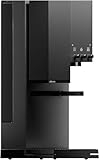
- 1. Three Levels of Automation for Any Skill Level: Choose from Autopilot, Copilot, or Free Solo mode. Autopilot handles the entire brewing process automatically. Copilot provides step-by-step guidance. Free Solo gives you full manual control. This coffee machine works for beginners and professional baristas alike.
- 2. Intuitive User Interface with Tactile Knobs and LED Matrix: The Studio features physical control knobs and a clear LED Matrix display. You can adjust grind size, water temperature, and flow rate in real time without navigating complicated touchscreen menus.
- 3. Full Customization via the xBloom App: Use the xBloom app to create, adjust, save, and share your favorite coffee recipes. Every brewing parameter can be fine-tuned and synced to the machine instantly. Your perfect cup is saved and repeatable.
- 4. Compostable xPod System for Minimal Waste and Maximum Flavor: Each xPod contains carefully selected whole beans and a built-in filter. Tap the recipe card, pour the beans into the grinder, place the pod into the dock, and press start. No capsules, no extra paper filters, no unnecessary waste.
- 5. What Is Included in the Box: The package includes the xBloom Studio, Omni Dripper 2 with Hyperflow Bottom, 10 paper filters, xPod Dock, Magnetic Dosing Cup, default recipe card, quick start guide, cleaning brush, universal power cord, and a 2-Year xbloom brand warranty. Everything you need is included—along with long-term peace of mind.
What affects the result
- Freshness of the Grounds: Coffee begins to lose its aroma and flavor compounds shortly after grinding. Using Yuban coffee that has been recently purchased and stored properly is key.
- Grind Size: While Yuban provides a pre-ground product, the consistency of that grind is important. If it’s too fine for your brewer, it can lead to over-extraction and bitterness. Too coarse, and you might get a weak brew.
- Water Quality: Tap water can contain minerals or chlorine that affect the taste of your coffee. Filtered water is generally recommended for a cleaner flavor.
- Water Temperature: The ideal brewing temperature is typically between 195°F and 205°F. Water that is too cool won’t extract enough flavor, while water that is too hot can scorch the grounds, leading to bitterness.
- Coffee-to-Water Ratio: The proportion of coffee grounds to water significantly impacts the strength and flavor. A common starting point is about 1-2 tablespoons of coffee per 6 oz of water, but this can be adjusted to personal preference.
- Brewing Method: Different brewing methods (drip, French press, pour-over) interact with the coffee grounds differently, influencing extraction and the final cup. Yuban’s pre-ground coffee is usually best suited for automatic drip machines.
- Cleanliness of Equipment: Any residue from previous brews can impart off-flavors. Regularly cleaning your coffee maker and brewing accessories is essential.
- Storage of Coffee: Storing Yuban coffee in an airtight container in a cool, dark place, away from heat and moisture, will help preserve its freshness. Avoid storing in the refrigerator or freezer for daily use, as this can introduce moisture and odors.
- Brew Time: The duration the water is in contact with the coffee grounds affects the extraction. Too short a time results in under-extraction (sour), and too long can lead to over-extraction (bitter).
- Agitation (for some methods): In methods like pour-over or French press, how you pour or stir the water can influence how evenly the coffee grounds are saturated and extracted.
Pros, cons, and when it matters
- Pro: Convenience: Pre-ground Yuban coffee is readily available in most grocery stores, making it incredibly convenient for quick coffee preparation.
- Con: Staling: Once ground, coffee begins to lose its volatile aromatic compounds rapidly. This means pre-ground coffee, including Yuban, is typically not as fresh tasting as freshly ground beans.
- Pro: Consistency: Commercial roasters like Yuban aim for a consistent flavor profile across batches, so you can expect a similar taste each time you purchase their product.
- Con: Limited Control: You have less control over the grind size and roast level when buying pre-ground coffee. This can be a drawback if you have specific brewing preferences.
- Pro: Affordability: Pre-ground coffee is often more budget-friendly than whole bean coffee, making it an accessible option for many.
- Con: Flavor Nuances: The nuanced flavors that can be achieved with freshly roasted and ground single-origin beans might be less apparent in a pre-ground blend.
- When it Matters (Convenience): For busy mornings or when you need a quick cup without much fuss, pre-ground Yuban is ideal.
- When it Matters (Flavor Purity): If you are a coffee enthusiast who seeks to explore subtle flavor notes or experiment with different brewing methods that benefit from precise grind control, whole bean coffee is generally preferred.
- Pro: Accessibility: Yuban is a widely distributed brand, making it easy to find in many households and stores across the US.
- Con: Environmental Impact: The packaging for pre-ground coffee contributes to waste. While not unique to Yuban, it’s a consideration for environmentally conscious consumers.
- When it Matters (Familiar Taste): For those who enjoy a specific, consistent, and familiar coffee taste, Yuban offers reliability.
- Con: Potential for Stale Aroma: The aroma is often the first thing to diminish in pre-ground coffee, which can impact the overall sensory experience.
Common misconceptions
- Misconception: All coffee grounds are the same. In reality, grind size is critical and varies greatly depending on the brewing method. Yuban’s grind is typically medium, suited for drip machines.
- Misconception: Storing coffee in the freezer keeps it fresh indefinitely. While freezing can slow staling, it can also introduce moisture and odors into the beans or grounds, potentially damaging them. For daily use, airtight storage at room temperature is often better.
- Misconception: Darker roasts always have more caffeine. This is generally not true. Darker roasts lose more mass during roasting, so a scoop of dark roast beans might contain less caffeine than the same scoop of lighter roast beans.
- Misconception: Boiling water is best for brewing coffee. Water that is too hot (boiling) can scorch the coffee grounds, leading to a bitter taste. The ideal temperature is typically between 195°F and 205°F.
- Misconception: You can’t make good coffee with pre-ground beans. While fresh grinding offers advantages, you can still make a very enjoyable cup of coffee with pre-ground Yuban by focusing on other variables like water quality, temperature, and ratio.
- Misconception: Coffee is just bitter water. Coffee contains a complex array of acids, sugars, and oils that contribute to a wide range of flavors, from fruity and floral to nutty and chocolatey.
- Misconception: The “bloom” in pour-over coffee is a sign of freshness that doesn’t happen with older coffee. The bloom is the release of CO2 gas from fresh coffee grounds when hot water is first introduced. While it’s more pronounced with very fresh coffee, some degassing will occur with any coffee.
- Misconception: Adding milk and sugar makes bad coffee taste good. While these additions can mask flavors, they don’t improve the underlying quality of the brew. Starting with good brewing practices is key.
FAQ
- Can I make Yuban coffee using a French press?
You can, but Yuban is typically ground for automatic drip machines. A French press usually requires a coarser grind. Using Yuban’s pre-ground coffee might result in a muddier cup with more sediment.
- How should I store my Yuban coffee to keep it fresh?
Store Yuban coffee in its original packaging or transfer it to an airtight container. Keep it in a cool, dark place, away from heat, moisture, and strong odors. Avoid the refrigerator or freezer for daily use.
- What is the best water temperature for brewing Yuban coffee?
For optimal extraction, aim for water temperatures between 195°F and 205°F. If your coffee maker doesn’t have temperature control, letting boiling water sit for about 30-60 seconds usually brings it into the right range.
- How much Yuban coffee should I use per cup?
A common starting point is 1 to 2 tablespoons of coffee grounds for every 6 ounces of water. You can adjust this ratio based on your personal preference for strength.
- Can I use Yuban coffee for cold brew?
While technically possible, Yuban’s grind might not be ideal for cold brew, which typically benefits from a very coarse grind to prevent over-extraction during its long steep time. You might end up with a less clear or more bitter cold brew.
- Does Yuban coffee have a specific roast level?
Yuban is known for its medium roast profile, which aims for a balanced flavor that is neither too light nor too dark. This makes it a versatile coffee for many palates.
- What makes Yuban coffee taste the way it does?
Yuban’s characteristic flavor is a result of the specific beans they select, their proprietary roasting process, and their blending techniques, all designed to create a consistent and familiar taste profile.
What this page does NOT cover (and where to go next)
- Specific sourcing details or bean varietals used in Yuban blends. For this information, you would need to consult Yuban’s official product descriptions or website.
- Detailed chemical analysis of Yuban coffee compounds. This is a scientific topic beyond the scope of home brewing.
- Comparisons to specific gourmet or single-origin coffees. This article focuses on the general understanding of how Yuban coffee is made and how you can brew it at home.
- Recommendations for specific Yuban products or prices. Product availability and pricing vary by retailer and region.
- Advanced brewing techniques for espresso or specialty coffee drinks. Exploring these methods would require dedicated resources on those specific topics.