
The Truth About Coffee and Belly Fat Accumulation
Quick answer
- Coffee itself doesn’t directly cause belly fat accumulation.
- The way you consume coffee, like adding sugar and cream, is the real culprit.
- Some studies suggest caffeine might temporarily boost metabolism.
- Cortisol levels can be affected by caffeine, which can indirectly influence fat storage.
- Focus on your overall diet and lifestyle for belly fat management.
- It’s more about what you add to your coffee than the coffee itself.
Key terms and definitions
- Belly Fat (Visceral Fat): Fat stored deep within the abdominal cavity, surrounding organs. It’s linked to health risks.
- Cortisol: A stress hormone. High levels can promote fat storage, especially in the abdominal area.
- Metabolism: The process your body uses to convert food and drink into energy.
- Caffeine: A natural stimulant found in coffee beans. It affects the central nervous system.
- Insulin Resistance: A condition where your body’s cells don’t respond well to insulin, leading to higher blood sugar.
- Empty Calories: Calories from foods or drinks that provide little to no nutritional value.
- Sugar: A simple carbohydrate that, in excess, can lead to weight gain and other health issues.
- Fat Accumulation: The process by which the body stores excess energy as fat tissue.
How it works
- Coffee contains caffeine, a stimulant.
- Caffeine can temporarily increase your heart rate and metabolism.
- It signals the release of adrenaline.
- Adrenaline can tell fat cells to break down stored fat.
- This fat is released into the bloodstream as free fatty acids.
- Your body can then use these fatty acids for energy.
- However, this effect is often short-lived.
- If you’re not burning those extra calories, they can still be stored.
- The body’s response to caffeine is complex and varies between individuals.
- It’s not a magic bullet for fat loss.
What affects the result
- Additives: Sugar, cream, syrups, and whipped cream add significant calories and sugar. These are the main drivers of weight gain.
- Frequency: Drinking multiple high-calorie coffee drinks daily adds up quickly.
- Individual Metabolism: How your body processes caffeine and stores fat is unique.
- Cortisol Response: Caffeine can spike cortisol levels in some people, potentially encouraging abdominal fat storage.
- Sleep Quality: Poor sleep, sometimes exacerbated by late-day caffeine, is linked to increased belly fat.
- Dietary Habits: Your overall diet is far more important than your coffee intake.
- Exercise Routine: Physical activity helps burn calories and manage body fat.
- Genetics: Your genetic makeup can influence where your body tends to store fat.
- Stress Levels: High chronic stress, regardless of coffee, can promote belly fat.
- Type of Coffee: Black coffee has virtually no calories. Lattes and frappes can be loaded.
- Timing of Consumption: Drinking coffee late might disrupt sleep, indirectly affecting fat.
- Hydration: Staying hydrated is crucial for overall metabolic function.
To avoid the hidden calories in coffee, consider using sugar-free coffee sweeteners instead of traditional sugar or sugary syrups. This simple swap can significantly reduce your daily calorie intake from coffee.

- EQUAL SWEETENER: Each packet of this sugar substitute has the same sweetness as two teaspoons of sugar
- ZERO CALORIE SWEETENER: This convenient 500-count bulk pack of EQUAL Sweetener packets has zero calories, fat, sodium or carbs per serving, and is an ideal sweetener and sugar alternative for people with diabetes and those looking for keto diet friendly options
- SWEETENER: Perfect for recipes, cereal and drinks! Use EQUAL 0 Calorie Sweetener to sweeten everything from coffee to fruit smoothies
- SUGAR ALTERNATIVE: EQUAL 0 Calorie Sweetener is gluten free and kosher parve certified by the Orthodox Union
- DIABETIC SWEETENER: This sweetener is suitable for individuals with diabetes. Replacing added sugar with zero-calorie sweeteners can help individuals with diabetes manage their health while enjoying sweetened food and beverages
Pros, cons, and when it matters
- Pro: Potential Metabolism Boost: Caffeine can slightly increase your metabolic rate, helping burn a few extra calories. This matters if you’re already active.
- Con: Calorie Bombs: Sugary, creamy coffee drinks are packed with empty calories and sugar, directly contributing to fat gain. This matters a lot if you’re trying to lose weight.
- Pro: Increased Alertness: Coffee can improve focus and energy, which might translate to better workouts. This matters for performance.
- Con: Cortisol Spikes: For some, caffeine increases cortisol, which can signal the body to store more belly fat. This matters if you’re sensitive to stress hormones.
- Pro: Antioxidants: Coffee contains beneficial antioxidants. This matters for overall health.
- Con: Sleep Disruption: Consuming too much caffeine, especially later in the day, can mess with your sleep. This matters for recovery and hormone balance.
- Pro: Can Curb Appetite (Temporarily): For some, coffee can reduce hunger for a short period. This matters if you’re trying to manage snacking.
- Con: Dependency and Withdrawal: Relying too heavily on coffee for energy can lead to dependency. This matters for long-term habits.
- Pro: Social Ritual: Coffee breaks are a nice part of many routines. This matters for well-being.
- Con: Digestive Issues: Some people experience stomach upset from coffee. This matters for comfort.
- Pro: Flavor and Enjoyment: Let’s be honest, coffee tastes great. This matters for enjoyment.
- Con: Dehydration (Minor): While often overstated, caffeine is a mild diuretic. This matters if you forget to drink water.
Common misconceptions
- Myth: Coffee is inherently fattening. False. Black coffee has almost no calories.
- Myth: Caffeine directly causes belly fat. False. It’s the additives and lifestyle factors around coffee.
- Myth: Drinking coffee guarantees weight gain. False. It depends entirely on what’s in your cup and your overall habits.
- Myth: Coffee is bad for your heart. Generally false for most healthy adults in moderation. Check with your doc if you have concerns.
- Myth: You need coffee to have energy. False. Proper sleep, diet, and exercise are more fundamental.
- Myth: Coffee burns a significant amount of fat on its own. False. Any effect is usually modest and temporary.
- Myth: All coffee drinks are equal. False. A black coffee is worlds apart from a caramel macchiato with extra whip.
- Myth: Caffeine is addictive like hard drugs. While it can cause dependency, it’s not in the same category as illicit substances.
- Myth: Coffee dehydrates you. It has a mild diuretic effect, but it doesn’t typically lead to dehydration if you’re drinking other fluids.
- Myth: Decaf coffee has no effect. Decaf still contains small amounts of caffeine and other compounds that can have effects.
FAQ
- Does coffee make you gain weight?
Coffee itself, especially black coffee, is very low in calories and unlikely to cause weight gain. It’s the added sugars, creams, and syrups that pack on the pounds.
- Can caffeine help me lose belly fat?
Caffeine can temporarily boost your metabolism and fat breakdown, but the effect is usually small and not enough to significantly target belly fat on its own.
- Is it the coffee or what’s in it that causes fat gain?
It’s overwhelmingly what you add to your coffee. Think of a plain black coffee versus a sugary, whipped cream-topped monstrosity. The latter is the problem.
- Will drinking coffee before a workout help me burn more fat?
It might provide a slight edge by increasing energy and potentially boosting fat oxidation during exercise. But don’t rely on it as your main fat-burning strategy.
- Does coffee affect my hormones in a way that promotes belly fat?
For some individuals, caffeine can increase cortisol, a stress hormone. Chronically high cortisol can be linked to increased abdominal fat storage.
- How much coffee is too much if I’m concerned about fat gain?
Focus on the calorie content of your drinks. If you’re having multiple high-calorie beverages daily, that’s the issue, not necessarily the coffee itself.
- Can I still enjoy my flavored lattes if I want to lose belly fat?
You can, but be mindful of the calorie and sugar content. Opt for smaller sizes, sugar-free syrups, and less cream or whip. Or, enjoy them as an occasional treat.
- What’s a healthier way to drink coffee?
Drink it black, or add a splash of milk (dairy or non-dairy), a tiny bit of natural sweetener like stevia, or a dash of cinnamon.
For the freshest and most flavorful black coffee, which is the healthiest option for managing belly fat, investing in a good coffee bean grinder allows you to brew from freshly ground beans every time.
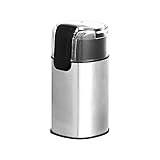
- Electric coffee bean grinder appliance for home use
- Can grind 30 grams/1 ounce of beans for drip coffee brewing in 10 seconds
- Grind coffee beans, herbs, spices, grains, nuts, and more
- Clear safety lid allows you to easily see the results in progress
- Heavy-duty stainless steel grind blade
What this page does NOT cover (and where to go next)
- Detailed scientific studies on caffeine’s long-term effects on fat storage. (Look for academic journals).
- Specific recommendations for coffee-based diet plans. (Consult a registered dietitian).
- The precise chemical breakdown of coffee compounds and their metabolic impacts. (Explore biochemistry resources).
- Nutritional information for every single coffee drink variation. (Check brand websites or nutritional databases).
- Medical advice for weight loss or hormonal imbalances. (See a healthcare professional).