
The Source of Caffeine in Your Coffee
Quick Answer
- Caffeine is a natural stimulant found in coffee beans.
- It’s present in the coffee plant’s leaves, seeds, and fruit.
- Roasting doesn’t create caffeine; it just changes the bean’s chemistry.
- Different coffee species have varying caffeine levels.
- Brewing method and grind size can influence how much caffeine ends up in your cup.
Key Terms and Definitions
- Caffeine: A naturally occurring stimulant found in coffee beans, tea leaves, and cacao pods. It’s a psychoactive drug.
- Arabica: A species of coffee plant known for its aromatic and nuanced flavor. Generally has less caffeine than Robusta.
- Robusta: Another major species of coffee plant, typically bolder and more bitter. It packs a bigger caffeine punch.
- Bean: The seed of the coffee plant’s fruit, which we roast and grind for brewing.
- Stimulant: A substance that raises levels of physiological or nervous system activity. Think of it as a gentle nudge.
- Alkaloid: A group of naturally occurring chemical compounds containing basic nitrogen atoms. Caffeine is one.
- Roasting: The process of heating coffee beans to develop their flavor and aroma. It doesn’t add caffeine.
- Extraction: The process of dissolving soluble compounds from ground coffee beans into water. This is where caffeine comes out.
- Decaffeination: A process to remove most of the caffeine from coffee beans before roasting. Not 100% removal.
- Species: A fundamental category of classification in biology. Coffee has several, with Arabica and Robusta being the main ones.
Understanding the different coffee species is key to caffeine content. For instance, Robusta beans are known for packing a bigger caffeine punch than Arabica. If you’re curious about exploring these variations, you can find a variety of coffee species to try.

- ATLAS COFFEE CLUB’S COFFEE WORLD TOUR: Consider us your Coffee Tour Guides! Our World of Coffee sampler box includes 4, 1.8-ounce bags of specialty coffee from 4 different countries. As a bonus, we include picturesque post cards from each country and tasting note cards for each roast!
- GIFTS: This gourmet coffee gift set is perfect for any holiday! Know someone that loves coffee? Gift them the world.
- EXCEPTIONAL QUALITY GUARANTEED: From the world's most prominent coffee producing countries to coffees you can't find anywhere else––we curate the Top 1% of the world's best coffee. Artfully roast each batch to accentuate flavors unique to the region. And deliver it fresh. Guaranteed.
- BUILDING A BETTER WORLD: Together, in your pursuit of delicious coffee with Atlas you’re supporting coffee quality, passionate farmers, and sustainability. We pay well above market prices for our coffee, helping to ensure ethically sustainable farming practices year over year.
- ABOUT US: Our coffees are exceptionally sourced from around the world and freshly roasted in Austin, Texas. Our mission is to connect you to the world's best coffee. Come explore the world one cup at a time!
How Coffee Gets Its Caffeine
- Caffeine is a natural chemical compound produced by the coffee plant itself. Think of it as the plant’s built-in defense mechanism or maybe just a byproduct of its growth.
- It’s primarily stored in the coffee bean, which is actually the seed of the coffee cherry.
- The amount of caffeine is determined by the coffee plant’s genetics.
- Different species of coffee plants naturally produce different levels of caffeine. Robusta beans, for example, are bred to have more.
- When you roast coffee beans, the caffeine content doesn’t increase. Roasting changes the bean’s structure and flavor, but the caffeine molecule itself is pretty stable.
- During brewing, hot water acts as a solvent. It dissolves the caffeine (and hundreds of other compounds) from the ground coffee into the liquid. This is extraction.
- The longer the coffee grounds are in contact with water, and the hotter the water, the more caffeine can be extracted.
- Finer grinds have more surface area, which can also lead to more efficient caffeine extraction.
- So, it’s not magic. It’s chemistry and physics at play, all starting with that bean.
What Affects Caffeine in Your Cup
- Coffee Bean Species: This is a big one. Robusta beans can have nearly twice the caffeine of Arabica. If you’re chasing caffeine, you might look for blends with Robusta.
- Roast Level: Contrary to popular belief, darker roasts don’t have more caffeine. In fact, caffeine is pretty heat-stable, so lighter roasts might have slightly more by weight because less of the bean has burned off. But by volume, it’s often similar.
- Grind Size: Finer grinds expose more surface area to water, leading to faster and more complete extraction of caffeine. Think espresso versus French press.
- Brewing Method: Methods like espresso use high pressure and fine grinds, leading to a concentrated shot with a good amount of caffeine per ounce. Drip coffee, with longer contact time, can yield more caffeine overall, even if it’s less concentrated.
- Water Temperature: Hotter water extracts caffeine more effectively. Most brewers aim for around 195-205°F (90-96°C). Too cool, and you won’t get all the good stuff.
- Brew Time (Contact Time): The longer the water is in contact with the coffee grounds, the more caffeine can be extracted. This is why cold brew, with its long steep time, can be surprisingly caffeinated, even though it uses cold water.
- Coffee-to-Water Ratio: Using more coffee grounds relative to water will naturally result in a more caffeinated brew, assuming all other factors are equal.
- Freshness of Beans: While caffeine itself is stable, the oils and aromas that contribute to flavor degrade over time. Very old beans might have slightly less accessible caffeine, but it’s usually not a huge factor compared to other elements.
- Bean Density: Denser beans might hold slightly more caffeine, but this is usually a minor factor.
- Processing Method: How the coffee cherry is processed after picking can have minor effects, but it’s generally less significant than species or roast.
- Decaf Coffee: Even “decaf” coffee still contains a small amount of caffeine, usually around 3-5%. It’s not zero.
- Serving Size: Obvious, but important. A bigger mug of coffee will have more caffeine than a small espresso shot, even if the espresso is more concentrated.
Even when you opt for decaf, it’s important to know that decaffeinated coffee still contains a small amount of caffeine, typically around 3-5%. If you’re looking for options with minimal caffeine, exploring decaffeinated coffee is a good starting point.
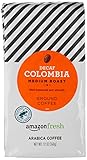
- Balanced, full-bodied medium roast with a smooth finish
- One 12-ounce bag of ground coffee
- Decaffeinated
- 100% Arabica coffee grown in Colombia
- Roasted and packed in the U.S.A.
Your choice of coffee brewing method significantly impacts how much caffeine ends up in your cup. Methods like espresso, with their fine grinds and pressure, deliver a concentrated caffeine hit per ounce. Exploring different coffee brewing methods can help you tailor your caffeine intake.

- Pour Over Coffee: Manual Pour Over Coffee Maker allows you to brew an excellent cup of Coffee in minutes
- Stainless steel: Includes a new and improved permanent, stainless steel mesh filter that helps extract your coffee's aromatic oils and subtle flavors instead of being absorbed by a paper filter
- Coffee Carafe: Made of durable, heat-resistant borosilicate glass with Cork Band detailing that is both functional and elegant; single wall
- Quick and Easy: Simply add coarse ground Coffee to filter, pour a small amount of water in a circular motion over ground Coffee until soaked then add the remaining water and let drip
- Servings: Pour Over Coffee Maker makes 8 cups of Coffee, 4 oz each; dishwasher safe
Pros, Cons, and When It Matters
- Pro: The Energy Boost: Caffeine is a stimulant. It blocks adenosine, a neurotransmitter that makes you feel tired. This is why most people drink coffee in the first place.
- Con: Jitters and Anxiety: Too much caffeine can lead to nervousness, restlessness, and even anxiety in sensitive individuals. It’s a fine line.
- Pro: Improved Focus and Alertness: Caffeine can sharpen cognitive function, improve reaction times, and boost short-term memory. Great for early mornings or late-night projects.
- Con: Sleep Disruption: Consuming caffeine too close to bedtime can mess with your sleep cycle. Your mileage may vary, but it’s a common issue.
- Pro: Potential Health Benefits: Studies suggest caffeine and coffee may be linked to a reduced risk of certain diseases, like Parkinson’s and type 2 diabetes. More research is always ongoing.
- Con: Digestive Issues: For some, coffee can cause heartburn or upset stomach, especially on an empty stomach. Acidity plays a role here too.
- Pro: Flavor Enhancement: Caffeine itself has a slightly bitter taste, which contributes to the overall flavor profile of coffee. It balances out some of the sweetness and acidity.
- Con: Dependency and Withdrawal: Regular heavy caffeine use can lead to physical dependence. Skipping your usual dose can result in headaches, fatigue, and irritability.
- When it Matters: Morning Routine: For many, caffeine is the essential kickstart needed to face the day. It’s the cornerstone of the “I need coffee” ritual.
- When it Matters: Productivity: During long workdays, study sessions, or creative endeavors, caffeine can provide the sustained focus needed to get things done.
- When it Matters: Socializing: Coffee shops are hubs for connection. The ritual of sharing a cup, caffeinated or not, is a social lubricant.
- When it Matters: Athletic Performance: Caffeine is a known ergogenic aid, meaning it can improve physical performance by reducing perceived exertion and increasing endurance.
Common Misconceptions
- Myth: Darker roasts have more caffeine. Nope. Lighter roasts often have slightly more caffeine by weight. The difference is usually minimal, though.
- Myth: Caffeine is only in coffee beans. False. It’s also in tea leaves, cacao beans (chocolate!), and kola nuts.
- Myth: Roasting creates caffeine. Not at all. Caffeine is naturally present in the green bean. Roasting just unlocks the flavor.
- Myth: Decaf coffee has zero caffeine. Not true. Decaffeination removes most of it, but a small amount always remains.
- Myth: You can “burn off” caffeine quickly. Caffeine’s half-life is several hours. You can’t speed up its metabolism significantly through exercise.
- Myth: All coffee drinks have the same amount of caffeine. Big nope. An espresso shot is concentrated, but a large drip coffee often has more total caffeine.
- Myth: Caffeine is inherently bad for you. For most healthy adults, moderate caffeine intake is fine and even has benefits. It’s about moderation and individual sensitivity.
- Myth: Cold brew has less caffeine because it’s cold. Actually, cold brew’s long steep time often results in a higher caffeine concentration, sometimes even more than hot coffee.
- Myth: Caffeine is addictive like hard drugs. While you can develop a dependence, caffeine addiction is generally considered mild compared to more serious substance abuse issues.
- Myth: The bitterness of coffee is solely from caffeine. Caffeine contributes some bitterness, but other compounds created during roasting and brewing are also responsible for that characteristic taste.
FAQ
- What is the primary source of caffeine in coffee?
The caffeine molecule itself is naturally present in the coffee bean, which is the seed of the coffee plant. It’s a chemical compound produced by the plant.
- Does the type of coffee bean matter for caffeine content?
Absolutely. Robusta beans generally contain significantly more caffeine than Arabica beans. This is a key factor in caffeine levels.
- How does roasting affect caffeine levels?
Roasting doesn’t create or destroy much caffeine. It’s a very stable molecule. The primary effect of roasting is on flavor development.
- Can I tell how much caffeine is in my coffee just by looking at it?
No. You can’t visually determine caffeine content. Factors like bean type, roast, grind, and brew method all play a role.
- Is caffeine harmful?
For most healthy adults, moderate caffeine intake is safe and can even have health benefits. Excessive consumption can lead to negative side effects.
- Does decaf coffee have any caffeine?
Yes, decaffeinated coffee still contains a small residual amount of caffeine, typically around 3-5%. It’s not completely caffeine-free.
- What’s the difference in caffeine between espresso and drip coffee?
Espresso is highly concentrated, meaning more caffeine per ounce. However, a standard large cup of drip coffee often contains more total caffeine because you drink more of it.
- Does the water temperature affect caffeine extraction?
Yes, hotter water is more efficient at extracting caffeine from coffee grounds. Most brewing methods aim for a specific temperature range for optimal extraction.
- Can I reduce the caffeine in my coffee at home?
Not really, beyond choosing decaf beans or brewing a weaker cup by using less coffee. The caffeine is inherent to the bean.
What This Page Does Not Cover (and Where to Go Next)
- Specific caffeine content of individual coffee brands or blends. (Check product packaging or manufacturer websites.)
- Detailed scientific breakdown of caffeine’s molecular structure and metabolism. (Look for biochemistry or pharmacology resources.)
- The history of coffee cultivation and its global impact. (Explore historical texts or agricultural studies.)
- Advanced brewing techniques for specific flavor profiles. (Research barista guides or specialty coffee resources.)
- The legal and regulatory aspects of caffeine in food and beverages. (Consult food safety or regulatory agency information.)