
Why Coffee Makes You Jittery All Day
Quick answer
- Caffeine is the primary compound in coffee responsible for its stimulating effects, including jitters.
- Individual sensitivity to caffeine varies greatly due to genetics, metabolism, and other factors.
- The amount of caffeine consumed, brewing method, and even the type of coffee bean can influence the intensity of jitters.
- Factors like stress, lack of sleep, and certain medications can amplify caffeine’s effects, leading to prolonged jitters.
- Adjusting your coffee intake, brewing method, or even the time of day you drink coffee can help manage jitters.
Key terms and definitions
- Caffeine: A natural stimulant found in coffee beans, tea leaves, and other plants, known for its ability to increase alertness and energy.
- Adenosine: A neurotransmitter in the brain that promotes relaxation and sleepiness. Caffeine blocks adenosine receptors.
- Metabolism: The chemical processes that occur within a living organism in order to maintain life. This includes how your body breaks down and processes caffeine.
- Half-life: The time it takes for the amount of a substance (like caffeine) in the body to be reduced by half. For caffeine, this can range from 2 to 10 hours.
- Tolerance: The diminished response to a drug after prolonged exposure. Regular coffee drinkers may develop a tolerance to caffeine’s effects.
- Withdrawal: Symptoms experienced when a person stops taking a substance to which they have become accustomed. This can include headaches and fatigue.
- Brewing Method: The technique used to extract flavor and caffeine from coffee grounds, such as drip, French press, or espresso.
- Roast Level: The degree to which coffee beans have been heated during the roasting process, affecting flavor, aroma, and caffeine content.
- Arabica vs. Robusta: Two primary species of coffee beans. Robusta generally contains significantly more caffeine than Arabica.
- Decaffeination: A process that removes most of the caffeine from coffee beans, though a small amount typically remains.
How it works
- Coffee beans contain caffeine, a psychoactive stimulant that affects the central nervous system.
- When you consume coffee, caffeine is absorbed into your bloodstream.
- Caffeine primarily works by blocking adenosine receptors in your brain.
- Adenosine is a neurotransmitter that signals tiredness and promotes relaxation.
- By blocking adenosine, caffeine prevents these signals, leading to increased alertness and reduced feelings of fatigue.
- This increased neural activity can also stimulate the release of adrenaline, the “fight or flight” hormone.
- Adrenaline can cause a rapid heart rate, increased blood pressure, and muscle tension, contributing to jitters.
- The effects of caffeine can last for several hours, depending on your body’s metabolism.
- Your liver metabolizes caffeine, breaking it down into various compounds that are then eliminated from the body.
- The rate at which your liver processes caffeine directly impacts how long its stimulating effects, including jitters, will last.
What affects the result
- Caffeine Content: The inherent amount of caffeine in the coffee beans used, which can vary by species (Robusta typically has more than Arabica) and growing conditions.
- Roast Level: While often thought to affect caffeine, darker roasts can sometimes have slightly less caffeine by weight due to the roasting process, though flavor is more impacted.
- Brewing Method: Different methods extract caffeine at different rates and efficiencies. For example, espresso, due to pressure and fine grind, can yield a concentrated dose.
- Grind Size: A finer grind increases the surface area, allowing for more efficient extraction of caffeine and flavor during brewing.
- Water Temperature: Water that is too hot can over-extract bitter compounds, while water that is too cool may under-extract caffeine and flavor. Optimal brewing temperatures are typically between 195-205°F.
- Brew Time: The duration of contact between water and coffee grounds. Longer brew times can lead to higher caffeine extraction.
- Coffee-to-Water Ratio: Using more coffee grounds relative to water will result in a more concentrated brew, potentially increasing the caffeine you consume per serving.
- Freshness of Beans: Stale beans can lose some volatile compounds, potentially affecting flavor more than caffeine extraction efficiency, but very old beans might have degraded caffeine.
- Individual Sensitivity: Genetic factors influence how quickly your body metabolizes caffeine and how sensitive your brain receptors are to its effects.
- Other Consumables: Consuming coffee on an empty stomach can lead to faster absorption and more pronounced effects.
- Medications and Supplements: Certain medications can interact with caffeine metabolism, either speeding it up or slowing it down, thus affecting jitters.
- Sleep Deprivation: When you are tired, your body may be more sensitive to the stimulating effects of caffeine, amplifying jitters.
If you’re looking to manage your caffeine intake more precisely, consider exploring caffeine supplements. These can offer a more controlled way to get a boost without the variability of coffee brewing methods.
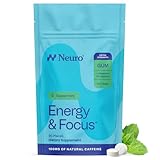
- Fast-Acting Nootropic - Our energy supplements deliver an extra boost of energy and clarity with a blend of natural caffeine, L-theanine, and vitamin b6 & b12. Your go-to chewing gum for work, exercise, and daily focus!
- Clean Energy - Each piece of our sugar free gum delivers 100mg of natural caffeine from green coffee beans for a smooth energy boost without crashes or jitters.
- The Perfect Balance - With 60mg of L-theanine per piece, our energy and focus formula promotes enhanced focus and stress reduction to smooth energy boosts.
- How to Use - Chew one piece of the caffeine gum whenever focus or energy is lacking. Ideal for mornings, pre-workout, or afternoon slumps. Effects typically kick in within minutes thanks to optimal absorption through the mouth.
- Made by Neuro, Backed by Science - At Neuro, we combine neuroscience with clean, science backed ingredients to help you do more, think better, and feel your best every single day.
Pros, cons, and when it matters
- Pro: Increased Alertness: Coffee can significantly boost focus and reduce feelings of fatigue, making it useful for tasks requiring sustained attention.
- Con: Jitters and Anxiety: For some, the stimulating effects can manifest as nervousness, shaky hands, or a racing heart, which can be unpleasant and counterproductive.
- Pro: Improved Physical Performance: Caffeine can enhance athletic performance by mobilizing fatty acids and improving endurance.
- Con: Sleep Disruption: Consuming coffee too late in the day can interfere with your natural sleep cycle, leading to insomnia and daytime tiredness.
- Pro: Antioxidant Properties: Coffee contains antioxidants that may offer some health benefits, though this is not directly related to jitters.
- Con: Digestive Issues: The acidity of coffee can trigger heartburn or upset stomachs in sensitive individuals.
- Pro: Social Ritual: Coffee breaks and meeting for coffee are common social activities, fostering connection and conversation.
- Con: Dependence and Withdrawal: Regular consumption can lead to physical dependence, with withdrawal symptoms like headaches if intake is stopped.
- Pro: Cognitive Enhancement: Beyond alertness, caffeine may temporarily improve certain aspects of cognitive function, like memory.
- Con: Exacerbation of Pre-existing Conditions: Individuals with anxiety disorders, heart conditions, or certain gastrointestinal issues may find coffee worsens their symptoms.
- When it Matters: Productivity: For tasks requiring intense focus, a moderate amount of coffee can be beneficial. However, excessive amounts can hinder productivity due to jitters.
- When it Matters: Social Settings: Enjoying a cup of coffee during a social gathering is generally a positive experience, but being mindful of personal caffeine limits is key.
- When it Matters: Before Sleep: It’s crucial to avoid coffee several hours before bedtime to ensure restful sleep.
Common misconceptions
- Myth: Darker roasts have more caffeine. While flavor changes significantly, caffeine content by weight is often similar or even slightly lower in darker roasts compared to lighter roasts.
- Myth: All coffee tastes the same. The origin, varietal, processing, roasting, and brewing method all contribute to a vast spectrum of flavors and aromas.
- Myth: Espresso has more caffeine than drip coffee. A shot of espresso is highly concentrated, but a standard cup of drip coffee often contains more total caffeine due to the larger serving size.
- Myth: Cold brew coffee is less acidic and therefore less stimulating. While cold brew is less acidic, the extraction process can still yield significant amounts of caffeine, sometimes even more than hot-brewed coffee.
- Myth: You can “sweat out” caffeine. Caffeine is metabolized by the liver and eliminated through urine. Sweating does not significantly impact caffeine levels.
- Myth: Caffeine is entirely bad for you. In moderation, caffeine has been linked to various health benefits and can be a useful tool for alertness and performance.
- Myth: Decaf coffee has zero caffeine. Decaffeination processes remove most, but not all, caffeine. A typical cup of decaf still contains a small amount.
- Myth: Coffee is dehydrating. While caffeine is a mild diuretic, the water in coffee typically offsets any dehydrating effect for moderate consumption.
- Myth: If you don’t feel jittery, you’re not getting caffeine. Individual sensitivity varies wildly. Some people can consume large amounts of caffeine with minimal noticeable effects.
- Myth: Adding cream or sugar reduces caffeine. These additions affect the flavor and caloric content but do not alter the amount of caffeine present in the coffee itself.
FAQ
Q1: Can coffee make you jittery all day if I only have one cup?
For most people, a single cup of coffee in the morning won’t cause jitters throughout the entire day. However, if you are particularly sensitive to caffeine, have a slow metabolism, or consume it later in the day, even one cup could lead to prolonged effects.
Q2: What is the typical half-life of caffeine in the body?
The half-life of caffeine varies significantly among individuals, typically ranging from 2 to 10 hours. This means it can take many hours for your body to process and eliminate half of the caffeine you’ve consumed.
Q3: Does the type of coffee bean affect how jittery I get?
Yes, the species of coffee bean plays a role. Robusta beans generally contain about twice as much caffeine as Arabica beans, so coffee made with Robusta is more likely to cause jitters.
Q4: How does brewing method influence caffeine levels and potential jitters?
Different brewing methods extract caffeine differently. For example, espresso uses high pressure and a fine grind for a quick, concentrated extraction, while a French press allows for a longer steep time, potentially yielding more caffeine in a larger cup.
Q5: Can stress or lack of sleep make me feel more jittery from coffee?
Absolutely. When you’re stressed or sleep-deprived, your body may be more sensitive to the stimulating effects of caffeine. This can amplify feelings of anxiety and jitters, even with your usual amount of coffee.
Q6: Is there a way to reduce jitters if I’ve already had too much coffee?
Staying hydrated with water can help. Some find that eating a balanced meal can slow caffeine absorption. Avoiding more caffeine and engaging in light physical activity might also help manage the feeling.
Q7: How can I tell if I’m developing a tolerance to coffee?
If you find you need more coffee than usual to achieve the same level of alertness, or if you don’t feel much effect from your regular dose, you may have developed a tolerance.
Q8: Does the temperature of the water used for brewing affect caffeine extraction?
Yes, water temperature is important. Water that is too hot can over-extract, leading to bitterness, while water that is too cool may not extract caffeine and flavor as efficiently. The ideal range is typically 195-205°F.
What this page does NOT cover (and where to go next)
- Specific caffeine content per ounce for every single coffee product on the market. (Next, check product packaging or manufacturer websites for precise figures).
- Detailed medical advice on caffeine’s impact on specific health conditions. (Next, consult with a healthcare professional for personalized guidance).
- Recommendations for specific coffee brands or grinders. (Next, explore reviews and guides focused on coffee equipment and bean sourcing).
- In-depth analysis of the chemical compounds in coffee beyond caffeine and adenosine. (Next, look for resources on coffee chemistry or food science).