
The Morning After: Coffee and Waking Up
Quick answer
- Caffeine in coffee can provide a temporary boost in alertness and reduce feelings of fatigue.
- However, the effects are not permanent and can be followed by a “crash” as caffeine wears off.
- For some individuals, regular coffee consumption can lead to tolerance, diminishing its wake-up effects over time.
- Disrupting sleep patterns by drinking coffee too late in the day can negatively impact overall wakefulness the following morning.
- The perceived wake-up benefit is highly individual, influenced by genetics, sleep quality, and overall health.
Key terms and definitions
- Caffeine: A natural stimulant found in coffee beans, known for its psychoactive effects on the central nervous system.
- Adenosine: A neurotransmitter that builds up in your brain throughout the day, promoting relaxation and sleepiness. Caffeine blocks adenosine receptors.
- Sleep Inertia: The groggy, disoriented feeling experienced immediately after waking up, which can be temporarily masked by caffeine.
- Tolerance: A phenomenon where the body adapts to a substance, requiring larger amounts to achieve the same effect.
- Withdrawal: Physical and mental symptoms experienced when regular caffeine intake is stopped or reduced.
- Circadian Rhythm: The body’s internal 24-hour clock that regulates sleep-wake cycles and other physiological processes.
- Sleep Debt: The cumulative effect of insufficient sleep over time, which can make you more reliant on stimulants.
- Half-life: The time it takes for the body to eliminate half of a substance, like caffeine, from the bloodstream.
How it works
- Coffee contains caffeine, a stimulant that primarily works by blocking adenosine receptors in the brain.
- Adenosine is a chemical that signals to your brain that it’s time to rest; by blocking it, caffeine makes you feel more alert.
- Caffeine also stimulates the release of other neurotransmitters like dopamine and norepinephrine, which further enhance alertness and mood.
- This chemical interaction temporarily overrides the body’s natural signals of fatigue.
- The effect is a reduction in perceived tiredness and an increase in focus and reaction time for a period.
- However, once caffeine is metabolized and its effects diminish, the accumulated adenosine can lead to a noticeable drop in energy, often called a “crash.”
- The timing of this crash depends on how quickly your body processes the caffeine.
- For some, this cycle can create a dependence on coffee to feel functional.
What affects the result
- Water Temperature: Ideal brewing temperatures (around 195-205°F) extract optimal flavor and caffeine. Water that is too cool may result in weak coffee, while water that is too hot can extract bitter compounds.
- Coffee Bean Freshness: Stale beans lose volatile aromatic compounds and may not provide the same stimulating effect or flavor profile as freshly roasted beans.
- Grind Size: The coarseness or fineness of your coffee grounds impacts how quickly water can extract compounds. Finer grinds generally lead to stronger extraction, while coarser grinds result in a lighter brew.
- Brewing Method: Different methods (drip, French press, espresso) extract caffeine and flavor at varying rates and intensities. Espresso, for example, is highly concentrated.
- Coffee-to-Water Ratio: The proportion of coffee grounds to water significantly influences the strength and caffeine content of the final cup. A higher ratio generally means more caffeine per ounce.
- Individual Metabolism: People metabolize caffeine at different rates due to genetic factors, affecting how long its stimulating effects last and when the crash occurs.
- Sleep Quality: If you are chronically sleep-deprived, the temporary boost from coffee may be less effective, and you might feel the subsequent dip more acutely.
- Tolerance Buildup: Regular, high consumption of caffeine can lead to tolerance, meaning you need more coffee to achieve the same level of alertness.
- Time of Consumption: Drinking coffee too close to bedtime can disrupt your natural sleep cycle, leading to poorer sleep quality and increased grogginess the next day.
- Additives: Milk, cream, and sugar can affect how quickly caffeine is absorbed and can also influence overall energy levels.
Pros, cons, and when it matters
- Pro: Temporary Alertness Boost: Coffee can effectively combat immediate feelings of tiredness, making it useful for early mornings or when facing demanding tasks.
- Con: The “Crash”: As caffeine wears off, the accumulated adenosine can lead to a sudden dip in energy and focus, sometimes worse than the initial fatigue.
- Pro: Improved Cognitive Function: For many, coffee can temporarily enhance concentration, memory, and reaction time, beneficial for work or study.
- Con: Sleep Disruption: Consuming coffee late in the day can interfere with falling asleep and reduce the quality of sleep, leading to worse fatigue the following day.
- Pro: Mood Enhancement: Caffeine can stimulate the release of dopamine, potentially leading to a temporary improvement in mood.
- Con: Dependence and Withdrawal: Regular use can lead to physical dependence, with withdrawal symptoms like headaches, fatigue, and irritability if intake is stopped.
- Pro: Ritual and Social Aspect: The act of preparing and drinking coffee can be a comforting and enjoyable part of a morning routine.
- Con: Digestive Issues: For some individuals, coffee can cause stomach upset, heartburn, or other digestive discomfort.
- Pro: May Improve Physical Performance: Caffeine is a known ergogenic aid that can enhance athletic performance in some individuals.
- Con: Anxiety and Jitters: Excessive consumption can lead to feelings of nervousness, anxiety, rapid heart rate, and jitters.
- Matters for: Students facing exams, shift workers, drivers on long journeys, or anyone needing a short-term cognitive lift.
- Matters against: Individuals sensitive to stimulants, those with sleep disorders, or people prone to anxiety.
While coffee is a popular choice, if you’re looking for a more direct and consistent way to manage your energy levels, consider caffeine supplements. They offer a straightforward way to get a boost without the complexities of brewing or potential digestive issues associated with coffee.
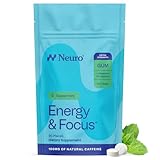
- Fast-Acting Nootropic - Our energy supplements deliver an extra boost of energy and clarity with a blend of natural caffeine, L-theanine, and vitamin b6 & b12. Your go-to chewing gum for work, exercise, and daily focus!
- Clean Energy - Each piece of our sugar free gum delivers 100mg of natural caffeine from green coffee beans for a smooth energy boost without crashes or jitters.
- The Perfect Balance - With 60mg of L-theanine per piece, our energy and focus formula promotes enhanced focus and stress reduction to smooth energy boosts.
- How to Use - Chew one piece of the caffeine gum whenever focus or energy is lacking. Ideal for mornings, pre-workout, or afternoon slumps. Effects typically kick in within minutes thanks to optimal absorption through the mouth.
- Made by Neuro, Backed by Science - At Neuro, we combine neuroscience with clean, science backed ingredients to help you do more, think better, and feel your best every single day.
Common misconceptions
- Myth: Coffee instantly makes you fully awake. While it provides a boost, true rest and recovery come from adequate sleep.
- Myth: All coffee has the same amount of caffeine. Caffeine content varies significantly by bean type, roast, brewing method, and serving size.
- Myth: Coffee can replace sleep. Caffeine can mask fatigue but does not provide the restorative benefits of actual sleep.
- Myth: Drinking coffee always leads to a crash. The severity of the crash depends on individual metabolism, tolerance, and how much caffeine was consumed.
- Myth: Dark roast coffee has more caffeine. Generally, lighter roasts retain more caffeine, though this can vary.
- Myth: Cold brew is less caffeinated than hot coffee. Cold brew often has a higher caffeine concentration due to the higher coffee-to-water ratio and longer brewing time.
- Myth: You can “out-drink” your sleepiness. While caffeine helps, chronic sleep deprivation has long-term health consequences that coffee cannot fix.
- Myth: Decaf coffee has zero caffeine. Decaffeinated coffee still contains a small amount of caffeine, though significantly less than regular coffee.
FAQ
Q: Does coffee make you feel worse when you wake up if you drink it too late?
A: Yes, drinking coffee too close to bedtime can disrupt your natural sleep cycle. This can lead to less restorative sleep, making you feel groggier and more tired the next morning, even if you feel you slept long enough.
Q: Can I build up a tolerance to the wake-up effects of coffee?
A: Absolutely. Regular, consistent consumption of caffeine can lead to tolerance. This means your body adapts, and you may need to drink more coffee to achieve the same level of alertness you once experienced with a smaller amount.
Q: What is the “coffee crash” and why does it happen?
A: The coffee crash is the period of fatigue and reduced focus that occurs as the stimulant effects of caffeine wear off. It happens because caffeine temporarily blocks adenosine, a chemical that promotes sleepiness. Once caffeine is metabolized, the accumulated adenosine can make you feel even more tired than before.
Q: How long does caffeine stay in my system?
A: The half-life of caffeine is typically around 5 hours, but this can vary significantly from person to person. This means half of the caffeine you consume might still be in your system several hours later, potentially impacting sleep if consumed too late in the day.
Q: Is there a point where drinking more coffee actually makes me feel worse?
A: Yes. Consuming too much caffeine can lead to negative side effects like anxiety, jitters, rapid heart rate, and digestive upset. For some, this can outweigh any perceived benefits of alertness and make them feel generally unwell.
Q: Can coffee help with sleep inertia?
A: Coffee can temporarily mask the symptoms of sleep inertia, the grogginess felt immediately after waking. However, it doesn’t address the underlying cause of sleep inertia, which is often related to insufficient or poor-quality sleep.
What this page does NOT cover (and where to go next)
- Detailed breakdowns of specific coffee bean origins and their caffeine levels.
- In-depth analysis of the chemical compounds in coffee beyond caffeine and adenosine.
- Specific health claims or medical advice regarding coffee consumption.
- Comparisons of commercial coffee maker brands or brewing equipment.
- Recipes for coffee-based beverages.