
Can Drinking Too Much Coffee Lead To Fatigue?
Quick Answer
- Yes, drinking too much coffee can paradoxically lead to fatigue.
- This is often due to a caffeine crash after the stimulant effect wears off.
- Tolerance can build up, meaning you need more caffeine to feel the same effect.
- Dehydration, a common side effect of caffeine, can also cause tiredness.
- Disrupting your natural sleep cycle with late-day caffeine intake is a major cause of fatigue.
- Underlying health conditions can be exacerbated by excessive caffeine.
Key Terms and Definitions
- Caffeine: A natural stimulant found in coffee beans, tea leaves, and cocoa beans, known for its ability to increase alertness and reduce fatigue.
- Adenosine: A neurotransmitter in your brain that promotes relaxation and sleepiness. Caffeine blocks adenosine receptors.
- Caffeine Crash: The period of fatigue and low energy that can occur after the stimulating effects of caffeine wear off.
- Caffeine Tolerance: A physiological adaptation where the body requires higher doses of caffeine to achieve the same stimulant effects over time.
- Dehydration: A condition where the body loses more fluid than it takes in, which can lead to fatigue, headaches, and reduced cognitive function.
- Sleep Cycle: The natural pattern of sleep and wakefulness regulated by your body’s internal clock (circadian rhythm).
- Stimulant: A substance that raises levels of physiological or nervous system activity in the body.
- Withdrawal Symptoms: Physical and mental effects experienced when someone stops consuming a substance they have become dependent on, which can include fatigue.
- Circadian Rhythm: The body’s internal 24-hour clock that regulates sleep-wake cycles and other physiological processes.
- Cortisol: A stress hormone that can be temporarily boosted by caffeine, but chronic overstimulation can lead to adrenal fatigue.
How Coffee Affects Your Energy Levels
- Coffee contains caffeine, a psychoactive stimulant that blocks adenosine receptors in your brain. Adenosine is a neurotransmitter that signals tiredness and promotes sleep.
- By blocking adenosine, caffeine prevents you from feeling sleepy and increases alertness and focus.
- Caffeine also stimulates the release of adrenaline, the “fight or flight” hormone, which further enhances energy and can lead to a temporary feeling of invigoration.
- This increased alertness and energy can mask underlying fatigue, making you feel more productive than you actually are.
- As the caffeine is metabolized by your body, its effects begin to diminish.
- When the caffeine wears off, the accumulated adenosine can bind to its receptors, leading to a noticeable drop in energy, often referred to as a “caffeine crash.”
- This crash can leave you feeling more tired than you were before you drank the coffee.
- Regular, high consumption can lead to your body becoming accustomed to the presence of caffeine.
- This means you may need to drink more coffee to achieve the same level of alertness, creating a cycle of increasing intake.
- Over time, your natural energy production mechanisms might become less efficient, relying more heavily on external stimulants.
What Affects Your Reaction To Coffee and Fatigue
- Amount Consumed: The more coffee you drink, the more pronounced the stimulant effect and the subsequent crash are likely to be.
- Individual Sensitivity: People metabolize caffeine at different rates due to genetic factors, influencing how long its effects last and the intensity of any crash.
- Time of Consumption: Drinking coffee too late in the day can interfere with your natural sleep patterns, leading to poor sleep quality and daytime fatigue.
- Hydration Levels: Caffeine is a mild diuretic, meaning it can increase urine production. If you don’t drink enough water, this can lead to dehydration, a common cause of tiredness.
- Sleep Quality: If you are already sleep-deprived, caffeine might provide a temporary boost but won’t address the root cause of your fatigue. Poor sleep makes you more susceptible to the negative effects of caffeine.
- Caffeine Tolerance: Regular coffee drinkers develop a tolerance, requiring more caffeine to feel its effects. This can lead to a cycle of increased consumption and potential withdrawal symptoms like fatigue.
- Diet and Nutrition: A balanced diet supports your body’s natural energy production. Poor nutrition can make you more prone to fatigue, and caffeine might only offer a short-lived masking effect.
- Stress Levels: High stress can deplete your energy reserves. Relying on coffee to combat stress-induced fatigue can exacerbate the problem by further taxing your system.
- Underlying Health Conditions: Certain medical conditions, such as anemia, thyroid issues, or chronic fatigue syndrome, can cause persistent tiredness that coffee cannot resolve and may even worsen.
- Medications: Some medications can interact with caffeine, affecting its metabolism or potentiating its side effects, including fatigue.
- Physical Activity: Regular exercise boosts natural energy levels. A sedentary lifestyle can contribute to feelings of fatigue, making the temporary lift from coffee more tempting but less sustainable.
- Genetics: Your genes play a role in how quickly you metabolize caffeine and how sensitive your body is to its effects, influencing your likelihood of experiencing fatigue.
Since caffeine is a mild diuretic, it’s important to stay hydrated. Consider keeping a water bottle handy throughout the day to combat potential dehydration.

Owala FreeSip Sway Insulated Stainless Steel Water Bottle with Two-Way Spout, Built-In Straw and Bucket Handle, Made for Travel, School, and Sports, 30oz, BPA Free, Leak Proof, Black Cherry
- 30-ounce insulated stainless steel water bottle with extra features: includes a 2-in-1 spout that lets you choose how you drink; push-button, leak-proof lid that locks for all your adventures
- Choose your sip style—straw or swig: Patented 2-in-1 FreeSip spout is one of a kind; it lets you sip upright through the built-in straw or swig by tilting back the spout
- Hygienic push-button lid and easy carry handle: closed lid keeps spout covered and clean between sips; ergonomic bucket handle makes transport easy for sports, campsites, road trips, school, and work
- Keeps water cold and fits where you need: Triple-layer insulation keeps drinks colder up to 24 hours; wide opening for easy cleaning and extra ice; cupholder friendly base fits most car cupholders
- Safe materials and simple care instructions: BPA, lead, and phthalate-free for safe drinking; hand wash the cup,lid is dishwasher safe and can be easily disassembled; not for use with hot liquids
Pros, Cons, and When It Matters
- Pro: Increased Alertness and Focus: Coffee can temporarily enhance cognitive functions, making it useful for tasks requiring concentration. This is beneficial for demanding work or study sessions.
- Con: Caffeine Crash: The subsequent dip in energy after the stimulant effect wears off can lead to significant fatigue, reduced productivity, and irritability. This matters when you need sustained energy throughout the day.
- Pro: Improved Physical Performance: Caffeine can boost endurance and reduce perceived exertion during exercise. This is advantageous for athletes or those engaging in strenuous physical activity.
- Con: Sleep Disruption: Consuming coffee, especially in the afternoon or evening, can interfere with your ability to fall asleep and reduce sleep quality. This is critical for overall health and energy levels.
- Pro: Potential Health Benefits: Moderate coffee consumption has been linked to a reduced risk of certain diseases. This is a long-term benefit for those who enjoy coffee in moderation.
- Con: Dependency and Withdrawal: Regular high intake can lead to dependence, with withdrawal symptoms like headaches and fatigue when consumption stops. This impacts daily functioning for dependent individuals.
- Pro: Mood Enhancement: Caffeine can temporarily lift mood and reduce feelings of depression for some individuals. This can be a welcome, albeit temporary, boost.
- Con: Anxiety and Jitters: For sensitive individuals, too much caffeine can cause anxiety, restlessness, and physical jitters. This is a negative outcome for those prone to these reactions.
- Pro: Social Ritual: Coffee is a common social lubricant and a pleasant ritual for many. This aspect contributes to well-being and connection.
- Con: Digestive Issues: Coffee can trigger heartburn or upset stomach in some people, especially on an empty stomach. This is a concern for individuals with sensitive digestive systems.
- Pro: Antioxidant Properties: Coffee beans contain antioxidants that may offer protective health effects. This is a subtle benefit that contributes to overall health.
- Con: Dehydration Risk: As a mild diuretic, excessive coffee intake without adequate water can lead to dehydration and subsequent fatigue. This is a practical concern for maintaining hydration.
If you’re looking for a way to manage your energy levels without the jitters, you might explore caffeine supplements. These can offer a more controlled dose compared to coffee.
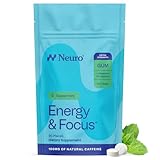
Neuro Energy & Focus Gum, Extra Strength - 100mg Natural Caffeine Gum & Nootropic Energy Supplement with L-Theanine & B Vitamins - Sugar Free, Vegan - Spearmint, 90ct
- Fast-Acting Nootropic - Our energy supplements deliver an extra boost of energy and clarity with a blend of natural caffeine, L-theanine, and vitamin b6 & b12. Your go-to chewing gum for work, exercise, and daily focus!
- Clean Energy - Each piece of our sugar free gum delivers 100mg of natural caffeine from green coffee beans for a smooth energy boost without crashes or jitters.
- The Perfect Balance - With 60mg of L-theanine per piece, our energy and focus formula promotes enhanced focus and stress reduction to smooth energy boosts.
- How to Use - Chew one piece of the caffeine gum whenever focus or energy is lacking. Ideal for mornings, pre-workout, or afternoon slumps. Effects typically kick in within minutes thanks to optimal absorption through the mouth.
- Made by Neuro, Backed by Science - At Neuro, we combine neuroscience with clean, science backed ingredients to help you do more, think better, and feel your best every single day.
Common Misconceptions About Coffee and Fatigue
- Myth: Coffee is a substitute for sleep. While it can mask sleepiness temporarily, coffee does not provide the restorative benefits of actual sleep.
- Myth: Everyone reacts to caffeine the same way. Individual genetics, tolerance, and metabolism mean responses to coffee vary significantly.
- Myth: Decaf coffee has no effect on energy. Decaffeinated coffee still contains trace amounts of caffeine, which can affect sensitive individuals.
- Myth: You can’t be tired if you’ve had enough coffee. Your body can still be fatigued even if caffeine is masking the signals of tiredness.
- Myth: Coffee is inherently unhealthy. Moderate coffee consumption is associated with various health benefits and is not inherently detrimental.
- Myth: The caffeine crash is inevitable and unavoidable. Managing intake, timing, and hydration can significantly mitigate the severity of the crash.
- Myth: Coffee directly causes chronic fatigue. While it can contribute to cycles of fatigue, it’s usually a combination of factors rather than coffee being the sole cause of chronic fatigue.
- Myth: More coffee always means more productivity. Beyond a certain point, excessive caffeine can lead to diminishing returns, increased errors, and anxiety, hindering productivity.
- Myth: You can “power through” any level of fatigue with coffee. This approach can lead to burnout and exacerbate underlying issues.
- Myth: Coffee is the only reason people feel tired. Many other factors, including diet, stress, and medical conditions, contribute to fatigue.
FAQ
- Q: How much coffee is too much?
- For most healthy adults, up to 400 milligrams of caffeine per day (about 4 cups of brewed coffee) is generally considered safe. Exceeding this can increase the risk of negative side effects like fatigue.
- Q: What is a caffeine crash, and why does it happen?
- A caffeine crash is a sudden drop in energy after the stimulant effects of caffeine wear off. It happens because caffeine blocks adenosine, a chemical that makes you feel tired. When caffeine leaves your system, adenosine can bind to its receptors, leading to a wave of tiredness.
- Q: Can drinking coffee in the morning prevent me from feeling tired later?
- A morning cup can boost alertness, but relying on it solely to combat later fatigue might lead to a crash. It’s more effective to address the underlying reasons for your tiredness, such as sleep.
- Q: Does decaf coffee cause fatigue?
- Decaffeinated coffee contains very small amounts of caffeine. While much lower, it can still affect highly sensitive individuals or if consumed in very large quantities, potentially leading to mild effects.
- Q: How can I avoid the caffeine crash?
- To minimize the crash, consider drinking coffee earlier in the day, staying hydrated with water, eating a balanced meal, and avoiding excessive caffeine intake. Some people find that pairing coffee with a small snack can help.
- Q: Is it normal to feel more tired after drinking coffee?
- Yes, it’s a common experience, especially if you’ve consumed a large amount or are sensitive to caffeine. This is often the caffeine crash as the stimulant wears off.
- Q: Can coffee make me dehydrated and tired?
- Caffeine is a mild diuretic, meaning it can increase fluid loss. If you don’t compensate by drinking enough water, this can lead to dehydration, which is a direct cause of fatigue.
- Q: What should I do if I feel tired despite drinking coffee?
- If you’re tired even after coffee, it’s a sign your body needs rest or is signaling an underlying issue. Prioritize sleep, ensure you’re hydrated, and consider if you’ve consumed too much caffeine or if there’s another health reason for your fatigue.
If you find yourself struggling with fatigue despite your coffee intake, it might be a sign that your sleep cycle is disrupted. A good sleep mask can help create a more restful environment.

LitBear Sleep Mask for Side Sleeper Women Men, Eye Mask for Sleeping Light Blocking, 3D Contoured Cup Sleeping Mask, Soft Breathable Sleep Eye Mask with Adjustable Elastic Strap for Travel
- No light Leakage: With the heightened 22 mm adaptive hollow nose bridge, LitBear sleep mask fully fits all nose shapes, helps improve sleep, and gets longer deep sleep
- Completely Block Light for Side Sleeper: New design of 15° tilt angle ultra-thin sides of the eye mask for sleeping which can reduce 90% pressure on your temples. Sleep more comfortably when is on your side, a perfect light-blocking sleeping mask for back and stomach sleepers
- Blinking Freely: Deep 12 mm 3D contoured cup eye sockets leave larger space for blinking, maintaining your beautiful eye makeup without pressure on your eyes. This sleep mask for women and men will be a good choice for you
- Comfortable and Soft: Made of smooth cooling fabric lining and premium 6-layer low rebound soft memory foam make the sleep eye mask breathable and lightweight, comfortable for travel, nap, flight, camping, and Yoga
- Adjustable: Easy to adjust the elastic buckle strap from 20.5 to 26.5 inches and fits snuggly, is suitable for any sleeping position and stays in place
What This Page Does Not Cover (And Where to Go Next)
- Specific recommendations for caffeine intake based on medical conditions or pregnancy. Consult a healthcare professional for personalized advice.
- Detailed comparisons of different coffee brewing methods and their impact on caffeine content. Explore brewing guides for more on this.
- The precise biochemical mechanisms of caffeine metabolism in the human body. For in-depth scientific understanding, research pharmacology resources.
- The effects of other stimulants or energy-boosting substances. Focus on coffee-related topics or consult with a health expert for broader substance information.
- Treatment plans for chronic fatigue syndrome or other diagnosed medical conditions causing persistent tiredness. Seek guidance from a medical doctor for these issues.