
Coffee Makers And Room Humidity: What To Expect
Quick answer
- Yes, using a coffee maker can increase the humidity in your room.
- This is primarily due to the evaporation of water during the brewing process.
- The amount of humidity increase depends on factors like the coffee maker type, brew size, and room ventilation.
- For most standard home brewing, the impact is generally minor and temporary.
- Humidifiers are designed for significant humidity control; coffee makers are not.
- If you notice excessive condensation or dampness, consider improving ventilation.
Key terms and definitions
- Humidity: The amount of water vapor present in the air.
- Relative Humidity (RH): The ratio of the current amount of water vapor in the air to the maximum amount the air could hold at that temperature, expressed as a percentage.
- Evaporation: The process by which water changes from a liquid to a gas or vapor.
- Condensation: The process by which water vapor in the air changes into liquid water.
- Ventilation: The process of supplying or replacing air in any space to provide high indoor air quality.
- Water Vapor: Water in its gaseous state.
- Hygrometer: A device used for measuring the amount of water vapor in the air.
- Brewing Cycle: The entire process of making coffee, from heating water to the final drip.
- Ambient Temperature: The temperature of the surrounding air.
- Water Reservoir: The part of the coffee maker that holds the water before brewing.
How it works
- Coffee makers heat water to high temperatures, typically between 195°F and 205°F.
- As water is heated, it begins to evaporate, turning into water vapor.
- This water vapor is released into the air around the coffee maker during the brewing cycle.
- The steam produced as the water boils or steams can also contribute to the water vapor in the air.
- Some coffee maker designs, like espresso machines or steam-powered brewers, release more visible steam.
- The hot water dripping through coffee grounds also contributes to evaporation as it falls into the carafe.
- Once brewing is complete, the residual heat from the machine and the carafe can continue to release a small amount of moisture.
- The overall increase in room humidity is a result of this added water vapor dispersing into the air.
What affects the result
- Type of Coffee Maker: Drip coffee makers release less steam than espresso machines or percolators.
- Brew Size: Brewing a larger pot of coffee involves more water, thus more potential for evaporation.
- Water Temperature: Higher brewing temperatures lead to faster and more significant evaporation.
- Room Ventilation: Open windows or active air circulation systems will dissipate the released moisture more quickly.
- Ambient Room Temperature: Warmer air can hold more moisture, potentially making the increase seem less pronounced initially, but it also accelerates evaporation.
- Coffee Grind Size: While it affects extraction, it has a minimal direct impact on the amount of water vapor released.
- Water Quality: The mineral content of the water does not significantly alter the amount of water that evaporates.
- Brewer Freshness: The freshness of the coffee itself does not impact humidity levels.
- Duration of Brewing: Longer brewing cycles mean more time for water to evaporate.
- Carafe Type: Insulated carafes might retain heat longer, potentially leading to slight continued evaporation.
- Room Size: A larger room will dilute the added moisture more effectively than a small, enclosed space.
- Outside Humidity: If the outside air is already very humid, the perceived increase from the coffee maker might be more noticeable.
For a standard home brewing experience, a reliable drip coffee maker like this one is a good choice. It’s designed to release less steam compared to other types of coffee machines.
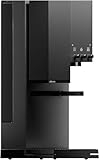
- 1. Three Levels of Automation for Any Skill Level: Choose from Autopilot, Copilot, or Free Solo mode. Autopilot handles the entire brewing process automatically. Copilot provides step-by-step guidance. Free Solo gives you full manual control. This coffee machine works for beginners and professional baristas alike.
- 2. Intuitive User Interface with Tactile Knobs and LED Matrix: The Studio features physical control knobs and a clear LED Matrix display. You can adjust grind size, water temperature, and flow rate in real time without navigating complicated touchscreen menus.
- 3. Full Customization via the xBloom App: Use the xBloom app to create, adjust, save, and share your favorite coffee recipes. Every brewing parameter can be fine-tuned and synced to the machine instantly. Your perfect cup is saved and repeatable.
- 4. Compostable xPod System for Minimal Waste and Maximum Flavor: Each xPod contains carefully selected whole beans and a built-in filter. Tap the recipe card, pour the beans into the grinder, place the pod into the dock, and press start. No capsules, no extra paper filters, no unnecessary waste.
- 5. What Is Included in the Box: The package includes the xBloom Studio, Omni Dripper 2 with Hyperflow Bottom, 10 paper filters, xPod Dock, Magnetic Dosing Cup, default recipe card, quick start guide, cleaning brush, universal power cord, and a 2-Year xbloom brand warranty. Everything you need is included—along with long-term peace of mind.
Pros, cons, and when it matters
- Pro: Minor Humidity Boost: In very dry environments, the small amount of moisture released can offer a slight, temporary increase in relative humidity.
- Con: Inadequate for Humidification: A coffee maker is not a substitute for a dedicated humidifier and will not effectively combat very dry air.
- Pro: Natural Process: The humidity increase is a natural byproduct of heating water, requiring no extra effort or additives.
- Con: Potential for Condensation: In poorly ventilated or already humid rooms, the added moisture could contribute to condensation on windows or surfaces.
- Pro: Sensory Experience: Some people find the steam and aroma released during brewing to be a pleasant part of the coffee ritual.
- Con: Inconsistent Results: The amount of humidity added varies greatly with each brew and machine, making it unreliable for specific humidity targets.
- Pro: Temporary Effect: The humidity increase is usually short-lived, dissipating as the brewing finishes and the room airs out.
- Con: Not a Health Solution: It cannot address health issues related to prolonged exposure to dry air, such as dry skin or irritated sinuses.
- Pro: Part of Normal Operation: It’s an inherent aspect of using hot water, not an added feature or drawback that requires special consideration for most users.
- Con: May Exacerbate Existing Issues: If you already struggle with mold or mildew due to high humidity, adding more moisture, even a little, could be counterproductive.
- Pro: Subtle Environmental Change: For most users, the change in humidity is so minor it goes unnoticed or is easily managed by natural room air exchange.
- Con: Not a Dehumidification Tool: Conversely, it does not remove moisture from the air; it adds it.
Common misconceptions
- Myth: A coffee maker is an effective humidifier.
- Reality: While it adds moisture, the amount is insufficient for significant humidification.
- Myth: The coffee itself adds to the room’s humidity.
- Reality: It’s the water being heated and evaporated during the brewing process, not the coffee grounds.
- Myth: All coffee makers add the same amount of humidity.
- Reality: Different types and sizes of brewers release varying amounts of water vapor.
- Myth: The steam from a coffee maker is harmful.
- Reality: For most home users, the amount of steam is minor and not harmful, though excessive steam in a poorly ventilated area can lead to condensation issues.
- Myth: You need to worry about mold growth from a coffee maker.
- Reality: Unless your room is already extremely humid and poorly ventilated, a coffee maker’s contribution is unlikely to cause mold.
- Myth: Turning off the coffee maker instantly stops all humidity release.
- Reality: Residual heat can cause a small amount of evaporation for a short period after brewing.
- Myth: The coffee maker actively “produces” humidity.
- Reality: It facilitates the natural process of water evaporation by heating it.
- Myth: Coffee makers can help with dry air symptoms.
- Reality: While a slight temporary increase occurs, it’s not enough to provide therapeutic benefits for dry air.
FAQ
Does a coffee maker increase the humidity in the room?
Yes, a coffee maker does increase the humidity in a room because water evaporates as it’s heated and brewed.
How much does a coffee maker affect room humidity?
The effect is generally minor and temporary. It depends on the size of the brew and the type of coffee maker.
Is the humidity increase from a coffee maker noticeable?
For most people, the increase is subtle and may not be easily noticeable unless the room is very small or already has high humidity.
Can a coffee maker cause condensation?
In very humid rooms or areas with poor ventilation, the added moisture from a coffee maker could contribute to condensation.
Should I be concerned about mold from my coffee maker?
Generally, no. The amount of moisture added is usually not enough to cause mold issues unless your room already has significant humidity problems.
What can I do if I notice increased humidity from my coffee maker?
Ensure good ventilation in the room. Opening a window or using a fan can help dissipate the moisture.
Are some coffee makers worse for humidity than others?
Yes, machines that produce more steam, like espresso machines or percolators, might contribute slightly more to room humidity than a standard drip coffee maker.
Does the type of water used affect humidity?
No, the type of water (tap, filtered, distilled) does not significantly alter the amount of water that evaporates.
What this page does NOT cover (and where to go next)
- Specific humidity levels generated by individual coffee maker models. (Next: Check product specifications or user manuals for detailed information.)
- Long-term health effects of minor humidity fluctuations in a home. (Next: Consult with a health professional or indoor air quality specialist.)
- Advanced humidity control systems. (Next: Research dedicated humidifiers and dehumidifiers.)
- Optimal humidity ranges for different living environments. (Next: Explore resources on home climate control and indoor air quality standards.)
- Detailed troubleshooting for condensation or mold issues. (Next: Consult home maintenance guides or professional services.)