
The Mechanics Of A Drip Coffee Maker
Quick answer
- Drip coffee makers heat water and let gravity do the rest.
- Hot water saturates coffee grounds in a filter.
- Coffee brews through the filter into a carafe.
- Key variables are water temp, grind size, and coffee-to-water ratio.
- Regular cleaning is crucial for good taste.
- Understand your machine’s basic function for better coffee.
If you’re looking to upgrade your current setup, consider a highly-rated drip coffee maker that offers consistent brewing temperatures and easy cleaning.
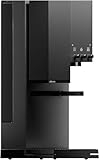
- 1. Three Levels of Automation for Any Skill Level: Choose from Autopilot, Copilot, or Free Solo mode. Autopilot handles the entire brewing process automatically. Copilot provides step-by-step guidance. Free Solo gives you full manual control. This coffee machine works for beginners and professional baristas alike.
- 2. Intuitive User Interface with Tactile Knobs and LED Matrix: The Studio features physical control knobs and a clear LED Matrix display. You can adjust grind size, water temperature, and flow rate in real time without navigating complicated touchscreen menus.
- 3. Full Customization via the xBloom App: Use the xBloom app to create, adjust, save, and share your favorite coffee recipes. Every brewing parameter can be fine-tuned and synced to the machine instantly. Your perfect cup is saved and repeatable.
- 4. Compostable xPod System for Minimal Waste and Maximum Flavor: Each xPod contains carefully selected whole beans and a built-in filter. Tap the recipe card, pour the beans into the grinder, place the pod into the dock, and press start. No capsules, no extra paper filters, no unnecessary waste.
- 5. What Is Included in the Box: The package includes the xBloom Studio, Omni Dripper 2 with Hyperflow Bottom, 10 paper filters, xPod Dock, Magnetic Dosing Cup, default recipe card, quick start guide, cleaning brush, universal power cord, and a 2-Year xbloom brand warranty. Everything you need is included—along with long-term peace of mind.
Who this is for
- Anyone who uses a standard drip coffee maker.
- Those looking to improve their daily coffee without buying new gear.
- People curious about why their coffee tastes the way it does.
What to check first
Brewer type and filter type
Most homes have a standard automatic drip machine. These use a basket filter, either paper or reusable. Some fancy ones might have a thermal carafe, others a glass one with a warming plate. Know what you’ve got. Paper filters are easy to toss. Reusable metal or mesh filters need a good rinse and occasional scrub.
Water quality and temperature
This is huge. If your tap water tastes funky, your coffee will too. Consider filtered water or even bottled spring water. For temperature, most machines aim for 195-205°F. If your machine seems to just get water warm, that’s a problem. Check the manual for your specific model’s target temp.
Grind size and coffee freshness
This is where you can really make a difference. For drip, a medium grind is usually best. Think coarse sand. Pre-ground stuff loses flavor fast. Buy whole beans and grind them just before brewing. Freshness matters, man. Seriously, it’s a game-changer.
Coffee-to-water ratio
This is how much coffee grounds you use for how much water. A common starting point is 1:15 to 1:18. That means for every gram of coffee, use 15 to 18 grams (or ml) of water. A good rule of thumb is about 2 tablespoons of grounds for every 6 oz of water. Adjust to your taste.
Cleanliness/descale status
Gunk builds up. Mineral deposits, old coffee oils – they all mess with flavor. If your coffee tastes bitter or burnt, it’s probably time to descale. Most machines have a cleaning cycle or recommend a vinegar/water mix. Don’t skip this. I learned that the hard way camping once, made some truly awful coffee.
Step-by-step (brew workflow)
1. Fill the water reservoir.
- What to do: Pour fresh, cold water into the designated reservoir. Use the carafe markings or the reservoir itself to measure.
- What “good” looks like: The water level is at your desired brew volume.
- Common mistake and how to avoid it: Overfilling. This can cause overflow or weak coffee. Measure carefully.
2. Insert the filter.
- What to do: Place a paper filter into the brew basket, or ensure your reusable filter is clean and in place.
- What “good” looks like: The filter is seated properly and covers the basket opening.
- Common mistake and how to avoid it: Not using a filter or using the wrong size. This leads to grounds in your cup. Double-check the filter type for your machine.
3. Add coffee grounds.
- What to do: Spoon your freshly ground coffee into the filter.
- What “good” looks like: The grounds are evenly distributed in the filter.
- Common mistake and how to avoid it: Using too much or too little coffee. This throws off the ratio. Start with the recommended amount and adjust later.
4. Place the carafe.
- What to do: Position the carafe correctly on the warming plate or under the brew basket.
- What “good” looks like: The carafe is securely in place, often activating a pause-and-serve mechanism if present.
- Common mistake and how to avoid it: Forgetting to put the carafe there. Brewed coffee will go everywhere. Trust me, it’s a mess.
5. Start the brew cycle.
- What to do: Press the power or brew button.
- What “good” looks like: The machine powers on, and you hear the heating element start to work.
- Common mistake and how to avoid it: Not plugging in the machine. A simple oversight, but it happens.
6. Water heats and travels.
- What to do: The machine heats the water in the reservoir. A pump or siphon mechanism draws it up.
- What “good” looks like: You’ll hear gurgling sounds as water heats and moves.
- Common mistake and how to avoid it: Machine not heating. If it’s silent or just dripping, there might be a heating element issue.
7. Water saturates grounds.
- What to do: Hot water is dispersed over the coffee grounds in the filter basket.
- What “good” looks like: The grounds get evenly wet, starting to expand and release aroma.
- Common mistake and how to avoid it: Uneven water dispersion. Some machines have showerheads that spray water poorly, leading to “channeling” (water finding easy paths).
8. Coffee drips through.
- What to do: Brewed coffee passes through the filter and into the carafe.
- What “good” looks like: A steady stream of dark liquid fills the carafe.
- Common mistake and how to avoid it: Filter clogging or overflowing. This can happen with too fine a grind or too much coffee.
9. Brewing completes.
- What to do: The machine stops dripping, and the cycle finishes.
- What “good” looks like: All the water has passed through the grounds.
- Common mistake and how to avoid it: Machine shutting off too early or still dripping. Check the manual if it seems off.
10. Serve and enjoy.
- What to do: Carefully pour coffee from the carafe.
- What “good” looks like: Hot, flavorful coffee in your mug.
- Common mistake and how to avoid it: Letting coffee sit on a hot plate too long. It can develop a burnt taste. Drink it fresh or use a thermal carafe.
Common mistakes (and what happens if you ignore them)
| Mistake | What it causes | Fix |
|---|---|---|
| Using stale, pre-ground coffee | Flat, lifeless, or bitter taste | Buy whole beans and grind them just before brewing. |
| Incorrect grind size (too fine) | Over-extraction, bitter, muddy coffee, clogged filter | Use a medium grind; check your machine’s recommendations. |
| Incorrect grind size (too coarse) | Under-extraction, weak, sour coffee | Use a medium grind; check your machine’s recommendations. |
| Wrong coffee-to-water ratio (too much) | Over-extraction, intense, bitter taste | Reduce the amount of coffee grounds. |
| Wrong coffee-to-water ratio (too little) | Under-extraction, weak, watery taste | Increase the amount of coffee grounds. |
| Using tap water with off-flavors | Off-flavors in the coffee | Use filtered or bottled spring water. |
| Not cleaning the machine regularly | Bitter, burnt, or stale taste; slow brewing | Descale and clean your machine according to the manufacturer’s guide. |
| Water not hot enough | Under-extraction, sour, weak coffee | Check machine’s heating element; consider a different brewer. |
| Uneven saturation of grounds | “Channeling,” inconsistent extraction, bad taste | Ensure showerhead disperses water evenly; try a different filter. |
| Letting coffee sit on hot plate | Burnt, stale, “baked” taste | Drink immediately or use a thermal carafe. |
Decision rules (simple if/then)
- If your coffee tastes bitter, then check your grind size and coffee-to-water ratio, because these are common causes of over-extraction.
- If your coffee tastes weak or sour, then check your grind size and coffee-to-water ratio, because these can lead to under-extraction.
- If your brewed coffee has sediment, then check your filter type and grind size, because a too-fine grind or a faulty filter can let grounds through.
- If your coffee has an off-flavor, then check your water quality and the cleanliness of your machine, because these are major contributors to taste.
- If your machine is brewing very slowly, then descale your machine, because mineral buildup can restrict water flow.
- If your machine is making unusual noises, then check the water reservoir level, because it might be struggling to pull water.
- If your coffee tastes burnt, then clean your machine and avoid leaving it on the warming plate for extended periods, because residual oils and prolonged heat degrade flavor.
- If you’re unsure about your machine’s ideal water temperature, then consult your user manual, because different models may have slightly different optimal ranges.
- If you want to experiment with flavor, then adjust your coffee-to-water ratio slightly, because this is the easiest way to fine-tune strength.
- If your coffee tastes “flat” even with fresh beans, then consider your water source, because minerals in water significantly impact flavor extraction.
FAQ
How does a drip coffee maker heat water?
Most automatic drip machines use an internal heating element, often a metal tube. Electricity flows through this element, generating heat. A pump or siphon then pushes cold water from the reservoir through this hot element and up to the brew basket.
What’s the ideal water temperature for drip coffee?
Generally, the sweet spot is between 195°F and 205°F. This temperature range is hot enough to properly extract the desirable flavors from the coffee grounds without burning them. Some machines may struggle to reach this consistently.
Why does my coffee taste weak?
This usually means it’s under-extracted. Check your coffee-to-water ratio (you might need more coffee) and your grind size (it might be too coarse). Also, ensure your water is hot enough.
Why does my coffee taste bitter?
Bitterness often signals over-extraction. Try a coarser grind, use less coffee, or make sure your water isn’t too hot. Also, a dirty machine can contribute to bitter flavors.
How often should I clean my drip coffee maker?
For daily use, a quick rinse of the brew basket and carafe is good. A full descaling (removing mineral buildup) should happen every 1-3 months, depending on your water hardness and how often you brew.
Can I use any kind of coffee filter?
No, you need the correct size and shape for your specific brewer. Cone filters and basket filters are common, and they come in different sizes. Using the wrong one can lead to overflow or grounds in your cup.
What is “blooming” in coffee brewing?
Blooming is the initial release of CO2 gas when hot water first hits fresh coffee grounds. You’ll see the grounds puff up and bubble. Letting it bloom for about 30 seconds can improve flavor extraction.
Does the warming plate affect coffee taste?
Yes, if left on too long, the warming plate can “bake” the coffee, leading to a burnt or stale taste. For best results, drink coffee shortly after brewing or use a machine with a thermal carafe.
What this page does NOT cover (and where to go next)
- Specific machine models and their unique features.
- Advanced brewing techniques like pour-over or French press.
- Detailed water chemistry and its impact on coffee extraction.
- The science behind coffee bean varietals and roasting profiles.
- Troubleshooting specific electrical or mechanical failures.