
Can Quitting Coffee Lead to Weight Loss?
Quick answer
- Quitting coffee itself doesn’t directly cause weight loss, but associated changes might.
- Many coffee drinks, especially specialty ones, contain significant calories from sugar, cream, and flavorings.
- Cutting out these caloric additions can lead to a calorie deficit, which is essential for weight loss.
- Caffeine withdrawal symptoms like fatigue might reduce physical activity, potentially hindering weight loss.
- Coffee can act as an appetite suppressant for some; removing it might increase hunger.
- Focus on overall dietary changes and activity levels for sustainable weight management.
Key terms and definitions
- Caffeine: A natural stimulant found in coffee, tea, and some other plants, known for its alertness-promoting effects.
- Calorie deficit: Consuming fewer calories than your body expends, leading to weight loss.
- Metabolism: The chemical processes within the body that convert food into energy.
- Thermogenesis: The process of heat production in organisms, which can burn calories.
- Appetite suppressant: A substance that reduces hunger or the desire to eat.
- Withdrawal symptoms: Physical and mental effects experienced after stopping regular use of a substance, like caffeine.
- Empty calories: Calories that come from foods and beverages with little to no nutritional value.
- Cortisol: A stress hormone that, in chronic excess, can be linked to increased abdominal fat.
- Adrenaline: A hormone released in response to stress or excitement, increasing heart rate and energy.
- Glycemic index: A measure of how quickly a food raises blood sugar levels.
How will cutting out coffee make you lose weight?
- Reducing calorie intake: Many popular coffee beverages are laden with sugars, syrups, and dairy, contributing hundreds of “empty” calories.
- Avoiding added sugars: Sugary coffee drinks can lead to blood sugar spikes and crashes, potentially increasing cravings for more sugary foods.
- Decreasing fat intake: Cream, whole milk, and flavored creamers add saturated fats to coffee, which can contribute to overall calorie consumption.
- Changing beverage habits: Quitting coffee might prompt a switch to water or unsweetened teas, naturally lowering daily calorie intake.
- Improved sleep quality: For some, caffeine can interfere with sleep. Better sleep can positively impact hormone regulation related to appetite and metabolism.
- Mindful eating: The act of consciously deciding to cut out coffee can be part of a broader effort to make healthier lifestyle choices.
- Reduced cravings for associated treats: Many people pair coffee with pastries or sugary snacks; removing coffee might reduce the desire for these accompaniments.
If you’re looking to cut down on sugar but still enjoy flavored coffee, consider using a sugar-free coffee syrup. These can help reduce your calorie intake without sacrificing taste.
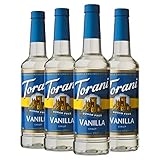
- Sugar Free Vanilla Syrup: This sugar free flavored syrup delivers rich, pure vanilla taste with zero sugar and zero calories; Add a splash to coffee, lattes, tea, sodas and more
- Skip The Extra Calories: Enjoy drinks, desserts, and other treats made with our Sugar Free syrups, sweetened with sucralose and naturally fat free; 0 Calories, 0 Sugar, 0 Carbs, Keto Friendly, Gluten Free, and Kosher
- Embrace Your Inner Flavorista: Torani makes a wide array of syrups and sauces in tantalizing flavors to help you create your own homemade coffeehouse favorites, fruity delights and custom soda creations
- Authentic Coffeehouse Flavor: From caramel to French vanilla to hazelnut and everything in between, our syrups and sauces are here to help you create tantalizing lattes, cappuccinos, cold brews and frappes
- Mix Up Some Magic: Discover how our syrups can help you make truly creative flavored teas, lemonades, smoothies, Italian sodas, coffees, cocktails, mocktails, snow cones, sparkling waters and more
What affects the result of cutting out coffee for weight loss
- Type of coffee consumed: Black coffee has virtually no calories, while a large, flavored latte can have 300+ calories. Quitting black coffee is unlikely to impact weight, but quitting caloric coffee drinks can.
- Additions to coffee: Sugar, cream, flavored syrups, whipped cream, and chocolate shavings significantly increase the calorie count.
- Frequency of consumption: Drinking multiple caloric coffee beverages daily will have a greater impact on overall calorie intake than just one.
- Replacement beverages: Switching from a sugary coffee to water will likely aid weight loss more than switching to another sugary drink.
- Individual metabolism: How quickly your body processes caffeine and calories varies from person to person.
- Dietary habits: Overall diet quality and calorie intake play a much larger role in weight loss than coffee consumption alone.
- Physical activity level: Regular exercise is crucial for creating a calorie deficit and building muscle, both of which support weight loss.
- Sleep patterns: Adequate, quality sleep is vital for hormone regulation (like ghrelin and leptin, which control hunger and fullness) and can influence weight.
- Stress levels: Chronic stress can impact cortisol levels, which some research links to increased abdominal fat.
- Caffeine sensitivity: Some individuals are more sensitive to caffeine’s effects on appetite or sleep.
- Withdrawal symptoms: Fatigue and headaches from caffeine withdrawal might temporarily reduce motivation for physical activity or lead to comfort eating.
- Underlying health conditions: Certain medical conditions or medications can affect weight and how the body responds to dietary changes.
Pros, cons, and when it matters to stop coffee for weight
- Pro: Significant calorie reduction if you’re regularly consuming high-calorie, sugary coffee drinks. This is the main way cutting out coffee can help with weight.
- Pro: Potential for improved sleep if caffeine negatively impacts your sleep cycle, which can indirectly aid weight management by regulating hunger hormones.
- Pro: Reduced sugar intake from flavored syrups and added sweeteners, leading to more stable blood sugar levels.
- Pro: Potential for decreased anxiety for some individuals sensitive to caffeine, which can sometimes be linked to stress-related eating.
- Con: Caffeine withdrawal symptoms like headaches, fatigue, and irritability, which might temporarily disrupt daily routines and exercise.
- Con: Loss of potential appetite suppression that caffeine can provide for some people, potentially leading to increased hunger.
- Con: Missing out on potential metabolic boost from caffeine, though this effect is generally modest and varies by individual.
- Con: No weight loss benefit if you primarily drink black coffee or if you replace coffee with other high-calorie beverages.
- When it matters: If your coffee habit involves daily consumption of large, sugary, and creamy specialty drinks.
- When it matters: If you find yourself frequently pairing coffee with high-calorie pastries or snacks.
- When it matters: If you suspect caffeine is disrupting your sleep, leading to fatigue and poor food choices the next day.
- When it matters: If you’re looking for an easy way to cut “empty” calories from your diet without drastically changing food choices.
For those who still enjoy coffee but want to be mindful of their consumption, investing in reusable coffee cups can be a good step. It encourages a more deliberate approach to your daily brew.
![Karat 16 oz Paper Hot Coffee Cups [1000 ct] Disposable, Leak-Resistant Double Poly-Lined Cups for Hot Beverages, 90mm (C-K516)](https://m.media-amazon.com/images/I/31rRGtP8ehL._SL160_.jpg)
- Karat Paper Hot Cup, 16 oz, Stock Print (Case of 1000)
- Size: 16oz
- Print: Coffee
- Diameter: 90mm
- Available Sizes: 8oz, 10oz, 12oz, 16oz, 20oz, and 24oz
Common misconceptions about cutting out coffee and weight loss
- Myth: Quitting black coffee will automatically make you lose weight. Fact: Black coffee contains negligible calories. Removing it alone won’t impact weight unless you were adding caloric ingredients.
- Myth: Coffee significantly boosts metabolism, so quitting it will slow yours down. Fact: While caffeine can slightly increase metabolism and thermogenesis, the effect is generally modest and not a primary driver of long-term weight loss.
- Myth: Coffee causes weight gain directly. Fact: Coffee itself doesn’t cause weight gain. It’s the added sugars, fats, and calories in coffee drinks that contribute to weight gain.
- Myth: All coffee is bad for weight loss. Fact: Black coffee or coffee with minimal, healthy additions (like a splash of unsweetened almond milk) can be a part of a healthy diet and doesn’t hinder weight loss.
- Myth: Caffeine withdrawal will make you gain weight. Fact: Withdrawal symptoms like fatigue might reduce activity, but withdrawal itself doesn’t directly cause weight gain. Any weight changes would be due to compensatory eating or reduced exercise.
- Myth: Quitting coffee is a magic bullet for weight loss. Fact: Weight loss is complex and primarily driven by a sustained calorie deficit through diet and exercise. Quitting coffee is just one potential dietary adjustment.
- Myth: Coffee is a strong appetite suppressant, so quitting will make you constantly hungry. Fact: While some individuals experience mild appetite suppression from caffeine, this effect varies and is not strong enough to significantly impact overall hunger levels for most.
FAQ
Q: How many calories are in a typical specialty coffee drink?
A: A medium-sized, flavored latte or mocha can range from 200 to over 400 calories, depending on the milk type, number of syrup pumps, and toppings. This can be a significant portion of daily calorie intake.
Q: If I quit coffee, what should I drink instead to help with weight loss?
A: Water, unsweetened herbal teas, or sparkling water with a squeeze of lemon or lime are excellent, calorie-free alternatives. These choices keep you hydrated without adding unnecessary calories.
Q: Will cutting out coffee affect my energy levels for workouts?
A: Initially, you might experience reduced energy due to caffeine withdrawal, which could impact workout intensity. However, this usually passes within a week or two, and your body will adapt.
Q: Can giving up coffee improve my sleep, and how does that relate to weight?
A: For some, especially those sensitive to caffeine or who drink it late in the day, cutting out coffee can improve sleep quality. Better sleep helps regulate hormones like ghrelin (hunger) and leptin (satiety), which can positively influence appetite and weight management.
Q: Is it better to gradually reduce coffee intake or quit cold turkey for weight loss?
A: Gradually reducing intake over a week or two can help minimize withdrawal symptoms like headaches and fatigue. This makes the transition smoother and less likely to disrupt your routine or lead to compensatory eating.
Q: What if I drink black coffee? Will cutting out coffee make you lose weight then?
A: If you drink black coffee without any additions, it contains virtually no calories. In this case, cutting it out is unlikely to directly lead to weight loss, as there are no significant calories to remove from your diet.
What this page does NOT cover (and where to go next)
- Specific medical advice regarding caffeine sensitivity or underlying health conditions. Consult a healthcare professional for personalized guidance.
- Detailed dietary plans or exercise routines for weight loss. Explore resources on balanced nutrition and physical activity.
- In-depth scientific mechanisms of caffeine on individual hormones or metabolic pathways. Look into academic journals or reputable health science publications.
- Reviews of specific coffee alternatives or brands. Research different products based on your preferences.
- Strategies for managing severe caffeine withdrawal symptoms beyond general advice. Consult a doctor if symptoms are debilitating.