
Can Excessive Coffee Intake Make You Feel Cold?
Quick answer
- While caffeine can temporarily constrict blood vessels, potentially leading to a slight drop in skin temperature, it’s unlikely that drinking “too much” coffee will make you feel persistently cold.
- The body’s thermoregulation is complex, and many factors influence your perception of temperature.
- Dehydration, a common side effect of excessive caffeine, can contribute to feeling cold.
- Underlying medical conditions or environmental factors are more probable causes of feeling cold after coffee consumption.
- If you consistently feel cold, especially after drinking coffee, it’s worth consulting a healthcare professional.
- Focusing on moderate coffee intake and proper hydration is generally recommended for overall well-being.
Key terms and definitions
- Vasoconstriction: The narrowing of blood vessels, which can reduce blood flow to extremities.
- Thermoregulation: The body’s process of maintaining a stable internal temperature.
- Diuretic: A substance that promotes the production of urine, which can lead to fluid loss.
- Metabolism: The chemical processes that occur within a living organism in order to maintain life.
- Adenosine: A neurotransmitter that promotes relaxation and sleepiness; caffeine blocks its receptors.
- Cortisol: A stress hormone that can affect various bodily functions, including temperature regulation.
- Peripheral Circulation: Blood flow to the extremities, such as hands and feet.
- Hydration: The process of providing or obtaining sufficient fluid for bodily functions.
- Hypothermia: A dangerous drop in body temperature.
- Hyperthyroidism: An overactive thyroid gland, which can increase metabolism and body heat production.
How it works
- Caffeine is a stimulant that affects the central nervous system.
- It blocks adenosine receptors in the brain, reducing feelings of fatigue and increasing alertness.
- Caffeine also triggers the release of adrenaline, which can lead to a temporary increase in heart rate and blood pressure.
- Some research suggests caffeine can cause vasoconstriction, particularly in the peripheral blood vessels.
- This narrowing of blood vessels can momentarily reduce blood flow to the skin’s surface.
- A decrease in surface blood flow might lead to a slight reduction in skin temperature.
- However, the body’s core temperature regulation is generally robust and not significantly impacted by mild vasoconstriction.
- Caffeine’s diuretic effect can lead to increased urination and potential dehydration if fluids aren’t replenished.
- Dehydration can impair the body’s ability to maintain its internal temperature, potentially leading to feeling cold.
- The overall metabolic effects of caffeine are complex and can vary among individuals.
Caffeine’s diuretic effect can lead to increased urination and potential dehydration if fluids aren’t replenished. To combat this, consider using hydration supplements to ensure you’re adequately hydrated throughout the day.

- FAST & EFFECTIVE HYDRATION: Combat dehydration with our science-based electrolyte powder formula that hydrates faster than water alone. Perfect for sports, outdoor activities, and hot days.
- 3X ELECTROLYTES & ½ THE SUGAR: Our precise formula activates a hydration shortcut, delivering essential electrolytes with less sugar than leading sports drinks. A great-tasting hydration powder that's easy to drink and mix.
- HEALTH-CONSCIOUS FORMULA: Non-GMO, Gluten-Free, Vegan, Soy-Free, Dairy-Free and Kosher. Our hydration packets include essential nutrients like potassium, magnesium, zinc, and vitamin C for added immune support. Natural colors derived from sources including fruit and vegetable juices, turmeric, spirulina extract, and beta carotene. No FD&C colors ever (no Red 40).
- CONVENIENT SINGLE-SERVE PACKETS: 16 portable electrolytes powder packets perfect to rehydrate on-the-go. Ideal for travel, sports activities, and daily use. Mix 1 packet into 8 oz of water for effective hydration.
- TRUSTED BRAND WITH A MISSION: Created by a doctor, DripDrop is a groundbreaking innovation that earned a Mayo Clinic Humanitarian Award. As a Public Benefit Company, every purchase supports our mission to defeat dehydration with global donations of our product.
What affects the result
- Individual Sensitivity: People metabolize caffeine at different rates, influencing its effects.
- Amount Consumed: Drinking a single cup versus many cups will have vastly different impacts.
- Brewing Method: The concentration of caffeine can vary significantly by how coffee is brewed.
- Coffee Bean Type: Robusta beans generally have more caffeine than Arabica beans.
- Water Temperature: Affects extraction and can influence the final beverage’s composition.
- Grind Size: Finer grinds extract more caffeine than coarser grinds.
- Freshness of Beans: Stale beans may have a slightly different chemical makeup.
- Your Personal Hydration Level: Being already dehydrated can exacerbate any cold sensations.
- Ambient Temperature: Drinking a cold beverage in a cold room will naturally make you feel colder.
- Your Body’s Metabolism: A naturally higher or lower metabolism can influence how you perceive temperature.
- Presence of Milk or Sugar: These can slightly alter the beverage’s temperature and your body’s response.
- Underlying Health Conditions: Issues like anemia or thyroid problems can affect body temperature.
Your personal hydration level and how your body metabolizes caffeine can significantly influence how you feel. If you’re sensitive to caffeine’s effects, exploring caffeine supplements might offer a more controlled way to manage your intake.
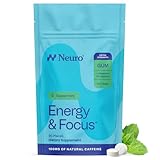
- Fast-Acting Nootropic - Our energy supplements deliver an extra boost of energy and clarity with a blend of natural caffeine, L-theanine, and vitamin b6 & b12. Your go-to chewing gum for work, exercise, and daily focus!
- Clean Energy - Each piece of our sugar free gum delivers 100mg of natural caffeine from green coffee beans for a smooth energy boost without crashes or jitters.
- The Perfect Balance - With 60mg of L-theanine per piece, our energy and focus formula promotes enhanced focus and stress reduction to smooth energy boosts.
- How to Use - Chew one piece of the caffeine gum whenever focus or energy is lacking. Ideal for mornings, pre-workout, or afternoon slumps. Effects typically kick in within minutes thanks to optimal absorption through the mouth.
- Made by Neuro, Backed by Science - At Neuro, we combine neuroscience with clean, science backed ingredients to help you do more, think better, and feel your best every single day.
Pros, cons, and when it matters
- Pro: Increased Alertness: Coffee’s stimulant effect can combat fatigue and improve focus.
- Con: Potential for Jitters: Excessive intake can lead to anxiety, restlessness, and a shaky feeling.
- Pro: Antioxidant Properties: Coffee beans contain beneficial antioxidants.
- Con: Digestive Issues: For some, coffee can cause stomach upset or heartburn.
- Pro: Social Ritual: Coffee breaks are a common and enjoyable social activity.
- Con: Sleep Disruption: Consuming too much caffeine, especially later in the day, can interfere with sleep.
- Pro: Improved Physical Performance: Caffeine can enhance athletic performance.
- Con: Dependence and Withdrawal: Regular, high consumption can lead to dependence and withdrawal symptoms like headaches.
- Pro: Mood Enhancement: Coffee can temporarily boost mood for many individuals.
- Con: Dehydration Risk: Its diuretic properties necessitate adequate fluid intake.
- When it matters: Feeling cold after coffee is most relevant if it’s a consistent and concerning symptom.
- When it matters: For individuals sensitive to caffeine, even moderate amounts might cause noticeable effects.
- When it matters: If you’re already feeling unwell or experiencing other symptoms, a sudden cold sensation warrants attention.
Common misconceptions
- Myth: Coffee always dehydrates you severely. While it has a mild diuretic effect, moderate consumption typically doesn’t lead to significant dehydration if you’re drinking other fluids.
- Myth: Coffee directly lowers your core body temperature. The effect on core temperature is negligible for most people; any sensation is usually related to peripheral circulation or other factors.
- Myth: All coffee has the same amount of caffeine. Caffeine content varies greatly depending on the bean, roast, and brewing method.
- Myth: Feeling cold is a direct sign of caffeine overdose. While extreme caffeine intake can have adverse effects, feeling cold is not a primary indicator of overdose.
- Myth: Black coffee is inherently “colder” than coffee with milk. The temperature of the beverage itself is the primary factor, not the additives.
- Myth: Cold brew coffee is less acidic and therefore better for you. While cold brew is often less acidic, its caffeine content can be higher than hot-brewed coffee.
- Myth: You can “sweat out” caffeine. Sweating does not eliminate caffeine from your system.
- Myth: Coffee makes you feel cold because it’s a cold beverage. This is a confusion of the beverage’s temperature with its physiological effects.
- Myth: If you feel cold after coffee, you should drink more coffee to warm up. This can exacerbate dehydration and jitters.
FAQ
Q: Can drinking too much coffee make me feel cold?
A: It’s unlikely that “too much” coffee directly causes a persistent feeling of cold. While caffeine can temporarily constrict blood vessels, leading to a slight drop in skin temperature, this effect is usually minor and temporary. Other factors are more likely at play.
Q: Why might I feel cold after drinking coffee?
A: You might feel cold due to mild vasoconstriction, especially in your extremities. Dehydration from caffeine’s diuretic effect can also contribute. Additionally, environmental factors or your individual body’s temperature regulation could be influencing the sensation.
Q: Is feeling cold a sign of a caffeine overdose?
A: No, feeling cold is generally not a direct or primary sign of caffeine overdose. Symptoms of overdose are more typically related to rapid heart rate, anxiety, tremors, nausea, and sometimes hallucinations.
Q: What should I do if I consistently feel cold after drinking coffee?
A: If this is a recurring issue, it’s advisable to consult a healthcare professional. They can help rule out underlying medical conditions like anemia, thyroid issues, or circulatory problems that might be causing your symptoms.
Q: How much coffee is considered “too much”?
A: “Too much” varies significantly by individual. For most healthy adults, up to 400 milligrams of caffeine per day (about 4 cups of brewed coffee) is generally considered safe. Exceeding this, or consuming amounts that cause negative side effects for you, could be considered too much.
Q: Does the temperature of the coffee matter?
A: Yes, drinking a hot beverage will temporarily warm you up, while a cold beverage will have the opposite effect. The physiological effects of caffeine are separate from the beverage’s temperature.
Q: Can I drink coffee and still stay hydrated?
A: Yes, you can. While coffee has a mild diuretic effect, its water content contributes to your overall fluid intake. To ensure adequate hydration, drink water or other non-caffeinated beverages alongside your coffee.
What this page does NOT cover (and where to go next)
- Specific medical diagnoses for feeling cold.
- Detailed breakdown of caffeine content in specific coffee brands or brewing methods.
- Recommendations for managing caffeine addiction or withdrawal symptoms.
- Advanced brewing techniques for optimal flavor extraction.