
Can Coffee Lead to Burping?
Quick answer
- Coffee can lead to burping due to swallowed air during consumption.
- The acidity and caffeine content in coffee can also stimulate the digestive system, potentially causing gas.
- Carbonation in some coffee drinks can contribute to burping.
- Drinking coffee too quickly or using a straw can increase air intake.
- Certain additives like milk or sweeteners might cause gas for some individuals.
- Adjusting your drinking speed and considering dairy alternatives can help.
What this problem usually is (and is not)
- This issue is typically related to how you consume your coffee and your individual digestive response, not a malfunction of the coffee maker itself.
- It’s not usually a sign of a serious health problem, but rather a common, albeit sometimes annoying, bodily reaction.
- This isn’t about the coffee maker producing a burping sound; it’s about your body’s reaction to drinking coffee.
- We’re focusing on the physical act of drinking and your body’s internal processes, not external noises from the appliance.
- The goal is to understand and mitigate the burping, not to troubleshoot the coffee brewing equipment.
- This guide assumes your coffee maker is functioning correctly and brewing coffee as intended.
Likely causes (triage list)
Swallowed Air:
- Drinking too fast: If you gulp your coffee, you’re likely swallowing more air than necessary. Observe your drinking speed.
- Using a straw: Straws can encourage faster drinking and lead to increased air intake. Note if you use a straw for your coffee.
- Carbonated coffee drinks: Some specialty coffee beverages are carbonated, which directly introduces gas. Check the ingredients or type of drink.
Digestive System Stimulation:
- Caffeine: Caffeine is a stimulant that can speed up digestion, sometimes leading to gas. Consider your caffeine sensitivity.
- Acidity: Coffee is acidic, which can irritate the stomach lining for some people and lead to gas or burping. Notice if other acidic foods cause similar reactions.
- Dairy/Milk: Lactose intolerance or sensitivity to milk proteins can cause gas and bloating. Try coffee black or with a non-dairy alternative.
- Sweeteners/Additives: Artificial sweeteners or certain syrups can be difficult for some digestive systems to process, leading to gas. Review any additions to your coffee.
If you find that dairy is contributing to your burping, consider trying a non-dairy alternative like almond, soy, or oat milk. Many find these options easier on their digestive system.

- NO OILS, NO GUMS: Califia Organic Coconutmilk is made with just four simple ingredients and without oils or gums. Just shake it up and enjoy!
- CERTIFIED USDA ORGANIC: Califia Organic Almondmilk is USDA certified organic with zero additives. No dairy, oil, gums, gluten, soy, and carrageenan. It’s everything you want in dairy-free plant milk and nothing you don’t.
- FOUR SIMPLE INGREDIENTS: Purified water, coconut cream, coconut water, and a pinch of baking soda. This is plant-based dairy-free goodness in its purest form. No oils and no gums. It’s deliciously simple.
- IRRESISTIBLY GOOD: Califia Farms products are made with plant-based ingredients to achieve irresistible goodness in every way––taste, versatility, and all the benefits of being dairy-free.
- DON'T FORGET TO SHAKE: Settling is natural in high-quality plant-based milks so remember to shake well!
Temperature:
- Drinking very hot liquids: Consuming liquids that are too hot can cause you to swallow air as you try to cool the liquid in your mouth. Notice if the temperature of your coffee is a factor.
Fix it step-by-step (brew workflow)
This workflow focuses on the consumption of coffee, not the brewing process itself.
1. Assess your drinking speed.
- What to do: Consciously slow down your sips. Take smaller, more deliberate sips instead of large gulps.
- What “good” looks like: You feel a more relaxed pace of drinking, and you’re not feeling the urge to gulp.
- Common mistake: Forgetting to slow down and automatically reverting to gulping.
- How to avoid: Set a timer for your coffee break or place your mug down between sips.
To help manage your drinking speed, try placing your coffee mug down between sips. This simple habit can encourage smaller, more deliberate sips and reduce air intake.
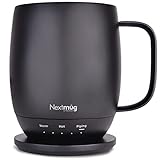
- ALWAYS THE PERFECT TEMPERATURE – The Nextmug will keep your hot coffee, tea or preferred beverage at the perfect temperature wherever you are. Simply select Warm (130° F), Hot (140° F), or Piping (150° F) and enjoy for hours.
- SMART MUG TECHNOLOGY – Long-lasting battery maintains your ideal temperature. LED lights display battery life & real-time temperature. Includes Spill-Resistant Lid & Charging Coaster.
- SUPER SIMPLE – On-board Control Button easily turns mug On/Off & sets the temperature. Takes only seconds to set the mug to your perfect temperature. No app required - no passwords, re-booting or security concerns.
- THE PERFECT GIFT - Give the gift for him and the gift for her that is certain to delight. Perfect for everyone on your list…moms, dads, grandmas, grandpas, teachers, birthdays, graduations and more!
- NEXTMUG CARES - Nextmug cares about our communities and our customers. We care by donating Nextmugs to teachers and first responders . We’re also committed to sustainable packaging by using 100% recyclable materials with all our products. Our dedicated customer service agents are based in the USA and always ready to help.
2. Consider ditching the straw.
- What to do: If you typically use a straw, try drinking directly from the mug or cup.
- What “good” looks like: You’re able to enjoy your coffee without feeling like you’re ingesting extra air.
- Common mistake: Habitually reaching for a straw even when not necessary.
- How to avoid: Keep straws out of reach or consciously remind yourself not to use one for your coffee.
If you typically use a straw for your coffee, try drinking directly from the mug instead. Using a straw can often lead to swallowing more air, which contributes to burping.

- Flexible plastic straws with colorful stripes.
- Includes 100 fun, bendable straws in assorted vibrant colors (blue, green, and red).
- Sturdy design for the best sipping experience.
- Single-use straws for convenient cleanup.
- Ideal for pairing with soda, juice, lemonade, cocktails and more.
3. Check for carbonation.
- What to do: If you’re drinking a specialty coffee beverage, confirm if it contains carbonated elements.
- What “good” looks like: You’ve identified and potentially avoided a carbonated drink if it’s causing issues.
- Common mistake: Assuming a coffee drink is not carbonated when it is.
- How to avoid: Ask your barista or check the menu for ingredients if you’re unsure.
4. Try coffee black or with alternatives.
- What to do: If you add milk, cream, or dairy-based creamers, try your coffee without them or switch to a non-dairy alternative like almond, soy, or oat milk.
- What “good” looks like: You notice a reduction in burping after switching.
- Common mistake: Assuming dairy is the culprit without trying alternatives.
- How to avoid: Make the switch for at least a few days to see if it makes a difference.
5. Evaluate sweeteners and additives.
- What to do: If you use artificial sweeteners, sugar syrups, or other additives, try reducing or eliminating them for a period.
- What “good” looks like: Your digestive comfort improves.
- Common mistake: Overlooking the impact of various syrups or artificial sweeteners.
- How to avoid: Keep a log of what you add to your coffee and how you feel afterward.
6. Manage coffee temperature.
- What to do: Let your coffee cool slightly before drinking. Avoid extremely hot beverages.
- What “good” looks like: You can drink your coffee at a comfortable temperature without feeling the need to gulp or swallow air.
- Common mistake: Rushing to drink coffee that is still too hot.
- How to avoid: Allow your coffee to sit for a few minutes after brewing or pouring.
7. Consider caffeine intake.
- What to do: If you’re sensitive to caffeine, try switching to decaf or reducing your overall intake.
- What “good” looks like: You experience less digestive upset.
- Common mistake: Not recognizing caffeine as a potential trigger for digestive issues.
- How to avoid: Pay attention to how you feel after consuming different amounts of caffeine.
8. Stay hydrated.
- What to do: Drink water alongside your coffee.
- What “good” looks like: You feel generally more balanced digestively.
- Common mistake: Consuming coffee exclusively without balancing it with water.
- How to avoid: Keep a glass of water near your coffee.
Prevent it next time
- Slow your sips: Take deliberate, small sips rather than gulping.
- Avoid straws: Drink directly from your mug to minimize air intake.
- Check for carbonation: Be aware of specialty drinks that might contain carbonated ingredients.
- Experiment with additives: If you use milk or sweeteners, try going without or switching to alternatives.
- Manage temperature: Allow coffee to cool to a comfortable drinking temperature.
- Hydrate: Drink water with your coffee to aid digestion.
- Listen to your body: Pay attention to how different types of coffee or brewing methods affect you.
- Consider decaf: If caffeine is a trigger, try decaffeinated options.
- Brew fresh: Ensure your coffee is brewed fresh and not left sitting for extended periods, which can alter its properties.
Common mistakes (and what happens if you ignore them)
| Mistake | What it causes | Fix |
|---|---|---|
| Gulping coffee | Swallowed air, leading to burping and bloating. | Slow down sips; set a timer for breaks. |
| Using a straw | Increased air intake while drinking. | Drink directly from the mug. |
| Drinking coffee too hot | Instinctive air swallowing to cool the liquid. | Let coffee cool to a comfortable temperature before drinking. |
| Adding dairy without considering tolerance | Gas, bloating, and burping if lactose intolerant. | Try black coffee or non-dairy alternatives. |
| Consuming carbonated coffee drinks | Direct introduction of gas into the digestive system. | Be aware of ingredients; choose non-carbonated options. |
| Ignoring sweetener effects | Digestive upset from artificial sweeteners. | Reduce or eliminate artificial sweeteners; try natural options in moderation. |
| Not drinking water | Less balanced digestive system. | Drink water alongside coffee. |
| Overconsumption of caffeine | Stimulated digestive tract, potential gas. | Reduce caffeine intake or switch to decaf. |
| Not observing personal triggers | Continued burping without understanding why. | Keep a log of what you consume and how you feel. |
| Assuming it’s the coffee maker | Wasted time troubleshooting the wrong issue. | Focus on consumption habits and personal digestive responses. |
Decision rules (simple if/then)
- If you burp immediately after a large gulp, then slow down your sips because gulping introduces excess air.
- If you burp after drinking with a straw, then try drinking directly from the mug because straws can lead to swallowing air.
- If burping occurs after adding milk or creamer, then try black coffee or a non-dairy alternative because dairy can cause gas for some.
- If burping happens with a specific specialty coffee drink, then check its ingredients for carbonation because carbonated beverages introduce gas.
- If burping is worse when coffee is very hot, then let it cool to a comfortable temperature because drinking very hot liquids can cause air swallowing.
- If burping is consistent regardless of how you drink, then consider your caffeine sensitivity because caffeine stimulates digestion.
- If you notice burping after using artificial sweeteners, then try reducing or eliminating them because they can cause digestive upset.
- If you experience burping and bloating, then ensure you’re drinking enough water because hydration aids digestion.
- If burping persists and is bothersome, then consider a decaffeinated option because caffeine itself can be a trigger.
- If you’ve tried multiple adjustments and still experience significant burping, then consult a healthcare professional because persistent digestive issues warrant medical advice.
FAQ
Q: Can coffee itself cause burping?
A: Coffee can contribute to burping due to its acidity and caffeine content, which can stimulate the digestive system. However, the act of drinking also plays a significant role.
Q: Is burping after coffee a sign of a serious problem?
A: Generally, no. Burping after coffee is usually a benign issue related to air intake or digestive stimulation. However, if it’s severe or accompanied by other symptoms, it’s wise to consult a doctor.
Q: Does the type of coffee maker matter for burping?
A: The coffee maker itself typically does not cause burping. The issue is more about how the coffee is consumed and individual digestive responses.
Q: What if I’m sensitive to caffeine?
A: If you suspect caffeine is a trigger, try switching to decaf coffee or reducing your overall caffeine intake. This can help lessen digestive stimulation.
Q: Are carbonated coffee drinks a common cause of burping?
A: Yes, any carbonated beverage, including some specialty coffee drinks, will directly introduce gas into your system, leading to burping.
Q: How can I stop burping after my morning coffee?
A: Try drinking slower, avoiding straws, letting your coffee cool, and experimenting with dairy-free alternatives or reducing sweeteners.
Q: Does drinking coffee too fast cause burping?
A: Absolutely. Gulping coffee often means you’re swallowing a significant amount of air along with the liquid, which can lead to burping.
Q: Can hot coffee cause more burping than cold coffee?
A: Very hot liquids can cause people to swallow more air as they try to cool it in their mouth, potentially leading to more burping than with cooler coffee.
Q: What’s the role of acidity in coffee burping?
A: Coffee’s acidity can irritate some people’s stomachs, prompting gas production or discomfort that can manifest as burping.
What this page does NOT cover (and where to go next)
- Specific coffee maker troubleshooting: This guide focuses on consumption, not appliance repair. If your coffee maker is malfunctioning (e.g., making strange noises, not brewing), consult your user manual or manufacturer support.
- Medical diagnoses: If you experience persistent or severe digestive issues, consult a healthcare professional for diagnosis and treatment.
- Detailed digestive health advice: For in-depth information on managing gas and bloating, explore resources on digestive wellness and nutrition.
- Advanced brewing techniques: This article assumes a standard brew. For tips on optimizing flavor, look into guides on coffee bean selection, grind size, and brewing ratios.