
Starting Your Own Coffee Shop: A Guide
Quick Answer
- Scout locations with good foot traffic and a vibe that matches your concept.
- Develop a solid business plan covering costs, revenue, and operations.
- Secure funding through loans, investors, or personal savings.
- Navigate licensing and permits – this can be a maze.
- Source quality coffee beans and reliable equipment.
- Build a strong team and train them well.
- Craft a menu that’s appealing and profitable.
- Market your shop to build buzz before and after opening.
Who This Is For
- Aspiring entrepreneurs with a passion for coffee and community.
- Individuals looking to transition from barista to business owner.
- Anyone dreaming of creating their own unique coffee experience.
What to Check First
Your Concept and Brand
What makes your shop different? Is it the beans, the atmosphere, the community focus? Nail this down. It guides everything else.
Location, Location, Location
Foot traffic is king. Consider visibility, accessibility, and nearby businesses. Does it fit your brand? A fancy espresso bar in a quiet industrial park? Probably not.
Target Audience
Who are you serving? Students, professionals, families? Your menu, pricing, and hours should cater to them.
Competition
Scope out other coffee spots. What are they doing well? Where are the gaps you can fill? Don’t just copy; find your niche.
Financials
Roughly estimate startup costs (rent, equipment, inventory, salaries) and ongoing expenses. How much cash do you need?
Step-by-Step: Launching Your Coffee Shop
1. Refine Your Vision: Solidify your coffee shop’s unique selling proposition. What’s the vibe? What’s the core offering?
- Good looks like: A clear, concise mission statement and brand identity.
- Common mistake: Vague ideas. “We’ll just sell good coffee.” You need more.
2. Develop a Business Plan: This is your roadmap. Include market analysis, financial projections, operational details, and marketing strategies.
- Good looks like: A detailed document that lenders and investors can understand.
- Common mistake: Skipping this. It’s the foundation. Don’t wing it.
3. Secure Funding: Figure out how much you need and where it’s coming from. Loans, investors, personal funds – explore all options.
- Good looks like: Realistic financial projections and a clear funding strategy.
- Common mistake: Underestimating costs. Always pad your budget.
4. Find the Right Location: Scout potential spots. Consider rent, size, visibility, foot traffic, and zoning laws.
- Good looks like: A visible, accessible space in an area that matches your target audience.
- Common mistake: Choosing a cheap spot that’s in the middle of nowhere. Rent is an investment.
5. Handle Legalities: Register your business, get an EIN, and apply for all necessary local, state, and federal licenses and permits. This varies wildly.
- Good looks like: All paperwork in order, avoiding fines or shutdowns.
- Common mistake: Ignoring permits. They’re a pain, but essential.
6. Design Your Space: Plan the layout, decor, and atmosphere. Think about workflow for baristas and comfort for customers.
- Good looks like: An inviting space that’s functional and reflects your brand.
- Common mistake: Cramped seating or poor counter flow. Happy baristas make happy customers.
7. Source Equipment & Suppliers: Find reliable suppliers for coffee beans, milk, pastries, and equipment (espresso machine, grinders, brewers).
- Good looks like: Quality products and dependable partnerships.
- Common mistake: Going for the cheapest option. Quality equipment and beans matter.
8. Hire and Train Your Team: Find passionate, reliable staff. Train them on coffee preparation, customer service, and your shop’s standards.
- Good looks like: A well-trained, friendly, and efficient team.
- Common mistake: Rushing the hiring process. Your staff are the face of your business.
9. Develop Your Menu: Craft a core menu of drinks and food items. Consider seasonal specials and dietary options.
- Good looks like: A balanced menu that’s appealing and profitable.
- Common mistake: Too many options. Keep it focused initially.
10. Marketing and Pre-Opening Buzz: Start promoting your shop before you open. Use social media, local partnerships, and maybe a soft opening.
- Good looks like: A growing sense of anticipation and awareness.
- Common mistake: Waiting until opening day to market. Build the hype early.
11. Grand Opening: Officially open your doors! Be ready for a rush and gather feedback.
- Good looks like: A smooth operation and happy first customers.
- Common mistake: Not being prepared for peak times. Staff up and stock up.
12. Ongoing Operations: Refine processes, manage inventory, track finances, and continue marketing. Listen to your customers.
- Good looks like: Continuous improvement and sustained customer satisfaction.
- Common mistake: Complacency. Always strive to get better.
To streamline your daily operations and manage sales efficiently, consider investing in a reliable coffee shop POS system. This will help you track inventory, process payments, and analyze sales data.
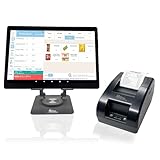
- 10.1" 8-core tablet with Wi-Fi and Bluetooth support, equipped with a 2" Bluetooth receipt printer and a stable aluminum alloy tablet stand that rotates 360°. Compatible with optional label printers, receipt printers, kitchen ticket printers, order ticket printers, barcode scanners, and electronic scales. Runs on a reliable Android operating system with built-in POS software. Hardware comes with a 1-year limited warranty
- You can download our free mobile app in iOS and Android for settings, charts, reports, and storage management. We provide a free online ordering system. You or your customers can simply scan a QR code to place orders via phone for to go delivery dine in
- LIFETIME SOFTWARE - Fast checkout, easy ordering and setup. User-friendly interface. The POS APP comes pre-installed and configured. The software is available for life and includes 1 year of customer service, 3 months of remote support, and 3 months of iCloud. No contract required, no mandatory fees
- We support payment terminals and Visa, Mastercard, Google Pay, and Apple Pay. If you sign up for our merchant services and begin accepting credit card payments after three months, we will refund you $200 for your business. Once your application is approved, you will receive a free EMV & credit card terminal
- Multifunctional-POS system, inventory management, tip tracking, membership system, reporting app, multi-region tax rate calculation, and more
Common Mistakes (and What Happens If You Ignore Them)
| Mistake | What It Causes | Fix |
|---|---|---|
| Underestimating startup costs | Running out of cash before you even get going. | Create a detailed budget and add a 15-20% contingency fund. |
| Poor location choice | Low foot traffic, lack of visibility, wrong audience. | Thoroughly research demographics, traffic patterns, and competitor presence. |
| Neglecting permits and licenses | Fines, forced closure, legal headaches. | Consult with local authorities early and often. Don’t guess. |
| Inconsistent coffee quality | Unhappy customers, bad reviews, lost repeat business. | Invest in quality beans, reliable grinders, and proper barista training. Calibrate often. |
| Bad customer service | Negative word-of-mouth, low morale, lost sales. | Hire friendly staff, train them well, and empower them to solve problems. |
| Ignoring operational efficiency | Long wait times, stressed staff, errors. | Optimize workflow, ensure adequate staffing during peak hours, and use efficient equipment. |
| Over-diversifying the menu too soon | Increased inventory costs, potential waste, diluted focus. | Start with a strong core menu and expand based on customer demand and profitability. |
| Lack of a marketing plan | Nobody knows you exist. | Develop a pre-opening and ongoing marketing strategy using social media, local outreach, etc. |
| Not understanding your financials | Poor pricing, cash flow problems, inability to grow. | Track all income and expenses meticulously. Review financial statements regularly. |
| Hiring the wrong people | Poor performance, high turnover, damage to reputation. | Take your time with hiring. Look for attitude and train for skill. |
| Skimping on equipment | Inconsistent brews, frequent breakdowns, lost revenue. | Invest in commercial-grade equipment. It’s a long-term investment. |
Decision Rules
- If the rent for a prime location is too high, then look for a slightly less visible but still accessible spot to manage costs, because cash flow is king in the first year.
- If your target audience is primarily students, then consider offering student discounts and staying open later, because their schedules and budgets differ.
- If a potential supplier offers lower prices but has inconsistent reviews, then stick with your current supplier or find a new one with a proven track record, because unreliable ingredients will hurt your product.
- If customer feedback consistently points to slow service during peak hours, then evaluate your staffing levels and workflow, because speed and efficiency are crucial for customer satisfaction.
- If you’re considering a unique, niche menu item, then test it as a special first, because you can gauge demand before committing to stocking permanent ingredients.
- If your initial financial projections show a tight margin, then focus on controlling operational costs and maximizing sales volume, because every dollar counts.
- If a competitor is offering a similar product at a lower price, then emphasize your unique selling points like quality, atmosphere, or community involvement, because you can’t always compete on price alone.
- If you’re struggling to find qualified baristas, then consider partnering with a local culinary school or offering more extensive training, because investing in your staff pays off.
- If your marketing efforts aren’t generating buzz, then analyze your channels and messaging, because you might be reaching the wrong people or not clearly communicating your value.
- If a piece of equipment breaks down frequently, then consider repair or replacement, because downtime directly impacts your ability to serve customers and generate revenue.
FAQ
How much money do I really need to start a coffee shop?
Startup costs vary wildly, but expect anywhere from $50,000 to $500,000+. It depends on location, size, equipment, and build-out. Always budget for at least 6-12 months of operating expenses.
What’s the most important thing for a coffee shop’s success?
Quality coffee and excellent customer service are paramount. People come for the coffee, but they stay for the experience.
Do I need to be a coffee expert to open a shop?
You need to understand coffee quality and brewing, but you don’t need to be a master roaster. Hiring experienced baristas and sourcing from good roasters is key.
How do I find the best location?
Look for high foot traffic, good visibility, accessibility (parking, public transport), and a demographic that matches your target customer. Don’t forget to check zoning laws.
What licenses and permits are typically required?
This is highly location-dependent. You’ll likely need a business license, food service permits, health department approvals, and possibly liquor licenses if you plan to serve alcohol.
How important is the atmosphere of my coffee shop?
Extremely important. The ambiance, decor, and comfort level significantly impact the customer experience and how long people stay.
Should I roast my own beans or buy from a roaster?
Starting with a reputable wholesale roaster is generally easier and more cost-effective. Roasting your own requires significant investment in equipment and expertise.
How do I market my coffee shop effectively?
Leverage social media, local partnerships, loyalty programs, and community events. Word-of-mouth is powerful, so focus on creating shareable experiences.
What if my coffee shop isn’t profitable right away?
Most new businesses aren’t. Focus on managing costs, refining operations, and building a loyal customer base. Analyze your financials regularly to identify issues.
What This Page Does Not Cover (and Where to Go Next)
- Detailed financial modeling and loan application strategies.
- Specific equipment reviews and brand comparisons.
- Advanced coffee brewing techniques and latte art mastery.
- Legal advice on incorporation, contracts, and employment law.
- In-depth marketing campaign planning and execution.
- Supply chain management for specialty ingredients.