
Smart Coffee And Weight Loss: What You Need To Know
Quick Answer
- “Smart coffee” products often claim to aid weight loss through ingredients like MCT oil, green tea extract, or added vitamins and minerals.
- Scientific evidence directly linking these “smart coffee” blends to significant, sustainable weight loss in humans is generally limited or inconclusive.
- The primary active ingredients, like caffeine and MCT oil, can offer some metabolic benefits, but these are usually modest and not a substitute for diet and exercise.
- Many weight loss claims for these products are based on the individual effects of ingredients, not necessarily on the synergistic effects in a coffee blend.
- Focusing on a balanced diet, regular physical activity, and consistent sleep remains the most effective and proven strategy for weight loss.
- If considering “smart coffee,” it’s wise to consult with a healthcare professional, especially if you have underlying health conditions or are taking medications.
Key Terms and Definitions
- MCT Oil: Medium-chain triglycerides, a type of fat that is rapidly absorbed and can be used for energy, often associated with ketogenic diets.
- Green Tea Extract: A concentrated form of green tea, rich in antioxidants like EGCG, which has been studied for its potential metabolic effects.
- Metabolism: The chemical processes that occur within a living organism in order to maintain life. This includes how the body converts food into energy.
- Thermogenesis: The process by which the body generates heat, which can increase calorie expenditure.
- Appetite Suppression: A reduction in the desire to eat, which can lead to consuming fewer calories.
- Antioxidants: Compounds that inhibit oxidation, a chemical reaction that can produce free radicals, thereby potentially protecting cells from damage.
- Bioavailability: The proportion and rate at which a drug or other substance is absorbed into the bloodstream and becomes available at the site of action.
- Placebo Effect: A beneficial effect produced by a placebo drug or treatment, which cannot be attributed to the properties of the placebo itself, and must therefore be due to the patient’s belief in that treatment.
- Nutraceutical: A food or food product that provides health and medical benefits, including the prevention and treatment of disease.
- Ketogenic Diet: A very low-carbohydrate, high-fat diet that shifts the body’s metabolism away from burning carbohydrates and towards burning fat for energy.
How Smart Coffee Works
- Smart coffee products typically enhance regular coffee by adding functional ingredients.
- These added ingredients are intended to offer benefits beyond the stimulating effects of caffeine.
- For example, MCT oil is often included to provide a quick source of energy and potentially support fat metabolism.
- Green tea extract may be added for its antioxidant properties and potential to modestly boost metabolism through compounds like EGCG.
- Some blends incorporate vitamins or minerals, such as B vitamins, which play a role in energy production.
- Other formulations might include adaptogens or nootropics, purported to improve focus or reduce stress, indirectly influencing eating habits.
- The idea is that by consuming these ingredients in a familiar morning ritual, users can more easily incorporate them into their daily routine.
- The combined effect of caffeine and other stimulants can sometimes lead to a temporary increase in energy expenditure, known as thermogenesis.
- Some ingredients may also contribute to a feeling of fullness or suppress appetite, potentially leading to reduced calorie intake.
- However, the efficacy and the extent of these effects vary significantly based on the specific ingredients and their concentrations.
Smart coffee products often incorporate ingredients like MCT oil for energy and green tea extract for potential metabolic support. If you’re looking to add these functional ingredients to your morning routine, consider exploring a smart coffee blend.
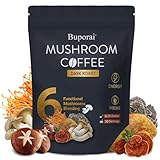
- 6 Functional Mushroom Blend: Crafted with six popular functional mushrooms: Cordyceps, Lion’s Mane, Reishi, Shiitake, Turkey Tail, and King Trumpet. A thoughtfully balanced mushroom coffee blend designed for everyday enjoyment
- Rich Dark Roast Mushroom Coffee: Blended with dark roast Arabica instant coffee for a bold, smooth flavor with a clean finish. Enjoy the depth of traditional coffee combined with the earthy notes of mushrooms
- Dark Roast with 72mg Caffeine per Serving: Each serving contains approximately 72mg of caffeine, delivering a satisfying coffee experience with moderate energy support—ideal for mornings, workdays, or afternoon breaks
- Easy to Brew & Customize: Simply mix 1 tablespoon with 8–10 oz of hot or cold water. Customize your cup with milk, creamer, or sweetener to create your perfect mushroom coffee drink
- Clean Ingredients, Vegan Friendly: Made with 100% natural ingredients. Non-GMO, gluten-free, and vegan-friendly. A convenient coffee option for those seeking a balanced daily beverage without unnecessary additives
What Affects the Result of Smart Coffee for Weight Loss
- Ingredient Quality and Concentration: The specific types and amounts of added ingredients (MCT oil, green tea extract, etc.) are crucial. Low concentrations may have minimal impact.
- Individual Metabolism: Each person’s body processes ingredients differently. What works for one person might not work for another.
- Dietary Habits: Smart coffee cannot overcome a consistently high-calorie diet. Its potential effects are amplified or negated by overall food intake.
- Physical Activity Levels: Exercise plays a significant role in calorie expenditure and metabolism. Smart coffee is unlikely to produce noticeable weight loss without accompanying physical activity.
- Sleep Quality: Poor sleep can disrupt hormones that regulate appetite and metabolism, diminishing any potential benefits from smart coffee.
- Hydration: Adequate water intake is essential for metabolic processes. Dehydration can hinder the body’s ability to function optimally.
- Caffeine Sensitivity: Some individuals are more sensitive to caffeine, which can affect energy levels, appetite, and sleep, indirectly influencing weight management.
- Consistency of Use: For any potential metabolic effects to manifest, smart coffee would likely need to be consumed consistently as part of a broader healthy lifestyle.
- Gut Health: The composition of gut bacteria can influence how nutrients are absorbed and metabolized, potentially affecting the outcomes of functional ingredients.
- Stress Levels: Chronic stress can lead to hormonal imbalances that promote weight gain, potentially counteracting the benefits of smart coffee ingredients.
- Underlying Health Conditions: Pre-existing conditions or medications can interact with the ingredients in smart coffee, altering its effects or posing health risks.
- The Placebo Effect: Belief in the product’s efficacy can lead to perceived benefits, even if the direct physiological impact is minimal.
Pros, Cons, and When It Matters
- Pro: Convenience: Incorporates potential health-boosting ingredients into a daily routine that many already follow.
- Con: Limited Scientific Evidence: Direct, robust scientific studies proving significant, sustainable weight loss specifically from “smart coffee” blends are scarce.
- Pro: Potential for Modest Metabolic Support: Ingredients like MCT oil and green tea extract have some research suggesting they can offer minor boosts to metabolism or fat utilization.
- Con: Cost: “Smart coffee” products are typically more expensive than regular coffee, and the added benefits may not justify the premium price.
- Pro: Enhanced Focus and Energy: Caffeine, a natural component of coffee, provides a well-established energy boost and can improve concentration.
- Con: Ingredient Variability: The quality, purity, and concentration of added ingredients can vary widely between brands, making consistent results unlikely.
- Pro: May Aid Appetite Control (Temporarily): Some ingredients might contribute to a feeling of fullness, potentially leading to reduced calorie intake in the short term.
- Con: Not a Magic Bullet: It’s crucial to understand that no coffee, “smart” or otherwise, can replace the fundamental principles of weight loss: a balanced diet and regular exercise.
- Pro: Can be Part of a Healthy Lifestyle: If chosen wisely and used as a supplement to a healthy diet and exercise plan, it can be a pleasant addition.
- Con: Potential Side Effects: Some individuals may experience digestive issues, jitters, or sleep disturbances from the added ingredients or increased caffeine.
- Pro: Supports Ketogenic or Low-Carb Diets: MCT oil, a common ingredient, is popular among those following ketogenic or very low-carbohydrate diets for energy.
- Con: Misleading Marketing: Many products make exaggerated claims about rapid weight loss, which can lead to disappointment and potentially unhealthy expectations.
- When It Matters: Smart coffee might matter if you are looking for a convenient way to incorporate ingredients like MCT oil or green tea extract into your diet and are already committed to a healthy lifestyle. It matters less if you are expecting a quick fix for weight loss without lifestyle changes.
Common Misconceptions
- Misconception: Smart coffee causes rapid, effortless weight loss.
- Reality: While some ingredients might offer a minor metabolic boost, significant weight loss is achieved through a caloric deficit created by diet and exercise, not by drinking special coffee alone.
- Misconception: All smart coffees are the same and equally effective.
- Reality: The effectiveness depends entirely on the specific ingredients, their quality, and their concentrations, which vary greatly from brand to brand.
- Misconception: The added ingredients in smart coffee are a substitute for a healthy diet.
- Reality: These are supplements to a diet, not replacements. A balanced diet is the cornerstone of weight management.
- Misconception: Smart coffee can negate the effects of unhealthy eating habits.
- Reality: The calorie intake from food far outweighs any minor calorie expenditure potentially stimulated by smart coffee ingredients.
- Misconception: Green tea extract in coffee guarantees fat burning.
- Reality: While green tea extract has shown some modest effects on metabolism in studies, these are typically small and require consistent consumption alongside a healthy lifestyle.
- Misconception: MCT oil in coffee will automatically put you in ketosis.
- Reality: MCT oil can be a source of ketones, but achieving nutritional ketosis requires a significant reduction in carbohydrate intake, not just adding MCT oil to coffee.
- Misconception: You’ll feel full for hours after drinking smart coffee, leading to eating less.
- Reality: While some ingredients might offer temporary satiety, the duration and intensity of this effect vary greatly among individuals and are not a reliable long-term appetite suppressant.
- Misconception: Smart coffee is a scientifically proven weight loss solution.
- Reality: Much of the evidence is based on the individual ingredients studied in isolation, not on the specific blended products in real-world weight loss scenarios.
- Misconception: The more expensive the smart coffee, the more effective it is for weight loss.
- Reality: Price does not always correlate with efficacy. It’s more important to look at the ingredient list and research the brand’s transparency.
FAQ
Q: Does smart coffee make you lose weight directly?
A: No single food or beverage, including smart coffee, directly causes weight loss on its own. Weight loss is primarily achieved through a consistent calorie deficit.
Q: What are the common ingredients in smart coffee that are linked to weight loss?
A: Common ingredients include MCT oil, green tea extract, and sometimes added vitamins or fiber. These are thought to support metabolism or appetite control, but their effects are generally modest.
Q: Is smart coffee safe for everyone?
A: It’s not necessarily safe for everyone. Individuals with caffeine sensitivity, heart conditions, or those taking certain medications should consult a doctor before consuming it.
Q: Can smart coffee help suppress appetite?
A: Some ingredients, like caffeine and fiber (if added), may contribute to a feeling of fullness or slightly reduce appetite temporarily for some individuals.
Q: How much weight can I expect to lose with smart coffee?
A: It’s unrealistic to expect significant weight loss solely from smart coffee. It should be viewed as a potential minor supplement to a comprehensive weight loss plan.
Q: What is the role of MCT oil in smart coffee for weight loss?
A: MCT oil is rapidly digested and can be used for energy, potentially sparing muscle mass and providing a quick fuel source that may support fat metabolism when combined with a low-carb diet.
Q: Should I replace my regular coffee with smart coffee for weight loss?
A: You can, but understand that the added benefits for weight loss are often subtle. Focus on the overall dietary and lifestyle changes that drive weight loss.
Q: Are there any scientific studies proving smart coffee’s effectiveness for weight loss?
A: While studies exist for individual ingredients like MCT oil and green tea extract, robust, large-scale clinical trials specifically on blended “smart coffee” products for sustained weight loss are limited.
What This Page Does Not Cover (and Where to Go Next)
- Specific Brand Recommendations: This page does not recommend particular smart coffee brands or products. You should research brands for ingredient transparency and third-party testing.
- Detailed Nutritional Science: In-depth biochemical pathways and the precise mechanisms of every ingredient are not covered. For more detail, consult peer-reviewed scientific literature.
- Personalized Health Advice: This information is general. For advice tailored to your health, consult a registered dietitian or a healthcare provider.
- Recipes for Homemade Smart Coffee: This article focuses on commercially available products and does not provide instructions for creating your own blends at home.
- Advanced Diet and Exercise Plans: Specific meal plans or workout routines for weight loss are outside the scope of this article. You may wish to explore resources on nutrition and fitness.