
Simple Latte with Instant Coffee and Milk
Quick Answer
- Use good quality instant coffee. It matters more than you think.
- Heat your milk. Don’t scald it, just get it nice and warm.
- Froth your milk. A whisk, a jar, or a frother – whatever works.
- Dissolve your instant coffee with a little hot water. Make a concentrated shot.
- Combine the coffee and frothed milk. Pour slowly for a layered look.
- Sweeten to taste. Sugar, syrup, honey – your call.
Who This Is For
- The busy morning person who needs a caffeine fix fast.
- Someone who doesn’t have a fancy espresso machine but craves a latte.
- The budget-conscious coffee lover looking for a simple at-home solution.
What to Check First
Brewer Type and Filter Type
This isn’t about a traditional brewer, but your “brewer” is essentially your instant coffee jar and how you dissolve it. The “filter” is really about how you’re handling your milk. Are you just heating it, or are you aiming for foam?
Water Quality and Temperature
Even for instant coffee, water quality makes a difference. Stale or mineral-heavy tap water can make your coffee taste flat. For dissolving the coffee, hot, but not boiling, water is best. Around 175-185°F (80-85°C) is a good target. Too hot and you can scorch the coffee. For heating milk, aim for around 150-160°F (65-70°C).
Grind Size and Coffee Freshness
With instant coffee, “grind size” is irrelevant. It’s already dissolved. However, “freshness” still matters. Old instant coffee can lose its flavor and develop a stale, bitter taste. Look for a date on the packaging and try to use it within a year or two of purchase. Store it in an airtight container in a cool, dark place.
Coffee-to-Water Ratio
This is key for that strong coffee base. For a single latte, start with about 1-2 teaspoons of instant coffee per 1-2 ounces of hot water. This creates a concentrated shot, similar to espresso. You can always add more coffee if you want it stronger.
Cleanliness/Descale Status
While you’re not descaling a machine, make sure your mug, whisk, or frothing device is clean. Any residue can affect the taste of your latte. A clean workspace is always a good start.
Step-by-Step: Simple Latte Workflow
1. Gather your ingredients: Get your favorite instant coffee, milk (dairy or non-dairy), sweetener (optional), and your mug.
- What “good” looks like: Everything is within reach and ready to go. No rummaging needed.
- Common mistake: Forgetting a key ingredient, like the milk or sweetener. Have it all out before you start.
Start by gathering your ingredients, including your favorite instant coffee, milk, sweetener, and of course, a good coffee mug to enjoy your creation in.
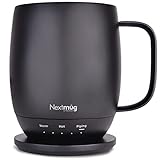
- ALWAYS THE PERFECT TEMPERATURE – The Nextmug will keep your hot coffee, tea or preferred beverage at the perfect temperature wherever you are. Simply select Warm (130° F), Hot (140° F), or Piping (150° F) and enjoy for hours.
- SMART MUG TECHNOLOGY – Long-lasting battery maintains your ideal temperature. LED lights display battery life & real-time temperature. Includes Spill-Resistant Lid & Charging Coaster.
- SUPER SIMPLE – On-board Control Button easily turns mug On/Off & sets the temperature. Takes only seconds to set the mug to your perfect temperature. No app required - no passwords, re-booting or security concerns.
- THE PERFECT GIFT - Give the gift for him and the gift for her that is certain to delight. Perfect for everyone on your list…moms, dads, grandmas, grandpas, teachers, birthdays, graduations and more!
- NEXTMUG CARES - Nextmug cares about our communities and our customers. We care by donating Nextmugs to teachers and first responders . We’re also committed to sustainable packaging by using 100% recyclable materials with all our products. Our dedicated customer service agents are based in the USA and always ready to help.
2. Heat your milk: Pour your desired amount of milk into a saucepan or microwave-safe container. Heat it gently until it’s warm, not boiling.
- What “good” looks like: Steaming, but not bubbling furiously.
- Common mistake: Boiling the milk. This can create a skin and a burnt taste. Heat it slowly.
3. Dissolve the instant coffee: Spoon 1-2 teaspoons of instant coffee into your mug. Add 1-2 ounces of hot (not boiling) water. Stir until completely dissolved.
- What “good” looks like: A smooth, dark liquid with no coffee granules left.
- Common mistake: Using cold water. The coffee won’t dissolve properly, leaving gritty bits.
4. Sweeten the coffee (optional): If you like a sweet latte, add your sugar, syrup, or other sweetener to the dissolved coffee and stir well.
- What “good” looks like: Sweetener is fully incorporated.
- Common mistake: Adding sweetener to the frothed milk. It’s harder to dissolve evenly.
5. Froth your milk: This is where the magic happens.
- Option A (Whisk): If you have a whisk, vigorously whisk the warm milk in the saucepan or container until frothy.
- Option B (Jar): Pour warm milk into a clean jar, seal it tightly, and shake vigorously for 30-60 seconds.
- Option C (Frother): Use a handheld milk frother according to its instructions.
- What “good” looks like: Lots of light, airy foam on top of the warm milk.
- Common mistake: Not frothing enough. You want that creamy texture, not just warm milk.
6. Pour the coffee base: Gently pour the dissolved instant coffee mixture into the bottom of your serving mug.
- What “good” looks like: A dark layer at the base of the mug.
- Common mistake: Filling the mug too high with coffee. You need space for the milk.
7. Add the frothed milk: Spoon some of the foam off the top of the milk and set it aside. Slowly pour the rest of the warm milk into the mug, over the coffee.
- What “good” looks like: The milk and coffee start to mix, creating a lighter brown color.
- Common mistake: Pouring too fast. This will just mix everything into one muddy color immediately.
8. Top with foam: Spoon the reserved milk foam on top of your latte.
- What “good” looks like: A fluffy layer of foam crowning your drink.
- Common mistake: Skipping this step. The foam is what makes it a latte, not just coffee with milk.
9. Optional: Drizzle or sprinkle: Add a touch of cinnamon, cocoa powder, or a drizzle of syrup if you like.
- What “good” looks like: A nice finishing touch that enhances the flavor and appearance.
- Common mistake: Overdoing it. A little goes a long way.
Common Mistakes (and What Happens If You Ignore Them)
| Mistake | What It Causes | Fix |
|---|---|---|
| Using stale instant coffee | Flat, bitter, or unpleasant coffee taste | Use fresh instant coffee; store properly in an airtight container. |
| Using boiling water for coffee | Scorched, bitter coffee flavor | Use hot water (175-185°F / 80-85°C), not boiling. |
| Using cold water for coffee | Coffee won’t dissolve properly, gritty texture | Ensure water is hot enough to dissolve the instant coffee completely. |
| Boiling milk | Scalded taste, skin forms on milk, less foam | Heat milk gently to steaming (150-160°F / 65-70°C), avoid boiling. |
| Not frothing milk enough | Lacks creamy texture, more like coffee with warm milk | Vigorously whisk, shake, or use a frother until light and airy foam forms. |
| Pouring milk too fast into coffee | Coffee and milk mix too quickly, muddy appearance | Pour warm milk slowly over the coffee base to create layers. |
| Not dissolving coffee completely | Gritty texture, uneven flavor | Stir until all coffee granules are dissolved in the hot water. |
| Using dirty equipment | Off-flavors, unappealing taste | Always use clean mugs, whisks, jars, and frothers. |
| Too much coffee for too little water | Overly strong, undrinkable coffee base | Start with 1-2 tsp coffee per 1-2 oz water; adjust to your preference. |
| Too much water for too little coffee | Weak, watery coffee base | Use a concentrated coffee-to-water ratio for a strong foundation. |
Decision Rules
- If your instant coffee tastes bitter, then try using slightly cooler water next time because water that’s too hot can scorch the coffee.
- If your milk doesn’t froth well, then try heating it a bit longer (but still not boiling) because warmer milk froths better.
- If your latte looks like plain brown coffee, then you likely poured the milk too fast; slow down the pour next time to get layers.
- If you find gritty bits in your latte, then ensure you’re using hot water to dissolve the instant coffee and stirring thoroughly.
- If your latte is too weak, then increase the amount of instant coffee or decrease the amount of water used for the coffee base.
- If your latte is too strong, then add a little more hot water to the coffee base or a bit more milk to the final drink.
- If your milk tastes burnt, then you likely overheated it; aim for steaming, not boiling.
- If you want a sweeter drink, then add sweetener to the coffee base before adding milk for easier dissolving.
- If you’re using non-dairy milk, then check its frothing capabilities; some froth better than others.
- If your coffee flavor is just “meh,” then try a different brand of instant coffee; quality varies.
FAQ
Q: Can I use any kind of milk?
A: Yep, dairy or non-dairy milk works. Whole milk usually froths the best, but oat and soy milk are often good alternatives.
Q: How do I make it look like a fancy coffee shop latte?
A: The key is slowly pouring the milk and then spooning the foam on top. Some people get really good at latte art with practice, but a nice fluffy top is a great start.
Q: Is instant coffee really “coffee”?
A: Technically, yes. It’s brewed coffee that’s been dehydrated. It’s a convenient option when you don’t have time or equipment for traditional brewing.
Q: What’s the difference between this and a regular latte?
A: A traditional latte uses espresso. This version uses a concentrated shot of instant coffee, which is a shortcut but gets you a similar creamy, milky coffee drink.
Q: How much instant coffee should I use?
A: Start with 1-2 teaspoons per 1-2 ounces of hot water for a strong base. Adjust based on how intense you like your coffee flavor.
Q: Can I make this ahead of time?
A: It’s best made fresh. The frothed milk will lose its foam quickly, and the flavors are best when everything is combined right before drinking.
Q: What if I don’t have a whisk or frother?
A: A clean jar and some vigorous shaking works surprisingly well! You can also try a regular fork and lots of elbow grease.
Q: Does the type of instant coffee matter?
A: Absolutely. A good quality instant coffee will taste much better than a cheap, stale one. Experiment to find one you like.
What This Page Does NOT Cover (and Where to Go Next)
- Espresso-based latte recipes: This guide is for instant coffee. For true espresso, you’ll need an espresso machine.
- Advanced latte art techniques: Achieving intricate designs requires specific tools and practice beyond this simple method.
- Different brewing methods for whole bean coffee: If you’re interested in pour-overs, French press, or drip coffee, those are different worlds.
- Milk steaming techniques with an espresso machine: Professional machines have steam wands for specific milk texturing.
- Flavor infusion beyond simple syrups: Complex syrups or homemade flavorings are a whole other topic.