
Simple Cold Coffee Recipe For Home
Quick Answer: How to Make Cold Coffee at Home
- Use cold brew coffee concentrate as your base for the smoothest flavor.
- Chill your coffee and milk thoroughly before mixing.
- Adjust sweetness and creaminess to your personal preference.
- Start with a 1:1 ratio of coffee concentrate to milk and adjust from there.
- Consider adding a touch of vanilla extract or a pinch of salt to enhance flavor.
- Experiment with different milk alternatives to find your favorite taste.
- Serve over plenty of ice for a truly refreshing drink.
Who This Is For
- Home coffee drinkers who want a refreshing, chilled beverage without a trip to the coffee shop.
- Individuals looking for a simple, customizable recipe that can be made with basic kitchen equipment.
- Anyone seeking a delicious way to use leftover coffee or make a batch of concentrate for quick drinks throughout the week.
What to Check First For Your Cold Coffee
Before you begin brewing your cold coffee, a few key elements can make a significant difference in the final taste and texture.
Coffee Type and Brewing Method
- What to check: Are you using ground coffee or whole beans? What brewing method do you typically use for hot coffee, or do you plan to make a cold brew concentrate?
- What “good” looks like: For cold coffee, a medium to coarse grind is generally best, especially for cold brewing. If using hot coffee, a finer grind might be acceptable, but it can lead to bitterness if over-extracted.
- Common mistake to avoid: Using coffee that’s too finely ground for your chosen method can result in over-extraction and a bitter taste, particularly with cold brew. Always check your grinder settings and the recommendations for your brewing device.
Water Quality and Temperature
- What to check: Is your tap water treated or filtered? What temperature will your coffee be brewed at (if applicable) or chilled to?
- What “good” looks like: Filtered water is ideal for a clean, pure coffee flavor. For cold brew, room temperature or cool water is used. If making hot coffee to chill, ensure it cools completely before adding ice or milk.
- Common mistake to avoid: Using chlorinated or mineral-heavy tap water can impart off-flavors into your coffee. Letting hot coffee sit out too long to cool can also affect its freshness and taste.
Coffee Freshness and Grind Size
- What to check: How recently were your coffee beans roasted and ground?
- What “good” looks like: Freshly roasted and freshly ground coffee beans will yield the most vibrant flavors. For cold brew, a consistent, medium to coarse grind is key.
- Common mistake to avoid: Using stale coffee grounds will result in a flat, uninspired flavor. Grinding too fine for cold brew can lead to sediment and bitterness.
Coffee-to-Water Ratio (for Cold Brew Concentrate)
- What to check: If making cold brew concentrate, what ratio of coffee grounds to water are you using?
- What “good” looks like: A common starting point for cold brew concentrate is a 1:4 to 1:8 ratio of coffee to water (e.g., 1 cup of coffee grounds to 4-8 cups of water). This yields a strong base that can be diluted later.
- Common mistake to avoid: Using a ratio too close to what you’d use for hot coffee will result in a weaker cold brew that lacks the desired depth of flavor. Too much coffee can make it overly strong and difficult to dilute properly.
Cleanliness of Equipment
- What to check: Are your brewing equipment, storage containers, and serving glasses clean?
- What “good” looks like: All equipment should be free of old coffee oils or residue. A quick rinse with hot water or a gentle wash with soap is usually sufficient.
- Common mistake to avoid: Old coffee oils can turn rancid and impart a bitter, unpleasant taste to your fresh brew. Ensure everything is thoroughly cleaned before and after use.
Step-by-Step: Simple Cold Coffee Workflow
This workflow focuses on using pre-made cold brew concentrate for simplicity and speed. If you need to make cold brew first, that process takes 12-24 hours.
1. Prepare Your Cold Brew Concentrate:
- What to do: Brew your cold coffee concentrate using your preferred method (e.g., French press, cold brew maker, mason jar). Aim for a ratio of 1 part coffee to 4-8 parts water.
- What “good” looks like: A strong, flavorful coffee liquid that you’ll dilute later. It should taste rich and smooth.
- Common mistake to avoid: Using too much water in your initial brew. This results in a weak concentrate that won’t have enough flavor to stand up to dilution with milk and ice.
2. Chill Your Concentrate:
- What to do: Once brewed, let the concentrate cool to room temperature, then refrigerate it until thoroughly chilled.
- What “good” looks like: A cold, ready-to-use coffee base.
- Common mistake to avoid: Pouring hot or warm concentrate directly over ice. This will melt the ice too quickly, diluting your drink before you’ve even added other ingredients.
3. Gather Your Add-ins:
- What to do: Select your milk (dairy or non-dairy), sweetener (sugar, syrup, honey), and any optional flavorings like vanilla extract or cinnamon.
- What “good” looks like: A variety of choices to customize your drink.
- Common mistake to avoid: Not having your ingredients ready. This can lead to a rushed process and potentially forgetting an ingredient you wanted to add.
4. Chill Your Milk and Add-ins:
- What to do: Ensure your milk and any liquid sweeteners are also well-chilled in the refrigerator.
- What “good” looks like: Cold milk that won’t drastically warm up your coffee.
- Common mistake to avoid: Using lukewarm milk. This will compromise the coldness of your final beverage.
5. Prepare Your Serving Glass:
- What to do: Choose a tall glass and fill it generously with ice cubes.
- What “good” looks like: A glass packed with ice, ready to keep your drink frosty.
- Common mistake to avoid: Not using enough ice. Your drink will warm up faster, and the flavor will become diluted as the ice melts.
To truly enjoy your homemade cold coffee, make sure you have the right serving ware. These iced coffee glasses are perfect for keeping your drink frosty.
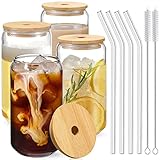
- PRODUCT CONFIGURATION: Drinking glass set includes 4 glass cups [ Diameter - 3 inches, Height - 5.6 inches ],4 nature bamboo lids, 4 reusable glass straws and 2 cleaning brushes, Classic design tumbler
- DURABLE and SAFE: The glasses are made of high-quality durable clear glass, Lead-free and BPA-free. It can be used safely for a long time. This thick clear glass can withstand the sudden changes in the temperature difference between -68°F to 212°F, making them dishwasher safe. If you want to decorate this glass, you can do DIY easily without breakage
- MULTI-PURPOSE: The glassware Great for any Occasion, any hot and cold drinks, home essentials. It is widely loved by families, kitchen, breweries, cafes, bars and restaurants. You can use it to make perfect tea, bubble Pearl Milk Tea, soda, water, iced coffee, smoothie, fruit juice or any other interesting holiday drinks
- AMAZING GIFT: This jar is very fashionable, aesthetic and characteristic. Excellent workmanship. Perfect Gifts for Women, House warming gifts, Tea mug Sets, Highball Glasses, Home Bar Accessories, Birthdays, Graduation, Weddings and Christmas Gifts
- SATISFIED SERVICE: This glass set is packaged in the heavy bubble holder and thick carton box to prevent damage while in transport. If the glass set you received was damaged or imperfect or you are not satisfied, we will offer a satisfactory solution
6. Add Coffee Concentrate to Glass:
- What to do: Pour your chilled cold brew concentrate over the ice. A good starting point is equal parts concentrate to milk, so pour about half the volume of your glass.
- What “good” looks like: A layer of dark coffee filling the glass about halfway.
- Common mistake to avoid: Overfilling with concentrate. You need space for milk and any other additions.
7. Add Milk:
- What to do: Pour your chilled milk over the concentrate and ice. Start with an equal amount to the concentrate (e.g., if you used 4 oz of concentrate, add 4 oz of milk).
- What “good” looks like: The glass is now mostly full, with distinct layers of coffee and milk before stirring.
- Common mistake to avoid: Adding too much milk initially. You can always add more, but you can’t take it away.
8. Add Sweetener and Flavorings (Optional):
- What to do: Stir in your desired sweetener and any flavor extracts or spices.
- What “good” looks like: The additions are incorporated into the liquid.
- Common mistake to avoid: Adding granulated sugar directly to a cold drink. It will likely not dissolve properly and will settle at the bottom. Use liquid sweeteners or ensure sugar is dissolved in a small amount of hot water first, then cooled.
9. Stir Gently:
- What to do: Use a spoon or straw to gently stir the mixture until the coffee and milk are well combined.
- What “good” looks like: A uniform color throughout the drink, with no distinct layers of coffee or milk remaining.
- Common mistake to avoid: Stirring too vigorously. This can create excess foam and potentially melt the ice faster than necessary.
10. Taste and Adjust:
- What to do: Take a sip and assess the flavor. Add more milk for a lighter taste, more sweetener for sweetness, or more concentrate for a bolder coffee flavor.
- What “good” looks like: A perfectly balanced, refreshing cold coffee that meets your taste preferences.
- Common mistake to avoid: Not tasting and adjusting. This can lead to a drink that’s too sweet, too bitter, or not strong enough.
11. Serve Immediately:
- What to do: Enjoy your homemade cold coffee right away.
- What “good” looks like: A cold, delicious, and satisfying beverage.
- Common mistake to avoid: Letting it sit for too long. While cold, the ice will continue to melt, eventually diluting the flavor.
Common Mistakes (and What Happens If You Ignore Them)
| Mistake | What It Causes | Fix |
|---|---|---|
| Using finely ground coffee for cold brew | Cloudy concentrate, sediment, bitter taste, over-extraction | Use a medium to coarse grind. Check your grinder settings and experiment. |
| Not chilling coffee concentrate fully | Melted ice, diluted drink, less refreshing | Refrigerate the concentrate until it’s cold to the touch before using. |
| Using warm milk | Lukewarm final drink, less enjoyable | Always chill your milk thoroughly in the refrigerator before adding it to your cold coffee. |
| Not using enough ice | Drink warms up too quickly, flavor becomes diluted | Fill your glass generously with ice cubes. Consider using larger ice cubes that melt slower. |
| Adding granulated sugar directly to cold liquid | Sugar doesn’t dissolve, gritty texture, settles at the bottom | Use liquid sweeteners (syrups, honey) or dissolve sugar in a small amount of hot water first, then cool it before adding. |
| Over-extraction during hot coffee brewing | Bitter, harsh flavor in the final cold coffee | If using hot coffee, ensure proper brewing time and temperature. Let it cool completely before chilling and mixing. |
| Using stale coffee beans or grounds | Flat, dull, or off-flavors in your cold coffee | Use freshly roasted beans and grind them just before brewing. Store coffee in an airtight container away from light and heat. |
| Not cleaning equipment properly | Rancid coffee oils impart unpleasant bitterness and off-flavors | Wash brewing equipment, storage containers, and glasses thoroughly after each use with hot water and mild soap. |
| Incorrect coffee-to-water ratio for concentrate | Weak or overly strong cold brew base, difficult to balance flavor | Start with a 1:4 to 1:8 ratio for concentrate and adjust based on your preference. Dilute to taste. |
| Using unfiltered tap water | Off-flavors from chlorine or minerals can negatively impact coffee taste | Use filtered water for brewing and mixing to ensure the purest coffee flavor. |
| Adding too much milk too early | Drink becomes too weak, dilutes the coffee flavor too much | Start with a balanced ratio of concentrate to milk and add more milk gradually to achieve your desired strength and creaminess. |
| Not tasting and adjusting | Drink is too sweet, too bitter, or not strong enough | Taste your cold coffee before serving and adjust sweetness, milk, or coffee concentrate as needed to achieve your perfect balance. |
Decision Rules for How to Make Cold Coffee at Home
- If your cold brew concentrate tastes bitter, then you likely used too fine a grind or brewed for too long, so try a coarser grind or shorter brew time next time.
- If your cold coffee isn’t strong enough, then add more cold brew concentrate because you may have used too much milk or not enough coffee initially.
- If your cold coffee tastes watery, then you need more ice or less milk because the ice has melted too quickly, diluting the drink.
- If you prefer a sweeter drink, then add a liquid sweetener like simple syrup or honey because granulated sugar won’t dissolve well in cold liquids.
- If you want a creamier texture, then use whole milk or a creamer like half-and-half because these have higher fat content.
- If you’re sensitive to caffeine, then use decaffeinated coffee beans for your cold brew concentrate because this will significantly reduce the caffeine content.
- If you’re making cold coffee for guests, then prepare a larger batch of cold brew concentrate in advance because it can be stored in the refrigerator for up to two weeks.
- If you want to avoid a gritty texture in your cold brew, then ensure your coffee grounds are consistently coarse and that you’ve filtered the concentrate properly.
- If your cold coffee tastes “off” or stale, then check the freshness of your coffee beans and ensure all your equipment is clean because old coffee oils can go rancid.
- If you’re in a hurry and don’t have cold brew concentrate, then brew a strong batch of hot coffee, let it cool completely in the refrigerator, and then use it as a base.
- If you want to experiment with flavors, then add a splash of flavored syrup (like caramel or hazelnut) or a pinch of cinnamon or nutmeg to your cold coffee.
- If you notice sediment at the bottom of your glass, then your cold brew might have been filtered imperfectly, so consider a finer filter next time or stir gently before drinking.
FAQ
What is the best coffee to use for cold coffee?
For the smoothest flavor, cold brew concentrate is ideal. If using hot coffee, a medium roast often works well, but the key is using fresh, good-quality beans that you enjoy the taste of.
How long does cold brew concentrate last in the refrigerator?
Properly stored cold brew concentrate can last for about 1 to 2 weeks in an airtight container in the refrigerator. Always check for any off smells or flavors before using.
Can I make cold coffee without a special cold brew maker?
Yes, absolutely. You can use a French press, a mason jar, or even a simple sieve lined with cheesecloth to make cold brew concentrate at home. The process involves steeping coarse grounds in cool water for 12-24 hours.
What’s the difference between cold brew and iced coffee?
Cold brew is made by steeping coffee grounds in cold water for an extended period (12-24 hours), resulting in a smoother, less acidic concentrate. Iced coffee is typically hot coffee that has been brewed, then chilled and served over ice, which can sometimes result in a more bitter taste.
How do I make my cold coffee less bitter?
Bitterness in cold coffee often comes from over-extraction. For cold brew, use a coarser grind and avoid steeping for too long. If using hot coffee, ensure it’s brewed correctly and cooled properly. Using filtered water and ensuring your equipment is clean also helps.
Can I sweeten cold coffee with sugar?
While you can, granulated sugar doesn’t dissolve well in cold liquids. It’s best to use liquid sweeteners like simple syrup, honey, or flavored syrups. If you must use granulated sugar, dissolve it in a small amount of hot water first, then let it cool before adding it to your cold coffee.
What kind of milk is best for cold coffee?
This is entirely up to your preference! Whole milk or half-and-half will give you a richer, creamier texture. Dairy-free alternatives like almond, oat, or soy milk can also be used and offer unique flavor profiles.
How much caffeine is in homemade cold coffee?
The caffeine content can vary significantly based on the type of coffee beans used, the brewing method, and the coffee-to-water ratio. Cold brew concentrate generally has a higher caffeine concentration than regular drip coffee, so it’s important to dilute it to your desired strength.
Can I add flavorings to my cold coffee?
Yes! Vanilla extract, cinnamon, nutmeg, cocoa powder, or flavored syrups are all great additions. Experiment with different combinations to create your signature cold coffee drink.
What This Page Does Not Cover (and Where to Go Next)
- Detailed Cold Brew Concentrate Recipes: This guide assumes you have a base of cold brew concentrate or hot coffee. For specific instructions on making cold brew from scratch, explore resources dedicated to cold brew methods.
- Advanced Espresso-Based Cold Drinks: This article focuses on simple, non-espresso cold coffee. If you’re interested in drinks like iced lattes or cappuccinos, you’ll need an espresso machine and related techniques.
- Specific Coffee Bean Recommendations: While freshness is key, the choice of coffee bean (origin, roast level) is highly personal. Further exploration into coffee tasting notes and origins can help you find your perfect bean.
- Commercial Cold Coffee Makers: This guide focuses on home brewing with common equipment. For information on specialized commercial or high-end home cold brew systems, consult manufacturer guides.