
Whip Up a Refreshing Coffee Coolatta
Quick answer
- Use a good quality cold brew concentrate or strong chilled coffee.
- Blend with ice, milk (or alternative), sweetener, and vanilla extract until smooth.
- Adjust sweetness and thickness to your liking.
- Use a high-powered blender for the best texture.
- Don’t over-blend, or it can become watery.
- Taste and tweak before serving.
For the smoothest, most consistent texture, we recommend using a high-powered blender like this one.
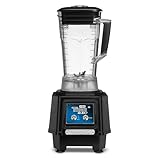
- Blend three 16 oz. margaritas in 8 seconds or less
- High performance, 2 HP, 2-speed motor with 24,000 max RPM
- Durable, stainless steel, user-replaceable drive coupling
- 64 oz., stackable, BPA-free, copolyester jar
- cETLus, NSF
Who this is for
- Anyone craving a sweet, frozen coffee treat at home.
- Coffee lovers who want a break from hot brews.
- Those who enjoy customizable drinks without the coffee shop price tag.
What to check first
Brewer type and filter type
This is less about the initial brew for a Coolatta and more about what you’re starting with. If you’re making your own concentrate, a simple drip or French press works fine. For a smoother final drink, consider a finer filter if you’re worried about sediment.
Water quality and temperature
Start with good water. If your tap water tastes funky, your Coolatta will too. For the base, you want it cold. If you brewed hot coffee, chill it thoroughly in the fridge.
Grind size and coffee freshness
For cold brew, a coarse grind is usually best. This prevents over-extraction and bitterness. Freshly ground beans always win. Stale coffee just tastes… well, stale.
Coffee-to-water ratio
For a concentrate, you’re looking at a higher coffee ratio, maybe 1:4 or 1:5 (coffee to water by weight). This gives you that punchy flavor that won’t get lost when diluted with ice and milk.
Cleanliness/descale status
Your blender needs to be clean. No one wants yesterday’s smoothie lingering in their Coolatta. If your blender has seen better days, give it a good scrub.
Step-by-step (brew workflow)
1. Prepare your coffee base: Brew strong coffee or cold brew concentrate.
- What “good” looks like: A potent, flavorful liquid that’s intensely coffee-forward.
- Common mistake: Using regular strength coffee. It’ll taste weak after blending. Avoid this by brewing it twice as strong as usual, or using a cold brew concentrate.
2. Chill the coffee base: Refrigerate until completely cold.
- What “good” looks like: Cold to the touch. No warmth at all.
- Common mistake: Rushing this step. Putting warm coffee into the blender melts the ice too fast. Patience here is key.
3. Gather your ingredients: Get your cold coffee, ice, milk (or alternative), sweetener, and vanilla extract ready.
- What “good” looks like: Everything measured out and within easy reach.
- Common mistake: Not having ingredients prepped. Fumbling around mid-blend is a recipe for disaster.
4. Add coffee to the blender: Pour your chilled coffee base into the blender jar.
- What “good” looks like: The liquid base is the first thing in.
- Common mistake: Putting ice in first. This can sometimes lead to an uneven blend.
5. Add milk (or alternative): Pour in your chosen milk. Start with a smaller amount.
- What “good” looks like: A creamy liquid mixing with the coffee.
- Common mistake: Adding too much milk upfront. You can always add more to thin it out.
6. Add sweetener and vanilla: Drizzle in your sweetener and add vanilla extract.
- What “good” looks like: The flavor enhancers are in.
- Common mistake: Forgetting the vanilla. It really elevates the flavor.
Don’t forget to add your preferred sweetener; this one offers great versatility for your Coolatta.
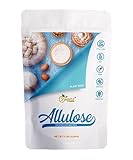
- 【AMAZING TASTE AND CALORIE-FREE】 Allulose is a monosaccharide or simple sugar that naturally exists in some fruits. It closely resembles the flavor of regular sugar but without any unpleasant aftertaste. Allulose is about 70% as sweet as sugar, but contains less than 10% of the calories found in sucrose, making it virtually calorie-free while still providing the natural sweetness of sugar.
- 【GREAT TEXTURE, VOLUME, AND CARAMELIZATION】 Allulose virtually replicates the texture and volume of sugar, while also demonstrating similar caramelization and thickening properties when used in baking and cooking. These exceptional characteristics set allulose apart as an excellent ingredient for achieving desired outcomes in a wide range of culinary applications that align with your healthy lifestyle.
- 【MORE ALLULOSE BLENDS】 Going beyond Allulose, G-Sweetz Allulose sweeteners broaden your options by blending with a variety of intensive sweeteners such as Monk Fruit extract, Stevia Extract, a combination of both, or the classic sucralose. Each sweetener series, derived from Allulose blends, provides a range of sweetness levels from 1X to 20X, ensuring both your sweet tooth and budget are perfectly catered to!
- 【HEALTHY CHOICES】 Upgrade your sweet experience with a sugary-tasting sweetener that's Keto-friendly, containing 0 net carbs. Our allulose is derived from natural ingredients and is free of GMOs, additives, artificial flavors, soy, and gluten. This sweetener is also vegan-friendly, tooth-friendly, and has zero sugar. Enjoy its delicious taste without worrying about any negative side effects.
- 【US QUALITY】 Our products are made and tested in accordance with approved product standards. Our facilities are registered with the FDA and comply with the regulations and licensing requirements of the New Jersey Department of Health and Earth Kosher. For any product inquiries, our US-based live support team is available to assist you.
7. Add ice: Fill the blender with ice. The amount depends on how thick you want it.
- What “good” looks like: A generous amount of ice, filling most of the blender.
- Common mistake: Not using enough ice. This leads to a thin, watery drink.
8. Blend on low, then high: Start the blender on a low setting, then gradually increase to high.
- What “good” looks like: The mixture starts to churn and break down.
- Common mistake: Immediately blasting on high. This can make the ice chunky or unevenly blended.
9. Blend until smooth: Continue blending until the mixture is thick and smooth, with no large ice chunks.
- What “good” looks like: A consistent, frosty texture. Like a milkshake.
- Common mistake: Over-blending. This can melt the ice too much, making it soupy.
10. Taste and adjust: Carefully taste the mixture. Add more sweetener, milk, or coffee if needed.
- What “good” looks like: It tastes just right to you.
- Common mistake: Not tasting! You might end up with a drink that’s too sweet, not sweet enough, or too thick/thin.
11. Pour and serve: Pour the Coolatta into a tall glass.
- What “good” looks like: A frosty, delicious-looking beverage.
- Common mistake: Letting it sit too long. It’s best enjoyed immediately.
12. Garnish (optional): Top with whipped cream or a drizzle of chocolate syrup if you’re feeling fancy.
- What “good” looks like: A visually appealing finish.
- Common mistake: Skipping the fun stuff. It’s a treat, after all!
Common mistakes (and what happens if you ignore them)
| Mistake | What it causes | Fix |
|---|---|---|
| Using hot or warm coffee | Melts ice too fast, results in a watery drink. | Chill coffee thoroughly in the fridge. |
| Not using strong enough coffee | Weak flavor that gets lost when blended with ice. | Brew coffee extra strong or use a cold brew concentrate. |
| Too much milk/liquid upfront | Drink becomes too thin, not icy enough. | Start with less liquid and add more as needed to reach desired consistency. |
| Not enough ice | Lacks the thick, frozen texture of a Coolatta. | Use plenty of ice; adjust based on desired thickness. |
| Over-blending | Melts ice, makes the drink soupy and less refreshing. | Blend just until smooth, then stop. |
| Under-blending | Chunky ice pieces, inconsistent texture. | Ensure all ice is broken down and fully incorporated. |
| Using stale coffee beans | Flat, dull coffee flavor that won’t improve. | Use freshly roasted and ground coffee beans for the best taste. |
| Incorrect coffee-to-water ratio (for concentrate) | Bitter or weak base that impacts the final drink. | Aim for a higher coffee ratio (e.g., 1:4 or 1:5) for concentrate. |
| Not tasting and adjusting | Drink is too sweet, not sweet enough, or wrong texture. | Always taste before serving and adjust ingredients as needed. |
| Using a weak blender | Struggles to break down ice, leads to poor texture. | Use a high-powered blender for the smoothest results. |
Decision rules (simple if/then)
- If your Coolatta is too thin, then add more ice and blend briefly because more ice will thicken it up.
- If your Coolatta is too thick, then add a splash more milk or coffee and blend briefly because more liquid will thin it out.
- If your Coolatta lacks coffee flavor, then add more cold brew concentrate or strong chilled coffee because you need a stronger base.
- If your Coolatta is not sweet enough, then add more sweetener (sugar, syrup, etc.) and blend briefly because sweetness is key to this drink.
- If your Coolatta has icy chunks, then blend for a few more seconds on high because longer blending will break down the ice.
- If your Coolatta tastes watery, then you likely used too much milk or didn’t use enough ice, so try again with less liquid and more ice.
- If your blender is struggling, then stop and let the mixture sit for a minute, or add a bit more liquid, because the motor can overheat.
- If you want a richer flavor, then add a bit more vanilla extract or a touch of cream, because these enhance the coffee notes.
- If you prefer a less sweet drink, then reduce the amount of sweetener you add initially because you can always add more.
- If your coffee base is bitter, then you might have over-extracted during brewing or used too fine a grind for cold brew, so adjust your brewing method next time.
FAQ
How do I make my coffee Coolatta thicker?
Add more ice to the blender. Start with a little less liquid than you think you need, and you can always add more to thin it out.
What kind of coffee should I use?
A strong cold brew concentrate is ideal. Alternatively, brew very strong hot coffee and chill it completely. The key is a potent coffee flavor.
Can I use non-dairy milk?
Absolutely. Almond milk, oat milk, or soy milk work great. They can sometimes alter the flavor profile slightly, so experiment to find your favorite.
How much sweetener should I use?
This is totally up to your taste. Start with a tablespoon or two of simple syrup, sugar, or your preferred sweetener, and add more after tasting.
My Coolatta tastes watery. What went wrong?
Likely too much liquid (milk or coffee) or not enough ice. Ensure your coffee base is fully chilled and use a generous amount of ice.
Can I add other flavors?
Yes! Try adding a pump of chocolate syrup, caramel sauce, or even a pinch of cinnamon for a different twist.
Is there a way to make it healthier?
You can use less sweetener, opt for unsweetened non-dairy milk, and maybe even add a scoop of protein powder.
What if I don’t have a high-powered blender?
You might need to blend in batches or stop and stir more frequently to break up the ice. Don’t overfill the blender.
What this page does NOT cover (and where to go next)
- Specific brand recommendations for blenders or coffee beans.
- Advanced cold brew techniques like nitrogen infusion.
- Detailed nutritional breakdowns of ingredients.
- How to make other blended coffee drinks like Frappuccinos.
- Troubleshooting specific blender models.