
Make Starbucks Iced Coffee Drinks At Home
Quick answer
- Brew strong coffee, chill it completely, and use ice.
- For Starbucks-style flavors, add syrups, cream, and toppings.
- Experiment with different brewing methods for the best base.
- Use filtered water for a cleaner taste.
- Measure ingredients accurately for consistent results.
- Don’t over-dilute; use less ice or more coffee.
Who this is for
- Coffee lovers who want to recreate their favorite Starbucks iced beverages at home without the daily cost.
- Home baristas looking to master the techniques behind popular cold coffee drinks.
- Anyone seeking a delicious and customizable iced coffee experience tailored to their preferences.
What to check first
Brewer type and filter type
The type of coffee maker you use and the filters it employs significantly impact the final taste of your iced coffee. Drip machines, pour-overs, and cold brew makers all produce different flavor profiles. Paper filters can remove more oils, leading to a cleaner cup, while metal or cloth filters allow more of these oils through, potentially creating a richer texture.
The type of coffee maker you use significantly impacts the final taste of your iced coffee. If you’re looking to consistently make great iced coffee, consider a dedicated iced coffee maker.

- BREW BY THE CUP OR CARAFE: Brews both K-Cup pods and coffee grounds.
- MULTISTREAM TECHNOLOGY: Saturates the grounds evenly to extract full flavor and aroma in every cup, hot or cold.
- BREW OVER ICE: Adjusts temperature for maximum flavor and less ice melt for single-cup iced coffees and teas.
- STRONG BREW & EXTRA HOT FUNCTIONALITY: Brews a stronger, more intense-flavored cup and the extra hot feature brews a hotter single cup.
- MULTIPLE BREW SIZES: Brew 6, 8, 10, or 12oz single cups or 6, 8, 10, or 12-cup carafes. 12-cup glass carafe specially designed to limit dripping.
Water quality and temperature
Your coffee is largely water, so its quality matters. Tap water can contain minerals or chlorine that affect taste. Using filtered water, such as from a Brita pitcher or a faucet filter, can lead to a noticeably smoother and more neutral coffee base. For hot brewing methods, water temperature is critical; aim for 195-205°F (90-96°C) for optimal extraction. For cold brew, the temperature is less critical, as it’s a longer, room-temperature steep.
Grind size and coffee freshness
The grind size must match your brewing method. Coarse grinds are best for French presses and cold brew, medium grinds for drip machines, and fine grinds for espresso. Freshly ground coffee beans offer the most vibrant flavor. Pre-ground coffee loses its aroma and taste much faster. Store whole beans in an airtight container away from light and heat.
Freshly ground coffee beans offer the most vibrant flavor for any coffee drink, including iced coffee. Investing in a good coffee bean grinder will make a noticeable difference in your home brews.
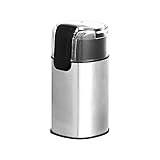
- Electric coffee bean grinder appliance for home use
- Can grind 30 grams/1 ounce of beans for drip coffee brewing in 10 seconds
- Grind coffee beans, herbs, spices, grains, nuts, and more
- Clear safety lid allows you to easily see the results in progress
- Heavy-duty stainless steel grind blade
Coffee-to-water ratio
Getting the coffee-to-water ratio right is crucial for a balanced brew. A common starting point for hot coffee is a ratio of 1:15 to 1:18 (e.g., 1 gram of coffee to 15-18 grams of water). For iced coffee, you often want to brew it stronger to account for dilution from ice. This might mean using a ratio closer to 1:12 or 1:14, or brewing double-strength and then diluting with ice.
Cleanliness/descale status
A dirty coffee maker can impart stale, bitter, or even moldy flavors into your brew. Regularly clean your coffee maker according to the manufacturer’s instructions. This includes washing removable parts, wiping down the exterior, and descaling to remove mineral buildup. A clean machine ensures a pure coffee flavor, allowing the beans and your chosen additions to shine.
Step-by-step (brew workflow)
1. Brew your coffee base.
- What to do: Brew a batch of coffee using your preferred method. For Starbucks-style iced coffee, consider brewing it stronger than usual (e.g., using a 1:12 ratio) to compensate for ice melt. You can also brew double-strength and dilute later.
- What “good” looks like: A rich, flavorful coffee concentrate that isn’t bitter or weak.
- Common mistake: Brewing regular-strength coffee, which results in a watery iced drink.
- How to avoid it: Increase your coffee grounds or decrease your water when brewing.
2. Chill the coffee completely.
- What to do: Transfer the brewed coffee to an airtight container and refrigerate it until it’s thoroughly cold. This can take at least 2-4 hours, or overnight.
- What “good” looks like: Cold coffee that won’t melt ice too quickly.
- Common mistake: Pouring hot or warm coffee over ice.
- How to avoid it: Patience is key. Ensure the coffee is as cold as possible before proceeding.
3. Prepare your serving glass.
- What to do: Choose a tall glass. Fill it about two-thirds of the way with ice.
- What “good” looks like: A glass full of ice, ready to receive the coffee.
- Common mistake: Using too little ice, leading to rapid dilution.
- How to avoid it: Don’t be shy with the ice; it’s essential for keeping your drink cold.
4. Add sweeteners and syrups (optional).
- What to do: If you’re making a flavored drink like a Caramel Macchiato or a Mocha, add your desired syrups (vanilla, caramel, mocha sauce) to the bottom of the glass.
- What “good” looks like: Syrups are at the bottom, ready to be mixed with the coffee.
- Common mistake: Adding syrups after the coffee and ice, making them harder to dissolve.
- How to avoid it: Add syrups before the coffee and ice for easier mixing.
5. Pour in the chilled coffee.
- What to do: Carefully pour the chilled, strong coffee over the ice in your glass. If you brewed double-strength, you might add a splash of cold water now to reach your desired strength.
- What “good” looks like: The glass is mostly full with coffee, leaving room for milk or cream.
- Common mistake: Overfilling the glass, leaving no room for other ingredients.
- How to avoid it: Leave about an inch or two of space at the top.
6. Add milk or cream.
- What to do: Pour in your preferred milk (dairy or non-dairy) or cream. For a latte-style drink, fill most of the remaining space. For a more black coffee with a splash, add just a little.
- What “good” looks like: The coffee and milk are layered or starting to blend.
- Common mistake: Adding too much milk, diluting the coffee flavor too much.
- How to avoid it: Start with a smaller amount and add more to taste.
7. Stir well.
- What to do: Use a long spoon or straw to gently stir all the ingredients together. This mixes the coffee, ice, syrups, and milk.
- What “good” looks like: All ingredients are evenly distributed.
- Common mistake: Not stirring enough, leaving syrup at the bottom or unmixed layers.
- How to avoid it: Stir until you see the color and consistency become uniform.
8. Add toppings (optional).
- What to do: For drinks like a Frappuccino-style or a Caramel Macchiato, add whipped cream and a drizzle of caramel or chocolate sauce.
- What “good” looks like: A visually appealing, finished drink.
- Common mistake: Skipping toppings that are signature to the drink.
- How to avoid it: If you want the authentic Starbucks experience, don’t forget the finishing touches!
Common mistakes (and what happens if you ignore them)
| Mistake | What it causes | Fix |
|---|---|---|
| Using hot or warm coffee | Rapid ice melt, resulting in a watery, diluted drink. | Brew coffee ahead of time and chill it completely in the refrigerator. |
| Brewing regular-strength coffee | Weak flavor that gets lost once ice is added. | Brew coffee at a stronger ratio (more grounds to water) or brew double-strength. |
| Not using enough ice | Drink warms up too quickly and becomes diluted. | Fill your glass generously with ice before adding coffee and other ingredients. |
| Using stale or pre-ground coffee | Flat, dull, or bitter taste that lacks aroma and depth. | Use freshly roasted whole beans and grind them just before brewing. |
| Using poor-quality water | Off-flavors in the coffee, masking the true taste of the beans. | Use filtered water for brewing. |
| Incorrect grind size for brewing method | Under-extraction (sour, weak) or over-extraction (bitter, muddy). | Match your grind size to your brewer (coarse for cold brew, medium for drip, fine for espresso). |
| Not cleaning the coffee maker regularly | Stale, bitter, or off-flavors in the brewed coffee. | Clean all removable parts and descale your machine as recommended by the manufacturer. |
| Adding syrups or sugar after chilling | Syrups don’t dissolve well in cold liquid, leading to uneven sweetness. | Add sweeteners and syrups to the bottom of the glass before adding coffee and ice. |
| Over-diluting with milk or water | The coffee flavor becomes too weak and the drink is less satisfying. | Add milk or water gradually, tasting as you go, until you reach your desired strength. |
| Not stirring thoroughly | Syrups and milk settle at the bottom, creating inconsistent taste. | Stir the drink well with a long spoon until all components are evenly mixed. |
Decision rules (simple if/then)
- If your iced coffee tastes weak, then increase the amount of coffee grounds you use for the same amount of water because you need a stronger base to account for ice dilution.
- If your iced coffee tastes bitter, then check your grind size and brew time; too fine a grind or too long a brew can over-extract.
- If your iced coffee melts too quickly and becomes watery, then ensure your brewed coffee is completely chilled before pouring it over ice.
- If you’re making a flavored drink like a mocha, then add the chocolate syrup to the bottom of the glass before the coffee and ice because it will dissolve more easily.
- If your coffee has an off-taste, then try using filtered water instead of tap water because impurities in tap water can affect flavor.
- If you notice sediment in your cold brew, then try a coarser grind or a finer filter for your brewing device because this indicates grounds are passing through.
- If your iced coffee has a dull flavor, then use freshly ground coffee beans because pre-ground coffee loses its aromatic compounds quickly.
- If you want a creamier texture, then add a splash of heavy cream or half-and-half after the coffee and milk because these have a higher fat content.
- If your brewed coffee tastes sour, then your water might not be hot enough during brewing; aim for 195-205°F (90-96°C).
- If you are making a layered drink like a macchiato, then pour the milk in gently after the coffee and ice because this helps create distinct layers.
- If your iced coffee has an oily sheen, this is normal if you use a metal or cloth filter; if you prefer a cleaner cup, switch to a paper filter.
FAQ
How do I make Starbucks cold brew at home?
To make cold brew, combine coarsely ground coffee with cold water in a 1:4 to 1:8 ratio (coffee to water) in a jar or pitcher. Let it steep at room temperature or in the refrigerator for 12-24 hours. Strain the concentrate through a fine-mesh sieve lined with cheesecloth or a coffee filter. Dilute the concentrate with water or milk to your preference.
What kind of coffee beans should I use for iced coffee?
Medium to dark roasts often work well for iced coffee, as their bolder flavors can stand up to ice and milk. However, experiment with different roasts; a bright, fruity light roast can also make a refreshing iced coffee if brewed strong. Freshly roasted beans are always recommended.
Can I use leftover hot coffee for iced coffee?
Yes, but it’s best to chill leftover hot coffee completely before using it. Pouring warm coffee over ice will cause it to melt too quickly, diluting your drink. For the best results, brew coffee specifically for iced coffee, making it stronger to compensate for ice melt.
How do I get the sweet flavors like vanilla or caramel?
You can purchase flavored syrups from grocery stores or specialty coffee shops. Many brands offer syrups designed for coffee drinks. For a simpler sweetener, you can make a simple syrup by dissolving equal parts sugar and water over heat, then letting it cool.
What’s the difference between iced coffee and cold brew?
Iced coffee is typically brewed hot coffee that is then chilled and served over ice. Cold brew is made by steeping coffee grounds in cold water for an extended period, resulting in a smoother, less acidic concentrate.
How do I make a Starbucks-style iced latte at home?
Brew a shot or two of espresso (or strong coffee), chill it, and pour it over ice. Add your desired syrup, then fill the glass with milk and stir. For a more authentic latte, use an espresso machine for a richer coffee base.
Is it better to brew coffee strong or dilute it later for iced coffee?
It’s generally better to brew coffee stronger than you normally would for hot coffee. This way, when you add ice, the melting ice will dilute it to your desired strength and flavor without making it taste weak.
What if I don’t have a fancy coffee maker?
You can make excellent iced coffee with basic brewing methods. A French press or a simple drip coffee maker can be used. For cold brew, all you need is a jar, coffee grounds, and water, then a way to strain it.
What this page does NOT cover (and where to go next)
- Detailed recipes for specific Starbucks drinks (e.g., exact syrup amounts for a Venti Caramel Macchiato).
- Next: Search for “copycat Starbucks recipes” for specific drink instructions.
- The science behind coffee extraction and water chemistry.
- Next: Explore resources on coffee brewing science and water filtration for coffee.
- Comparisons of different coffee bean origins and their flavor profiles in iced beverages.
- Next: Look into coffee tasting notes and origin guides for whole bean coffee.
- Advanced latte art techniques for iced drinks.
- Next: Investigate tutorials on milk steaming and pouring for cold beverages.
- Specific brand recommendations for coffee makers or syrups.
- Next: Read reviews or visit specialty coffee equipment retailers for product information.