
Savory Coffee Rubbed Chicken
Quick answer
- Use a medium-coarse grind for your coffee rub.
- Freshly ground coffee offers the best flavor.
- Don’t overdo the coffee; it’s a supporting player, not the star.
- Balance the coffee with savory spices like paprika, garlic, and onion powder.
- Apply the rub evenly to all sides of the chicken.
- Let the rub sit on the chicken for at least 30 minutes before cooking.
Who this is for
- Home cooks looking to add a unique flavor twist to their chicken.
- Coffee lovers who want to experiment with their favorite brew beyond the mug.
- Anyone seeking a simple yet impressive recipe for weeknight dinners or backyard BBQs.
What to check first
Brewer Type and Filter Type
This isn’t about brewing coffee for the chicken, but if you’re grinding beans for the rub, make sure your grinder is up to the task. A burr grinder is ideal for consistent grounds. If you’re using pre-ground, check the package for freshness.
If you’re serious about getting the perfect grind for your coffee rub, a quality spice grinder is a worthwhile investment. It ensures consistency for the best flavor.
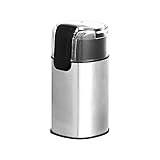
- Electric coffee bean grinder appliance for home use
- Can grind 30 grams/1 ounce of beans for drip coffee brewing in 10 seconds
- Grind coffee beans, herbs, spices, grains, nuts, and more
- Clear safety lid allows you to easily see the results in progress
- Heavy-duty stainless steel grind blade
Water Quality and Temperature
Again, not directly for brewing here, but good quality water is key for good coffee. If you’re grinding your own beans for the rub, use filtered water to rinse your grinder if needed.
Grind Size and Coffee Freshness
This is crucial for the rub. You want a grind that’s not too fine (it can burn easily and become bitter) and not too coarse (it won’t adhere well). Think somewhere between coarse sea salt and granulated sugar. Freshly roasted and ground beans will give you the most vibrant flavor. Stale coffee tastes… well, stale.
Coffee-to-Water Ratio
This rule applies to brewing, not the rub. For the rub, think about the ratio of coffee to other spices. A good starting point is about 1-2 tablespoons of ground coffee per pound of chicken.
Cleanliness/Descale Status
Make sure your coffee grinder is clean. Old coffee oils can turn rancid and impart a bad flavor to your rub. A quick brush-out is usually enough.
Step-by-step (brew workflow)
1. Choose your coffee. Select a medium-roast coffee. Dark roasts can be too bitter, and light roasts might not have enough depth.
- What “good” looks like: You have a bag of whole beans or ground coffee ready to go.
- Common mistake: Using stale coffee. Avoid this by checking the roast date on the bag.
2. Grind your coffee. If using whole beans, grind them to a medium-coarse consistency. It should look similar to coarse sand or fine sea salt.
- What “good” looks like: Evenly sized particles, not powdery.
- Common mistake: Grinding too fine. This leads to burnt, bitter flavors in the rub.
3. Gather your spices. You’ll need your ground coffee, plus other savory spices. Think paprika, garlic powder, onion powder, black pepper, and a pinch of cayenne for heat. Salt is essential, of course.
- What “good” looks like: All your spices measured out and ready.
- Common mistake: Forgetting a key spice. Double-check your recipe.
4. Mix the rub. In a small bowl, combine the ground coffee with your other chosen spices. A good starting ratio might be 2 parts coffee to 1 part each of paprika, garlic powder, onion powder, and black pepper. Adjust to your taste.
- What “good” looks like: A well-blended mixture with no clumps.
- Common mistake: Not mixing thoroughly. This means uneven flavor distribution on the chicken.
5. Prepare the chicken. Pat your chicken pieces (breasts, thighs, or a whole bird) completely dry with paper towels. This helps the rub adhere and promotes crispy skin.
- What “good” looks like: Dry chicken surfaces.
- Common mistake: Leaving the chicken wet. The rub will slide off.
6. Apply the rub. Sprinkle the coffee rub generously over all surfaces of the chicken. Gently press it in to ensure it sticks.
- What “good” looks like: An even coating of the rub on every piece.
- Common mistake: Skimping on the rub. You need enough for flavor.
7. Let it rest. Allow the chicken to sit with the rub on for at least 30 minutes at room temperature, or up to a few hours in the refrigerator. This lets the flavors meld.
- What “good” looks like: Chicken looking seasoned and ready for cooking.
- Common mistake: Cooking immediately. You miss out on deeper flavor penetration.
8. Cook the chicken. Grill, bake, or pan-sear the chicken until it’s cooked through. Internal temperature should reach 165°F (74°C).
- What “good” looks like: Juicy, flavorful chicken with a nice crust.
- Common mistake: Overcooking. Use a meat thermometer to be sure.
Common mistakes (and what happens if you ignore them)
| Mistake | What it causes | Fix |
|---|---|---|
| Using stale or old coffee | Bitter, flat, or off-flavors in the rub | Use freshly roasted and ground coffee. Check roast dates. |
| Grinding coffee too fine | Burnt, acrid taste; rub can char | Use a medium-coarse grind. Think coarse sand. |
| Too much coffee in the rub | Overpowering, bitter flavor; masks other spices | Start with a balanced ratio (e.g., 2:1 coffee to other spices). |
| Not patting chicken dry | Rub won’t adhere; less crispy skin | Use paper towels to thoroughly dry the chicken surface. |
| Skipping the resting period | Flavors don’t meld; rub tastes separate | Let the rub sit on the chicken for at least 30 minutes. |
| Unevenly applying the rub | Inconsistent flavor; some bites bland, some too strong | Ensure all surfaces of the chicken are coated evenly. |
| Using a very dark roast coffee | Intense bitterness; can make chicken taste burnt | Stick to medium roasts for the best balance of flavor and bitterness. |
| Not cleaning the coffee grinder | Rancid coffee oils impart foul taste | Brush out grinder after each use, especially if grinding for rubs. |
| Overcrowding the cooking surface | Steams instead of searing; less flavorful crust | Cook in batches or ensure enough space for proper heat circulation. |
| Not checking internal temperature | Undercooked (unsafe) or overcooked (dry) chicken | Use a meat thermometer; aim for 165°F (74°C) in the thickest part. |
Decision rules (simple if/then)
- If your coffee grinder only does fine grinds, then use pre-ground medium-coarse coffee because a fine grind will burn.
- If you’re sensitive to bitterness, then reduce the amount of coffee in the rub or use a slightly lighter roast because darker roasts are naturally more bitter.
- If you’re cooking chicken breasts, then consider adding a little more moisture (like a splash of oil or butter) to the rub because they can dry out faster.
- If you want a smoky flavor, then use a coffee rub on chicken destined for the grill because the smoke will enhance the coffee notes.
- If you only have dark roast coffee, then use less of it in the rub and boost other savory spices because dark roasts can be quite bitter.
- If you’re making a whole chicken, then focus on getting the rub under the skin as well as on top because that’s where a lot of flavor hides.
- If you’re short on time, then skip the resting period, but know you’ll sacrifice some flavor depth because resting allows flavors to meld.
- If you notice the rub burning before the chicken is cooked, then lower your cooking temperature because the coffee grounds can char easily.
- If you want a richer, deeper coffee flavor, then try a very small amount of finely ground espresso beans in the rub, but be careful, it’s potent.
- If you don’t have specific spices like paprika, then use a good quality salt and pepper rub, but know the flavor profile will be simpler.
- If you’re pan-searing, then ensure your pan is hot before adding the chicken because a good sear locks in juices and helps the rub develop a crust.
FAQ
Can I use any kind of coffee?
Medium roasts are generally best. Dark roasts can be too bitter, and light roasts might not have enough depth for a rub. Whole beans ground fresh are ideal.
How much coffee should I use?
Start with a ratio of about 1 to 2 tablespoons of ground coffee per pound of chicken. Adjust based on your preference for coffee flavor intensity.
Will my chicken taste like coffee?
It will have a subtle, savory coffee note that enhances the other spices, not an overwhelming brew flavor. It adds complexity and a nice crust.
What other spices go well with coffee rub?
Paprika, garlic powder, onion powder, black pepper, chili powder, and a pinch of cayenne are great companions. Salt is a must.
Can I make the rub ahead of time?
Yes, you can mix your dry rub ingredients and store them in an airtight container for a few weeks. Just add it to the chicken when you’re ready to cook.
What if I don’t have a grinder?
You can buy pre-ground coffee, but make sure it’s a medium grind and as fresh as possible. Avoid espresso grind, as it’s too fine.
Is this recipe spicy?
It doesn’t have to be. The heat comes from additions like cayenne or chili powder. You control the spice level by adjusting those ingredients.
How do I avoid a bitter taste?
Use a medium roast, a medium-coarse grind, and don’t let the coffee overpower the other spices. Ensure you don’t burn the rub during cooking.
What this page does NOT cover (and where to go next)
- Specific cooking times for every cut of chicken (check reliable sources for safe internal temperatures).
- Detailed marinades that incorporate brewed coffee (this focuses on dry rubs).
- Advanced smoking techniques for coffee-rubbed chicken.
- Pairing suggestions for side dishes (think potatoes, slaw, or a fresh salad).
- Recipes for using coffee in desserts or beverages.