
Making Iced Coffee at Home in the UK
Quick Answer
- Brew Hot, Then Chill: The most common method involves brewing hot coffee and then cooling it rapidly.
- Use Stronger Coffee: Compensate for dilution by brewing your hot coffee stronger than usual.
- Cold Brew Method: For a smoother, less acidic taste, consider the cold brew technique, which takes longer.
- Quality Ingredients Matter: Fresh, good-quality coffee beans and filtered water significantly impact the final flavour.
- Chill Your Glassware: Pre-chilling your serving glass helps keep the iced coffee colder for longer.
- Consider Ice Type: Larger ice cubes melt slower, diluting your drink less.
Who This Is For
- Home Coffee Enthusiasts: Anyone who enjoys a good cup of coffee and wants to replicate cafe-quality iced coffee at home.
- UK Residents: Individuals living in the UK looking for specific advice and considerations for making iced coffee in their climate.
- Budget-Conscious Drinkers: Those who want to save money by making iced coffee at home instead of buying it regularly.
What to Check First
- Brewer Type and Filter Type
Your choice of brewer (drip, pour-over, French press, espresso machine) and filter (paper, metal, cloth) will influence the coffee’s body and clarity. Paper filters generally produce a cleaner cup, while metal filters allow more oils through, resulting in a richer texture. Ensure your chosen filter is compatible with your brewer.
- Water Quality and Temperature
Filtered water is essential for the best flavour. Tap water can contain minerals or chlorine that impart off-tastes. For hot brewing, aim for water between 195-205°F (90-96°C). For cold brew, room temperature or slightly cooler water is used.
- Grind Size and Coffee Freshness
The grind size should match your brewing method. Coarse for French press and cold brew, medium for drip, and fine for espresso. Freshly roasted and ground beans offer the most vibrant flavour. Store beans in an airtight container away from light and heat.
- Coffee-to-Water Ratio
A good starting point for hot coffee is a 1:15 to 1:18 ratio (e.g., 1 gram of coffee to 15-18 grams of water). For iced coffee, you’ll want to use more coffee or less water to account for ice melt. A ratio of 1:10 to 1:12 for the initial hot brew is often recommended.
- Cleanliness/Descale Status
A clean brewer is crucial. Coffee oils can build up and turn rancid, affecting the taste. Regularly clean your brewer and grinder. If you have a machine that requires descaling (like an espresso machine or some drip brewers), ensure it’s up-to-date with its maintenance schedule. Check your brewer’s manual for specific cleaning and descaling instructions.
Step-by-Step: Making Iced Coffee at Home
1. Choose Your Brewing Method: Decide if you’ll brew hot coffee to chill or opt for the cold brew method.
- Good Looks Like: A clear understanding of which method suits your taste and available time.
- Common Mistake: Using a method you’re unfamiliar with without research, leading to disappointing results.
- Avoid It By: Reading up on your chosen method beforehand.
2. Prepare Your Coffee: Measure out your coffee beans. For hot brewing, use a stronger ratio than usual (e.g., 1:10 to 1:12). For cold brew, use a coarser grind and a higher coffee-to-water ratio (e.g., 1:4 to 1:8).
- Good Looks Like: Precisely measured coffee grounds, ready for brewing.
- Common Mistake: Inconsistent measurements, leading to a weak or overly strong brew.
- Avoid It By: Using a kitchen scale for accuracy.
3. Grind Your Beans: Grind your coffee beans to the appropriate size for your chosen brewing method. Grind just before brewing for maximum freshness.
- Good Looks Like: Evenly sized coffee particles suitable for your brewer.
- Common Mistake: Grinding too fine for a French press, causing sediment, or too coarse for espresso, leading to weak shots.
- Avoid It By: Knowing the correct grind size for your specific brewing device.
4. Heat Your Water (for hot brew): Heat filtered water to the ideal brewing temperature, typically between 195-205°F (90-96°C).
- Good Looks Like: Water at the correct temperature, not boiling.
- Common Mistake: Using boiling water, which can scorch the coffee grounds and create bitter flavours.
- Avoid It By: Letting boiling water sit for about 30-60 seconds, or using a temperature-controlled kettle.
5. Brew Your Coffee: Execute your chosen brewing method. For hot coffee, brew directly into a heat-safe container that can be chilled. For cold brew, combine coffee grounds and cold water in a jar or container and let it steep.
- Good Looks Like: A steady, controlled flow of coffee into your vessel. For cold brew, a consistent immersion of grounds.
- Common Mistake: Rushing the brewing process or using an incorrect technique, leading to under-extraction.
- Avoid It By: Following the specific steps for your brewer, like controlled pouring for pour-over or proper steeping time for cold brew.
6. Chill the Hot Coffee (if applicable): Once brewed hot, the coffee needs to be cooled quickly to preserve its flavour and prevent muddiness. You can do this by placing the brewing vessel in an ice bath or pouring it over ice.
- Good Looks Like: Coffee rapidly cooling down.
- Common Mistake: Letting hot coffee sit at room temperature for too long, which can develop off-flavours.
- Avoid It By: Using an ice bath or pouring directly over ice in your serving glass.
7. Filter (if applicable): If you used a method that leaves sediment (like French press or cold brew), strain the coffee through a fine-mesh sieve or coffee filter.
- Good Looks Like: Clear, sediment-free coffee.
- Common Mistake: Not filtering thoroughly, resulting in a gritty texture.
- Avoid It By: Using a quality filter and ensuring multiple passes if necessary.
8. Prepare Your Serving Glass: Fill a tall glass with ice. For best results, pre-chill the glass in the freezer for a few minutes.
- Good Looks Like: A glass packed with ice, ready to receive the coffee.
- Common Mistake: Using warm ice or a room-temperature glass, causing rapid dilution.
- Avoid It By: Using fresh, cold ice and chilling the glass beforehand.
To truly elevate your iced coffee experience, consider using dedicated iced coffee glasses. They’re designed to keep your drink colder for longer and look great on any table.
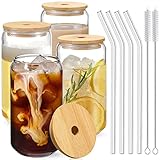
- PRODUCT CONFIGURATION: Drinking glass set includes 4 glass cups [ Diameter - 3 inches, Height - 5.6 inches ],4 nature bamboo lids, 4 reusable glass straws and 2 cleaning brushes, Classic design tumbler
- DURABLE and SAFE: The glasses are made of high-quality durable clear glass, Lead-free and BPA-free. It can be used safely for a long time. This thick clear glass can withstand the sudden changes in the temperature difference between -68°F to 212°F, making them dishwasher safe. If you want to decorate this glass, you can do DIY easily without breakage
- MULTI-PURPOSE: The glassware Great for any Occasion, any hot and cold drinks, home essentials. It is widely loved by families, kitchen, breweries, cafes, bars and restaurants. You can use it to make perfect tea, bubble Pearl Milk Tea, soda, water, iced coffee, smoothie, fruit juice or any other interesting holiday drinks
- AMAZING GIFT: This jar is very fashionable, aesthetic and characteristic. Excellent workmanship. Perfect Gifts for Women, House warming gifts, Tea mug Sets, Highball Glasses, Home Bar Accessories, Birthdays, Graduation, Weddings and Christmas Gifts
- SATISFIED SERVICE: This glass set is packaged in the heavy bubble holder and thick carton box to prevent damage while in transport. If the glass set you received was damaged or imperfect or you are not satisfied, we will offer a satisfactory solution
9. Pour the Coffee: Pour your chilled (or cold-brewed) coffee over the ice in your prepared glass.
- Good Looks Like: The coffee filling the glass, creating a refreshing beverage.
- Common Mistake: Pouring too quickly, which can cause splashing and uneven chilling.
- Avoid It By: Pouring steadily.
10. Add Sweeteners and Milk (Optional): Add your preferred sweetener (sugar, syrup) and milk or cream, if desired. Stir well.
- Good Looks Like: Evenly distributed flavourings and a visually appealing drink.
- Common Mistake: Adding milk before sweetener, which can sometimes make it harder for the sweetener to dissolve.
- Avoid It By: Adding sweeteners first, then milk, and stirring thoroughly.
11. Taste and Adjust: Take a sip and adjust sweetness, milkiness, or coffee strength as needed.
- Good Looks Like: A perfectly balanced iced coffee to your taste.
- Common Mistake: Not tasting and adjusting, settling for a drink that isn’t quite right.
- Avoid It By: Always tasting before declaring it finished.
Common Mistakes (and What Happens If You Ignore Them)
| Mistake | What It Causes | Fix |
|---|---|---|
| Brewing hot coffee and letting it cool slowly | Bitter, stale, or muddy flavour | Chill brewed coffee rapidly in an ice bath or over ice. |
| Using standard coffee-to-water ratio for hot brew | Watery, weak iced coffee after ice melts | Brew hot coffee stronger (more coffee, less water) or use the cold brew method. |
| Using tap water with strong flavours | Off-tastes in the final coffee | Use filtered water for brewing. |
| Grinding coffee too fine for cold brew | Over-extraction, bitterness, and cloudy coffee | Use a coarse grind specifically for cold brew. |
| Not cleaning the coffee maker regularly | Rancid coffee oils leading to bitter, unpleasant taste | Clean your brewer and grinder regularly according to manufacturer instructions. |
| Using stale coffee beans | Flat, dull, or muted coffee flavour | Use freshly roasted and ground coffee beans. Store them properly in an airtight container. |
| Pouring hot coffee directly over ice | Rapid dilution and a weak, watery drink | Brew stronger coffee or use the cold brew method. For hot brew, chill it first before pouring. |
| Using small, fast-melting ice cubes | Excessive dilution, watering down the flavour | Use larger ice cubes or ice made from filtered water, which tend to melt slower. |
| Not pre-chilling the serving glass | Iced coffee warms up and dilutes faster | Place your serving glass in the freezer for 5-10 minutes before adding ice and coffee. |
| Over-extracting during hot brew | Bitter, harsh flavours | Ensure water temperature is correct and avoid brewing for too long. |
Decision Rules for Making Iced Coffee
- If you prefer a smooth, less acidic taste, then use the cold brew method because it extracts coffee differently than hot water.
- If you’re in a hurry, then brew hot coffee and chill it quickly because cold brew takes many hours to steep.
- If your iced coffee tastes weak, then you likely need to brew your hot coffee stronger or use more coffee grounds for cold brew because the ice will dilute it.
- If your iced coffee tastes bitter, then check your grind size (too fine for the method) or water temperature (too hot for hot brew) because these factors cause over-extraction.
- If you notice sediment in your iced coffee, then you need to filter it more thoroughly because some brewing methods leave fine particles behind.
- If your iced coffee melts too quickly, then use larger ice cubes or pre-chill your serving glass because smaller ice and warm glasses accelerate melting.
- If your coffee tastes “off” or stale, then check the freshness of your coffee beans and the cleanliness of your brewer because old beans and dirty equipment ruin flavour.
- If you want to experiment with different flavour profiles, then try adding different syrups or milks after brewing because these additions can dramatically change the taste.
- If you’re making a large batch of iced coffee, then consider brewing a concentrate using the cold brew method because it’s easier to store and dilute as needed.
- If you’re unsure about your water quality, then use filtered water for brewing because it removes impurities that can affect taste.
- If you find your iced coffee is too acidic, then try a darker roast or the cold brew method because these can reduce perceived acidity.
FAQ
Q: Can I just pour hot coffee over ice?
A: You can, but it’s not ideal. Hot coffee poured directly over ice will melt the ice very quickly, diluting your drink and resulting in a weak flavour. It’s better to brew your coffee stronger or chill it before pouring over ice.
Q: How long does cold brew last in the fridge?
A: Properly stored cold brew concentrate can last in the refrigerator for about 7-10 days. Always keep it in an airtight container.
Q: What kind of coffee beans are best for iced coffee?
A: Medium to dark roasts are often preferred for iced coffee as their bolder flavours can stand up to dilution. However, you can use any coffee you enjoy. Experiment to find your favourite!
Q: Do I need a special coffee maker for iced coffee?
A: No, you don’t need a special machine. You can use your regular drip coffee maker, pour-over setup, French press, or espresso machine to brew the base for iced coffee.
While you don’t need a special machine, an iced coffee maker can streamline the process for consistent results. If you’re serious about your iced coffee, investing in one can be a game-changer.

- BREW BY THE CUP OR CARAFE: Brews both K-Cup pods and coffee grounds.
- MULTISTREAM TECHNOLOGY: Saturates the grounds evenly to extract full flavor and aroma in every cup, hot or cold.
- BREW OVER ICE: Adjusts temperature for maximum flavor and less ice melt for single-cup iced coffees and teas.
- STRONG BREW & EXTRA HOT FUNCTIONALITY: Brews a stronger, more intense-flavored cup and the extra hot feature brews a hotter single cup.
- MULTIPLE BREW SIZES: Brew 6, 8, 10, or 12oz single cups or 6, 8, 10, or 12-cup carafes. 12-cup glass carafe specially designed to limit dripping.
Q: How can I make my iced coffee less bitter?
A: To reduce bitterness, ensure your water isn’t too hot for hot brewing, use a grind size appropriate for your brewer, and consider the cold brew method, which is naturally less bitter. Also, ensure your coffee isn’t over-extracted.
Q: Is it better to brew hot and chill, or use cold brew?
A: It depends on your preference. Hot brew and chill is faster but can sometimes be less smooth. Cold brew takes longer but results in a smoother, less acidic, and often richer flavour.
Q: Can I use instant coffee for iced coffee?
A: Yes, you can use instant coffee. Dissolve it in a small amount of hot water to create a concentrate, then chill it or pour it over ice. The flavour won’t be as nuanced as brewed coffee, but it’s a quick option.
Q: What’s the best way to sweeten iced coffee?
A: Simple syrup (equal parts sugar and water, heated until dissolved and then cooled) mixes in easily. You can also use granulated sugar, but it may not dissolve as well in cold liquids. Syrups or liquid sweeteners are generally easiest.
What This Page Does Not Cover (And Where to Go Next)
- Specific Brand Recommendations: This guide focuses on the process, not specific coffee maker models or brands. For brand-specific advice, consult product reviews or manufacturer websites.
- Advanced Espresso-Based Iced Drinks: While this covers basic iced coffee, it doesn’t detail complex drinks like blended frappes or elaborate layered lattes. Explore barista guides for these.
- Home Roasting Coffee Beans: This article assumes you’re using pre-roasted beans. If you’re interested in roasting your own, look for resources on home coffee roasting.
- Detailed Water Chemistry: While water quality is mentioned, this guide doesn’t delve into the specific mineral content of water and its precise impact on extraction. Specialized brewing forums might cover this.