
Blend Delicious Frozen Coffee Drinks At Home
Quick answer
- Use strong, cold coffee or espresso.
- Chill your blender pitcher.
- Start with less ice than you think you need.
- Sweeten and flavor before blending.
- Blend in stages, not all at once.
- Don’t overfill the blender.
- Taste and adjust before serving.
Who this is for
- Anyone who loves a good iced coffee shop treat but wants to save cash.
- Home cooks who want to experiment with custom flavors.
- Busy folks who need a quick, refreshing pick-me-up.
What to check first
Brewer type and filter type
The coffee you start with matters. A strong brew from your favorite drip machine, a French press, or a quick espresso shot works best. If you’re using a paper filter, make sure it’s rinsed or doesn’t impart a papery taste. For cold brew, ensure it’s concentrated enough.
Water quality and temperature
Use filtered water for your coffee base. This makes a big difference. For the ice, plain tap water is usually fine, but if your tap water tastes off, use filtered water for the ice cubes too.
Grind size and coffee freshness
This applies to the coffee you brew for your drink. A medium to medium-fine grind is generally good for drip or pour-over. Freshly ground beans are always king for flavor. Stale coffee will just taste flat, even when frozen.
Coffee-to-water ratio
For frozen drinks, you want a concentrated coffee base. Think of it like making coffee concentrate. If you normally use a 1:16 ratio (coffee to water), try something closer to 1:8 or 1:10 for your initial brew. You can always dilute it later with milk or water if it’s too strong.
Cleanliness/descale status
This is huge. A dirty blender or coffee maker will wreck your drink’s flavor. Make sure your blender blades are sharp and clean. If your coffee maker needs descaling, do it. No one wants a funky aftertaste.
Step-by-step (brew workflow)
1. Brew strong coffee or espresso.
- What to do: Make your coffee base. Aim for a stronger brew than you’d drink hot. Espresso works great here.
- What “good” looks like: A rich, flavorful coffee liquid.
- Common mistake: Brewing weak coffee. This leads to a watery, flavorless frozen drink. Avoid it by using more grounds or less water than usual.
2. Chill your coffee base.
- What to do: Let the brewed coffee cool completely. You can even put it in the freezer for a bit to get it extra cold, but don’t let it freeze solid.
- What “good” looks like: Cold, liquid coffee.
- Common mistake: Using hot coffee. This melts the ice too fast and dilutes your drink. Avoid it by waiting until it’s fully cooled.
3. Chill your blender pitcher.
- What to do: Pop your blender jar in the freezer for 15-30 minutes beforehand.
- What “good” looks like: A cold blender jar.
- Common mistake: Not chilling the pitcher. A warm pitcher will start melting the ice before you even blend. Avoid it by planning ahead and tossing it in the freezer.
4. Add sweeteners and flavorings.
- What to do: Stir in your sugar, syrups, extracts, or spices into the cold coffee.
- What “good” looks like: Everything dissolved and mixed into the coffee.
- Common mistake: Adding dry sugar to ice. It won’t dissolve well. Avoid it by dissolving all your sweeteners and flavorings in the liquid coffee first.
5. Add your liquid base.
- What to do: Pour in milk, cream, half-and-half, or even a dairy-free alternative.
- What “good” looks like: A good mix of coffee and your chosen liquid.
- Common mistake: Adding too much liquid. This makes it harder to get a thick, frozen texture. Avoid it by starting with a conservative amount and adding more if needed.
6. Add ice.
- What to do: Add ice cubes to the blender. Start with less than you think you need.
- What “good” looks like: Enough ice to create the frozen texture without overwhelming the blender.
- Common mistake: Overfilling with ice. This can strain your blender motor and result in a slushy, not creamy, drink. Avoid it by adding ice in stages if you’re unsure.
7. Blend on low speed.
- What to do: Start blending on the lowest setting to break up the ice.
- What “good” looks like: The ice is starting to break down into smaller pieces.
- Common mistake: Immediately going to high speed. This can create big chunks and put stress on the motor. Avoid it by starting slow and steady.
8. Increase speed and blend until smooth.
- What to do: Gradually increase the blender speed until the mixture is smooth and creamy. You might need to use a tamper or stop and scrape down the sides.
- What “good” looks like: A thick, smooth, frozen drink with no large ice chunks.
- Common mistake: Blending too long. This can melt the drink and make it watery. Avoid it by stopping as soon as it’s smooth.
For the smoothest results, a powerful ice crusher blender can make all the difference, effortlessly turning ice into a creamy texture. Consider upgrading to a model designed for crushing ice if your current blender struggles.
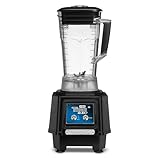
- Motor: 2 Horsepower high-performance motor delivers 24,000 max RPM for consistent blending power in commercial kitchens and bars, ensuring reliable operation during peak service hours
- Container: 64 oz BPA-free copolyester jar with stackable design maximizes storage efficiency while providing durable construction for high-volume blender use in professional settings
- Controls: 2-speed toggle switch provides simple operation with reliable performance for bartenders and kitchen staff in fast-paced commercial environments and busy food service operations
- Drive: Stainless steel user-replaceable drive coupling ensures long-lasting durability and easy maintenance for continuous commercial blender operation in demanding restaurant environments
- Certifications: cULus and NSF approved for commercial food service applications, meeting strict safety and sanitation standards for professional kitchen use in restaurants and bars
9. Taste and adjust.
- What to do: Carefully taste the drink. Add more sweetener, flavor, or a splash of liquid if needed.
- What “good” looks like: The perfect balance of flavor and texture for your palate.
- Common mistake: Not tasting. You might end up with a drink that’s too sweet, not sweet enough, or the wrong consistency. Avoid it by taking a small sip before serving.
10. Serve immediately.
- What to do: Pour into a chilled glass and enjoy.
- What “good” looks like: A delicious, frosty beverage.
- Common mistake: Letting it sit too long. It will start to melt and separate. Avoid it by serving right away.
Common mistakes (and what happens if you ignore them)
| Mistake | What it causes | Fix |
|---|---|---|
| Using hot or warm coffee | Melts ice too fast, watery drink | Chill coffee completely before blending. |
| Not chilling the blender pitcher | Ice melts faster, less frosty texture | Freeze the blender jar for 15-30 mins beforehand. |
| Overfilling the blender with ice | Strains motor, chunky or slushy texture | Start with less ice, add more if needed. Blend in stages. |
| Using weak coffee | Flavorless, bland frozen drink | Brew coffee extra strong or use espresso. |
| Adding dry sugar to ice | Sugar doesn’t dissolve, gritty texture | Dissolve sweeteners in the liquid coffee <em>before</em> adding ice. |
| Blending on high speed from the start | Large ice chunks, uneven texture, motor strain | Start blending on low, gradually increase speed. |
| Blending for too long | Melts the drink, watery consistency | Blend only until smooth; stop as soon as it’s consistent. |
| Not tasting and adjusting | Off-balance flavors (too sweet/not sweet enough) | Taste the mixture before serving and adjust ingredients as needed. |
| Using stale coffee beans | Flat, uninspired flavor | Use freshly roasted and ground coffee beans. |
| Not cleaning the blender thoroughly | Off-flavors and smells from previous uses | Wash blender parts immediately after use. |
| Using too much liquid base (milk/cream) | Dilutes flavor, makes it harder to freeze thick | Start with less liquid and add more if the texture is too thick. |
Decision rules (simple if/then)
- If your drink is too watery, then add more ice and blend again because you likely didn’t use enough or it melted too much.
- If your drink is too thick and won’t blend, then add a splash of milk or water because you need a little more liquid to get it moving.
- If your drink lacks sweetness, then add a bit more syrup or sugar and blend briefly because flavor is key.
- If your drink tastes weak, then add a shot of espresso or a bit more concentrated coffee and blend again because you need that coffee punch.
- If your blender is struggling, then stop and let it rest for a minute before continuing because you don’t want to overheat the motor.
- If you want a richer texture, then use whole milk, cream, or half-and-half instead of skim milk because fat equals creaminess.
- If you’re aiming for a dairy-free option, then use full-fat coconut milk or oat milk for a creamy result because they blend well.
- If your drink has ice chunks, then blend for a few more seconds on a lower speed because you need to break them down further.
- If you’re making a mocha, then add your cocoa powder with the sugar and blend well because it needs to dissolve properly.
- If you find your drink separates quickly, then ensure your coffee was cold enough and you didn’t over-blend because that can break the emulsion.
- If you want a stronger coffee flavor, then use cold brew concentrate as your base because it’s already designed to be potent.
FAQ
Can I use leftover hot coffee?
It’s best to let it cool completely. Hot coffee will melt the ice too fast, resulting in a watery drink instead of a thick, frozen one.
What kind of ice should I use?
Standard ice cubes work fine. Some people prefer crushed ice for a faster blend, but it can also melt faster. If your tap water tastes bad, use filtered water for your ice.
How do I make it less sweet?
Reduce the amount of sugar or syrup you add. You can always add more sweetener after blending, but it’s hard to take it out.
Can I add protein powder or other supplements?
Yes, but add them with the liquid ingredients before blending. Some powders can make the drink thicker, so you might need to adjust the ice or liquid accordingly.
What if I don’t have a powerful blender?
Start with less ice and blend in smaller batches. Let the blender rest if it sounds strained. You might need to pulse it more often.
How can I make it dairy-free?
Use dairy-free milk like almond, soy, oat, or coconut milk. Full-fat versions will give you the creamiest result.
Can I make this ahead of time?
Frozen coffee drinks are best enjoyed immediately. They tend to melt and lose their texture if stored for too long.
What’s the best way to get a smooth texture?
Ensure your coffee is cold, use enough ice but don’t overfill, and start blending on a low speed before increasing. Stopping to scrape down the sides can also help.
What this page does NOT cover (and where to go next)
- Specific blender models and their capabilities. (Check your appliance manual for optimal use.)
- Advanced techniques for creating layered frozen drinks. (Look into “cocktail layering techniques” for inspiration.)
- Nutritional breakdowns of specific ingredients. (Consult a nutritionist or reliable online databases for this.)
- Recipes for specific coffee shop copycat drinks. (Search for “copycat [brand name] frozen coffee recipes”.)