
Making Coffee Ice Cubes From Any Coffee
Quick answer
- Yes, you can make coffee ice cubes from virtually any brewed coffee.
- For best results, use coffee brewed to your preferred strength and flavor.
- Avoid using instant coffee crystals directly as they may not dissolve fully.
- Ensure your coffee is cooled before pouring it into ice cube trays.
- Consider brewing a stronger batch if you plan to use the cubes in diluted drinks.
- Clean your ice cube trays thoroughly before and after use.
Who this is for
- Coffee lovers who want to enjoy iced coffee without dilution.
- Home baristas looking for creative ways to use leftover coffee.
- Anyone who wants to add a subtle coffee flavor to beverages or desserts.
What to check first
Brewer type and filter type
The type of brewer you use (drip, pour-over, French press, espresso machine) and the filter (paper, metal, cloth) will affect the flavor and clarity of your coffee. While you can use coffee from any brewer, a cleaner brew with fewer fines might result in clearer ice cubes. If you use a French press, for instance, you might want to strain the coffee a second time to remove any sediment before freezing.
Water quality and temperature
The quality of your water significantly impacts the taste of your coffee, and by extension, your coffee ice cubes. If your tap water has a strong taste or odor, consider using filtered water. For brewing the coffee itself, water temperature is crucial for proper extraction. While this is more about the initial brew, it’s worth noting that using good water will yield better coffee to freeze.
Grind size and coffee freshness
The grind size and freshness of your coffee beans are paramount for a flavorful brew. If you’re making coffee specifically for ice cubes, use freshly ground beans for the best aroma and taste. The grind size should match your brewing method; too fine a grind can lead to over-extraction and bitterness, while too coarse a grind can result in weak coffee.
Coffee-to-water ratio
The ratio of coffee grounds to water determines the strength of your brew. For coffee ice cubes, you might want to brew your coffee slightly stronger than you normally would for drinking. This is because the ice cubes will melt and dilute the drink they’re added to. A common starting point for a strong brew is around a 1:15 coffee-to-water ratio, but you can adjust this based on your preference.
Cleanliness/descale status
Ensuring your coffee maker is clean is vital for good-tasting coffee, and this applies to your ice cube trays as well. Old coffee residue or mineral buildup in your brewer can impart off-flavors. Similarly, dirty ice cube trays can lead to unappetizing ice. Always clean your brewer according to the manufacturer’s instructions and descale it regularly. Wash your ice cube trays thoroughly with soap and water.
Step-by-step (brew workflow)
1. Brew your coffee: Prepare coffee using your preferred method and beans.
- What “good” looks like: A flavorful, aromatic cup of coffee brewed to your desired strength.
- Common mistake: Brewing coffee too weak, which will result in flavorless ice cubes.
- Avoid by: Using a good coffee-to-water ratio and fresh beans.
2. Strain if necessary: If using a French press or a method that leaves sediment, strain the coffee through a fine-mesh sieve or cheesecloth.
- What “good” looks like: Clear coffee with no visible grounds or fine particles.
- Common mistake: Skipping this step with grounds-heavy brews, leading to cloudy ice and potential clogs in beverage dispensers.
- Avoid by: Visually inspecting the coffee for sediment before proceeding.
3. Cool the coffee: Allow the brewed coffee to cool down to room temperature or slightly cooler.
- What “good” looks like: Coffee that is no longer steaming and is safe to handle.
- Common mistake: Pouring hot coffee directly into plastic ice cube trays, which can warp them or leach chemicals.
- Avoid by: Waiting patiently or placing the coffee carafe in an ice bath to speed up cooling.
4. Prepare ice cube trays: Ensure your ice cube trays are clean and dry.
- What “good” looks like: Sparkling clean trays ready for filling.
- Common mistake: Using trays that have lingering odors or residue from previous use.
- Avoid by: Washing trays with hot, soapy water and rinsing thoroughly.
Make sure your ice cube trays are clean and dry before filling. If you don’t have any, a good set of ice cube trays is essential for this process.
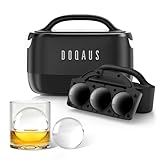
- ✅ Achieve Bar-Quality Clarity with Directional Freezing: Stop settling for cloudy, bubble-filled ice. Our clear ice cube maker utilizes advanced physics to push impurities away, creating 3 crystal-clear spheres and 4 cubes per cycle. It is the secret weapon for the home mixologist wanting presentation-ready drinks without expensive machinery.
- ✅ Preserve Complex Flavors with Slow Dilution: Designed for the purist, this whiskey ice cubes mold produces dense, 2.5-inch ice that melts 40% slower than standard ice. Enjoy your single malt or bourbon chilled but undiluted, ensuring the aromatic profile remains distinct from the first sip to the last.
- ✅ Effortless Release with Premium Hybrid Design: Unlike rigid plastic trays that crack, our flexible silicone ice ball maker mold ensures smooth removal. The non-stick material lets you pop out perfect shapes instantly, making drink preparation seamless for relaxing solo evenings or busy gatherings.
- ✅ Versatile 2-in-1 Capacity for Entertaining: Hosting a cocktail night? This round ice cube mold creates 7 pieces simultaneously, catering to different glass styles. Whether serving an Old Fashioned (sphere) or a Negroni (cube), you will have the right ice shape ready for every guest's preference.
- ✅ The Sophisticated Choice for Gifting: More than just a standard ice mold, this clear ice system is an essential upgrade for any wet bar. Packaged to impress, it creates a tangible experience, making it an ideal gift for fathers, partners, or enthusiasts who value the ritual of a perfectly poured drink.
5. Fill the ice cube trays: Carefully pour the cooled coffee into the ice cube trays. Fill each compartment about three-quarters full.
- What “good” looks like: Evenly filled compartments without spills.
- Common mistake: Overfilling the trays, which can cause the cubes to fuse together or spill when moved.
- Avoid by: Using a steady hand and pouring slowly, leaving a small gap for expansion.
6. Place in freezer: Gently transfer the filled ice cube trays to a level spot in your freezer.
- What “good” looks like: Trays sitting flat, ensuring even freezing.
- Common mistake: Tilting the trays, leading to unevenly shaped cubes or spilled liquid.
- Avoid by: Ensuring the freezer shelf is level before placing the trays.
7. Freeze completely: Allow the coffee to freeze solid, which typically takes 4-6 hours, depending on your freezer.
- What “good” looks like: Firm, solid coffee cubes.
- Common mistake: Trying to remove the cubes before they are fully frozen, resulting in broken or misshapen pieces.
- Avoid by: Checking the firmness of a cube by gently pressing it.
8. Remove and store: Once frozen, twist the trays to loosen the cubes and transfer them to a freezer-safe bag or container.
- What “good” looks like: Easily removable, intact coffee cubes stored neatly.
- Common mistake: Leaving cubes in the tray indefinitely, where they can absorb freezer odors or stick together.
- Avoid by: Promptly transferring cubes to airtight storage.
Common mistakes (and what happens if you ignore them)
| Mistake | What it causes | Fix |
|---|---|---|
| Using hot coffee | Warped ice cube trays, potential chemical leaching from plastic. | Let coffee cool to room temperature or use an ice bath to speed up the cooling process before pouring into trays. |
| Not straining coffee grounds | Cloudy ice cubes, sediment at the bottom of drinks, potential clogs. | Strain coffee through a fine-mesh sieve or cheesecloth, especially if using a French press or similar brewer. |
| Brewing coffee too weak | Flavorless ice cubes that don’t contribute much to the drink’s taste. | Brew coffee stronger than usual, using more grounds or less water, to compensate for dilution when the ice melts. |
| Using dirty ice cube trays | Off-flavors in the ice cubes, potential mold or bacterial growth. | Wash ice cube trays thoroughly with hot, soapy water and rinse well before each use. |
| Overfilling ice cube trays | Cubes can fuse together, spills during transfer to the freezer. | Fill trays about three-quarters full to allow for expansion during freezing. |
| Placing tilted trays in the freezer | Unevenly shaped cubes, liquid spills, cubes that don’t fit together well. | Ensure the freezer shelf is level and place trays carefully to keep them flat. |
| Freezing instant coffee crystals directly | Gritty texture, incomplete dissolution, less appealing flavor. | Brew coffee using your preferred method. Instant coffee is generally not recommended for making ice cubes due to its granular nature. |
| Not storing frozen cubes properly | Cubes absorb freezer odors, stick together, or become freezer-burned. | Transfer frozen cubes to an airtight freezer bag or container. |
| Using stale coffee beans | Flat, uninspired flavor in both the initial brew and the resulting ice cubes. | Use freshly roasted and freshly ground coffee beans for the best possible flavor. |
| Not checking freezer temperature | Ice cubes may not freeze solid or could melt/refreeze, affecting texture. | Ensure your freezer is set to 0°F (-18°C) or below for optimal freezing. |
Decision rules (simple if/then)
- If you want stronger coffee ice cubes, then brew your coffee at a stronger ratio (e.g., 1:15 instead of 1:17) because the ice will dilute the drink.
- If you are using a French press, then strain your coffee before freezing because sediment can make your ice cloudy.
- If your tap water has a noticeable taste, then use filtered water for brewing because it will result in cleaner-tasting coffee ice cubes.
- If you are making coffee ice cubes for a dessert, then consider using a flavored coffee or adding a touch of sweetener to the brew before freezing because it can enhance the dessert’s profile.
- If your ice cube trays have a plastic smell, then soak them in a baking soda and water solution overnight because this can help neutralize odors.
- If you are in a hurry to cool your coffee, then use an ice bath because it is faster than air cooling and safer than microwaving.
- If your coffee maker has a strong coffee smell, then run a cleaning cycle before brewing because residual oils can affect the taste of your ice cubes.
- If you notice your ice cubes are sticking together in storage, then ensure they are completely frozen and dry before transferring them to the bag because residual moisture can cause them to freeze into a block.
- If you are using a high-end coffee maker, then check its manual for any specific recommendations on brewing strength for concentrated beverages because some machines have optimized settings.
- If you want to avoid freezer burn on your coffee cubes, then use a high-quality freezer bag and press out as much air as possible before sealing because this creates a better barrier.
- If you are concerned about chemicals leaching from plastic trays, then consider using stainless steel or silicone ice cube trays because they are generally considered more inert.
- If your coffee tastes bitter when brewed, then adjust your grind size or brew time before making ice cubes because bitter coffee will result in bitter ice.
FAQ
Can I use instant coffee to make ice cubes?
While you can technically dissolve instant coffee granules in water and freeze them, the texture and flavor might not be ideal. Instant coffee often has a different flavor profile and can result in a gritty or less satisfying ice cube compared to brewed coffee. It’s generally recommended to brew fresh coffee for the best results.
Will coffee ice cubes make my iced coffee taste watered down?
No, coffee ice cubes are designed to prevent your iced coffee from tasting watered down. As they melt, they release more coffee flavor into your drink, maintaining its strength and richness. This is a great way to enjoy iced coffee without compromising on taste.
How long do coffee ice cubes last in the freezer?
Coffee ice cubes can last for several months in the freezer, typically around 2-3 months for optimal flavor. After this period, they might start to absorb odors from the freezer or lose some of their fresh coffee aroma. Storing them in an airtight container or freezer bag will help preserve their quality.
Can I add milk or cream to the coffee before freezing?
Yes, you can add milk or cream to your coffee before freezing it into ice cubes. This can create a pre-sweetened and creamed coffee cube. However, be aware that dairy can sometimes affect the texture and might not freeze as smoothly as plain coffee. It’s a good idea to experiment with small batches first.
What is the best way to remove coffee ice cubes from the tray?
The easiest way to remove coffee ice cubes is to twist the tray, especially if it’s a flexible silicone tray. If you have a rigid tray, you can run the bottom under warm water for a few seconds. Be careful not to let the cubes melt too much; just enough to loosen them.
Can I use decaf coffee to make ice cubes?
Absolutely. You can use decaffeinated coffee to make ice cubes if you want the coffee flavor without the caffeine. The process is the same as with regular coffee. Just brew your decaf coffee, let it cool, and freeze it in ice cube trays.
How do I prevent coffee ice cubes from tasting like freezer air?
To prevent your coffee ice cubes from picking up freezer odors, ensure they are stored in an airtight container or a heavy-duty freezer bag. Press out as much air as possible before sealing the bag. Keeping your freezer clean and free of strong-smelling foods also helps.
Should I brew my coffee stronger for ice cubes?
Yes, it’s often recommended to brew your coffee slightly stronger than you normally would for drinking. This is because as the ice cubes melt, they will dilute the beverage they are added to. Brewing it stronger ensures that your iced coffee still has a robust coffee flavor even after dilution.
What this page does NOT cover (and where to go next)
- Specific recipes for coffee-based desserts or cocktails that use coffee ice cubes. (Explore dessert recipe books or cocktail guides.)
- Detailed comparisons of different coffee bean origins and their suitability for freezing. (Consult coffee connoisseur blogs or specialty coffee roaster websites.)
- Advanced techniques for infusing coffee ice cubes with additional flavors like spices or extracts. (Look for guides on flavor infusion and molecular gastronomy.)
- The impact of different water mineral content on coffee extraction and ice cube clarity beyond basic quality. (Research water chemistry for coffee brewing.)