
Step-By-Step Guide To Making Perfect Cold Coffee
Quick answer
- Use a coarse grind for cold brew.
- Steep for 12-24 hours.
- Filter thoroughly.
- Use filtered water.
- Experiment with coffee-to-water ratios.
- Keep it clean.
Who this is for
- Anyone who loves a smooth, less acidic coffee.
- People who want to make a big batch ahead of time.
- Those looking for a refreshing caffeine fix without the heat.
What to check first
Brewer type and filter type
Most people use a French press, mason jar, or a dedicated cold brew maker. The filter is key. Paper filters can clog with cold brew grounds. A mesh filter, cheesecloth, or a nut milk bag works better.
A fine mesh filter is essential for removing grounds without clogging. Consider getting a dedicated mesh coffee filter for the best results.
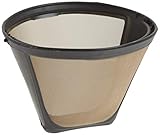
- Genuine Cuisinart Item
- Permanent gold-tone filter
- Helps provide full-flavored coffee
- Cortado con láser
- Fits models : DCC-1100, DC-1200, DC-2600
Water quality and temperature
Tap water can add off-flavors. Use filtered water for the cleanest taste. Cold brew uses cold or room temperature water, so no need to heat it up. This is where the magic happens, slowly.
Grind size and coffee freshness
You want a coarse grind. Think breadcrumbs or coarse sea salt. Too fine, and you’ll get sludge and over-extraction. Freshly roasted beans make a big difference. Grind right before you brew if you can.
Coffee-to-water ratio
This is where you can really dial it in. A good starting point is 1:4 or 1:5 (coffee to water by weight). For example, 100 grams of coffee to 400-500 ml of water. This makes a concentrate you’ll dilute later.
Cleanliness/descale status
Any old coffee oils will make your brew taste bitter or stale. Rinse everything thoroughly after each use. If you have a machine, check the manual for descaling instructions. A clean setup is crucial.
Step-by-step how to make cold coffee step by step
1. Measure your coffee. Weigh out your whole beans. A good starting point for a concentrate is 100 grams.
- Good looks like: Accurate measurement.
- Common mistake: Guessing. This leads to inconsistent results. Use a scale.
Accurate measurement is key for consistent cold brew. Using a coffee scale will help you achieve the perfect coffee-to-water ratio every time.

- 𝗕𝗮𝗿𝗶𝘀𝘁𝗮-𝗟𝗲𝘃𝗲𝗹 𝗣𝗿𝗲𝗰𝗶𝘀𝗶𝗼𝗻: Featuring a 0.1 g sensor with rapid refresh rates, this coffee weight scale responds instantly to changes, giving you fine control over extraction for consistent pour-over and espresso results.
- 𝗜𝗻𝘁𝗲𝗴𝗿𝗮𝘁𝗲𝗱 𝗕𝗿𝗲𝘄 𝗧𝗶𝗺𝗲𝗿: This espresso weight scale includes a built-in timer to track bloom and extraction with count-up or down control, and auto shutoff extends battery life between sessions.
- 𝗗𝘂𝗿𝗮𝗯𝗹𝗲, 𝗦𝗽𝗶𝗹𝗹-𝗥𝗲𝘀𝗶𝘀𝘁𝗮𝗻𝘁 𝗕𝘂𝗶𝗹𝗱: A heat-resistant, dishwasher-safe silicone cover with an engineered fit shields the platform from spills and hot gear. The grooved surface stabilizes your brewing setup, making it an ideal scale for coffee.
- 𝗩𝗲𝗿𝘀𝗮𝘁𝗶𝗹𝗲 𝗠𝗲𝗮𝘀𝘂𝗿𝗲𝗺𝗲𝗻𝘁 𝗢𝗽𝘁𝗶𝗼𝗻𝘀: Quick-tare and multiple units - g, oz, lb, ml, and fl oz - make this small coffee scale ideal for weighing beans, shots, or everyday kitchen ingredients.
- 𝗜𝗻𝘁𝘂𝗶𝘁𝗶𝘃𝗲, 𝗪𝗼𝗿𝗸𝗳𝗹𝗼𝘄-𝗙𝗼𝗰𝘂𝘀𝗲𝗱 𝗗𝗲𝘀𝗶𝗴𝗻: A bright, easy-to-read display and simple controls keep your brewing routine smooth. Designed for clarity and clean operation, it also serves as a compact matcha scale.
2. Grind your coffee. Use a coarse setting on your grinder. Aim for consistency.
- Good looks like: Uniform, coarse particles.
- Common mistake: Using a fine grind. This creates sediment and bitterness. Stick to coarse.
3. Combine coffee and water. Place grounds in your brewer. Add cold or room temperature filtered water. Stir gently.
- Good looks like: All grounds are saturated.
- Common mistake: Not stirring. Some grounds might stay dry and not extract. Give it a gentle stir.
4. Steep. Cover your brewer and let it sit. 12-24 hours is the sweet spot. Longer steeps can get too strong or bitter.
- Good looks like: The coffee is steeping undisturbed.
- Common mistake: Steeping too short. You won’t get much flavor. Aim for at least 12 hours.
5. Filter the coffee. This is the most important step for a smooth cup. Use a fine mesh strainer first.
- Good looks like: Most of the large grounds are removed.
- Common mistake: Rushing the first filter. You’ll still have a lot of sediment. Be patient.
6. Second filtration (optional but recommended). For an even cleaner brew, filter again through a paper filter, cheesecloth, or nut milk bag.
- Good looks like: A clear, sediment-free liquid.
- Common mistake: Skipping this step if you want super smooth coffee. It’s worth the extra effort.
7. Dilute your concentrate. Cold brew concentrate is strong. Add water or milk to taste. A 1:1 ratio is a good start.
- Good looks like: The coffee is at your desired strength.
- Common mistake: Drinking it straight. It’s way too strong for most people. Dilute it!
8. Serve over ice. Pour your diluted cold brew over a glass full of ice.
- Good looks like: A cold, refreshing beverage.
- Common mistake: Not using enough ice. Your coffee will get warm too fast. Pack that glass.
9. Add your favorite additions. Milk, cream, sugar, or flavored syrups. Whatever floats your boat.
- Good looks like: Your perfect coffee drink.
- Common mistake: Overdoing it. Let the coffee flavor shine through first.
Common mistakes (and what happens if you ignore them)
| Mistake | What it causes | Fix |
|---|---|---|
| Using fine grounds | Cloudy, bitter coffee; clogged filters | Switch to a coarse grind (like breadcrumbs). |
| Not stirring during steeping | Uneven extraction; weak spots | Gently stir grounds and water after combining. |
| Under-steeping (less than 12 hrs) | Weak, watery coffee | Extend steeping time to at least 12 hours. |
| Over-steeping (more than 24 hrs) | Bitter, harsh flavors | Reduce steeping time; aim for 12-24 hours. |
| Insufficient filtering | Gritty, muddy texture; unpleasant mouthfeel | Filter twice using different methods (e.g., mesh then paper). |
| Using tap water | Off-flavors from chlorine or minerals | Use filtered or bottled water for a cleaner taste. |
| Not cleaning equipment | Stale, rancid coffee oils; off-flavors | Rinse and wash all equipment thoroughly after each use. |
| Incorrect coffee-to-water ratio | Too strong or too weak brew | Start with 1:4 or 1:5 ratio for concentrate and adjust to taste. |
| Using stale beans | Flat, dull flavor; lack of aroma | Use freshly roasted beans, ideally within a few weeks of roast. |
| Not diluting concentrate | Overpoweringly strong, bitter taste | Always dilute cold brew concentrate with water or milk. |
Decision rules (simple if/then)
- If your cold brew tastes bitter, then reduce your steeping time because over-extraction can happen.
- If your cold brew is weak, then increase your coffee-to-water ratio or steep for longer because you might not be extracting enough flavor.
- If you have sediment in your cup, then filter it a second time using a finer method because a thorough filtration is key to smoothness.
- If you notice off-flavors, then check your water quality and clean your equipment because these are common culprits.
- If you’re brewing a large batch, then use a dedicated cold brew maker or a large jar with a tight lid because it makes the process easier.
- If you want a less acidic coffee, then cold brew is the way to go because the cold water extraction process naturally reduces acidity.
- If your grind is too fine, then your brew will be muddy and hard to filter, so always opt for coarse grounds.
- If you prefer a bolder flavor, then try steeping for closer to 24 hours, but taste periodically to avoid bitterness.
- If you’re in a rush, cold brew isn’t for you, because it requires significant steeping time.
- If you want to experiment, try different beans or even add spices to the grounds before steeping for unique flavors.
FAQ
What’s the best type of coffee bean for cold brew?
Medium to dark roasts often work well, offering chocolatey or nutty notes. However, you can use any bean you enjoy. Just remember to grind it coarse.
How long can I store cold brew concentrate?
You can store it in an airtight container in the refrigerator for up to two weeks. It might lose some flavor over time, but it’s still good.
Can I use hot water to speed up cold brew?
No, the point of cold brew is the slow, cold extraction. Using hot water will result in a different brew, more akin to iced coffee made from hot coffee.
Why is my cold brew bitter?
This usually means it was over-extracted. Try a shorter steeping time, a coarser grind, or a slightly less coffee-to-water ratio.
What’s the difference between cold brew and iced coffee?
Iced coffee is typically hot coffee that’s cooled down and served over ice. Cold brew is brewed cold and has a smoother, less acidic profile due to the extraction method.
Do I need a special cold brew maker?
Not at all. A simple mason jar and a fine mesh strainer, or a French press, work great. Dedicated makers just offer more convenience.
How much caffeine is in cold brew?
Cold brew concentrate can be very high in caffeine. The final caffeine level depends on how much you dilute it. Always start with a small amount if you’re sensitive.
What this page does NOT cover (and where to go next)
- Specific brand reviews of cold brew makers.
- Detailed guides on latte art or complex espresso drinks.
- The science behind coffee extraction in extreme detail.
- Advanced roasting profiles for home roasters.
- How to make hot coffee from scratch (grinding, brewing methods).