
Espresso Martinis Without Coffee: Creative Twists
Quick answer
- You can absolutely make delicious espresso martinis without traditional coffee.
- Focus on coffee-adjacent flavors like chicory, dandelion root, or even dark chocolate.
- Consider using a strong, dark brewed tea as a base for bitterness and depth.
- Sweeteners and liqueurs can compensate for the lack of coffee’s inherent bitterness.
- Experiment with infused spirits to add complexity.
- The goal is to replicate the sensory experience – bitterness, richness, aroma, and froth – using alternative ingredients.
Who this is for
- Cocktail enthusiasts looking for unique twists on classic drinks.
- Individuals who dislike coffee but enjoy the espresso martini’s profile.
- Home bartenders seeking creative ways to impress guests with non-traditional ingredients.
What to check first
- Brewer Type and Filter Type: While not making coffee, consider how you might prepare your alternative base. If using tea, a standard tea infuser or French press works. For chicory or dandelion root, you might brew them like coffee in a drip machine or French press. The filtration method will impact clarity and sediment in your final drink.
- Water Quality and Temperature: Use filtered water for the cleanest flavor. For brewing alternative bases, follow the recommended temperatures for those ingredients. For example, black tea often benefits from near-boiling water (around 200-212°F), while other herbal infusions might need cooler temperatures.
- Grind Size and Ingredient Freshness: If using roasted chicory or dandelion root, a medium grind similar to coffee grounds is often suitable. Freshness is key for potent flavor extraction. For teas, ensure they are stored properly to maintain their aroma and taste.
- Ingredient-to-Water Ratio: Just like coffee, the ratio of your alternative ingredient to water matters. Too little will result in a weak flavor, while too much can lead to an overly bitter or muddy drink. Start with a common ratio for coffee brewing (e.g., 1:15 or 1:17) and adjust as needed for your chosen ingredient.
- Cleanliness/Descale Status: Ensure any brewing equipment used is thoroughly cleaned. Residue from previous brews, even if not coffee, can impart off-flavors. Descaling is less critical for tea brewing but important if you’re using a coffee maker for alternative grounds.
When brewing your alternative bases, especially teas or loose roots, a good tea infuser will be essential for a clean brew without sediment.
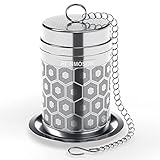
- Upgraded Micron Mesh: loose leaf tea steeper is Ideal to hold tea leaves, particles, or ground coffee. Compared to traditional tea strainer, our tea ball features 50% more ultra fine, half-sized holes for optimal tea flavor and minimal sediment leak. Ideal for rooibos, herbs, green tea, Chai, ground coffee, small tea leaves and etc.
- High-Quality Materials: Made of 304 food-grade stainless steel, tea ball infuser for loose tea is easier to be cleaned. Besides, loose tea steeper ensures no metallic taste on your tea or coffee and never rust for years of use. Money-saving and eco-friendly alternative to disposable tea bags and paper filters.
- Easy to Open and Close: With the design of thread top, the lids screw easily and are much more secure than the traditional twist lid, so the tea leaves will be held tightly and the lid never escapes during the process of brewing.
- Wide Application: tea steeper is not only for loose tea leaves but also a spice filter, infusing spices, herbs, and seasonings in soups, sauce, broths, and stews. Extended 4.3” chain with S-handle makes tea infusers can catch securely on any rim of mugs, cups, teapots, kettles, bottles, and pitchers.
- Package: Comes with 1.5” diameter and 2.2” high tea balls for loose tea and 1 saucer. The saucer is helpful for avoiding making a mess when you take out the loose leaf tea infusers after brewing.
If you’re looking for a coffee-adjacent flavor, consider using dandelion root as your base. It offers a pleasant bitterness that can mimic the profile of espresso.

- NATURAL DANDELION ROOT: LeafLea Dandelion Root Tea Bags are made from pure, naturally grown dandelion root, ensuring no harmful chemicals. Our dandelion root tea bags are crafted to deliver a naturally flavorful tea experience.
- CRAFTED WITH CARE: Our dandelion root is hand-harvested, washed, sun-dried, and finely ground. Each step preserves the pure, natural flavor, ensuring that every cup of dandelion root tea offers the freshest and most authentic taste.
- DEEP, EARTHY FLAVOR: Enjoy the deep, earthy taste of our dandelion tea bags, free from additives or artificial flavors. Whether you're sipping it hot for a soothing experience or iced for a refreshing treat, our dandelion tea offers a full-bodied flavor that tea lover.
- EVERYDAY WELLESS USE: LeafLea Dandelion Root Tea is often enjoyed as part of a balanced daily routine. Naturally caffeine-free, it offers a clean, refreshing cup that fits simple wellness habits—an easy choice for those who prefer a steady.
- PREMIUM TEA BAGS & LUXURIOUS PACKAGING: Our dandelion root tea bags come individually wrapped, our tea bags are made from 100% wood paper, ensuring both freshness and convenience. The tea is packaged in a stylish, sturdy box, making it ideal for gifting. Whether for personal use or as a gift, LeafLea offers the best dandelion tea experience.
Step-by-step (brew workflow for an alternative base)
1. Select your alternative ingredient: Choose something with a roasted, bitter, or deep flavor profile, such as roasted chicory root, dandelion root, or a very dark, robust tea like Pu-erh or a strong black tea.
- What “good” looks like: The ingredient has a distinct aroma and appears fresh.
- Common mistake: Using a weak or bland ingredient that won’t provide the necessary flavor depth.
- How to avoid: Opt for ingredients specifically marketed for their robust or roasted qualities.
2. Grind your ingredient (if applicable): If using whole roasted roots, grind them to a medium consistency, similar to coffee grounds.
- What “good” looks like: A consistent grind size that isn’t too fine (which can lead to bitterness and sediment) or too coarse (which won’t extract well).
- Common mistake: Grinding too finely, which can clog filters and create a muddy texture.
- How to avoid: Use a burr grinder and aim for a texture that feels like coarse sand.
3. Heat your water: Bring filtered water to the appropriate temperature for your chosen ingredient. For roasted roots, near-boiling (around 200-205°F) is often ideal. For teas, follow specific brewing guidelines.
- What “good” looks like: Water is at the correct temperature, not boiling vigorously but steaming.
- Common mistake: Using water that is too hot or too cold, which can scorch the grounds or result in under-extraction.
- How to avoid: Use a thermometer or let boiling water sit for 30-60 seconds before pouring.
4. Prepare your brewing device: Set up your French press, pour-over cone, or drip machine with the appropriate filter.
- What “good” looks like: The device is clean and ready to use.
- Common mistake: Using a dirty brewer, which can impart stale flavors.
- How to avoid: Rinse your equipment thoroughly before use.
5. Add your alternative ingredient: Place the ground ingredient into your brewer. Use a ratio similar to coffee, starting with around 1:15 (e.g., 2 tablespoons of grounds for 6 oz of water).
- What “good” looks like: The grounds are evenly distributed in the brewer.
- Common mistake: Overfilling the brewer, which can lead to poor extraction and overflow.
- How to avoid: Measure your ingredients accurately and leave space for water to flow.
6. Bloom (optional but recommended): Pour just enough hot water to saturate the grounds and let them sit for 30 seconds. This allows gases to escape and promotes even extraction.
- What “good” looks like: The grounds expand and bubble slightly.
- Common mistake: Skipping the bloom, which can lead to a less flavorful brew.
- How to avoid: Be patient and let the grounds degas.
7. Pour the remaining water: Slowly pour the rest of the hot water over the grounds, ensuring all are saturated.
- What “good” looks like: A steady pour that saturates all the grounds evenly.
- Common mistake: Pouring too quickly or unevenly, which can create channels and lead to inconsistent extraction.
- How to avoid: Use a gooseneck kettle for controlled pouring.
8. Brew/Steep: Allow the mixture to steep for the appropriate time. For roasted roots, 4-5 minutes is a good starting point. For teas, follow specific steeping times (usually 3-5 minutes for black tea).
- What “good” looks like: The liquid is developing a rich color and aroma.
- Common mistake: Over-steeping, which can result in excessive bitterness.
- How to avoid: Time your steep carefully and remove the grounds promptly.
9. Filter/Press: If using a French press, gently press the plunger down. If using a pour-over or drip machine, allow the liquid to filter through.
- What “good” looks like: A clear liquid with minimal sediment.
- Common mistake: Plunging too hard or too fast, which can force fine particles through the filter.
- How to avoid: Press slowly and steadily.
10. Cool to desired temperature: Let the brewed liquid cool to a temperature suitable for cocktails, typically room temperature or slightly chilled.
- What “good” looks like: The liquid is no longer steaming and is ready to be used in a cocktail.
- Common mistake: Using hot liquid in your cocktail shaker, which can melt ice too quickly and dilute the drink.
- How to avoid: Allow adequate cooling time or chill the brewed liquid in the refrigerator.
11. Strain (optional): For an extra-smooth drink, you can strain the brewed liquid through a fine-mesh sieve or coffee filter.
- What “good” looks like: A very clear, sediment-free liquid.
- Common mistake: Not straining enough, leaving fine particles that can affect mouthfeel.
- How to avoid: Double-strain if necessary.
12. Store: Store any leftover brewed liquid in an airtight container in the refrigerator for up to 2-3 days.
- What “good” looks like: The liquid remains fresh and flavorful.
- Common mistake: Leaving it at room temperature, which can lead to spoilage.
- How to avoid: Always refrigerate unused portions promptly.
Common mistakes (and what happens if you ignore them)
| Mistake | What it causes | Fix |
|---|---|---|
| Using weak or bland alternative bases | A watery, flavorless martini that lacks depth and the desired “coffee” kick. | Choose robust, roasted ingredients like chicory or dark teas. Experiment with ratios. |
| Incorrect water temperature | Under-extraction (weak flavor) or over-extraction (bitter, burnt taste). | Use a thermometer or let boiling water rest before brewing. Check ingredient-specific temperature needs. |
| Wrong grind size | Too fine: muddy, bitter drink. Too coarse: weak, watery flavor. | Aim for a medium grind. Adjust based on your brewing method and ingredient. |
| Improper ingredient-to-water ratio | Too little: weak drink. Too much: overpowering bitterness or sediment. | Start with a standard coffee ratio (e.g., 1:15) and adjust to taste. |
| Dirty brewing equipment | Off-flavors, stale taste, and potential for mold or bacteria growth. | Clean all equipment thoroughly before and after each use. |
| Over-steeping | Excessive bitterness that masks other flavors and makes the drink unpleasant. | Time your steeping carefully and remove grounds promptly. |
| Using hot liquid in shaker | Rapid ice melt, leading to a diluted and weak cocktail. | Allow brewed alternative to cool to room temperature or chill it in the fridge. |
| Insufficient sweetness/bitterness balance | A martini that is too tart, too bitter, or not complex enough. | Adjust simple syrup, liqueur, or add a dash of bitters to achieve balance. |
| Ignoring aroma | Missing a key sensory component of a good espresso martini. | Pay attention to the aroma of your alternative base; it should be rich and inviting. |
| Using low-quality spirits | A harsh or unbalanced martini that doesn’t complement the alternative flavors. | Use a good quality vodka or rum that you enjoy drinking on its own. |
Decision rules (simple if/then)
- If your alternative base tastes too weak, then increase the amount of ingredient used per unit of water because more grounds will yield a stronger extraction.
- If your alternative base tastes too bitter, then reduce the brewing time or use slightly coarser grounds because bitterness often comes from over-extraction.
- If you want a smoother texture, then strain the brewed alternative base through a fine-mesh sieve because this removes fine particles.
- If you are using roasted chicory root, then aim for a brewing temperature around 200-205°F because this temperature is optimal for extracting its deep, roasted flavors.
- If you are making a batch for multiple drinks, then brew the alternative base ahead of time and chill it because this ensures it’s ready and at the correct temperature for shaking.
- If your final martini lacks complexity, then consider adding a coffee liqueur or a dash of chocolate bitters because these can add layers of flavor.
- If you detect a burnt flavor, then your brewing temperature was likely too high, or you over-steeped; try again with cooler water and a shorter steep.
- If you want to enhance the aroma, then ensure your alternative ingredient is freshly roasted and ground just before brewing because freshness significantly impacts scent.
- If your martini has too much sediment, then use a finer filter or strain more thoroughly because sediment can make the drink unpleasant to drink.
- If you want a richer, darker color, then use a more intensely roasted alternative ingredient or consider a small amount of dark chocolate syrup.
- If your alternative base tastes too sour, then try a slightly longer steep time or a finer grind because sourness can indicate under-extraction.
FAQ
Can I use decaf coffee instead of regular espresso?
While you’re aiming to avoid coffee, if you must, decaf coffee will still have a coffee flavor. For a truly coffee-free experience, explore alternatives like chicory or dark teas.
What are some good substitutes for coffee liqueur?
You can use chocolate liqueur, a rich dark simple syrup infused with cocoa, or even a small amount of amaro for a more complex, herbal sweetness.
How can I get a good froth without espresso?
The froth comes from the oils and proteins in coffee. For alternatives, a very vigorous shake with plenty of ice is key. Some people also experiment with aquafaba (chickpea brine) for a vegan froth.
Is it okay to use instant coffee granules?
Instant coffee is highly processed and may not provide the same depth or aroma as freshly brewed espresso. For a better flavor profile, it’s best to brew a concentrated alternative liquid.
How long does a brewed alternative base last in the fridge?
A brewed alternative base should be stored in an airtight container in the refrigerator and is best used within 2-3 days for optimal flavor.
Can I make a “coffee” martini without any bitterness at all?
While the goal is often to mimic the bitter notes, you can create a sweet, rich martini by leaning heavily on sweeteners and liqueurs, and using a less bitter alternative base like a mild herbal infusion.
What kind of spirits work best in a coffee-free espresso martini?
Vodka is a classic choice for its neutral profile. However, a good quality dark rum or even a reposado tequila can add interesting layers of flavor that complement coffee-like alternatives.
How do I adjust the sweetness in a coffee-free martini?
Start with a standard amount of simple syrup and taste. You can always add more. Consider using flavored syrups, like chocolate or caramel, to add sweetness and complexity simultaneously.
What this page does NOT cover (and where to go next)
- Specific brand recommendations for alternative brewing ingredients.
- Detailed recipes for specific coffee-free espresso martini variations.
- Advanced cocktail techniques like dry shaking or using specific bar tools.
- The science behind coffee extraction and flavor compounds.