
Making Coffee Cocktails with Tia Maria Liqueur
Quick Answer
- Use fresh, high-quality coffee: Cold brew or a strong espresso works best.
- Chill your ingredients: Cold liqueur and chilled coffee lead to a better-balanced drink.
- Measure accurately: Use a jigger for consistent results.
- Consider ice: Large cubes melt slower, diluting your drink less.
- Garnish thoughtfully: A coffee bean or a dusting of cocoa can elevate the experience.
- Taste and adjust: Small tweaks to sweetness or coffee strength can make a big difference.
Who This Is For
- Home bar enthusiasts looking to expand their cocktail repertoire.
- Coffee lovers who enjoy a sweet, boozy treat.
- Anyone seeking an after-dinner drink or a sophisticated pick-me-up.
What to Check First for Tia Maria Coffee Cocktails
Before you start mixing, a few foundational elements can significantly impact your coffee cocktail’s success.
Brewer Type and Filter Type
The type of coffee you use is crucial. For coffee cocktails, you want a coffee that is rich, intense, and not overly acidic.
- Espresso: A double shot of espresso provides a concentrated coffee flavor that stands up well to liqueur and other ingredients. If you have an espresso machine, this is often the preferred choice.
- Cold Brew Concentrate: Cold brew, especially when made as a concentrate, offers a smooth, less acidic profile with inherent sweetness. It’s also naturally chilled, which is a bonus.
- French Press: A strong brew from a French press can also work, but ensure you use a finer grind than usual and let it steep for a good 4-5 minutes to maximize extraction.
- Filter Type: For espresso, the portafilter basket is key. For French press, the metal filter is standard. For drip coffee, paper filters are common, but for cocktails, you might opt for a reusable metal filter to allow more oils through, enhancing richness.
Water Quality and Temperature
The water you use to brew your coffee or to dilute your cocktail matters.
- Water Quality: If your tap water has a strong mineral or chlorine taste, it will negatively affect your coffee’s flavor and, by extension, your cocktail. Using filtered water or good-quality bottled water is recommended.
- Water Temperature (for brewing): For hot coffee methods like French press or drip, the ideal brewing temperature is typically between 195°F and 205°F. Too cool, and you won’t extract enough flavor; too hot, and you risk scorching the grounds, leading to bitterness. For cold brew, temperature isn’t as critical during the brewing process, but the final product should be served cold.
Grind Size and Coffee Freshness
The grind size and the freshness of your coffee beans are paramount for a flavorful base.
- Grind Size:
- Espresso: Very fine, like powdered sugar.
- French Press: Coarse, like sea salt.
- Drip/Pour-over: Medium, like granulated sugar.
- Cold Brew: Coarse to extra-coarse, like breadcrumbs.
- Why it matters: The correct grind size ensures optimal extraction for each brewing method. Too fine a grind can lead to over-extraction and bitterness, while too coarse can result in under-extraction and a weak, sour coffee.
- Coffee Freshness: Ideally, use coffee beans roasted within the last 2-4 weeks. Grind your beans just before brewing for the best flavor. Pre-ground coffee loses its volatile aromatics quickly.
Coffee-to-Water Ratio
This ratio dictates the strength of your coffee. For coffee cocktails, you generally want a stronger brew than you might drink on its own.
- General Guideline: A common starting point for a strong coffee brew is around 1:15 to 1:17 (coffee to water by weight). For a richer cocktail base, you might lean towards 1:14 or even 1:13.
- Example: For a 1:15 ratio with 10 grams of coffee, you’d use 150 grams (or ml) of water.
- Why it matters: An incorrect ratio leads to either a weak, watery coffee that gets lost in the cocktail, or an overly bitter, concentrated brew that can overpower other flavors.
Cleanliness and Descale Status
A clean coffee maker is essential for good-tasting coffee, and thus, good-tasting cocktails.
- Brewer Cleanliness: Coffee oils build up over time, becoming rancid and imparting off-flavors. Regularly clean all parts of your coffee maker according to the manufacturer’s instructions. This includes the brew basket, carafe, and any removable parts.
- Descaling: Mineral deposits from water can build up inside your coffee maker, affecting its performance and taste. Descale your machine every 1-3 months, depending on your water hardness and usage. Follow your brewer’s manual for the specific descaling process, which often involves running a solution of vinegar or a commercial descaling agent through the machine.
- Why it matters: A dirty or scaled machine can produce bitter, stale-tasting coffee, regardless of how fresh your beans or how good your water is. This will directly translate into a less enjoyable coffee cocktail.
Step-by-Step: Crafting Your Tia Maria Coffee Cocktail
Here’s a general workflow for making a delicious coffee cocktail featuring Tia Maria. This example assumes you’re using a chilled espresso or strong cold brew.
1. Prepare Your Coffee Base:
- What to do: Brew a strong shot of espresso or prepare a batch of cold brew concentrate. Ensure it’s cooled to your desired temperature (chilled is best for most cocktails).
- What “good” looks like: A rich, aromatic coffee with no bitterness or sourness. For espresso, a crema on top is a good sign. For cold brew, it should be smooth and full-bodied.
- Common mistake: Using hot coffee that hasn’t cooled. This can melt your ice too quickly and dilute the drink.
- How to avoid: Brew your coffee in advance and chill it in the refrigerator or freezer for at least 30 minutes.
2. Chill Your Glassware:
- What to do: Place your serving glass (a coupe, martini, or rocks glass works well) in the freezer for at least 10-15 minutes.
- What “good” looks like: A glass that feels cold to the touch.
- Common mistake: Using a room-temperature glass.
- How to avoid: Don’t skip this step! A chilled glass helps keep your cocktail cold longer without excessive dilution.
3. Gather Your Ingredients:
- What to do: Have your Tia Maria liqueur, chilled coffee, and any other mixers (like cream, simple syrup, or other spirits) ready and measured.
- What “good” looks like: All ingredients are at the correct temperature and precisely measured.
- Common mistake: Fumbling for ingredients or measuring inaccurately mid-shake.
- How to avoid: Set up your “bar” area with everything within easy reach before you begin.
4. Measure the Tia Maria:
- What to do: Using a jigger, accurately measure the amount of Tia Maria liqueur. A common starting point is 1.5 to 2 oz.
- What “good” looks like: Precise measurement in the jigger.
- Common mistake: Eyeballing the pour.
- How to avoid: Always use a jigger for consistency.
Using a jigger, accurately measure the amount of Tia Maria liqueur. A common starting point is 1.5 to 2 oz. for a well-balanced drink.

- Real Ingredients - We craft our spicy syrup with real habanero peppers and natural cane sugar. The bold heat and subtle sweetness in this spicy drink mix deliver a balanced kick
- Spice Up Your Cocktails - Our spicy drink mix is perfect for cocktails like Margaritas, Palomas & Bloody Marias. Just add tequila, lime, and our chili syrup to bring your drink to life
- Perfect for Mocktails - Add a splash of heat to lemonades, mocktails, or even iced tea. Elevate your drinks with our Habanero Syrup, which provides a flavor similar to Mexican chili syrup or a jalapeno syrup for cocktails
- Make More Drinks - Crafted to be shelf stable for up to a year, you'll have plenty of time to enjoy our cocktail mixers flavors. Each 12.7 oz bottle of our heat-infused drink syrup is enough to make up to 12 - 25 drinks
- The Liquid Alchemist Promise - Made in the USA, we expertly craft and ship every bottle of spicy cocktail syrup to your door. We want your first sip to be perfect, so if anything is wrong with yourhabanero cocktail syrup, we'll ship you a new one
5. Measure the Coffee:
- What to do: Measure your chilled coffee. For a balanced drink, you might use equal parts coffee to liqueur, or slightly more coffee (e.g., 2 oz coffee to 1.5 oz Tia Maria).
- What “good” looks like: Accurate measurement in a separate jigger or pouring directly from your chilled container.
- Common mistake: Adding too much or too little coffee, throwing off the balance.
- How to avoid: Stick to your recipe’s measurements until you’re comfortable adjusting.
6. Add Other Mixers (If Applicable):
- What to do: If your recipe calls for simple syrup, cream, or other liqueurs, measure and add them now.
- What “good” looks like: All liquid ingredients are in the mixing vessel.
- Common mistake: Forgetting an ingredient.
- How to avoid: Double-check your recipe before you start pouring.
7. Add Ice to Shaker (If Shaking):
- What to do: Fill your cocktail shaker about two-thirds full with fresh ice cubes.
- What “good” looks like: The shaker is properly filled with ice.
- Common mistake: Using too little ice.
- How to avoid: Insufficient ice leads to a weak, watery drink because it melts too quickly.
8. Shake or Stir:
- What to do:
- Shaking (for drinks with cream or citrus): Secure the lid tightly and shake vigorously for 10-15 seconds until the shaker is well-chilled and frosted on the outside.
- Stirring (for spirit-forward, non-creamy drinks): Add ice to a mixing glass, pour in your ingredients, and stir with a bar spoon for 20-30 seconds until well-chilled.
- What “good” looks like: The shaker/mixing glass is very cold. The drink is properly chilled and slightly diluted.
- Common mistake: Shaking too briefly or not at all when needed.
- How to avoid: Listen for the ice breaking up. If shaking, feel the outside of the shaker – it should be frosty.
9. Strain into Chilled Glass:
- What to do: Remove the lid from your shaker or mixing glass. Using a Hawthorne strainer (for shakers) or a julep strainer (for mixing glasses), strain the contents into your pre-chilled serving glass. If you used a mixing glass, you might also double-strain through a fine-mesh sieve for an extra-smooth texture.
- What “good” looks like: The liquid is smoothly transferred into the glass, leaving the ice behind.
- Common mistake: Letting ice chips fall into the serving glass.
- How to avoid: Hold the strainer firmly and pour steadily. A double strain can help catch small ice shards.
10. Garnish:
- What to do: Add your chosen garnish. This could be a few coffee beans, a dusting of cocoa powder, a twist of orange peel, or a dollop of whipped cream.
- What “good” looks like: A visually appealing garnish that complements the drink’s flavors.
- Common mistake: Over-garnishing or using a garnish that clashes with the flavors.
- How to avoid: Keep garnishes simple and relevant to the drink’s profile.
11. Serve Immediately:
- What to do: Present the cocktail to your guest (or enjoy it yourself) right away.
- What “good” looks like: A perfectly chilled, balanced, and beautifully presented drink.
- Common mistake: Letting the cocktail sit too long before serving.
- How to avoid: The moment it’s ready, it’s time to serve.
Common Mistakes (and What Happens If You Ignore Them)
| Mistake | What It Causes | Fix |
|---|---|---|
| Using stale or poorly brewed coffee | Weak, bitter, or sour coffee flavor that overpowers or gets lost. | Use fresh, high-quality coffee beans, grind just before brewing, and use proper brewing techniques. |
| Not chilling ingredients/glassware | A watery drink that loses its chill quickly. | Refrigerate coffee and liqueur; chill your serving glass in the freezer. |
| Inaccurate measuring | Unbalanced flavors, too sweet, too boozy, or too weak. | Use a jigger for all liquid ingredients. |
| Over-dilution from melting ice | A weak, watery cocktail lacking flavor and aroma. | Use large ice cubes, shake/stir efficiently, and strain properly. |
| Using too much or too little ice in shaker | Inefficient chilling, leading to over-dilution or a lukewarm drink. | Fill shaker about two-thirds full with fresh ice. |
| Forgetting to strain | A drink full of ice chips, making it unpleasant to drink and over-diluted. | Always strain your cocktail into the serving glass. |
| Using dirty bar tools or glassware | Off-flavors and aromas that ruin the cocktail’s taste. | Wash all tools and glassware thoroughly after each use. |
| Incorrect brewing temperature | Under-extracted (sour) or over-extracted (bitter) coffee base. | Aim for 195-205°F for hot coffee brewing; check your brewer’s manual. |
| Using pre-ground coffee | Loss of aromatic compounds and flavor, resulting in a flat coffee taste. | Grind beans immediately before brewing. |
| Not tasting and adjusting | A drink that’s not to your personal preference (e.g., too sweet/bitter). | Taste a small amount before serving and adjust sweetness or coffee strength if needed. |
Decision Rules for Tia Maria Coffee Cocktails
- If you prefer a smoother, less acidic coffee profile, then use cold brew concentrate because it’s naturally less bitter and has a richer mouthfeel.
- If your coffee tastes weak, then try using a finer grind size (for hot brew) or a higher coffee-to-water ratio (for cold brew) because this increases extraction.
- If your coffee tastes bitter, then try a coarser grind size (for hot brew) or a lower coffee-to-water ratio because this reduces extraction.
- If you want a creamy cocktail, then shake it vigorously because shaking emulsifies cream and aerates the drink.
- If you want a clear, spirit-forward cocktail, then stir it gently because stirring chills without excessive aeration or dilution.
- If your cocktail is too sweet, then add a splash more of strong coffee or a touch of unsweetened cream because these can help balance sweetness.
- If your cocktail is too boozy, then add a little more coffee or a touch of simple syrup because these dilute the alcohol and add sweetness.
- If you don’t have an espresso machine, then opt for a strong French press or cold brew because these methods can yield intensely flavored coffee.
- If you’re serving a coffee cocktail with a lot of dairy, then ensure your coffee is fully chilled because warm coffee will cause dairy to curdle.
- If you want to avoid a watered-down drink, then use larger, denser ice cubes because they melt more slowly.
- If you find your coffee cocktail lacks depth, then consider adding a complementary liqueur like a dark rum or a chocolate liqueur because these can add complexity.
If you find your coffee cocktail lacks depth, then consider adding a complementary liqueur like a dark rum or a chocolate liqueur because these can add complexity.
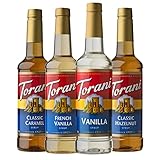
- Coffee Flavor Variety Pack: Perfect for making your own flavored lattes, mochas, cappuccinos and more, this variety pack includes 1 bottle of each: Caramel, French Vanilla, Vanilla and Hazelnut
- Flavoring Syrups: Made with pure cane sugar, natural flavors and cold-filtered water, Torani Original Syrups provide gold-standard flavors and vibrant colors to create amazing drink experiences
- Authentic Coffeehouse Flavor: From caramel to French vanilla to hazelnut—and everything in between—our syrups and sauces are here to help you create tantalizing lattes, cappuccinos, cold brews and frappes
- Find Your Recipe: We are here to help you create tantalizing drinks for every taste, occasion, and mood; Mix up some magic with caramel, lavender, pumpkin pie, hazelnut, chocolate, and many more flavors
- Flavor For All: Discover how Torani can help you make truly creative flavored teas, lemonades, smoothies, milkshakes, Italian sodas, coffees, cocktails, mocktails, snow cones, sparkling waters and more
FAQ
What kind of coffee is best for Tia Maria coffee cocktails?
Espresso or a strong cold brew concentrate are generally the best choices. They provide a robust coffee flavor that stands up well to the sweetness of the liqueur and other ingredients.
Should I use hot or cold coffee for my Tia Maria cocktail?
For most cocktails, chilled coffee is preferred. Using hot coffee will melt your ice too quickly, leading to an over-diluted drink. Cold brew is naturally served cold, making it a convenient option.
How much Tia Maria should I use per drink?
A common starting point is 1.5 to 2 ounces of Tia Maria per cocktail. This can be adjusted based on your personal preference for sweetness and alcohol content.
Can I make coffee cocktails without an espresso machine?
Absolutely. A strong French press brew or a well-made cold brew concentrate can serve as excellent bases for coffee cocktails if you don’t have an espresso machine.
What are some good garnishes for a Tia Maria coffee cocktail?
Simple garnishes like a few whole coffee beans, a dusting of cocoa powder, a sprig of mint, or a citrus twist can enhance the presentation and aroma of your drink.
How do I avoid making my coffee cocktail too sweet?
Balance the sweetness of Tia Maria with a stronger coffee base, a touch of unsweetened cream, or even a small amount of a more bitter liqueur like amaro.
Can I prepare the coffee base for my cocktail in advance?
Yes, brewing your coffee and chilling it beforehand is highly recommended. Cold brew concentrate can be made days in advance and stored in the refrigerator.
What’s the difference between shaking and stirring a coffee cocktail?
Shaking is typically used for drinks containing cream or citrus, as it aerates and emulsifies them. Stirring is best for spirit-forward cocktails to chill them without adding too much air.
What This Page Does Not Cover (and Where to Go Next)
- Specific brand comparisons of Tia Maria Liqueur.
- Detailed recipes for every possible Tia Maria coffee cocktail variation.
- Advanced mixology techniques beyond basic shaking and stirring.
Next Steps:
- Explore classic coffee cocktail recipes.
- Learn about balancing sweet, bitter, and spirituous elements in cocktails.
- Experiment with different coffee brewing methods to find your favorite base.