
Creative Coffee Cocktails
Quick Answer
- Use a strong, fresh coffee base. Espresso, cold brew, or a potent drip coffee work best.
- Balance is key: think sweet, bitter, sour, and boozy.
- Chill your ingredients and glassware for a smoother finish.
- Don’t be afraid to experiment with different liqueurs and spices.
- Garnish matters. A citrus twist or a dash of bitters elevates the drink.
- Taste as you go. Adjust sweetness or strength before serving.
Who This Is For
- Home bar enthusiasts looking to expand their repertoire beyond the usual.
- Coffee lovers who enjoy a sophisticated, adult beverage.
- Anyone hosting a brunch or evening gathering and wanting to impress.
What to Check First
Coffee Base Quality
Your coffee is the soul of the cocktail. Stale or weak coffee will lead to a flat drink.
- Brew Method: Espresso, cold brew, or a strong pour-over are solid choices. Drip coffee can work, but aim for a darker roast and a concentrated brew.
- Freshness: Use beans roasted within the last few weeks. Grind them right before brewing if possible.
- Taste: Does your coffee taste good on its own? If not, it won’t magically improve in a cocktail.
Liqueur and Spirit Selection
The alcohol component should complement, not overpower, the coffee.
- Pairing: Think about classic coffee pairings. Irish cream, rum, whiskey, and coffee liqueur are natural fits.
- Quality: You don’t need top-shelf for every component, but avoid anything that tastes harsh.
- Variety: Have a few options on hand. A spiced rum can create a different vibe than a smooth bourbon.
When selecting your spirits, consider a quality coffee liqueur; it’s a natural fit that can add depth and sweetness to your coffee cocktails.
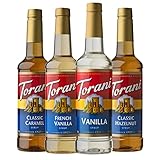
- Coffee Flavor Variety Pack: Perfect for making your own flavored lattes, mochas, cappuccinos and more, this variety pack includes 1 bottle of each: Caramel, French Vanilla, Vanilla and Hazelnut
- Flavoring Syrups: Made with pure cane sugar, natural flavors and cold-filtered water, Torani Original Syrups provide gold-standard flavors and vibrant colors to create amazing drink experiences
- Authentic Coffeehouse Flavor: From caramel to French vanilla to hazelnut—and everything in between—our syrups and sauces are here to help you create tantalizing lattes, cappuccinos, cold brews and frappes
- Find Your Recipe: We are here to help you create tantalizing drinks for every taste, occasion, and mood; Mix up some magic with caramel, lavender, pumpkin pie, hazelnut, chocolate, and many more flavors
- Flavor For All: Discover how Torani can help you make truly creative flavored teas, lemonades, smoothies, milkshakes, Italian sodas, coffees, cocktails, mocktails, snow cones, sparkling waters and more
Sweeteners and Modifiers
These elements balance the bitterness of coffee and the bite of alcohol.
- Syrups: Simple syrup is basic, but consider flavored options like vanilla, caramel, or hazelnut.
- Cream/Milk: Whole milk, heavy cream, or even coconut milk can add richness.
- Bitters/Spices: A dash of Angostura bitters or a pinch of cinnamon can add complexity.
Ice and Glassware
Temperature and presentation are crucial for a good cocktail.
- Ice: Use fresh, clean ice. Large cubes or spheres melt slower, diluting your drink less.
- Glassware: Chilled glasses make a difference. A coupe for a shaken drink or a rocks glass for an on-the-rocks creation.
Step-by-Step: Crafting Your Coffee Cocktail
1. Choose Your Coffee: Brew a strong, fresh batch. For an espresso martini, you’ll need a double shot of espresso. For a cold brew cocktail, use a concentrated cold brew concentrate.
- What “good” looks like: Rich aroma, deep color, and a robust flavor that stands up to other ingredients.
- Common mistake: Using weak, old, or lukewarm coffee.
- Avoid it by: Brewing fresh, using a darker roast, or opting for cold brew concentrate.
2. Chill Your Glassware: Place your serving glass in the freezer for at least 10 minutes.
- What “good” looks like: A frosty glass that keeps your drink cold.
- Common mistake: Serving a chilled cocktail in a room-temperature glass.
- Avoid it by: Planning ahead and popping your glass in the freezer.
3. Measure Your Spirits: Pour your chosen spirits and liqueurs into a cocktail shaker. For a classic Espresso Martini, this might be vodka, coffee liqueur, and a touch of simple syrup.
- What “good” looks like: Accurate measurements that create a balanced drink.
- Common mistake: Eyeballing quantities, leading to a drink that’s too strong or too weak.
- Avoid it by: Using a jigger or measuring cup.
4. Add Sweeteners/Modifiers: Incorporate simple syrup, cream, or other flavorings as needed.
- What “good” looks like: The right amount of sweetness to balance the coffee and spirits.
- Common mistake: Making it too sweet or not sweet enough.
- Avoid it by: Starting with less sweetener and tasting. You can always add more.
5. Add Coffee: Pour your chilled coffee into the shaker.
- What “good” looks like: The coffee is cold and well-integrated with the other liquids.
- Common mistake: Adding warm coffee, which will melt the ice too quickly.
- Avoid it by: Letting your brewed coffee cool completely or chilling it in the fridge.
6. Add Ice: Fill the shaker about two-thirds full with fresh ice.
- What “good” looks like: Enough ice to chill and dilute the drink properly without overdoing it.
- Common mistake: Using too little ice, resulting in a weak, warm drink.
- Avoid it by: Using plenty of good-quality ice.
7. Shake Vigorously: Seal the shaker tightly and shake hard for 15-20 seconds. You want the outside of the shaker to feel very cold.
- What “good” looks like: A well-chilled, slightly aerated cocktail with a nice frothy head (especially for espresso drinks).
- Common mistake: Shaking too gently or for too short a time.
- Avoid it by: Shaking with energy. Listen for the ice to break down.
8. Strain into Glass: Double strain (using the shaker’s built-in strainer and a fine-mesh sieve) into your chilled glass. This catches any small ice shards or coffee grounds.
- What “good” looks like: A smooth, clear liquid with a good texture and no unwanted bits.
- Common mistake: Not straining properly, leaving ice chips or pulp in the drink.
- Avoid it by: Using a double strain technique.
9. Garnish: Add your chosen garnish. A coffee bean, a citrus twist, or a dusting of cocoa powder.
- What “good” looks like: A visually appealing finish that hints at the flavors within.
- Common mistake: Forgetting the garnish or using something that clashes with the flavors.
- Avoid it by: Selecting a garnish that complements the drink’s profile.
10. Taste and Adjust (Optional): If you’re unsure, take a small sip. You can sometimes add a tiny bit more sweetener or spirit if needed, though it’s best to get it right the first time.
- What “good” looks like: A perfectly balanced flavor profile.
- Common mistake: Over-adjusting and ruining the balance.
- Avoid it by: Making small adjustments and tasting frequently.
Common Mistakes (and What Happens If You Ignore Them)
| Mistake | What It Causes | Fix |
|---|---|---|
| Using stale or weak coffee | Flat, bitter, or muddy flavor | Brew fresh, use quality beans, and consider cold brew concentrate. |
| Not chilling ingredients/glassware | Drink warms up too fast, tastes diluted | Chill coffee, spirits, and glassware beforehand. Use plenty of ice. |
| Over-sweetening | Cloying, masks coffee and spirit flavors | Start with less sweetener, taste, and add more gradually if needed. |
| Under-shaking | Poor chilling, lack of aeration, weak flavor | Shake vigorously for 15-20 seconds until the shaker is frosty. |
| Using poor-quality ice | Off-flavors, rapid dilution | Use fresh, clean ice cubes made from filtered water. |
| Incorrect coffee-to-spirit ratio | Too boozy, too weak, or unbalanced | Follow established recipes or start with common ratios (e.g., 2:1:1) |
| Not straining properly | Ice shards or coffee grounds in the drink | Double strain using a cocktail strainer and a fine-mesh sieve. |
| Over-dilution | Watery, flavorless drink | Use good quality ice and shake efficiently, don’t over-shake. |
| Using flavored syrups that clash | Unpleasant or confusing flavor profile | Choose syrups that complement your coffee and spirit choices. |
| Ignoring garnish | Less visually appealing, misses flavor notes | Add a complementary garnish for aroma and visual appeal. |
Decision Rules
- If your coffee tastes bitter on its own, then add a touch more sweetener to balance it in the cocktail because sweetness counteracts bitterness.
- If you want a smoother, less acidic coffee flavor, then use cold brew concentrate as your base because it’s naturally less acidic.
- If you’re making a drink with cream, then shake it longer to emulsify the cream properly because proper shaking creates a richer texture.
- If your cocktail tastes too strong, then you can add a splash more coffee or a touch more sweetener because these dilute the alcohol while adding flavor.
- If you want a more complex flavor, then add a dash of aromatic bitters because they add depth without significantly altering the sweetness or strength.
- If you’re using a dark roast coffee, then consider pairing it with darker spirits like rum or whiskey because their flavors often complement each other well.
- If your coffee cocktail lacks a “kick,” then ensure you’re using a strong coffee base and adequate spirit measurements because these are the primary flavor drivers.
- If you’re serving a coffee cocktail at brunch, then consider lighter, brighter flavors with a touch of citrus because these are more refreshing in the morning.
- If you want a frothy top on your espresso-based cocktail, then shake it extra hard because the aeration creates that desirable foam.
- If you’re unsure about a recipe, then start with a classic like an Espresso Martini and follow it precisely because it’s a well-tested foundation.
FAQ
What’s the best coffee to use for cocktails?
Use a strong, fresh brew. Espresso, concentrated cold brew, or a dark roast pour-over are excellent choices. The coffee needs to have a robust flavor that can stand up to spirits and other ingredients.
Can I use decaf coffee?
Absolutely. If you want the flavor profile without the caffeine kick, decaf works just fine. Just make sure it’s a good-quality decaf that still has a rich taste.
How do I make my coffee cocktail less sweet?
Reduce the amount of simple syrup or other sweeteners. You can also add a bit more coffee or a dash of bitters to balance the sweetness.
What if my coffee cocktail is too boozy?
Add a little more coffee or a touch of sweetener. A splash of cream or milk can also help mellow out the alcohol’s intensity.
Are there non-alcoholic coffee cocktails?
Yes! You can create delicious mocktails by focusing on flavored syrups, cream, spices, and a good coffee base, omitting the spirits entirely.
What’s the deal with shaking? Why so hard?
Shaking vigorously chills the drink quickly, dilutes it appropriately, and, especially with espresso, creates a beautiful, frothy texture. It’s key to achieving the right temperature and mouthfeel.
Can I make coffee cocktail bases ahead of time?
For some components, like coffee syrup or infused spirits, yes. However, the final cocktail is best assembled just before serving to maintain freshness and proper chilling.
What are some good spirit pairings for coffee?
Whiskey, rum, vodka, Irish cream, and brandy all work wonderfully. Experiment to find your favorite combinations.
How do I avoid ice shards in my drink?
Double straining is your best friend. Use the shaker’s strainer along with a fine-mesh sieve to catch even the smallest ice chips.
What This Page Does Not Cover (and Where to Go Next)
- Specific recipes for every type of coffee cocktail (explore cocktail books and reputable online sources).
- Advanced techniques like fat-washing spirits or making homemade coffee liqueurs (look for specialized mixology guides).
- The history of specific coffee cocktails (research cocktail history resources).
- Pairing coffee cocktails with specific foods (consult culinary pairing articles).