
Making Black Coffee Using Espresso
Quick Answer
- You can make a simple black coffee by diluting a shot of espresso with hot water.
- The ratio is key: start with 1:2 espresso to water and adjust to taste.
- Use good quality espresso beans and a fresh grind for the best flavor.
- Ensure your espresso machine is clean and well-maintained.
- Hot water, not boiling, is best to avoid scorching the coffee.
- Experiment with different ratios to find your perfect Americano.
For the best flavor, always start with good quality espresso beans. You can find excellent options online to elevate your coffee experience.
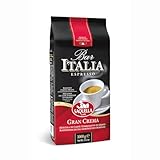
- AUTHENTIC ITALIAN ESPRESSO EXPERIENCE: From Saquella Caffè, family coffee roasters in Italy since 1856 — blending heritage, passion, and quality in every bean.
- FULL-BODIED & CREAMY FLAVOR: A signature Arabica and Robusta blend that delivers a bold espresso with a thick, velvety crema and lingering chocolate notes.
- MEDIUM-DARK ROAST: Carefully roasted for a rich aroma and balanced taste — smooth yet intense, ideal for espresso, cappuccino, or macchiato.
- CONSISTENT QUALITY: Beans are slow-roasted and expertly blended to ensure uniform extraction and a true Italian café-style experience at home.
- MADE IN ITALY: Imported directly from Italy — Saquella Bar Italia Gran Crema is the choice of professional baristas and espresso lovers worldwide.
Who This Is For
- Espresso machine owners who want a quick, simple black coffee.
- Those who enjoy the intensity of espresso but prefer a larger, less concentrated drink.
- Coffee lovers looking to understand the difference between espresso-based drinks and drip coffee.
What to Check First
Brewer Type and Filter Type
You’re using an espresso machine, so that’s your brewer. No paper filters here. The machine uses pressure to force water through finely ground coffee. Make sure the portafilter and group head are clean. Little coffee grounds stuck in there can ruin your shot.
Water Quality and Temperature
Good coffee starts with good water. If your tap water tastes funky, your coffee will too. Consider filtered water. For the hot water you’ll add to the espresso, aim for around 195-205°F (90-96°C). Boiling water is too hot and can make the coffee taste bitter. Let your kettle sit for about 30 seconds after it boils.
Grind Size and Coffee Freshness
Espresso needs a fine, consistent grind. Think granulated sugar, maybe a bit finer. Too coarse, and the water rushes through, giving you weak coffee. Too fine, and it chokes the machine, leading to bitterness. Freshly ground beans are a game-changer. Coffee loses its best flavors quickly after grinding.
Coffee-to-Water Ratio
For the espresso shot itself, a common starting point is a 1:2 ratio. That means 1 gram of coffee grounds to 2 grams of liquid espresso. So, if you use 18 grams of coffee, you’re aiming for about 36 grams of espresso. For the final black coffee, you’ll adjust the amount of hot water you add.
Cleanliness/Descale Status
An espresso machine needs regular cleaning. Backflushing with a cleaning solution and wiping down the group head are crucial. If you haven’t descaled your machine in a while, mineral buildup can affect taste and performance. Check your machine’s manual for descaling frequency and instructions. It’s a pain, but worth it.
Step-by-Step: Making Black Coffee With Espresso
Here’s how you whip up a simple black coffee using your espresso machine. We’re essentially making an Americano.
1. Grind Your Beans: Grind fresh coffee beans to an espresso-fine consistency.
- Good Looks Like: Uniform, fine particles, like granulated sugar.
- Common Mistake: Grinding too coarse or too fine. Too coarse = weak coffee. Too fine = bitter, choked shot. Use a burr grinder for consistency.
2. Dose the Portafilter: Place the correct amount of ground coffee into your portafilter basket.
- Good Looks Like: Evenly distributed grounds, no large clumps.
- Common Mistake: Inconsistent dosing, leaving gaps. This leads to uneven extraction. Use a scale for accuracy.
3. Tamp the Coffee: Apply even pressure to tamp the grounds in the portafilter.
- Good Looks Like: A flat, level, firm puck of coffee.
- Common Mistake: Uneven tamping or too much/too little pressure. This causes channeling, where water finds paths of least resistance. Aim for consistent, firm pressure.
4. Lock in the Portafilter: Secure the portafilter into the espresso machine’s group head.
- Good Looks Like: A snug fit, no leaks expected.
- Common Mistake: Not locking it in firmly. This can cause grounds to spray everywhere. Make sure it’s seated correctly.
5. Start the Espresso Shot: Place your cup under the portafilter and begin the brew cycle.
- Good Looks Like: A steady, syrupy stream of espresso emerging.
- Common Mistake: Pressing the button too soon or too late. You want to capture the best part of the extraction.
6. Monitor the Extraction: Watch the espresso flow. Aim for about 25-30 seconds for a standard double shot.
- Good Looks Like: A rich, dark stream that lightens to a caramel color.
- Common Mistake: Letting it run too long. Over-extraction leads to bitterness. Stop the shot when it starts to look watery and pale.
7. Prepare Hot Water: While the espresso is brewing or just after, heat your water.
- Good Looks Like: Hot water, around 195-205°F (90-96°C), not boiling.
- Common Mistake: Using boiling water. This scorches the coffee and adds bitterness. Let it cool slightly.
8. Add Hot Water to Espresso: Pour the hot water into the cup with the freshly pulled espresso shot.
- Good Looks Like: A smooth blend of espresso and water, creating a dark coffee.
- Common Mistake: Adding too much or too little water. This is where you adjust to your taste.
9. Stir (Optional): Give the drink a gentle stir to ensure everything is well combined.
- Good Looks Like: A uniform color throughout the cup.
- Common Mistake: Not stirring. The crema might separate, and the taste might be less consistent.
10. Taste and Adjust: Take a sip and see if it’s to your liking.
- Good Looks Like: A balanced, enjoyable black coffee.
- Common Mistake: Not tasting and adjusting. Your first try might not be perfect. Don’t be afraid to add a splash more water or, if you’re feeling adventurous, a tiny bit more espresso (if you have any left).
Common Mistakes (and What Happens If You Ignore Them)
| Mistake | What It Causes | Fix |
|---|---|---|
| Using stale coffee beans | Flat, dull, lifeless flavor; lack of aroma | Use freshly roasted beans (within 2-3 weeks of roast date). |
| Incorrect grind size | Weak, sour coffee (too coarse) or bitter, burnt coffee (too fine) | Dial in your grinder for an espresso-fine grind; check consistency. |
| Uneven tamping | Channeling, leading to uneven extraction and bitter taste | Tamp with consistent, firm pressure, ensuring a level puck. |
| Using tap water with off-flavors | Affects the entire taste profile of the coffee | Use filtered or bottled water for a cleaner taste. |
| Using boiling water | Scorches the coffee, resulting in a bitter, harsh taste | Let boiled water cool for 30-60 seconds before adding. |
| Over-extracting the espresso | Bitter, astringent, and unpleasant taste | Stop the shot when it starts to look pale and watery (around 25-30s). |
| Under-extracting the espresso | Sour, weak, and watery coffee | Increase brew time or grind finer if the shot runs too fast. |
| Dirty equipment | Off-flavors, metallic taste, and reduced performance | Clean your portafilter, group head, and steam wand regularly. |
| Incorrect coffee-to-water ratio | Too strong or too weak a drink | Start with 1:2 espresso to water and adjust to your preference. |
Decision Rules
- If your espresso shot runs too fast (under 20 seconds), then grind finer because the water is passing through too quickly.
- If your espresso shot runs too slow (over 35 seconds) or chokes the machine, then grind coarser because the coffee is too densely packed for the water.
- If your black coffee tastes bitter, then you likely over-extracted the espresso or used water that was too hot. Try stopping the shot sooner or using slightly cooler water.
- If your black coffee tastes sour or weak, then you likely under-extracted the espresso. Try grinding finer or increasing the brew time.
- If your coffee tastes stale, then check the freshness of your beans and ensure they are stored properly in an airtight container away from light and heat.
- If you notice oily residue in your espresso cup, it could be from old coffee oils. Clean your espresso machine thoroughly.
- If your water tastes bad from the tap, then use filtered water for brewing. It makes a noticeable difference.
- If you’re unsure about the espresso-to-water ratio for your black coffee, start with a 1:2 ratio and add more hot water until it tastes right to you.
- If your machine is making strange noises, it might be time to descale it. Check your manual for instructions.
- If you want a less intense drink, add more hot water. This is the beauty of making an Americano.
FAQ
What exactly is an Americano?
An Americano is simply espresso diluted with hot water. It’s a popular way to enjoy the flavor of espresso in a larger, less concentrated format, similar to drip coffee but with a different flavor profile.
Can I use pre-ground coffee for espresso?
While you can, it’s not ideal. Pre-ground coffee for espresso loses its freshness very quickly. For the best results, grind your beans just before brewing. If you must use pre-ground, try to use it within minutes of opening the bag.
How much hot water should I add?
This is all about personal preference. A good starting point is a 1:2 ratio of espresso to hot water (e.g., 1 oz espresso to 2 oz hot water). From there, add more water until you reach your desired strength.
Does the order of adding water matter?
Traditionally, you pull the espresso shot first, then add the hot water. Some people prefer adding hot water to the cup first, then pouring the espresso over it, which can create a different crema. For a basic black coffee, either works.
Why is my espresso shot so thin and watery?
This usually means your grind is too coarse, your dose is too low, or your tamping wasn’t firm enough. The water is rushing through too easily. Try grinding finer or tamping harder.
My espresso is dripping out very slowly, what’s wrong?
This typically means your grind is too fine, or you’ve tamped too hard. The water is struggling to get through the coffee puck. Try grinding coarser.
How do I make it taste more like drip coffee?
To get closer to a drip coffee taste, you’ll want a higher water-to-espresso ratio. This means adding more hot water to your espresso shot. Experiment with ratios like 1:4 or even 1:5.
Is it bad for my espresso machine to make this often?
No, making Americanos is a standard use for an espresso machine. Just be sure to clean it regularly, especially the portafilter and group head, to keep it in good working order.
What This Page Does Not Cover (and Where to Go Next)
- Detailed espresso machine maintenance and repair.
- Advanced latte art techniques.
- Different types of espresso roasts and their flavor profiles.
- The science behind extraction and water chemistry.
- Comparisons between espresso-based drinks and other brewing methods like pour-over or French press.