
Turn Your Hot Coffee Into Cold Brew: An Easy Method
Quick answer
- Use hot brewed coffee as your base.
- Chill it thoroughly before starting.
- Dilute with cold water or milk to taste.
- Add ice to keep it cold.
- Sweeten and flavor as desired.
- Enjoy your speedy cold brew.
Who this is for
- The impatient coffee lover.
- Anyone craving cold brew but short on time.
- Folks who already have leftover hot coffee.
What to check first
Brewer type and filter type
This method works best with coffee brewed using a drip machine, pour-over, or French press. The key is a clean brew with minimal sediment. If you use paper filters, you’re already ahead. Metal filters might let a bit more oil through, which is fine.
Water quality and temperature
Start with good water. Tap water is usually okay, but if yours tastes funky, your cold brew will too. For the initial brew, use hot water as you normally would. Then, you’ll be chilling it down.
Grind size and coffee freshness
Use your usual grind for your hot brew method. Freshly ground beans are always best for flavor, but this shortcut is forgiving. If you’re using pre-ground coffee, just go with what you have.
Coffee-to-water ratio
Your hot brew’s strength matters. A standard ratio is about 1:15 to 1:18 (coffee to water). If your hot coffee tastes a little weak, you might need to brew it a bit stronger initially for this method.
Cleanliness/descale status
Make sure your hot brewer is clean. Old coffee oils can go rancid and will make your cold brew taste bitter or stale. Give it a quick rinse if it’s been sitting around.
Step-by-step (brew workflow)
1. Brew your hot coffee.
- What to do: Make a pot or cup of coffee using your preferred hot brewing method.
- What “good” looks like: A flavorful, hot cup of coffee. No grounds in the final liquid.
- Common mistake: Brewing too weak. This shortcut relies on a concentrated hot brew as a base.
- Avoid it: Use your usual amount of coffee grounds for the water you’re using, or even a touch more if you want a richer cold brew.
2. Let it cool slightly.
- What to do: Let the hot coffee sit for 5-10 minutes.
- What “good” looks like: It’s still warm, but not scalding.
- Common mistake: Pouring boiling hot coffee directly into a plastic container.
- Avoid it: Use a glass carafe or a metal pitcher. Let it cool a bit to prevent damaging plastic.
To avoid damaging plastic containers, it’s best to use a glass pitcher or carafe for cooling your hot coffee. This ensures it cools safely and efficiently.
No products found.
3. Chill it down.
- What to do: Transfer the coffee to a pitcher or container and refrigerate it until it’s completely cold.
- What “good” looks like: The coffee is cold to the touch, similar to refrigerated liquids. This takes at least an hour, maybe two.
- Common mistake: Not chilling it enough. Warm coffee won’t give you that refreshing cold brew vibe.
- Avoid it: Be patient. This is the most crucial step for the “cold brew” effect.
4. Prepare your serving glass.
- What to do: Fill a tall glass with ice.
- What “good” looks like: A glass packed with ice cubes.
- Common mistake: Using too few ice cubes.
- Avoid it: Fill the glass almost to the top. You want your cold brew to stay cold.
For the best cold brew experience, make sure to fill your serving glass generously with ice. Using plenty of ice from your ice cube trays will keep your drink refreshingly cold.
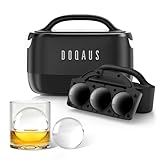
- ✅ Achieve Bar-Quality Clarity with Directional Freezing: Stop settling for cloudy, bubble-filled ice. Our clear ice cube maker utilizes advanced physics to push impurities away, creating 3 crystal-clear spheres and 4 cubes per cycle. It is the secret weapon for the home mixologist wanting presentation-ready drinks without expensive machinery.
- ✅ Preserve Complex Flavors with Slow Dilution: Designed for the purist, this whiskey ice cubes mold produces dense, 2.5-inch ice that melts 40% slower than standard ice. Enjoy your single malt or bourbon chilled but undiluted, ensuring the aromatic profile remains distinct from the first sip to the last.
- ✅ Effortless Release with Premium Hybrid Design: Unlike rigid plastic trays that crack, our flexible silicone ice ball maker mold ensures smooth removal. The non-stick material lets you pop out perfect shapes instantly, making drink preparation seamless for relaxing solo evenings or busy gatherings.
- ✅ Versatile 2-in-1 Capacity for Entertaining: Hosting a cocktail night? This round ice cube mold creates 7 pieces simultaneously, catering to different glass styles. Whether serving an Old Fashioned (sphere) or a Negroni (cube), you will have the right ice shape ready for every guest's preference.
- ✅ The Sophisticated Choice for Gifting: More than just a standard ice mold, this clear ice system is an essential upgrade for any wet bar. Packaged to impress, it creates a tangible experience, making it an ideal gift for fathers, partners, or enthusiasts who value the ritual of a perfectly poured drink.
5. Dilute the chilled coffee.
- What to do: Pour the cold, brewed coffee over the ice. Start with about a 1:1 ratio of coffee to water or milk.
- What “good” looks like: The glass is now about two-thirds full with a mix of coffee and melted ice.
- Common mistake: Pouring too much coffee at once.
- Avoid it: Pour about half the amount of coffee as you have ice, then add water or milk to your liking. You can always add more coffee.
6. Add your liquid.
- What to do: Top off the glass with cold water, milk, or your favorite dairy alternative.
- What “good” looks like: The glass is now filled to your preferred level.
- Common mistake: Adding too much liquid too soon.
- Avoid it: Start with less liquid than you think you need. You can always add more to achieve your perfect strength.
7. Sweeten and flavor (optional).
- What to do: Stir in your preferred sweetener, syrup, or cream.
- What “good” looks like: Everything is well combined and tastes delicious.
- Common mistake: Not stirring enough.
- Avoid it: Stir vigorously until sweeteners are dissolved. Cold liquids don’t mix as easily as warm ones.
8. Taste and adjust.
- What to do: Take a sip. Is it too strong? Too weak? Add more water, milk, or coffee as needed.
- What “good” looks like: A perfectly balanced, refreshing cold coffee drink.
- Common mistake: Settling for “good enough.”
- Avoid it: Don’t be afraid to tweak it. This is your drink!
Common mistakes (and what happens if you ignore them)
| Mistake | What it causes | Fix |
|---|---|---|
| Not chilling the hot coffee thoroughly | Lukewarm, watery, unrefreshing drink. Doesn’t feel like cold brew. | Be patient. Refrigerate until completely cold (at least 1-2 hours). |
| Using weak hot coffee as a base | Diluted, bland final product. Tastes like weak iced coffee, not cold brew. | Brew your hot coffee a bit stronger than usual initially. |
| Adding hot coffee directly to ice | Melts ice too quickly, dilutes the drink instantly, results in a watery mess. | Always chill the coffee <em>before</em> adding it to ice. |
| Not using enough ice | Drink warms up too fast. Doesn’t maintain that signature cold, smooth feel. | Pack your glass generously with ice. |
| Over-diluting with water/milk initially | Coffee flavor gets lost. Tastes more like flavored water than coffee. | Start with a 1:1 ratio of coffee to diluent, then adjust. Add more coffee if needed. |
| Not stirring sweeteners properly | Gritty texture, uneven sweetness. Some sips are sweet, others are not. | Stir thoroughly until all sugar or syrup is dissolved. Simple syrup works best. |
| Using stale or dirty brewing equipment | Off-flavors, bitterness, or a generally unpleasant taste. | Always use clean equipment. Rinse your brewer after each use. |
| Rushing the cooling process (e.g., freezer) | Can make coffee cloudy or develop off-flavors. Doesn’t always cool evenly. | Stick to the refrigerator for the best, most consistent results. |
| Not tasting and adjusting | Settling for a drink that isn’t quite right for your preference. | Always taste and adjust dilution, sweetness, and flavor to your liking. |
Decision rules (simple if/then)
- If your hot coffee tastes weak, then brew it stronger next time for this method because a concentrated base is key.
- If you’re in a hurry, then skip the freezer for chilling the hot coffee and go straight to the fridge because it yields better flavor.
- If your drink is too strong after diluting, then add more cold water or milk because it’s easier to dilute than to strengthen.
- If your drink is too weak, then add more chilled coffee concentrate or a splash of strong brewed coffee because adding more diluent will just make it weaker.
- If you prefer a creamy texture, then use milk or a non-dairy alternative instead of water for dilution because it adds richness.
- If you’re using pre-ground coffee, then accept that the flavor might not be as vibrant as with fresh beans, but it will still work.
- If you find your drink is too bitter, then ensure your hot coffee wasn’t over-extracted and that your brewing equipment is clean because bitterness often stems from those issues.
- If you want a smoother finish, then consider using a finer filter for your initial hot brew if possible because fewer fines mean less sediment.
- If you’re adding sweeteners, then use a simple syrup or liquid sweetener because granulated sugar can be hard to dissolve in cold liquids.
- If you’re making a large batch, then chill the coffee in a wide, shallow container for faster cooling because more surface area helps it cool down quicker.
- If you’re unsure about your coffee-to-water ratio for the hot brew, then start with a standard 1:16 ratio and adjust based on taste.
FAQ
Can I use instant coffee?
Yes, you can use instant coffee granules dissolved in hot water. Just make sure to dissolve them completely and chill the mixture thoroughly. The flavor profile will be different from freshly brewed coffee.
How long does the chilled coffee last?
The chilled coffee concentrate should last in the refrigerator for 3-4 days. After that, the flavor might start to degrade.
What’s the difference between this and traditional cold brew?
Traditional cold brew steeps coarse grounds in cold water for 12-24 hours. This method uses already brewed hot coffee, significantly speeding up the process to just a few hours of chilling time.
Can I make this ahead of time?
Yes, you can brew your hot coffee, let it cool, and then refrigerate it. Once it’s cold, you can dilute it and add your flavorings whenever you’re ready to drink it.
Will it taste exactly like cold brew made the traditional way?
No, not exactly. Traditional cold brew extracts different compounds due to the long, cold steep time, often resulting in a smoother, less acidic, and richer flavor. This method is a great shortcut but offers a slightly different taste.
What kind of coffee beans work best?
Medium to dark roasts tend to work well for cold brew methods, as they often have chocolatey or nutty notes that complement the cold brewing process. However, experiment with your favorite beans!
Can I use this method for iced coffee too?
While this method creates a cold coffee drink, it’s specifically designed to mimic the profile of cold brew. For regular iced coffee, you’d typically brew hot coffee and pour it directly over ice, which results in a different flavor and strength.
Is it okay if there’s a little sediment?
A small amount of sediment from your hot brew is generally okay. However, excessive sediment might indicate your filter wasn’t effective or your grind was too fine for your hot brewing method.
What this page does NOT cover (and where to go next)
- Detailed explanations of the chemical differences between hot and cold brewing extraction.
- Next steps: Research the science of coffee extraction.
- Specific recommendations for coffee bean origins or roast profiles for cold brew.
- Next steps: Explore coffee tasting notes and regional flavor profiles.
- Advanced techniques like Japanese-style iced coffee (flash chilling hot coffee directly over ice).
- Next steps: Look into flash-chilled coffee brewing methods.
- Recipes for complex cold brew cocktails or desserts.
- Next steps: Search for dedicated cold brew recipe resources.
- Comparisons of various cold brew maker devices.
- Next steps: Investigate different cold brew maker designs.