
Brewing A Perfect Double Espresso: Tips For Rich Flavor
Quick answer
- Dial in your grind: too coarse means watery espresso, too fine chokes the machine.
- Use fresh, quality beans. Old beans make sad espresso.
- Get your dose right. Too much or too little throws off extraction.
- Tamp evenly and firmly. Uneven tamping leads to channeling.
- Preheat your machine and portafilter. Cold metal steals heat.
- Water matters. Filtered water tastes better and keeps your machine happy.
- Aim for a 1:2 ratio (e.g., 18g coffee to 36g espresso) in about 25-30 seconds.
- Taste and adjust. This is the real secret.
Who this is for
- Home baristas chasing that cafe-quality double espresso at home.
- Anyone who’s frustrated with sour, bitter, or weak espresso shots.
- Coffee lovers ready to dive deeper than just pushing a button.
What to check first
Brewer type and filter type
Most home double espresso means using a portafilter machine. Think classic espresso makers. The filter is usually a metal basket in the portafilter. Some machines use pods or capsules, but that’s a different game. Make sure your basket is clean and the right size for your machine.
Water quality and temperature
This is huge. Tap water can have off-flavors and minerals that mess with taste and your machine’s health. Use filtered water, always. For temperature, most machines handle this, but if yours has a setting, aim for around 195-205°F. Too cool is sour, too hot is bitter.
Grind size and coffee freshness
This is where the magic happens, or doesn’t. For espresso, you need a fine, consistent grind. Think granulated sugar, maybe a bit finer. Freshness is key. Beans should be roasted within the last few weeks, ideally. Grind right before you brew. Stale beans are a one-way ticket to blandness.
For the best flavor, always start with high-quality, freshly roasted espresso beans. This makes a significant difference in your final cup.
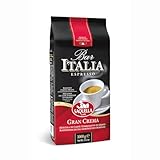
- AUTHENTIC ITALIAN ESPRESSO EXPERIENCE: From Saquella Caffè, family coffee roasters in Italy since 1856 — blending heritage, passion, and quality in every bean.
- FULL-BODIED & CREAMY FLAVOR: A signature Arabica and Robusta blend that delivers a bold espresso with a thick, velvety crema and lingering chocolate notes.
- MEDIUM-DARK ROAST: Carefully roasted for a rich aroma and balanced taste — smooth yet intense, ideal for espresso, cappuccino, or macchiato.
- CONSISTENT QUALITY: Beans are slow-roasted and expertly blended to ensure uniform extraction and a true Italian café-style experience at home.
- MADE IN ITALY: Imported directly from Italy — Saquella Bar Italia Gran Crema is the choice of professional baristas and espresso lovers worldwide.
Coffee-to-water ratio
This is your espresso’s backbone. A common starting point for a double shot is a 1:2 ratio. That means for every gram of dry coffee grounds (dose), you want roughly two grams of liquid espresso. So, if you use 18 grams of coffee, aim for about 36 grams of liquid espresso.
Cleanliness/descale status
If your machine isn’t clean, your espresso won’t be either. Old coffee oils build up and turn rancid, making everything taste bitter and funky. Regularly clean your portafilter, basket, and brew head. Descale your machine according to the manufacturer’s instructions. A clean machine makes happy coffee.
Step-by-step (brew workflow)
1. Gather your gear: Get your espresso machine, portafilter, fresh beans, grinder, scale, and a cup.
- Good looks like: Everything is within reach and ready to go.
- Common mistake: Rushing and forgetting something, like the scale. Avoid this by setting up your station first.
2. Heat up the machine: Turn on your espresso machine and let it fully warm up. This includes the portafilter locked in the group head.
- Good looks like: The machine is fully heated, usually indicated by a light or gauge. The portafilter feels hot to the touch.
- Common mistake: Brewing with a cold machine. This leads to under-extracted, sour espresso. Give it at least 15-20 minutes.
3. Weigh your beans: Measure out your desired dose of whole beans using a scale. For a double, 18-20 grams is a good starting point.
- Good looks like: An accurate weight reading on your scale.
- Common mistake: Guessing the amount. Inconsistent dosing leads to inconsistent shots. Use a scale.
To ensure consistency, accurately weigh your coffee beans with a reliable coffee scale. This precision is crucial for dialing in the perfect shot.

- 𝗕𝗮𝗿𝗶𝘀𝘁𝗮-𝗟𝗲𝘃𝗲𝗹 𝗣𝗿𝗲𝗰𝗶𝘀𝗶𝗼𝗻: Featuring a 0.1 g sensor with rapid refresh rates, this coffee weight scale responds instantly to changes, giving you fine control over extraction for consistent pour-over and espresso results.
- 𝗜𝗻𝘁𝗲𝗴𝗿𝗮𝘁𝗲𝗱 𝗕𝗿𝗲𝘄 𝗧𝗶𝗺𝗲𝗿: This espresso weight scale includes a built-in timer to track bloom and extraction with count-up or down control, and auto shutoff extends battery life between sessions.
- 𝗗𝘂𝗿𝗮𝗯𝗹𝗲, 𝗦𝗽𝗶𝗹𝗹-𝗥𝗲𝘀𝗶𝘀𝘁𝗮𝗻𝘁 𝗕𝘂𝗶𝗹𝗱: A heat-resistant, dishwasher-safe silicone cover with an engineered fit shields the platform from spills and hot gear. The grooved surface stabilizes your brewing setup, making it an ideal scale for coffee.
- 𝗩𝗲𝗿𝘀𝗮𝘁𝗶𝗹𝗲 𝗠𝗲𝗮𝘀𝘂𝗿𝗲𝗺𝗲𝗻𝘁 𝗢𝗽𝘁𝗶𝗼𝗻𝘀: Quick-tare and multiple units - g, oz, lb, ml, and fl oz - make this small coffee scale ideal for weighing beans, shots, or everyday kitchen ingredients.
- 𝗜𝗻𝘁𝘂𝗶𝘁𝗶𝘃𝗲, 𝗪𝗼𝗿𝗸𝗳𝗹𝗼𝘄-𝗙𝗼𝗰𝘂𝘀𝗲𝗱 𝗗𝗲𝘀𝗶𝗴𝗻: A bright, easy-to-read display and simple controls keep your brewing routine smooth. Designed for clarity and clean operation, it also serves as a compact matcha scale.
4. Grind your beans: Grind the beans to a fine, consistent espresso-like texture. Grind right before you brew.
- Good looks like: A fluffy, even pile of grounds with no large chunks.
- Common mistake: Grinding too early. Pre-ground coffee loses flavor fast. Grind on demand.
5. Dose the portafilter: Transfer the ground coffee into your portafilter basket. Distribute the grounds evenly.
- Good looks like: A level bed of coffee grounds with no clumps.
- Common mistake: Clumpy or uneven grounds. This causes channeling. Gently tap or use a distribution tool.
6. Tamp the grounds: Apply firm, even pressure to tamp the coffee grounds. Aim for a level surface.
- Good looks like: A smooth, flat puck of coffee. Consistent pressure is key.
- Common mistake: Uneven or too light tamping. This causes water to find easy paths, leading to weak, watery espresso.
7. Clean the portafilter rim: Wipe away any stray grounds from the rim of the portafilter.
- Good looks like: A clean rim.
- Common mistake: Leaving grounds on the rim. This can mess with the seal and lead to leaks.
8. Flush the group head: Briefly run water through the group head before locking in the portafilter.
- Good looks like: A short burst of hot water clears out old grounds and stabilizes temperature.
- Common mistake: Skipping this. It helps rinse and maintain temperature.
9. Lock in the portafilter: Securely lock the portafilter into the group head.
- Good looks like: A snug fit, no wobbling.
- Common mistake: Not locking it in fully. This can cause leaks or a dangerous pop-off.
10. Start the brew: Place your scale and cup under the portafilter. Start the brew cycle and the timer simultaneously.
- Good looks like: A smooth, steady stream of espresso, starting with a few drips then flowing.
- Common mistake: Waiting too long to start the timer. You need to track extraction time from the moment the pump engages.
11. Monitor the shot: Watch the flow and color. It should start dark and syrupy, then lighten to a caramel color. Stop the shot when you reach your target weight or time.
- Good looks like: A steady, mouse-tail-like stream that gradually blondes.
- Common mistake: Letting it run too long, resulting in a watery, bitter shot. Watch for the color change.
12. Taste and evaluate: Taste your espresso. Is it balanced? Too sour? Too bitter? Adjust your grind size for the next shot.
- Good looks like: A complex, balanced flavor.
- Common mistake: Not tasting critically. This is the most important feedback loop.
Common mistakes (and what happens if you ignore them)
| Mistake | What it causes | Fix |
|---|---|---|
| Using stale coffee beans | Flat, woody, or bitter taste; lack of crema | Use beans roasted within the last 2-4 weeks. Grind just before brewing. |
| Incorrect grind size | Too coarse: watery, sour espresso. Too fine: choked machine, bitter espresso. | Dial in your grinder; aim for fine, consistent grounds. |
| Inconsistent dosing | Uneven extraction, leading to sour and bitter notes. | Use a scale to weigh your coffee dose every time. |
| Uneven tamping | Channeling: water bypasses grounds, leading to weak espresso. | Tamp with consistent, firm pressure, ensuring a level surface. |
| Cold machine/portafilter | Under-extraction, sour flavor, poor crema. | Preheat machine and portafilter thoroughly (15-20 mins). |
| Using tap water | Off-flavors, scale buildup, machine damage. | Use filtered or bottled water. |
| Over-extraction | Bitter, burnt taste; watery consistency. | Stop the shot when it starts to blonde significantly or hit target weight/time. |
| Under-extraction | Sour, acidic taste; thin body, little crema. | Grind finer, increase dose slightly, or extend brew time. |
| Dirty equipment | Rancid oils impart bitter, unpleasant flavors. | Clean portafilter, basket, and brew head regularly. Descale machine. |
| Not using a scale | Inconsistent shots, difficult to troubleshoot. | Invest in a good digital scale for dosing and yield measurement. |
Decision rules (simple if/then)
- If your espresso tastes sour, then grind finer because it means the water flowed too quickly through the grounds.
- If your espresso tastes bitter, then grind coarser because it means the water struggled to get through the grounds.
- If your espresso shot runs too fast (under 20 seconds for a 1:2 ratio), then grind finer because the grounds are too permeable.
- If your espresso shot runs too slow (over 35 seconds for a 1:2 ratio), then grind coarser because the grounds are too compacted.
- If your espresso has no crema or very thin crema, then check bean freshness and grind size; older beans or too coarse a grind are common culprits.
- If your espresso has spurts or uneven flow (channeling), then check your tamping technique and coffee distribution for evenness.
- If your espresso tastes weak or watery, then check your coffee-to-water ratio; you might be using too little coffee or too much water.
- If your machine is making strange noises or flow is inconsistent, then it’s likely time to descale.
- If your espresso tastes burnt, then your brew temperature might be too high, or you’re over-extracting.
- If your espresso tastes like old coffee, then your beans are likely stale or your grinder has old coffee residue.
FAQ
Q: How do I know if my espresso grind is right?
A: It should look like fine sand or granulated sugar. When you rub it between your fingers, it should feel slightly gritty but not powdery. A good espresso grind is key to controlling flow rate.
Q: What’s the deal with crema?
A: Crema is the reddish-brown foam on top of fresh espresso. It’s made of emulsified oils and CO2. Good crema indicates fresh beans and proper extraction, but its absence doesn’t always mean bad coffee.
Q: My espresso machine is dripping constantly. What’s wrong?
A: This could be a sign of a worn-out group head gasket or a valve issue. It’s best to consult your machine’s manual or contact customer support for specific troubleshooting.
Q: Can I use pre-ground coffee for espresso?
A: It’s highly discouraged for quality espresso. Pre-ground coffee loses its volatile aromatics very quickly. For the best flavor, grind fresh beans right before you brew.
Q: How much coffee should I use for a double shot?
A: A common starting point is 18-20 grams of whole beans. This can be adjusted based on your taste preferences and the specific coffee you’re using.
Q: What does “dialing in” mean?
A: Dialing in is the process of adjusting your grinder, dose, and yield to achieve the best-tasting espresso for a specific coffee bean. It’s an iterative process of tasting and tweaking.
Q: My espresso tastes weak even after adjusting the grind.
A: Check your coffee-to-water ratio. You might need to increase your coffee dose or decrease your yield to get a stronger flavor. Also, ensure your beans are fresh.
Q: How often should I clean my espresso machine?
A: Clean the portafilter and brew head after every use. Backflushing with water should be done daily or every few days. Descaling depends on your water hardness and machine manufacturer’s recommendations, often monthly or quarterly.
What this page does NOT cover (and where to go next)
- Specific machine maintenance and repair guides.
- Detailed explanations of different espresso machine technologies (e.g., pump types, heating systems).
- Advanced latte art techniques.
- The science behind coffee roasting and its impact on flavor.
- Recommendations for specific coffee bean brands or origins.