
Make Cold Brew Coffee At Home Without Special Equipment
Quick answer
- Use a coarse grind for cold brew. It’s less bitter.
- A 1:8 coffee to water ratio is a solid starting point.
- Steep for 12-24 hours. Longer means stronger.
- Strain it well. You don’t want gritty coffee.
- Dilute your concentrate. It’s potent!
- Use good water. It makes a difference.
- Keep it simple. No fancy gear needed.
Who this is for
- Anyone who loves smooth, low-acid coffee.
- Campers and travelers who want great coffee on the go.
- Budget-conscious folks who don’t want to buy a dedicated cold brew maker.
What to check first
Brewer type and filter type
You’re making cold brew without a machine, so you’re likely using a jar or pitcher. That’s fine. The key is your filter. A fine-mesh sieve is good. Cheesecloth or a paper coffee filter can work too. Just make sure it catches the grounds.
For a simple and effective brewing vessel, consider a large glass jar with a lid. This glass jar with lid is perfect for steeping your cold brew.
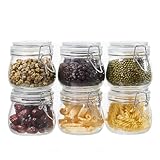
- 【Premium Glass Jars with Airtight Lids】These airtight glass jars feature a wire clip fastening system with clear preserving seals, locking in freshness and flavor. Ideal for dry goods and long-term food storage.
- 【Perfect Size: 17 oz Capacity – Set of 6】Each jar holds 17oz, just right for storing beans, flour, sugar, cereal, pasta, or snacks. Comes as a 6 pack to organize your kitchen efficiently.
- 【Durable & Safe Food Storage Containers】Made from thick, lead-free, glass food storage containers that are BPA-free, odor-resistant, and safe for everyday use.
- 【Multi-Purpose Glass Canisters for Kitchen & Pantry】Great for kitchen canning and pickling jars – also suitable for DIY jam, honey, kimchi, spices, and more. A functional and elegant solution for pantry storage jars.
- 【Stylish & Practical Storage Jars】Sleek square design saves space and looks beautiful on shelves. These glass storage jars are easy to stack and clean, combining utility with minimalist decor.
Water quality and temperature
Tap water can have off-flavors. Filtered water is best. Room temperature is the sweet spot for brewing. No need to get fancy with hot water here. That’s for hot coffee.
Grind size and coffee freshness
Coarse grind is king for cold brew. Think breadcrumbs or coarse sea salt. Too fine, and you get sludge. Too coarse, and it might not extract enough. Freshly ground beans are always better. But even pre-ground will work if it’s coarse.
Coffee-to-water ratio
A good starting point is 1:8 by weight. So, 1 ounce of coffee to 8 ounces of water. Some people go stronger, like 1:4. That’s for a concentrate you dilute later. Experiment to find your sweet spot.
Cleanliness/descale status
Make sure your brewing vessel and straining tools are clean. Old coffee residue can make your brew taste stale or bitter. No need to descale a jar, but a quick wash is essential.
Step-by-step (brew workflow)
1. Measure your coffee. Get your favorite beans. Grind them coarse. Aim for about 1 part coffee to 4-8 parts water, depending on if you want concentrate or ready-to-drink.
- What “good” looks like: Coarsely ground coffee, like coarse sand or sea salt.
- Common mistake: Using a fine grind. This leads to bitter, muddy coffee. Avoid it by setting your grinder to its coarsest setting.
2. Measure your water. Use filtered water if you can. Room temperature is perfect.
- What “good” looks like: Clean, clear water at ambient temperature.
- Common mistake: Using tap water with strong chlorine or mineral tastes. This will impact your coffee. Stick to filtered or bottled water.
3. Combine coffee and water. Put the grounds in your jar or pitcher. Pour the water over them.
- What “good” looks like: All the coffee grounds are saturated with water.
- Common mistake: Not ensuring all grounds are wet. Some might float. Give it a gentle stir to make sure.
4. Stir gently. Give it a quick, gentle stir to make sure all the grounds are submerged.
- What “good” looks like: A uniform mixture of coffee and water.
- Common mistake: Over-stirring. This can agitate the grounds too much and lead to over-extraction, making it bitter. Just a quick mix is fine.
5. Cover and steep. Put a lid on your container or cover it with plastic wrap. Let it sit at room temperature or in the fridge.
- What “good” looks like: A sealed container preventing evaporation and contaminants.
- Common mistake: Leaving it uncovered. This lets in dust and other things you don’t want. Plus, it can affect the flavor.
6. Steep for 12-24 hours. Longer steeping means a stronger brew. 18 hours is a good middle ground.
- What “good” looks like: A dark, rich liquid with a distinct coffee aroma.
- Common mistake: Steeping too short (under 12 hours) or too long (over 24 hours). Too short is weak; too long can become bitter or overly acidic.
7. Prepare to strain. Get your fine-mesh sieve ready. Line it with cheesecloth or a paper filter if you want extra clarity.
- What “good” looks like: A clean sieve, possibly lined, ready to catch grounds.
- Common mistake: Using a sieve that’s too coarse. You’ll end up with grounds in your cold brew.
8. Strain the coffee. Slowly pour the steeped coffee through your sieve into another clean container. Let gravity do the work.
- What “good” looks like: A steady stream of dark liquid, leaving grounds behind.
- Common mistake: Pouring too fast. This can push grounds through the filter or clog it. Patience is key here.
9. Strain again (optional). For super-smooth coffee, strain it a second time, perhaps through a paper filter.
- What “good” looks like: Crystal-clear cold brew, free of sediment.
- Common mistake: Skipping this step if you prefer a cleaner cup. If you don’t mind a little body, one strain is fine.
10. Dilute if needed. If you made a concentrate, mix it with water or milk. A 1:1 or 1:2 ratio is common.
- What “good” looks like: A perfectly balanced drink, not too strong, not too weak.
- Common mistake: Drinking concentrate straight. It’s like drinking espresso – way too intense for most.
11. Serve and enjoy. Pour over ice. Add your favorite additions.
- What “good” looks like: A refreshing, smooth cup of coffee.
- Common mistake: Not serving it cold. Cold brew is best enjoyed chilled.
Common mistakes (and what happens if you ignore them)
| Mistake | What it causes | Fix |
|---|---|---|
| Using a fine coffee grind | Bitter, muddy, over-extracted coffee. Sludge. | Use a coarse grind (like sea salt). |
| Using tap water with off-flavors | Stale, chemical, or metallic tasting coffee. | Use filtered or bottled water. |
| Not stirring to saturate grounds | Uneven extraction, weak spots, watery coffee. | Stir gently to ensure all grounds are wet. |
| Over-stirring | Bitter, astringent, overly acidic coffee. | Stir just enough to wet the grounds. |
| Steeping for less than 12 hours | Weak, watery, underdeveloped flavor. | Steep for at least 12 hours. |
| Steeping for more than 24 hours | Bitter, harsh, overly strong, unpleasant taste. | Stick to the 12-24 hour window. |
| Using a sieve that’s too coarse | Grounds in your final brew, gritty texture. | Use a fine-mesh sieve, or line it with cheesecloth/paper filter. |
| Not straining thoroughly | Sediment at the bottom of your cup. | Strain slowly and consider a second strain. |
| Drinking concentrate straight | Overpowering bitterness, jitters, stomach upset. | Dilute concentrate with water or milk. |
| Not serving cold | Loses its refreshing quality, tastes dull. | Always serve over ice or chilled. |
| Using stale coffee beans | Flat, dull flavor, lacks aroma and brightness. | Use freshly roasted beans for the best taste. |
| Not cleaning brewing equipment | Off-flavors, rancid notes in your cold brew. | Wash your jar and strainers thoroughly after each use. |
Decision rules (simple if/then)
- If your cold brew tastes bitter, then reduce your steep time or use a coarser grind because fine grounds over-extract.
- If your cold brew is too weak, then increase your coffee-to-water ratio or steep for longer because more coffee or more time equals more flavor.
- If you have sediment in your coffee, then use a finer filter or strain twice because the grounds are getting through.
- If your coffee tastes sour, then check your water quality or grind size because these can impact acidity.
- If you’re in a hurry, then make a concentrate and dilute it because it brews faster than ready-to-drink and you can adjust strength on the fly.
- If you want a cleaner cup, then use a paper filter for the final strain because it catches the smallest particles.
- If you’re brewing at room temperature, then be extra careful about contamination and don’t steep for too long because warmth can speed up unwanted processes.
- If you’re brewing in the fridge, then you might need to steep a bit longer because the cold slows down extraction.
- If you notice oily residue on top, then your coffee might be too old or your beans were oily, which can sometimes affect flavor.
- If you want a smoother finish, then consider a darker roast; they tend to be less acidic.
- If you want more brightness, then try a lighter roast, but be mindful of potential acidity with cold brew.
- If you get a chalky taste, then your grind might be too fine, or you have too much fines from the grinding process.
FAQ
What’s the best coffee bean for cold brew?
Any bean can work, but medium to dark roasts are popular. They often have chocolatey or nutty notes that shine in cold brew. Avoid super light roasts if you’re sensitive to acidity.
How long does homemade cold brew last?
Stored in an airtight container in the fridge, it should be good for about 7-10 days. The flavor might start to fade after that.
Can I use pre-ground coffee?
Yes, but you need to be careful. Most pre-ground coffee is too fine for cold brew. If you can find a coarse grind, go for it. Otherwise, you might end up with muddy coffee.
Why is my cold brew acidic?
Cold brew is naturally less acidic than hot coffee. If yours is still too acidic, try a coarser grind, a longer steep time, or a darker roast. Water quality can also play a role.
What’s the difference between cold brew concentrate and ready-to-drink?
Concentrate is a more potent brew made with a higher coffee-to-water ratio. You dilute it with water or milk before drinking. Ready-to-drink is brewed at a weaker ratio and can be consumed as is.
Do I need a special jar?
Nope. Any clean jar, pitcher, or even a French press will do. The key is a good way to strain the grounds out later.
How much caffeine is in cold brew?
It depends on your ratio and steep time. Generally, cold brew is more concentrated than drip coffee, so it can have more caffeine per ounce. Diluting it will reduce the caffeine in your final cup.
Can I reheat cold brew?
You can, but it defeats the purpose of cold brew. It will essentially turn into hot coffee and lose its smooth, low-acid profile. It’s best enjoyed cold.
What this page does NOT cover (and where to go next)
- Specific coffee bean origins and their flavor profiles.
- Advanced techniques like nitrogen-infused cold brew.
- Detailed comparisons of commercial cold brew makers.
- Recipes for cold brew cocktails or elaborate coffee drinks.
- Troubleshooting specific brewing equipment beyond basic straining.