
Easy Cold Brew Coffee At Home Without Special Equipment
Quick answer
- Use coarse-ground coffee and cold, filtered water.
- A simple jar or pitcher works just fine.
- Aim for a 1:8 coffee-to-water ratio to start.
- Let it steep for 12-24 hours in the fridge or at room temp.
- Strain it well – a fine-mesh sieve or cheesecloth is your friend.
- Dilute to taste; cold brew is a concentrate.
- Clean your gear after every batch.
Who this is for
- Anyone who loves smooth, low-acid coffee.
- Folks who want to save money on fancy cold brew drinks.
- Campers and travelers who want great coffee on the go.
What to check first
Brewer type and filter type
You don’t need a fancy cold brew maker. A simple glass jar, mason jar, or even a pitcher will do. For filtering, a fine-mesh sieve is essential. If you have one, a cheesecloth or a paper coffee filter can help catch even finer grounds. No special gear needed, just what you likely have in the kitchen.
Water quality and temperature
Good coffee starts with good water. Tap water can sometimes have off-flavors that will carry into your brew. Filtered water is best. For cold brew, you’ll be using cold or room temperature water, so no need to worry about heating it up. That’s the beauty of this method.
Grind size and coffee freshness
This is crucial. You need a coarse grind, like breadcrumbs or coarse sea salt. Too fine, and you’ll get a muddy, over-extracted mess that’s hard to strain. Freshly ground beans are always better, but for cold brew, even pre-ground coffee will work if it’s coarse enough. Just make sure it hasn’t been sitting in your pantry for years.
For this method, a coarse grind is essential, similar to breadcrumbs or coarse sea salt. If you don’t have a grinder, you can easily find pre-ground coarse coffee online.
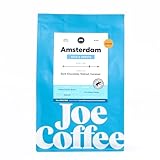
- Rich, sweet, and comforting, Amsterdam is the perfect drip coffee option for those who seek a deeper roast profile.
- We select the components for this coffee for their ability to stand up to a more developed roast, without ever tasting over-roasted or smoky. Instead, we pull out classic notes of chocolate, nut, and toffee.
- One 12 ounce bag
Coffee-to-water ratio
A good starting point is a 1:8 ratio by weight. That means 1 ounce of coffee to 8 ounces of water. If you don’t have a scale, roughly 1 cup of coffee grounds to 4 cups of water is a decent ballpark. Remember, this makes a concentrate, so you’ll dilute it later. Adjust to your preference.
Cleanliness/descale status
Whatever vessel you use, make sure it’s clean. Any old coffee residue will make your new brew taste bitter or stale. If you’re using a coffee maker for filtering later (though not ideal for the brew itself), ensure it’s descaled. Clean gear equals clean taste.
Step-by-step (brew workflow)
1. Measure your coffee.
- What “good” looks like: You have the right amount of coarsely ground coffee.
- Common mistake: Using too fine a grind. Avoid this by checking your grinder’s setting or buying pre-ground coarse coffee.
2. Add coffee to your brewing vessel.
- What “good” looks like: All the grounds are in your clean jar or pitcher.
- Common mistake: Spilling grounds. Go slow and steady.
3. Measure your cold, filtered water.
- What “good” looks like: You have the correct amount of water for your chosen ratio.
- Common mistake: Using tap water with off-flavors. Stick to filtered if you can.
4. Pour water over the coffee grounds.
- What “good” looks like: All the grounds are saturated. You can give it a gentle stir to ensure this.
- Common mistake: Not fully saturating the grounds. This leads to uneven extraction.
5. Cover and let it steep.
- What “good” looks like: The vessel is sealed (lid on, plastic wrap) and set aside.
- Common mistake: Leaving it uncovered. This can let in unwanted fridge smells or dust.
6. Steep for 12-24 hours.
- What “good” looks like: The coffee has had ample time to extract flavor. Longer steep times mean stronger flavor.
- Common mistake: Steeping too short. You won’t get much flavor. I usually go for 18 hours.
7. Prepare your straining setup.
- What “good” looks like: You have a sieve, cheesecloth, or paper filter ready over a clean container.
- Common mistake: Using a sieve with too large holes. You’ll get gritty coffee.
8. Strain the coffee concentrate.
- What “good” looks like: The liquid is mostly clear, with minimal sediment. You might need to strain twice.
- Common mistake: Rushing the straining process. Let gravity do its work.
9. Discard the grounds.
- What “good” looks like: All used grounds are removed from your sieve/filter.
- Common mistake: Leaving grounds in the filter to dry out and get gross. Compost them!
10. Store the concentrate.
- What “good” looks like: Your cold brew concentrate is in a sealed container in the fridge.
- Common mistake: Leaving it out. It’s still coffee, it can spoil.
11. Dilute to taste.
- What “good” looks like: You have a delicious, smooth cup of coffee.
- Common mistake: Drinking the concentrate straight. It’s too strong! Start with a 1:1 ratio of concentrate to water or milk.
12. Enjoy!
- What “good” looks like: You’re sipping on great coffee.
- Common mistake: Not enjoying your hard work!
Common mistakes (and what happens if you ignore them)
| Mistake | What it causes | Fix |
|---|---|---|
| Using finely ground coffee | Muddy, over-extracted, bitter coffee; hard to strain | Use coarse grounds (like breadcrumbs). |
| Not filtering thoroughly | Gritty, sludgy coffee in your cup | Use a fine-mesh sieve, cheesecloth, or paper filter. Strain twice. |
| Using tap water | Off-flavors, metallic or chemical notes | Use cold, filtered water. |
| Incorrect coffee-to-water ratio | Too weak or too strong concentrate | Start with 1:8 (coffee:water) and adjust to your taste. |
| Steeping for too short a time | Weak, watery, underdeveloped flavor | Steep for at least 12 hours, up to 24 hours. |
| Not covering the brewing vessel | Absorbs fridge odors, potential contamination | Use a lid or plastic wrap. |
| Not cleaning the brewing vessel | Stale, bitter, or off-flavors in your brew | Wash thoroughly after each use. |
| Drinking the concentrate straight | Overpowering bitterness, stomach upset | Dilute with water, milk, or ice (1:1 is a good start). |
| Using stale coffee beans | Flat, dull, or musty flavor | Use fresh, whole beans and grind just before brewing if possible. |
| Over-extracting (too long a steep) | Bitter, harsh, unpleasant taste | Stick to the 12-24 hour window. Taste test after 12 hours. |
Decision rules (simple if/then)
- If your cold brew tastes bitter, then you likely used too fine a grind or steeped too long because these lead to over-extraction.
- If your cold brew is weak, then you need to increase the coffee-to-water ratio or steep for longer because the grounds didn’t have enough time to release their flavor.
- If you have sediment in your cup, then you need to strain more thoroughly because your filter wasn’t fine enough or you rushed the process.
- If your coffee smells like your refrigerator, then you didn’t cover the brewing vessel properly because it absorbed odors.
- If you’re making cold brew for the first time, then start with a 1:8 coffee-to-water ratio because it’s a standard starting point for a concentrate.
- If you prefer a stronger flavor profile, then steep for closer to 24 hours because longer steeping times extract more compounds.
- If you want to make it taste like a latte, then dilute with milk and add sweetener because cold brew is a base, not a finished drink.
- If you’re in a hurry, then cold brew isn’t the method for you because it requires significant steeping time.
- If you notice a sour taste, then your water quality might be off or your coffee-to-water ratio is too high, leading to under-extraction.
- If your coffee is consistently good, then keep using the same grind size, ratio, and steep time because you’ve found your sweet spot.
FAQ
How long can I store cold brew concentrate?
Keep it in an airtight container in the fridge for up to two weeks. The flavor might change slightly over time, but it’s generally good for a while.
Can I use pre-ground coffee?
Yes, but make sure it’s a coarse grind. If all you have is regular or fine grind, it’s better to use a different brewing method or try to grind it coarser yourself.
What’s the difference between cold brew and iced coffee?
Iced coffee is typically hot-brewed coffee that’s cooled down and served over ice, which can lead to dilution and sometimes a bitter taste. Cold brew is steeped in cold water, resulting in a smoother, less acidic flavor.
Why is my cold brew muddy?
This usually means your grind is too fine, or you didn’t strain it properly. Try using a coarser grind and a finer filter, or strain it a second time.
How much coffee should I use?
A good starting point is a 1:8 ratio of coffee to water by weight. So, 1 ounce of coffee grounds for every 8 ounces of water. You can adjust this based on how strong you like it.
Can I use different types of coffee beans?
Absolutely! Lighter roasts tend to be brighter, while darker roasts yield a richer, more chocolatey flavor. Experiment to see what you like best.
What if I don’t have a fine-mesh sieve?
You can use a cheesecloth lined over a regular sieve, or even a paper coffee filter placed in a pour-over cone. It might take longer, but it works.
Is cold brew healthier than hot coffee?
Cold brew is generally less acidic, which can be easier on your stomach. It also often contains less caffeine per serving if diluted properly.
What this page does NOT cover (and where to go next)
- Specific coffee bean origins and their flavor profiles.
- Advanced cold brew techniques like Japanese-style flash chilling.
- Detailed comparisons of different cold brew makers.
- Recipes for cold brew cocktails or other specialty drinks.