
Decaf Coffee Varieties Offered by Lavazza
Quick Answer: Does Lavazza Make Decaf Coffee?
- Yes, Lavazza definitely offers decaf coffee.
- They have a few different options, catering to various brewing methods.
- You can find decaf beans, ground coffee, and even Nespresso-compatible pods.
- Their decaf process aims to preserve flavor.
- Look for “Decaffeinato” or similar on the packaging.
For those who prefer to grind their own, Lavazza decaf coffee beans are an excellent choice to ensure maximum freshness and flavor in your cup.

Key Terms and Definitions
- Decaffeination: The process of removing caffeine from coffee beans.
- Swiss Water Process: A chemical-free method using water to extract caffeine.
- CO2 Process: Uses carbon dioxide under pressure to remove caffeine.
- Solvent Process: Uses chemical solvents like ethyl acetate or methylene chloride to remove caffeine.
- Arabica: A species of coffee bean known for its aromatic qualities and nuanced flavor.
- Robusta: A species of coffee bean with higher caffeine content and a bolder, often more bitter taste.
- Roast Level: How long and at what temperature coffee beans are roasted, affecting flavor.
- Crema: The reddish-brown foam that sits atop an espresso shot, indicating good extraction.
- Aroma: The smell of coffee, a key component of its overall flavor experience.
- Body: The perceived weight or texture of coffee in the mouth.
How Lavazza Decaffeinates Coffee
Lavazza uses a couple of methods to get the caffeine out. They’re pretty focused on keeping the good stuff – the flavor – intact. It’s not just about stripping out the caffeine; it’s about doing it right.
- Natural Methods First: Lavazza often starts with methods that don’t rely heavily on harsh chemicals. This is good news for those who are sensitive or just prefer a cleaner process.
- Water-Based Extraction: They might use water to gently pull out the caffeine. Think of it like steeping tea, but for caffeine.
- Solvent-Assisted Processes: For some of their decaf options, they might use food-grade solvents. These are carefully selected and removed later, leaving minimal trace. The goal here is efficiency and consistent results.
- Flavor Preservation is Key: The real trick is that they don’t just blast the beans with something to get the caffeine out. They aim to keep the aromatic oils and flavor compounds. It’s a balancing act, for sure.
- Targeting Caffeine Molecules: The processes are designed to specifically target the caffeine molecules, leaving the other desirable flavor components largely undisturbed.
- Post-Decaf Roasting: After the decaffeination, the beans are roasted. This is where the specific flavor profile of Lavazza decaf really comes to life. They roast them just like their regular beans, bringing out those characteristic notes.
- Quality Control: Like any good coffee outfit, Lavazza has checks in place to ensure the decaffeination process is effective and that the final product meets their standards.
What Affects Your Lavazza Decaf Coffee Result
Even with decaf, a lot goes into that cup. Don’t just assume decaf means “less flavor” – the setup matters.
- The Beans Themselves: Lavazza uses different blends for their decaf. Some might be 100% Arabica, others a mix with Robusta. This choice alone changes the base flavor profile before anything else.
- The Decaffeination Method: As mentioned, the specific process Lavazza uses can subtly influence the final taste. Some methods are known for retaining more of the original bean character than others.
- The Roast Level: Lavazza offers decaf in various roasts, from lighter to darker. A light roast will highlight brighter, more acidic notes, while a dark roast brings out bolder, chocolatey, or smoky flavors.
- Grind Size: This is huge. Too fine for a drip machine? Bitter coffee. Too coarse for espresso? Weak, watery stuff. Match the grind to your brewer.
- Water Quality: Tap water can have off-flavors. Filtered water is usually the way to go. It lets the coffee’s natural taste shine.
- Water Temperature: Too hot, and you scorch the grounds. Too cool, and you won’t extract enough flavor. For most drip coffee, aim for around 195-205°F.
- Coffee-to-Water Ratio: This is your control panel for strength. Too little coffee, and it’s weak. Too much, and it can be overpowering or bitter. A common starting point is about 1:15 to 1:18 (coffee to water by weight).
- Brewing Method: Are you using a drip machine, French press, Aeropress, or espresso machine? Each method extracts differently. Lavazza has decaf options suited for different styles.
- Freshness of the Beans: Even decaf beans lose their zing over time. Try to buy beans that were roasted recently and store them properly.
- Cleanliness of Your Equipment: Old coffee oils can turn rancid and ruin a fresh brew. Keep your grinder, brewer, and carafe clean. Seriously, this makes a difference.
- Brew Time: How long the water is in contact with the coffee grounds. Too short, and it’s sour. Too long, and it’s bitter. This is directly tied to grind size and brewer type.
Pros, Cons, and When Lavazza Decaf Matters
Lavazza’s decaf options are solid. They hit a sweet spot for a lot of people.
- Pro: Caffeine-Free Enjoyment: Obviously, the biggest win. Enjoy coffee’s flavor and ritual without the jitters or sleep disruption. Great for late-night cups.
- Pro: Flavor Focus: Lavazza puts effort into their decaf. You get a good range of flavors, not just a weak imitation. Their decaf espresso beans can make a decent shot.
- Pro: Variety: They offer decaf in different forms – whole beans, ground, and pods. This means you can probably find something that fits your current setup.
- Pro: Accessibility: Lavazza is widely available. Finding their decaf is generally pretty easy, whether online or in a grocery store.
- Con: Slight Flavor Differences: While they do a good job, decaf can sometimes have a slightly different mouthfeel or a subtle nuance compared to its caffeinated counterpart. It’s usually minor, though.
- Con: Process Variations: Not all decaf is created equal. If you’re super particular, you might want to check which decaffeination method is used for a specific product.
- Con: Cost: Sometimes, decaf coffee can be a little pricier due to the extra processing steps involved.
- When it Matters: Evening Cravings: You want that comforting coffee ritual after dinner, but don’t want to be wired all night. Lavazza decaf is perfect here.
- When it Matters: Sensitive Individuals: If caffeine affects your heart rate, digestion, or sleep, decaf is the way to go. Lavazza offers a quality option.
- When it Matters: Espresso Lovers: Want a rich, crema-topped espresso but need to cut the caffeine? Lavazza’s decaf espresso blends are worth trying.
- When it Matters: Mixing it Up: Sometimes you just don’t want caffeine, but still want good coffee. It’s an easy way to switch gears.
If convenience is key, Lavazza decaf ground coffee offers a quick and easy way to enjoy a delicious, caffeine-free brew.

- DOLCEVITA CLASSICO: Lavazza captures the spirit of la Dolcevita with this 12-ounce coffee bag. This blend embodies the essence of its iconic, fashion-forward, and mysterious allure. Ideal for drip brewers
- INTENSITY AND ROASTING: The medium roasting and the 3/5 intensity give this ground coffee a rich and full-bodied taste, for an amazing experience
- BLEND: This coffee selection is made from a blend of Arabica and Robusta beans from South America and Africa
- AROMATIC NOTES: As you sip this exquisite coffee with notes of roasted nuts, let the intensity of its aroma transport you to a place where you can savor a classic Dolcevita day
- LAVAZZA: Lavazza Group operates in every sector of the coffee industry, offering products of superior quality, obtained through a sustainable model based on innovation, passion and expertise
Common Misconceptions About Lavazza Decaf
People get a few things wrong about decaf. Let’s clear the air.
- Myth: Decaf has NO caffeine. Nope. It’s decaffeinated, meaning most of it is removed, but a tiny amount usually remains. We’re talking trace amounts, though.
- Myth: Decaf tastes bad. This used to be more true. Modern decaffeination methods, like those Lavazza uses, are much better at preserving flavor. It’s not always identical to caffeinated, but “bad” is a stretch.
- Myth: All decaf uses the same process. Not at all. There are several methods, and they can impact the taste. Lavazza uses specific methods for their beans.
- Myth: Decaf is just regular coffee with chemicals added. While some methods use solvents, they are food-grade and carefully removed. Water-based methods are also common and chemical-free.
- Myth: Decaf is unhealthy. The decaffeination process itself, when done correctly, doesn’t make the coffee unhealthy. The health benefits of coffee are still largely present.
- Myth: You can decaffeinate coffee at home easily. It’s not really a DIY project. The industrial processes are complex and require specialized equipment.
- Myth: Decaf coffee is always weaker. Caffeine itself doesn’t directly equate to strength of flavor. The roast and bean type play a much bigger role.
- Myth: Decaf is only for people who can’t drink regular coffee. Nah. Lots of people just prefer decaf for taste or timing. It’s a choice, not a restriction.
FAQ
Does Lavazza have decaf espresso beans?
Yes, Lavazza offers decaf espresso blends. These are often roasted specifically to perform well in an espresso machine, aiming for that rich crema and full body, just without the caffeine kick.
What is the best Lavazza decaf coffee to buy?
“Best” is subjective and depends on your brewing method and taste preference. Lavazza offers decaf in various roasts and grinds. For espresso, look for their “Decaffeinato” espresso blends. For drip, their ground decaf options are usually a safe bet.
When choosing the best decaffeinated coffee, consider your brewing method; Lavazza offers various options to suit different preferences.
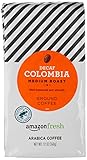
- Balanced, full-bodied medium roast with a smooth finish
- One 12-ounce bag of ground coffee
- Decaffeinated
- 100% Arabica coffee grown in Colombia
- Roasted and packed in the U.S.A.
How much caffeine is in Lavazza decaf coffee?
Lavazza decaf coffee typically contains a very small amount of caffeine, usually around 97-99% less than regular coffee. The exact amount can vary slightly depending on the specific product and decaffeination method.
Can I use Lavazza decaf coffee in a Nespresso machine?
Lavazza offers Nespresso-compatible decaf capsules (pods). Check the packaging to ensure you’re buying the “Decaffeinato” variety in the correct pod format for your Nespresso machine.
Is Lavazza decaf coffee good for sensitive people?
Generally, yes. If you are sensitive to caffeine, Lavazza’s decaffeinated options are designed to significantly reduce caffeine content, making them a suitable choice for enjoying the flavor of coffee without the stimulant effects.
Where can I find Lavazza decaf coffee?
You can typically find Lavazza decaf coffee at most major grocery stores, specialty coffee shops, and online retailers. Look for the “Decaffeinato” or “Decaf” labeling on their product lines.
What This Page Does Not Cover (And Where to Go Next)
- Specific Decaffeination Process Details: We touched on the methods, but Lavazza’s exact proprietary techniques for each product aren’t detailed here. For that, you’d need to check their official product descriptions or contact them directly.
- Detailed Flavor Profiles of Every Decaf Blend: While we discussed general factors, a deep dive into the tasting notes of each individual Lavazza decaf variety is beyond this scope. You might find this info on their website or retailer pages.
- Comparisons to Other Brands’ Decaf: This article focuses solely on Lavazza. To compare them against other decaf offerings, you’d need to look at reviews or guides that cover multiple brands.
- Advanced Home Decaffeination Techniques: This is not something most home brewers do. If you’re curious about the science, look for academic papers or industrial brewing resources.