
How To Prepare A Coffee Enema Safely
Quick Answer
- Use organic, low-acid coffee.
- Brew it weak, like tea.
- Let it cool significantly.
- Ensure the equipment is clean.
- Perform the procedure in a comfortable, private space.
- Follow reputable health guidance closely.
Who This Is For
- Individuals exploring alternative health practices.
- Those seeking to understand the preparation steps for a coffee enema.
- People who prioritize detailed instructions for home health procedures.
What To Check First
Brewer Type and Filter Type
The type of coffee maker you use isn’t the main event here. What matters is the result: a clean, filtered coffee solution. Drip machines, French presses, or even a simple pour-over can work. Just make sure whatever you use is thoroughly cleaned beforehand. If you’re using paper filters, ensure they’re free of dyes or bleach.
Water Quality and Temperature
Start with good water. Tap water can have minerals or chlorine that you don’t want in your system. Filtered or distilled water is your best bet. Temperature is critical. You’re not brewing coffee to drink, so it needs to be cool enough to be safe for internal use. Aim for body temperature, around 98-102°F (37-39°C). Too hot is dangerous; too cold can be a shock.
Grind Size and Coffee Freshness
For a coffee enema, you’re not looking for the nuanced flavors of a specialty pour-over. A medium grind is generally recommended. Freshness matters less than for drinking coffee, but avoid stale, dusty grounds. The goal is extraction, not peak aroma.
Coffee-to-Water Ratio
This is where “weak” comes in. You’re not trying to get a caffeine jolt for your taste buds. A common starting point is 1-2 tablespoons of coffee grounds per 16 oz of water. Some protocols suggest even less. It’s better to start mild and adjust if needed, following specific health practitioner advice.
Cleanliness/Descale Status
This is non-negotiable. All equipment – the pot, the tubing, the nozzle – must be spotlessly clean. If you use a coffee maker regularly for drinking, make sure it’s descaled and clean. Any residue or buildup is a no-go. Think sterile, not just “rinsed.”
Step-by-Step: Brewing Your Coffee Enema Solution
1. Gather Your Supplies: You’ll need your coffee, water, brewing equipment, a clean enema bag or kit, and a way to measure temperature. This is the setup phase.
- What “good” looks like: Everything is laid out and ready. No last-minute scrambling.
- Common mistake: Forgetting a crucial item, like the thermometer. Avoid this by doing a mental checklist before you start.
When gathering your supplies, ensure you have a reliable enema kit ready. A good quality enema kit is essential for safe and effective preparation.
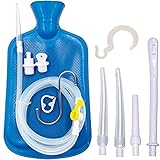
- Superior Quality: The enema bag is made of imported premium rubber ,The enema hose is made of Medical-Grade silicone.
- Safe and Convenient: The enema detox cleanse kit has a soft and comfortable reusable water nozzle, with flexible tips, made of non-toxic BPA and free of phthalates. This eco-friendly enema kit is very easy and convenient to use and can be hanged anywhere with the help of the hooks.
- Controlled Mechanism: The colon cleanser have a yellow valve for water control that lets you set the speed of the enema solution coming out of the pipes. By controlling the speed of flow, you can have a safe, comfortable, convenient, and pleasant experience.
- Complete Package: Our colon cleanse enema kit comprises of an enema bag with 2L, a 5.0 ft. long hose made of soft, and non-toxic silicone and 3 soft, flexible, and reusable tips of different shapes. You can choose the enema tip according to your interest and preference.
- Multiple Uses: Smokitcen Enema Kit is convenient and comfortable equipment to have enema detox cleaning at home. This colon detox kit is suitable for all types of colonic hydrotherapy enemas like Garson Therapy, Colon Cleansing Detox Enemas, coffee enema, and water cleanse.
2. Measure Your Water: Pour the desired amount of filtered water into your brewing pot. A common starting point is 16 oz (about 2 cups).
- What “good” looks like: The correct amount of clean water is in the pot.
- Common mistake: Using too much or too little water, which throws off the ratio. Measure carefully.
3. Add Your Coffee: Add 1-2 tablespoons of organic, low-acid coffee grounds to the water.
- What “good” looks like: The grounds are in the water, ready for brewing.
- Common mistake: Using too much coffee, leading to a solution that’s too strong or bitter. Stick to the mild ratio.
4. Brew the Coffee: Heat the water and coffee mixture. If using a drip machine, just run it as usual. If stovetop, bring to a simmer and let it steep for 5-10 minutes.
- What “good” looks like: The coffee has steeped and extracted into the water.
- Common mistake: Boiling the coffee aggressively. This can extract bitter compounds you don’t want. A gentle simmer or steep is fine.
5. Strain the Coffee: Thoroughly strain the coffee liquid to remove all grounds. Use a fine-mesh sieve or cheesecloth. You want a clear liquid.
- What “good” looks like: A clear, sediment-free coffee liquid.
- Common mistake: Leaving grounds in the solution. This can cause irritation or blockages. Strain multiple times if necessary.
6. Cool the Solution: This is paramount. Let the coffee cool down significantly. Use a thermometer to ensure it’s between 98-102°F (37-39°C).
- What “good” looks like: The coffee is at a safe, lukewarm temperature.
- Common mistake: Using coffee that’s too hot. This is dangerous and can cause burns. Patience here is key.
To guarantee the coffee is at a safe temperature, always use a digital thermometer. This ensures accuracy and prevents potential burns.

- Safe Thermometers for Adults and Babies: Boncare thermometer comes with a soft silicone tip and a reliable stainless - steel probe. It's designed for oral, rectal, or axillary use, making it suitable for infants, children, adults, and dogs. It offers great convenience and ensures safety for you and your family.
- Accurate and Fast Reading: This digital thermometer uses the latest and most advanced sensor probe and takes only about 10 seconds to get a reading. Its temperature - reading function has been clinically tested, enabling it to accurately detect fever. Thus, it can assist you in deciding whether you need to rest or seek medical care.
- LCD Screen Display: Our baby thermometer features a highly legible LCD screen. It comes with a beeper alarm for notification, a memory display function to recall last reading, and an auto - shut - off mechanism for energy conservation. Moreover, it allows you to easily switch between ℉(Fahrenheit) and ℃ (celsius).
- Portable and Easy-to-Clean Design: The waterproof tip of the mouth thermometer allows for effortless cleaning. You can wipe it with water or disinfect it with medical alcohol before or after each use. Lightweight and compact, it comes with a protective storage case—ideal for both home use and on-the-go convenience whenever needed.
- Note: Before using the health care thermometer, carefully read the product manual. Start measuring when “Lo℉” shows up. To ensure the accuracy of the measurement, avoid touching the probe with your hands or other hot objects prior to taking the temperature.
7. Prepare the Enema Kit: Ensure your enema bag, tubing, and nozzle are clean and assembled correctly. Lubricate the nozzle.
- What “good” looks like: The kit is ready to go, clean, and lubricated.
- Common mistake: Using a dirty kit or skipping lubrication. This can lead to discomfort or injury.
8. Fill the Enema Bag: Carefully pour the cooled coffee solution into the enema bag.
- What “good” looks like: The bag is filled with the correct amount of safe, cooled coffee.
- Common mistake: Spilling the solution during transfer. Be steady and mindful.
9. Perform the Enema: Follow the specific instructions provided by your healthcare provider or reputable source for administration.
- What “good” looks like: The procedure is carried out calmly and as instructed.
- Common mistake: Rushing the process or not following proper technique. This can lead to discomfort or ineffectiveness.
Common Mistakes (And What Happens If You Ignore Them)
| Mistake | What it Causes | Fix |
|---|---|---|
| Using regular, non-organic coffee | Potential exposure to pesticides, herbicides, and higher acidity. | Use only certified organic, low-acid coffee beans. |
| Brewing coffee too strong | Overstimulation, cramping, nausea, or potential for electrolyte imbalance. | Stick to a weak ratio (1-2 tbsp per 16 oz water). Check with a practitioner for precise amounts. |
| Using coffee that’s too hot | Internal burns, pain, and tissue damage. A serious safety risk. | Always use a thermometer. Aim for body temperature (98-102°F). Let it cool completely. |
| Not straining grounds thoroughly | Irritation of the intestinal lining, potential blockage, or discomfort. | Strain the coffee multiple times through a fine sieve or cheesecloth until it’s crystal clear. |
| Using unfiltered or poor-quality water | Introducing contaminants or chemicals into the body. | Use filtered or distilled water. |
| Using a dirty or unsterilized kit | Introducing bacteria, leading to infection or illness. | Thoroughly clean and sterilize all enema equipment before and after each use. |
| Rushing the cooling process | Risk of internal burns if the coffee is still too hot. | Be patient. Let the coffee cool completely and verify the temperature with a thermometer. |
| Improper administration technique | Discomfort, pain, ineffective retention, or potential injury. | Follow detailed instructions from a trusted health source. Ensure proper positioning and slow, steady insertion. |
| Using bleached or dyed filters | Ingesting potentially harmful chemicals. | Use unbleached, natural paper filters if applicable, or opt for methods that don’t require them. |
| Not checking the enema kit for leaks | Mess and potential loss of solution, disrupting the procedure. | Inspect the bag, tubing, and clamp for any damage or leaks before filling and use. |
Decision Rules
- If the coffee tastes bitter when you taste a tiny drop (after cooling), then it’s likely too strong or brewed too long.
- If you’re unsure about your water quality, then use bottled or distilled water because it eliminates variables.
- If you experience any sharp pain during administration, then stop immediately because that’s a sign something is wrong.
- If your enema kit looks worn or cracked, then replace it because safety is paramount.
- If you’re brewing for the first time, then err on the side of weaker coffee because it’s easier to increase concentration later if advised.
- If you’re feeling anxious about the process, then take a few deep breaths and remind yourself of the preparation steps because preparation builds confidence.
- If you can’t reach the recommended temperature range, then wait longer; overheating is a much bigger risk than being slightly cooler.
- If you’re using a new coffee brand, then check if it’s specifically labeled “low-acid” because that’s important for this application.
FAQ
What kind of coffee should I use?
Opt for organic, low-acid coffee beans. Avoid dark roasts as they can be more acidic. Some people prefer blends specifically marketed for enemas.
How much coffee do I need?
A common starting point is 1 to 2 tablespoons of grounds per 16 ounces of water. Always consult with a healthcare professional for personalized recommendations.
Is it safe to use tap water?
It’s best to use filtered or distilled water to avoid potential contaminants or chemicals found in tap water.
How hot should the coffee be?
The solution should be lukewarm, around body temperature, between 98°F and 102°F (37°C-39°C). Never use hot coffee.
What if I don’t have a thermometer?
You can test the temperature by carefully dripping a tiny amount on your inner wrist. It should feel comfortable, not hot or cold. However, a thermometer is the most reliable method.
How often can I do a coffee enema?
Frequency depends heavily on individual health goals and practitioner advice. It’s not typically a daily practice for most people.
Can I reuse the coffee grounds?
No, you should use fresh grounds for each preparation to ensure a clean and effective solution.
What if I get cramps during the process?
Mild cramping can occur. Try to relax, breathe deeply, and ensure the coffee is at the correct temperature. If severe or persistent, discontinue.
What This Page Does Not Cover (And Where to Go Next)
- Specific medical protocols or therapeutic claims for coffee enemas.
- Detailed instructions on the administration technique itself.
- Risks and contraindications associated with coffee enemas.
- Alternative brewing methods or specialized enema equipment.
For information on these topics, consult with a qualified healthcare practitioner or refer to reputable, evidence-based health resources.