
How to Make Smooth Cold Brew Coffee
Quick answer
- Use a coarse grind. Think sea salt.
- Use cold or room-temperature water. No hot stuff here.
- Let it steep for 12-24 hours. Patience is key.
- Filter it well. Double filtering is your friend.
- Dilute the concentrate. It’s strong, man.
- Keep it clean. A clean brewer makes clean coffee.
- Use good beans. Freshness matters.
- Experiment with ratios. Find your sweet spot.
Who this is for
- Anyone tired of bitter, acidic iced coffee.
- Home baristas looking for a low-effort, high-reward brew method.
- Folks who want a smooth, concentrated coffee base for multiple drinks.
What to check first
Brewer type and filter type
Most cold brew happens in a French press, a dedicated cold brew maker, or even just a jar with a filter. What you’ve got dictates the process a bit. If you’re using a French press, the built-in filter is your main guy. For jars or pitchers, you’ll need a fine mesh strainer, cheesecloth, or even a paper filter for an extra-clean cup.
Water quality and temperature
This is huge for cold brew. Use filtered water if your tap water tastes funky. It’s like cooking – good ingredients make good food. And remember, it’s cold brew. Room temp or cold water is the way to go. No preheating needed.
Grind size and coffee freshness
Coarse is the name of the game for cold brew. Think chunky, like kosher salt or breadcrumbs. Too fine, and you’ll get sludge and over-extraction. Freshly roasted, whole beans ground right before brewing will always give you the best flavor. Stale beans make sad coffee.
For the best flavor, always start with freshly roasted, whole beans. Grinding them just before brewing makes a huge difference.
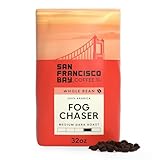
- Our iconic Fog Chaser is a blend of dark and medium roasted beans which results in a enjoyable medium dark roast coffee. It's a great combination of flavor, balance and smoothness that will chase away even the thickest morning fog.
- For finest taste, store in a cool, dark place and grind beans just berfore brewing
- QUALITY COFFEE: San Francisco Bay Coffee uses only 100% arabica coffee and certified Kosher coffee beans. Hand picked and grown in high altitude. We're so confident you'll love it, we back it with a satisfaction guarantee.
- SUSTAINABLY AND ECO- FARMED COFFEE: We offer a wide selection of sustainably grown, sourced, and packaged coffee from whole bean to ground, flavored to decaf, and much more.
- SF BAY COFFEE is a family owned, American made company with a rich tradition. Our reputation reflects on us as a family so if you're ever not happy with your purchase, call us and we'll make it right.
Coffee-to-water ratio
This is where you build your concentrate. A common starting point is 1:4 (coffee to water by weight). So, for example, 8 oz of coffee to 32 oz of water. You can go stronger or weaker, but this gives you a solid base.
Cleanliness/descale status
Seriously, clean your gear. Old coffee oils turn rancid and make your brew taste like a forgotten camp mug. If you have a dedicated cold brew maker, check the manual for descaling recommendations. For French presses or jars, a good wash with soap and water is usually enough.
Step-by-step (brew workflow)
1. Measure your beans. Use a scale for best results. A 1:4 ratio is a good starting point.
- What “good” looks like: You have the exact amount of whole beans ready to grind.
- Common mistake: Eyeballing it. This leads to inconsistent brews. Use a scale, even a cheap one.
2. Grind your coffee. Aim for a coarse grind. Think sea salt consistency.
- What “good” looks like: Uniform, chunky grounds. No fine dust.
- Common mistake: Using a fine grind from an espresso or drip grinder. This will make your cold brew muddy and bitter.
3. Add grounds to your brewer. Put them in your French press, jar, or dedicated cold brew maker.
- What “good” looks like: All the coffee grounds are settled at the bottom of the vessel.
- Common mistake: Not getting all the grounds in. A few stray grounds won’t hurt, but aim for completeness.
4. Add cold or room-temperature water. Pour it slowly over the grounds, making sure to saturate them all.
- What “good” looks like: All coffee grounds are wet. No dry pockets. The water is clear, not yet brown.
- Common mistake: Pouring water too fast, creating a “bloom” that isn’t fully saturated. Go slow and steady.
5. Stir gently. Just enough to ensure all grounds are submerged.
- What “good” looks like: A gentle swirl, breaking up any clumps. The mixture looks like wet sand.
- Common mistake: Over-stirring. This can agitate the grounds too much and lead to over-extraction.
6. Cover and steep. Put the lid on or cover your jar. Let it sit at room temperature or in the fridge for 12-24 hours.
- What “good” looks like: The brewer is sealed and steeping undisturbed. The color of the liquid will deepen over time.
- Common mistake: Forgetting about it and steeping for too long (over 24 hours) or not long enough (under 12 hours).
7. Gently plunge (if using a French press). Press the plunger down slowly and steadily.
- What “good” looks like: The plunger moves smoothly without excessive resistance. The grounds are now compact at the bottom.
- Common mistake: Plunging too fast or with force. This can push fine particles through the filter.
8. Filter the concentrate. Pour the liquid through a fine-mesh sieve. For extra clarity, line the sieve with cheesecloth or a paper filter.
- What “good” looks like: A clear, dark liquid with minimal sediment.
- Common mistake: Not filtering thoroughly. This leaves gritty bits in your final brew.
9. Store the concentrate. Pour it into an airtight container and keep it in the fridge.
- What “good” looks like: The concentrate is sealed and ready for use. It should smell fresh.
- Common mistake: Leaving it uncovered or at room temperature. This leads to oxidation and spoilage.
10. Dilute and serve. Mix the concentrate with water, milk, or ice. A 1:1 or 1:2 ratio of concentrate to liquid is common.
- What “good” looks like: A delicious, smooth coffee drink that tastes just right for you.
- Common mistake: Drinking the concentrate straight. It’s super strong and can be overwhelming.
Common mistakes (and what happens if you ignore them)
| Mistake | What it causes | Fix |
|---|---|---|
| Using a fine coffee grind | Bitter, muddy coffee; difficult to filter | Use a coarse grind (like sea salt). |
| Not steeping long enough (under 12 hrs) | Weak, watery coffee; underdeveloped flavor | Steep for at least 12 hours, up to 24. |
| Steeping too long (over 24 hrs) | Bitter, over-extracted, sometimes sour taste | Stick to the 12-24 hour window. Adjust based on taste. |
| Using hot water | Extracts bitter compounds, defeats the purpose | Use cold or room-temperature water only. |
| Not filtering thoroughly | Gritty, sediment-filled coffee | Use a fine-mesh sieve, cheesecloth, or paper filter. Double filter. |
| Drinking the concentrate straight | Overwhelmingly strong, bitter, unpleasant taste | Dilute with water, milk, or ice (1:1 or 1:2 ratio is a good start). |
| Using stale coffee beans | Flat, dull, oxidized flavor | Use freshly roasted beans and grind just before brewing. |
| Not cleaning the brewing equipment | Rancid oils, off-flavors, soapy taste | Wash your brewer thoroughly after each use. |
| Incorrect coffee-to-water ratio | Too weak or too strong for your preference | Start with 1:4 (coffee:water) and adjust to taste. |
Decision rules (simple if/then)
- If your cold brew tastes bitter, then try a coarser grind because fine grounds over-extract.
- If your cold brew tastes weak, then steep it longer (up to 24 hours) or use a stronger coffee-to-water ratio because it needs more time or coffee to develop flavor.
- If your cold brew has sediment, then filter it again with a finer material like cheesecloth because the initial filter wasn’t fine enough.
- If you want a less acidic coffee, then make cold brew because the cold water extraction process naturally produces lower acidity.
- If your cold brew concentrate is too strong after diluting, then use less concentrate or more diluent (water/milk) next time because your initial ratio was too coffee-heavy.
- If your coffee tastes “off” or stale, then check the freshness of your beans and grind them just before brewing because stale beans won’t produce good flavor.
- If you’re short on time, then cold brew isn’t your best bet because it requires significant steeping time.
- If your cold brew has a soapy taste, then thoroughly clean your brewing equipment because residual oils can go rancid.
- If you want a smoother finish, then use filtered water because it removes impurities that can affect taste.
- If you’re using a French press and it’s hard to plunge, then your grind might be too fine, or you’ve agitated the grounds too much during brewing.
FAQ
How long does cold brew concentrate last?
It’s best used within 7-10 days when stored in an airtight container in the fridge. After that, the flavor can start to degrade.
Can I use any coffee beans for cold brew?
You can use almost any beans, but medium to dark roasts often shine in cold brew, offering rich chocolatey or nutty notes. Lighter roasts can work but might require more experimentation.
Do I have to use a special cold brew maker?
Nope. A French press, a mason jar with a lid, or even a pitcher with a fine-mesh strainer will work just fine. The key is the coarse grind and long steep time.
Why is my cold brew bitter?
Bitterness usually comes from over-extraction. This can be caused by a grind that’s too fine, steeping for too long, or using water that’s too hot.
How much caffeine is in cold brew?
Cold brew concentrate is generally more caffeinated than drip coffee because of the higher coffee-to-water ratio used during brewing. However, once diluted, the caffeine level per serving can vary widely.
Can I reheat cold brew?
You technically can, but it’s generally not recommended. Heating cold brew can bring out some of the bitterness that the cold brewing process aimed to avoid. It’s best enjoyed cold or at room temperature.
What’s the difference between cold brew and iced coffee?
Iced coffee is typically hot-brewed coffee that’s cooled down and served over ice, which can lead to dilution and a more acidic taste. Cold brew is brewed with cold water over a long period, resulting in a smoother, less acidic concentrate.
What this page does NOT cover (and where to go next)
- Specific grind settings for different grinder types. (Look up guides for your specific burr grinder.)
- Advanced filtration techniques like using diatomaceous earth. (Explore specialty coffee brewing forums.)
- Detailed recipes for cold brew-based drinks like lattes or cocktails. (Search for “cold brew drink recipes.”)
- The science behind coffee extraction and solubility. (Dive into coffee science resources.)
- Comparisons of different commercial cold brew makers. (Read reviews on coffee gear sites.)