
Italian Coffee Traditions: How They Brew
Quick Answer
- Italians often favor espresso-based drinks, brewed under pressure.
- A moka pot is a common stovetop brewer for a strong, espresso-like coffee.
- Fresh, quality beans are crucial.
- Water quality plays a big role.
- The grind size needs to be just right for the brewing method.
- Simplicity and speed are key to the Italian coffee experience.
Key Terms and Definitions
- Espresso: Coffee brewed by forcing a small amount of nearly boiling water under pressure through finely-ground coffee beans.
- Moka Pot: A stovetop espresso maker that uses steam pressure to push hot water through coffee grounds.
- Caffè: In Italy, this generally refers to a single shot of espresso.
- Macchiato: Espresso “marked” with a small amount of frothed milk.
- Cappuccino: Espresso with steamed milk and a thick layer of frothed milk.
- Latte: Espresso with a larger amount of steamed milk and a thin layer of foam.
- Crema: The reddish-brown foam on top of a well-made espresso.
- Grind Size: How coarse or fine the coffee beans are ground, critical for extraction.
- Extraction: The process of dissolving coffee solubles into water.
- Portafilter: The handle with a basket that holds the coffee grounds in an espresso machine.
How Italians Make Coffee
- The heart of Italian coffee culture is often the espresso machine.
- These machines force hot water through finely-ground coffee under high pressure.
- This process extracts a concentrated shot of coffee with a rich crema.
- For home brewing without an espresso machine, the moka pot is king.
- Water goes in the bottom chamber, coffee grounds in the middle basket.
- Heat on the stove creates steam, pushing water up through the grounds and into the top chamber.
- It’s a simple, effective way to get a strong coffee.
- Italians typically use medium-fine to fine grinds, depending on the brewer.
- They often drink their coffee standing at a bar, quickly.
- The focus is on quality beans and a well-executed brew, not elaborate methods.
For an authentic Italian coffee experience, consider starting with high-quality Italian coffee beans. These beans are often roasted to perfection for espresso and moka pot brewing.
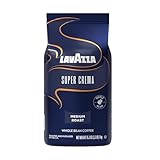
- SUPER CREMA: A 2.2 lb whole bean coffee bag ideal for espresso preparation
- INTENSITY AND ROAST: This full-bodied medium roast offers a bold and creamy finish
- BLEND: Made from Arabica and Robusta beans, this naturally caffeinated blend is sourced from 15 coffee-growing countries around the world
- PREPARATION: Ideal for espresso preparation.
- BREWING GUIDE FOR SINGLE ESPRESSO: 0.28 oz of ground espresso delivers a 1 oz espresso shot
What Affects Italian Coffee Results
- Bean Quality: Freshly roasted, high-quality beans are paramount. Darker roasts are common.
- Grind Size: For espresso, it’s very fine. For a moka pot, it’s finer than drip but coarser than espresso.
- Water Quality: Clean, filtered water makes a noticeable difference. Hard water can mute flavors.
- Water Temperature: Espresso machines maintain a precise temperature, usually around 195-205°F. Moka pots rely on stovetop heat.
- Pressure: Espresso machines use high pressure (9 bars or more). Moka pots use steam pressure.
- Coffee-to-Water Ratio: Italians typically use a higher coffee-to-water ratio for espresso for that concentrated flavor.
- Brew Time: Espresso extraction is fast, usually 20-30 seconds. Moka pot brewing takes a few minutes.
- Freshness of Grounds: Grinding beans right before brewing preserves the most flavor.
- Machine Maintenance: Cleanliness of the espresso machine or moka pot is vital.
- Milk Frothing Technique: For cappuccinos and lattes, the texture and temperature of the frothed milk matter.
- Roast Profile: Italian roasts are often darker, which impacts the final taste profile.
- Serving Vessel: A pre-warmed ceramic cup helps maintain the coffee’s temperature.
Pros, Cons, and When It Matters
- Espresso Machine:
- Pros: Produces authentic, high-quality espresso and espresso-based drinks. Fast brewing once heated.
- Cons: Expensive, requires counter space, needs regular cleaning and maintenance.
- When it matters: If you crave true Italian espresso and milk drinks daily.
- Moka Pot:
- Pros: Affordable, compact, produces a strong, espresso-like coffee. Relatively easy to use.
- Cons: Not true espresso (lower pressure), can be tricky to master temperature control, potential for bitter coffee if overheated.
- When it matters: Great for home brewing when you want a robust coffee without a big investment. It’s what many Italians use at home.
- Pre-ground Coffee:
- Pros: Convenient, readily available.
- Cons: Loses flavor and aroma rapidly after grinding.
- When it matters: If convenience is your absolute top priority and you’re not chasing peak flavor. Not ideal for traditional Italian brewing.
- Dark Roasts:
- Pros: Often associated with Italian coffee, bold flavor profile.
- Cons: Can sometimes mask subtle bean origins, may be perceived as bitter if not brewed well.
- When it matters: If you prefer a strong, classic Italian coffee taste.
- Standing at the Bar:
- Pros: Quick, social, efficient way to get your coffee fix.
- Cons: Not a leisurely experience.
- When it matters: Captures the authentic Italian café vibe.
- Simplicity:
- Pros: Easy to learn and execute, focus on quality ingredients.
- Cons: Less room for experimentation with complex brewing variables.
- When it matters: If you appreciate straightforward, delicious coffee.
- Water Temperature Control:
- Pros: Crucial for optimal extraction, prevents burning or under-extraction.
- Cons: Difficult to control precisely with stovetop methods.
- When it matters: Key to getting a balanced, flavorful cup.
- Crema:
- Pros: Indicator of good espresso, adds texture and aroma.
- Cons: Can be misleading if other factors are off.
- When it matters: A visual cue of a well-pulled shot.
Common Misconceptions
- All Italian coffee is espresso: While espresso is central, Italians also drink filter coffee and other styles, though less commonly.
- Moka pots make espresso: They make a strong, concentrated coffee like espresso, but it’s brewed at lower pressure and isn’t technically espresso.
- You need a super expensive machine for good coffee: A moka pot can make fantastic coffee at home.
- Dark roasts are always bitter: A well-executed dark roast can be rich and smooth, not just bitter.
- Pre-ground coffee is fine: For the best flavor, especially with Italian methods, fresh grinding is key.
- Boiling water is best: Water that’s too hot will scorch the coffee grounds. Precision is important.
- More coffee grounds equal stronger coffee: Too many grounds can lead to under-extraction and a weak, sour taste.
- Milk always goes in espresso: Espresso is often drunk black (caffè). Milk is added for specific drinks like cappuccinos or lattes.
- You should tamp espresso grounds hard: While firm pressure is needed, “hard” can be subjective and lead to over-extraction.
- Crema is the only sign of good coffee: While important for espresso, it’s not the sole indicator of quality.
FAQ
Q: What is the most common way Italians make coffee at home?
A: The moka pot is incredibly popular for home use. It’s a stovetop brewer that makes a strong, concentrated coffee, similar to espresso but not quite the same.
Q: Do Italians drink drip coffee?
A: While espresso is dominant, some Italians do enjoy filter coffee, often referred to as “caffè all’americana” (American coffee). It’s less common than espresso, though.
Q: How fine should the coffee be for a moka pot?
A: You want a grind that’s finer than what you’d use for drip coffee, but coarser than espresso. Think table salt consistency. Too fine, and it might clog the filter; too coarse, and the coffee will be weak.
Q: What’s the difference between a cappuccino and a latte?
A: Both have espresso and milk. A cappuccino has equal parts espresso, steamed milk, and frothed milk. A latte has more steamed milk and just a thin layer of foam on top.
Q: Is it okay to use pre-ground coffee in a moka pot?
A: You can, but it’s not ideal. Pre-ground coffee loses its aroma and flavor quickly. For the best taste, grind your beans just before brewing.
Q: How much coffee do Italians use?
A: For a single espresso shot, it’s typically around 7-9 grams of coffee. Moka pots use a bit more, filling the basket without tamping.
Q: What makes Italian coffee taste so good?
A: It’s a combination of factors: high-quality, often darker roasted beans, the brewing method (espresso or moka pot), fresh grinding, and good water. Plus, the culture emphasizes enjoying a well-made cup.
Q: Can I make espresso at home without an expensive machine?
A: While a moka pot doesn’t make true espresso, it gets you very close to that strong, rich flavor. It’s a fantastic budget-friendly alternative.
What This Page Does Not Cover (and Where to Go Next)
- Detailed cleaning instructions for specific espresso machine brands. (Check your machine’s manual).
- Specific recommendations for Italian coffee bean brands. (Explore local roasters or specialty coffee shops).
- Advanced latte art techniques. (Look for dedicated latte art tutorials).
- The history of coffee in Italy. (Research historical coffee texts or articles).
- International coffee brewing methods beyond Italian traditions. (Explore brewing guides for French press, pour-over, etc.).