
How To Make Iced Coffee Using A Drip Coffee Maker
Quick answer
- Brew concentrated coffee. Use half the water for your normal amount of grounds.
- Chill the brewed coffee fast. Pour it over ice immediately.
- Use fresh, quality beans. It makes a difference, even cold.
- Get the grind right. Too fine clogs, too coarse is weak.
- Don’t over-extract. Bitter coffee tastes even worse cold.
- Experiment with ratios. Find what hits your sweet spot.
Who this is for
- Anyone who loves iced coffee but wants to ditch the cafe runs.
- Folks who already own a drip coffee maker and want to use it for more.
- Campers or travelers who need a solid iced coffee hack with minimal gear.
What to check first
Brewer type and filter type
You’re using a standard drip machine. That’s the ticket. Paper filters are common, but some machines have reusable metal or mesh filters. Paper filters trap more oils, leading to a cleaner taste, which can be nice for iced coffee. Metal filters let more oils through, giving a richer, sometimes bolder flavor. Either works, but know what you’ve got.
You’re using a standard drip machine. That’s the ticket. If you’re looking to upgrade or need a reliable one, this drip coffee maker is a great option for consistent results.
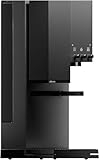
- 1. Three Levels of Automation for Any Skill Level: Choose from Autopilot, Copilot, or Free Solo mode. Autopilot handles the entire brewing process automatically. Copilot provides step-by-step guidance. Free Solo gives you full manual control. This coffee machine works for beginners and professional baristas alike.
- 2. Intuitive User Interface with Tactile Knobs and LED Matrix: The Studio features physical control knobs and a clear LED Matrix display. You can adjust grind size, water temperature, and flow rate in real time without navigating complicated touchscreen menus.
- 3. Full Customization via the xBloom App: Use the xBloom app to create, adjust, save, and share your favorite coffee recipes. Every brewing parameter can be fine-tuned and synced to the machine instantly. Your perfect cup is saved and repeatable.
- 4. Compostable xPod System for Minimal Waste and Maximum Flavor: Each xPod contains carefully selected whole beans and a built-in filter. Tap the recipe card, pour the beans into the grinder, place the pod into the dock, and press start. No capsules, no extra paper filters, no unnecessary waste.
- 5. What Is Included in the Box: The package includes the xBloom Studio, Omni Dripper 2 with Hyperflow Bottom, 10 paper filters, xPod Dock, Magnetic Dosing Cup, default recipe card, quick start guide, cleaning brush, universal power cord, and a 2-Year xbloom brand warranty. Everything you need is included—along with long-term peace of mind.
Water quality and temperature
Start with good water. Tap water can have off-flavors that really come through when chilled. Filtered water is your friend here. For brewing, your machine handles the temperature, usually aiming for around 195-205°F. That’s the sweet spot for extraction.
Grind size and coffee freshness
This is huge. For drip, a medium grind is usually best. Think coarse sand. Too fine, and it’ll clog and over-extract, tasting bitter. Too coarse, and it’ll be weak. Freshly roasted and ground beans are king. Grind right before you brew for the best flavor. Seriously, it’s a game-changer.
Coffee-to-water ratio
This is where we get serious about making it strong for iced coffee. Typically, you’re looking at a 1:15 to 1:18 coffee-to-water ratio for hot coffee. For iced, you want to double that strength. So, aim for something like 1:7 or 1:8. This means using roughly twice as much coffee for the same amount of water, or half the water for the same amount of coffee. We’ll get into the specifics.
Cleanliness/descale status
Nobody wants funky-tasting coffee, especially when it’s cold and the flavors are more pronounced. If your machine hasn’t been descaled in a while, or if the carafe looks grimy, give it a good clean. A clean machine means clean coffee. It’s that simple.
Step-by-step (brew workflow)
1. Measure your coffee beans. Use a scale for accuracy. For a strong brew, aim for about 1 part coffee to 7-8 parts water. Example: 60 grams of coffee for 480 ml (about 16 oz) of water.
- What “good” looks like: Even, consistent measurement.
- Common mistake: Guessing. This leads to inconsistent strength. Use a scale if you can.
Use a scale for accuracy. For a strong brew, aim for about 1 part coffee to 7-8 parts water. If you don’t have one, a coffee scale like this one will ensure you get the perfect ratio every time.

- Barista-Level Precision: A 0.1g high-precision sensor with a rapid refresh rate responds instantly to changes in weight, helping you achieve consistent results across espresso, pour over, drip coffee, Chemex, V60, and filter coffee brewing.
- Integrated Brew Timer: A built-in count-up and count-down timer tracks bloom, extraction, and espresso shots. Ideal for dialing in espresso, timing Chemex and V60 pour over recipes, or steeping tea. Auto-shutoff helps preserve battery life between brews.
- Durable Waterproof Silicone Cover: The heat-resistant, dishwasher-safe silicone cover helps protect the coffee scale's spacious 5.25" x 5.25" weighing surface from splashes, spills, and hot equipment. The grooved surface provides added stability and makes cleanup quick and easy.
- Versatile Measurement Options: Quick-tare and 6 unit options make it easy to weigh coffee beans, espresso shots, matcha portions, and more. Choose from g, ml, lb, lb:oz, oz, and fl oz for added flexibility in the kitchen and coffee bar.
- Intuitive Design: A bright dual-color LCD display clearly separates weight and timer readings, while simple controls make daily brewing easy. Includes 3 AAA batteries and is backed by 5 years of coverage, with support from our St. Louis-based team whenever you need a hand.
2. Grind your coffee beans. Use a medium grind, like coarse sand. Grind right before you brew.
- What “good” looks like: Uniform particle size.
- Common mistake: Using pre-ground coffee that’s too fine or too old.
3. Prepare your filter and brewer. Place your filter in the basket. If using a paper filter, rinse it with hot water to remove papery taste and preheat the brewer. Discard the rinse water.
- What “good” looks like: Filter is seated properly, no loose ends.
- Common mistake: Forgetting to rinse paper filters, leading to a papery taste.
4. Add grounds to the filter. Distribute them evenly.
- What “good” looks like: A level bed of coffee.
- Common mistake: Piling grounds on one side, causing uneven extraction.
5. Measure your brewing water. Use half the amount of water you normally would for your coffee dose. For our example, 480 ml (16 oz) of water.
- What “good” looks like: Accurate water measurement.
- Common mistake: Using the full amount of water and ending up with weak coffee.
6. Start the brew cycle. Pour the measured water into the reservoir. Turn on your drip coffee maker.
- What “good” looks like: Water is heated and flows through the grounds.
- Common mistake: Not waiting for the machine to fully heat the water before brewing begins.
7. Watch the bloom (optional but good). The first bit of coffee dripping out is the “bloom.” If your machine allows, pause it for 30 seconds after the first few drips to let the coffee degas.
- What “good” looks like: Coffee expands and bubbles.
- Common mistake: Not allowing the bloom, which can lead to a less complex flavor.
8. Let the coffee finish brewing. Allow the machine to complete its cycle.
- What “good” looks like: All the water has passed through the grounds.
- Common mistake: Removing the carafe too early, resulting in under-extracted coffee.
9. Prepare your serving glass. Fill a tall glass with ice. Use plenty of ice – you want it cold fast.
- What “good” looks like: Glass is packed with ice, ready to chill.
- Common mistake: Not using enough ice, leading to watered-down coffee.
Fill a tall glass with ice. Use plenty of ice – you want it cold fast. These stylish iced coffee glasses are perfect for serving your creation.
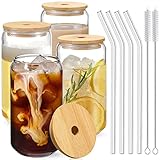
- PRODUCT CONFIGURATION: Drinking glass set includes 4 glass cups [ Diameter - 3 inches, Height - 5.6 inches ],4 nature bamboo lids, 4 reusable glass straws and 2 cleaning brushes, Classic design tumbler
- DURABLE and SAFE: The glasses are made of high-quality durable clear glass, Lead-free and BPA-free. It can be used safely for a long time. This thick clear glass can withstand the sudden changes in the temperature difference between -68°F to 212°F, making them dishwasher safe. If you want to decorate this glass, you can do DIY easily without breakage
- MULTI-PURPOSE: The glassware Great for any Occasion, any hot and cold drinks, home essentials. It is widely loved by families, kitchen, breweries, cafes, bars and restaurants. You can use it to make perfect tea, bubble Pearl Milk Tea, soda, water, iced coffee, smoothie, fruit juice or any other interesting holiday drinks
- AMAZING GIFT: This jar is very fashionable, aesthetic and characteristic. Excellent workmanship. Perfect Gifts for Women, House warming gifts, Tea mug Sets, Highball Glasses, Home Bar Accessories, Birthdays, Graduation, Weddings and Christmas Gifts
- SATISFIED SERVICE: This glass set is packaged in the heavy bubble holder and thick carton box to prevent damage while in transport. If the glass set you received was damaged or imperfect or you are not satisfied, we will offer a satisfactory solution
10. Pour hot coffee over ice. Immediately after brewing, pour the concentrated hot coffee directly over the ice in your glass.
- What “good” looks like: The hot coffee hits the ice and starts chilling rapidly.
- Common mistake: Letting the brewed coffee sit and cool down before pouring it over ice, which can mute flavors.
11. Stir and enjoy. Stir well to ensure it’s thoroughly chilled. Add milk, cream, or sweetener if you like.
- What “good” looks like: Coffee is cold and well-mixed.
- Common mistake: Not stirring enough, leaving pockets of warm coffee.
Common mistakes (and what happens if you ignore them)
| Mistake | What it causes | Fix |
|---|---|---|
| Using a normal hot coffee ratio | Weak, watery iced coffee that tastes like sad coffee. | Double your coffee dose or halve your water for brewing. |
| Using pre-ground coffee that’s too fine | Clogged filter, bitter, over-extracted taste. | Use a medium grind. If you must use pre-ground, choose a “drip” grind. |
| Not using enough ice | Coffee chills slowly, dilutes too much, tastes flat. | Fill your glass to the brim with ice. |
| Letting brewed coffee cool before chilling | Muted flavors, less vibrant taste. | Pour hot, concentrated coffee directly over ice immediately after brewing. |
| Using stale or poor-quality beans | Flat, dull, or off-tasting cold coffee. | Use freshly roasted, quality beans. Grind them just before brewing. |
| Improper water measurement | Inconsistent brew strength, either too weak or too strong. | Use a measuring cup or scale for your water. |
| Forgetting to rinse paper filters | Unpleasant papery taste in your coffee. | Briefly rinse the paper filter with hot water before adding grounds. |
| Brewing with a dirty machine | Off-flavors, metallic or stale taste. | Regularly clean and descale your coffee maker. |
| Not stirring the iced coffee well | Inconsistent temperature, some warm spots. | Stir vigorously until the coffee is uniformly cold. |
| Over-extracting (too long/too fine a grind) | Bitter, harsh iced coffee that’s hard to drink. | Dial in your grind size and brew time. Avoid over-packing the filter. |
Decision rules (simple if/then)
- If your iced coffee tastes weak, then increase your coffee dose or decrease your water for brewing because you need a more concentrated base.
- If your iced coffee tastes bitter, then check your grind size and make sure it’s not too fine, or reduce your coffee-to-water ratio slightly because over-extraction is the usual culprit.
- If your iced coffee tastes flat, then try using fresher beans or a different bean origin because stale or low-quality beans won’t shine when cold.
- If your iced coffee is too watery, then you likely didn’t use enough ice or your initial brew wasn’t concentrated enough because rapid chilling is key to minimizing dilution.
- If your iced coffee has a papery taste, then rinse your paper filter with hot water before brewing because this removes the papery residue.
- If your drip machine is slow or sputtering, then it’s time to descale because mineral buildup is likely the cause.
- If you want a bolder flavor, then consider using a metal filter if your machine supports it because metal filters allow more oils through.
- If you find your coffee is too acidic when cold, then try a darker roast or a slightly coarser grind because these can reduce perceived acidity.
- If you’re making a large batch, then consider brewing it stronger than usual, as ice will dilute it over time.
- If you taste off-flavors, then clean your carafe and brew basket thoroughly because residual oils can go rancid.
FAQ
Can I just brew hot coffee and put it in the fridge?
You can, but it’s not ideal. Coffee brewed for hot consumption will taste dull and muted when chilled slowly in the fridge. Brewing it strong and pouring it over ice immediately locks in more flavor.
How much ice should I use?
Fill your glass to the brim. The goal is to chill the concentrated coffee as fast as possible to minimize dilution. Think of the ice as part of your final beverage volume.
What kind of coffee beans are best for iced coffee?
Medium to dark roasts often work well because their bolder flavors hold up better when chilled. However, don’t shy away from trying lighter roasts if you enjoy their brighter notes; they can create a surprisingly refreshing iced coffee.
My iced coffee is too bitter. What did I do wrong?
Bitterness usually comes from over-extraction. This can be caused by too fine a grind, too much coffee for the water, or brewing too hot for too long. For iced coffee, focus on a medium grind and a concentrated brew ratio.
How do I make it less acidic?
Try a darker roast of coffee beans, or ensure your grind size isn’t too fine. You can also add a touch of baking soda (a tiny pinch!) to your grounds before brewing, as it can neutralize some acidity, but use sparingly.
Can I use a flavored coffee?
Absolutely. Flavored beans or even a dash of flavored syrup can be a great addition to your iced coffee. Just remember that the base coffee quality still matters.
What if I don’t have a scale?
You can use measuring cups, but it’s less precise. A good starting point for a strong brew is about 2 tablespoons of coffee grounds per 6 oz of water, but adjust to your taste.
What this page does NOT cover (and where to go next)
- Using other brewing methods like pour-over or French press for iced coffee.
- Specific recipes for flavored iced coffee drinks.
- Advanced techniques like cold brew concentrate.
- Detailed discussions on coffee bean origins and roast profiles.
- Troubleshooting specific drip coffee maker models.