
Brewing Iced Coffee Using Your Coffee Pot
Quick answer
- Use a strong brew ratio for your coffee grounds.
- Brew directly over ice or chill the hot coffee rapidly.
- Use good quality, fresh coffee beans.
- Filtered water makes a noticeable difference.
- Don’t skip the chilling step; lukewarm coffee is a bummer.
- Experiment with your favorite coffee-to-water ratios.
Who this is for
- Anyone who loves iced coffee but wants to make it at home.
- Coffee pot owners looking for a simple way to upgrade their summer drinks.
- People who want to avoid watered-down iced coffee.
What to check first
Brewer type and filter type
Most standard drip coffee makers work fine. Paper filters are common, but some folks prefer reusable metal ones. Either way, make sure your filter is seated correctly. A collapsed filter means a messy cleanup and weak coffee.
Most standard drip coffee makers work fine for brewing iced coffee. If you’re in the market for a new one, consider a reliable drip coffee maker like this one to ensure consistent results.
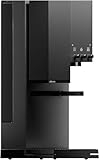
- 1. Three Levels of Automation for Any Skill Level: Choose from Autopilot, Copilot, or Free Solo mode. Autopilot handles the entire brewing process automatically. Copilot provides step-by-step guidance. Free Solo gives you full manual control. This coffee machine works for beginners and professional baristas alike.
- 2. Intuitive User Interface with Tactile Knobs and LED Matrix: The Studio features physical control knobs and a clear LED Matrix display. You can adjust grind size, water temperature, and flow rate in real time without navigating complicated touchscreen menus.
- 3. Full Customization via the xBloom App: Use the xBloom app to create, adjust, save, and share your favorite coffee recipes. Every brewing parameter can be fine-tuned and synced to the machine instantly. Your perfect cup is saved and repeatable.
- 4. Compostable xPod System for Minimal Waste and Maximum Flavor: Each xPod contains carefully selected whole beans and a built-in filter. Tap the recipe card, pour the beans into the grinder, place the pod into the dock, and press start. No capsules, no extra paper filters, no unnecessary waste.
- 5. What Is Included in the Box: The package includes the xBloom Studio, Omni Dripper 2 with Hyperflow Bottom, 10 paper filters, xPod Dock, Magnetic Dosing Cup, default recipe card, quick start guide, cleaning brush, and universal power cord. Everything you need is included.
Water quality and temperature
Tap water can have off-flavors. Filtered water is usually best. For iced coffee, you’ll be using a lot of ice, so the starting water temperature for brewing isn’t as critical as for hot coffee, but your machine will heat it up anyway. Just make sure it’s clean.
Grind size and coffee freshness
A medium grind is generally good for drip coffee makers. Too fine and it might clog; too coarse and the coffee will be weak. Freshly ground beans are king. Pre-ground stuff loses flavor fast. Check the roast date if you can.
Coffee-to-water ratio
This is key for iced coffee. You need more coffee grounds than usual to compensate for the melting ice. A good starting point is often double the amount of coffee you’d use for the same volume of hot coffee. We’ll get into specifics later.
Cleanliness/descale status
A dirty coffee pot is a flavor killer. Coffee oils build up. Scale from hard water can clog things. Run a cleaning cycle or descale your machine regularly. It’s a simple step that pays off big time.
Step-by-step (brew workflow)
1. Gather your gear: You’ll need your coffee maker, fresh coffee beans, a grinder, filtered water, and plenty of ice. A large pitcher or carafe is also handy.
- What “good” looks like: Everything is clean and ready to go. No last-minute scrambling.
- Common mistake: Forgetting to buy enough ice. You’ll be sad. Plan ahead.
You’ll need plenty of ice for this method. Having a good set of ice cube trays on hand ensures you’re never caught without enough to chill your coffee properly.
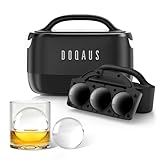
- ✅ Achieve Bar-Quality Clarity with Directional Freezing: Stop settling for cloudy, bubble-filled ice. Our clear ice cube maker utilizes advanced physics to push impurities away, creating 3 crystal-clear spheres and 4 cubes per cycle. It is the secret weapon for the home mixologist wanting presentation-ready drinks without expensive machinery.
- ✅ Preserve Complex Flavors with Slow Dilution: Designed for the purist, this whiskey ice cubes mold produces dense, 2.5-inch ice that melts 40% slower than standard ice. Enjoy your single malt or bourbon chilled but undiluted, ensuring the aromatic profile remains distinct from the first sip to the last.
- ✅ Effortless Release with Premium Hybrid Design: Unlike rigid plastic trays that crack, our flexible silicone ice ball maker mold ensures smooth removal. The non-stick material lets you pop out perfect shapes instantly, making drink preparation seamless for relaxing solo evenings or busy gatherings.
- ✅ Versatile 2-in-1 Capacity for Entertaining: Hosting a cocktail night? This round ice cube mold creates 7 pieces simultaneously, catering to different glass styles. Whether serving an Old Fashioned (sphere) or a Negroni (cube), you will have the right ice shape ready for every guest's preference.
- ✅ The Sophisticated Choice for Gifting: More than just a standard ice mold, this clear ice system is an essential upgrade for any wet bar. Packaged to impress, it creates a tangible experience, making it an ideal gift for fathers, partners, or enthusiasts who value the ritual of a perfectly poured drink.
2. Measure your ice: Fill your carafe or pitcher about halfway with ice. This is where a good chunk of your “water” volume will come from.
- What “good” looks like: A solid base of ice that won’t melt too quickly during brewing.
- Common mistake: Not using enough ice. Your coffee will be weak and lukewarm.
3. Grind your coffee: Grind your beans to a medium consistency. For iced coffee, you want to use more grounds than usual. A good starting point is about 1.5 to 2 times the normal amount.
- What “good” looks like: Freshly ground coffee with a consistent texture.
- Common mistake: Using pre-ground coffee that’s been sitting around. It loses its punch.
4. Add coffee grounds: Place your filter in the basket and add the measured coffee grounds. Make sure the grounds are distributed evenly.
- What “good” looks like: A level bed of coffee grounds ready for water.
- Common mistake: Tamping down the grounds too much. This can lead to uneven extraction and overflow.
5. Add water to the reservoir: Now, add cold, filtered water to the coffee maker’s reservoir. Here’s the trick: you’ll add less water than you normally would for a full pot, because the ice will melt and add volume. For a 10-cup pot, you might only add 4-5 cups of water.
- What “good” looks like: The water level is within the machine’s range, accounting for the ice.
- Common mistake: Adding the full amount of water. This will dilute your coffee way too much.
6. Start brewing: Turn on your coffee maker. The hot coffee will drip directly onto the ice.
- What “good” looks like: Hot coffee steadily dripping into the ice-filled carafe.
- Common mistake: Not letting the machine finish its cycle. You need the full brew.
7. Observe the melt: Watch as the hot coffee melts the ice. This rapid chilling is what helps preserve flavor.
- What “good” looks like: The ice is melting, and the coffee is cooling down quickly.
- Common mistake: Letting the brewed coffee sit around before chilling. It loses its freshness.
8. Stir and chill further (optional but recommended): Once brewing is complete, give the coffee a good stir. If it’s still a bit too warm, you can add a few more ice cubes to the carafe and let it chill in the fridge for a bit.
- What “good” looks like: A well-mixed, cool beverage ready to serve.
- Common mistake: Serving it immediately if it’s still too hot. Patience pays off.
9. Serve: Pour your freshly brewed iced coffee over a glass filled with fresh ice. Add your favorite milk, cream, or sweetener.
- What “good” looks like: A delicious, refreshing glass of iced coffee.
- Common mistake: Using the same ice you brewed with. It’s watered down.
Common mistakes (and what happens if you ignore them)
| Mistake | What it causes | Fix |
|---|---|---|
| Not using enough coffee grounds | Watery, weak, and bland iced coffee | Increase coffee grounds by 50-100% for the amount of water used. |
| Using too much water in the reservoir | Diluted coffee due to over-reliance on ice melt | Reduce water in the reservoir to compensate for ice volume. |
| Brewing with lukewarm coffee | Flat taste, doesn’t get properly chilled | Brew directly over ice or chill hot coffee immediately. |
| Using stale or pre-ground coffee | Lack of fresh, vibrant flavor | Use freshly roasted beans and grind them just before brewing. |
| Not cleaning the coffee maker regularly | Bitter, off-flavors and potential clogging | Descale and clean your machine according to manufacturer instructions. |
| Grinding coffee too fine or too coarse | Over-extraction (bitter) or under-extraction (weak) | Use a medium grind for drip coffee makers. |
| Not chilling the coffee quickly enough | Oxidized flavor, less bright taste | Brew directly over ice or use an ice bath for the carafe. |
| Not using filtered water | Unpleasant mineral or chlorine tastes | Use filtered water for a cleaner, purer coffee flavor. |
| Not letting the brew cycle complete | Incomplete extraction, weak coffee | Wait until the coffee maker finishes its brewing cycle. |
| Using old, melted ice from brewing | Watered-down final drink | Serve over fresh ice in your glass. |
Decision rules (simple if/then)
- If your iced coffee tastes weak, then increase your coffee-to-water ratio because you need more coffee solids to stand up to the ice.
- If your iced coffee tastes bitter, then check your grind size; it might be too fine, or you might be over-extracting.
- If your iced coffee tastes flat, then ensure you are using fresh coffee beans and grinding them right before brewing.
- If your iced coffee is not cold enough, then use more ice in the carafe during brewing or chill it longer in the fridge.
- If you notice off-flavors, then clean your coffee maker and use filtered water because old coffee oils and tap water impurities can ruin the taste.
- If you’re brewing a large batch, then plan to use significantly more coffee grounds than you would for hot coffee.
- If your coffee maker seems to be sputtering or brewing slowly, then it’s time to descale it because mineral buildup is likely the cause.
- If you’re in a rush, then consider a cold brew method instead, as it requires less immediate attention, though it takes longer overall.
- If your coffee maker has a “brew strength” setting, then use the strongest setting for iced coffee to maximize flavor.
- If you want to avoid a mess, then make sure your filter is properly seated before you start brewing.
- If your coffee tastes sour, then your grind might be too coarse, or your water temperature might be too low during brewing.
FAQ
Can I just brew hot coffee and pour it over ice?
Yes, but it’s usually not ideal. The hot coffee melts the ice too fast, leading to a watered-down flavor. Brewing directly over ice or chilling rapidly is better.
How much coffee should I use for iced coffee?
A good rule of thumb is to use 1.5 to 2 times the amount of coffee grounds you would normally use for the same volume of hot coffee. This compensates for the dilution from melting ice.
Does the type of coffee bean matter for iced coffee?
Absolutely. Medium to dark roasts often work well, as their bolder flavors can stand up to the ice and any additions like milk or sugar. Experiment to find what you like.
What’s the best way to chill hot coffee quickly?
Brewing directly over ice is the best method. If you’ve already brewed hot coffee, you can pour it into a metal pitcher and place that pitcher in an ice bath. Stirring helps speed up the cooling.
Why does my iced coffee taste weak?
This is usually because you didn’t use enough coffee grounds relative to the amount of ice, or you didn’t reduce the amount of water in the reservoir enough. The ice melts and dilutes it.
Can I use a reusable metal filter for iced coffee?
Yes, you can. Just be aware that metal filters can sometimes let more fine particles through than paper filters, which might affect the clarity and mouthfeel of your iced coffee.
How long does homemade iced coffee last?
It’s best enjoyed fresh, within a day or two. After that, the flavors can start to degrade. Store it in an airtight container in the refrigerator.
Is there a difference between iced coffee and cold brew?
Yes. Iced coffee is typically hot coffee that’s been chilled. Cold brew is made by steeping coffee grounds in cold water for a long period (12-24 hours), resulting in a smoother, less acidic concentrate.
What this page does NOT cover (and where to go next)
- Detailed cold brew methods (this is for drip coffee makers).
- Specific recipes for flavored iced coffees or coffee cocktails.
- Advanced espresso-based iced drinks like iced lattes or cappuccinos.
- Comparisons of different coffee maker brands or models.