
Making A White Russian With Coffee
Quick answer
- Yes, you can make a White Russian with coffee, and it’s a delicious variation.
- The key is to use a strong, cold coffee, like cold brew or espresso.
- Ensure your coffee is well-chilled to prevent diluting the drink.
- Adjust the coffee strength and sweetness to your personal taste.
- A good quality vodka and creamy liqueur are essential for the classic White Russian base.
- Serve over ice for the best texture and temperature.
Who this is for
- Home cocktail enthusiasts looking to experiment with classic recipes.
- Coffee lovers who enjoy incorporating their favorite beverage into mixed drinks.
- Anyone seeking a simple yet sophisticated cocktail for entertaining or personal enjoyment.
What to check first
- Brewer type and filter type: For this cocktail, the brewing method matters more for strength and flavor profile. Espresso machines and cold brew makers are excellent choices for a concentrated coffee flavor. If using a drip machine, opt for a coarser grind and a longer brew time to achieve a stronger coffee. Paper filters are standard, but metal filters can allow more oils through, potentially adding richness.
- Water quality and temperature: While the coffee is chilled for the final drink, the brewing water quality is still important. Use filtered water to avoid off-flavors from tap water. The brewing temperature itself will depend on your method; for most hot brewing methods, aim for water around 195-205°F (90-96°C). For cold brew, room temperature or slightly cooler water is used over a much longer steeping period.
- Grind size and coffee freshness: For espresso, a very fine grind is crucial. For cold brew, a coarse grind is ideal to prevent over-extraction and bitterness. Freshly ground coffee beans will always yield the best flavor. If using pre-ground, ensure it’s stored in an airtight container away from light and heat.
- Coffee-to-water ratio: This is critical for achieving the desired coffee intensity. For a strong coffee base for your White Russian, consider a ratio of 1:4 or 1:5 (coffee grounds to water) for hot brew, or even stronger for cold brew (e.g., 1:4 or 1:3 for a concentrate that you’ll dilute). Experimentation is key here, as coffee bean types and personal preference vary greatly.
- Cleanliness/descale status: A clean coffee maker and brewing equipment are paramount for any good coffee, including coffee used in cocktails. Residue from previous brews can impart bitter or stale flavors. Regularly clean your coffee maker according to the manufacturer’s instructions, paying attention to the brew basket, carafe, and any internal components. Descaling, especially if you have hard water, is also important for maintaining optimal performance and taste.
Step-by-step (brew workflow)
1. Prepare your coffee: Brew a strong batch of coffee. For a White Russian, cold brew or a double shot of espresso are excellent choices because they are concentrated and served cold.
- What “good” looks like: You have a rich, flavorful coffee that is intensely brewed.
- Common mistake: Brewing a weak or watery coffee.
- How to avoid it: Use a higher coffee-to-water ratio than you would for a standard cup, or double up on espresso shots.
2. Chill the coffee: Once brewed, allow the coffee to cool to room temperature, then refrigerate it until thoroughly chilled.
- What “good” looks like: The coffee is cold to the touch, not just lukewarm.
- Common mistake: Adding warm coffee to the cocktail, which melts the ice too quickly.
- How to avoid it: Plan ahead and ensure your coffee has at least 2-3 hours to chill in the refrigerator.
3. Gather your ingredients: You’ll need vodka, coffee liqueur (like Kahlúa), heavy cream or half-and-half, and your chilled strong coffee.
- What “good” looks like: All components are measured and ready for assembly.
- Common mistake: Not having ingredients ready, leading to rushed mixing.
- How to avoid it: Measure out your liquids before you start building the drink.
4. Select your glass: Choose a rocks glass or an old-fashioned glass.
- What “good” looks like: A sturdy glass suitable for cocktails.
- Common mistake: Using a tall, narrow glass that doesn’t allow for proper chilling and dilution.
- How to avoid it: Opt for a wider glass that accommodates ice and allows for swirling.
5. Add ice: Fill the chosen glass generously with ice cubes.
- What “good” looks like: The glass is nearly full of ice, ensuring a cold drink.
- Common mistake: Using too few ice cubes, resulting in a drink that warms up too fast.
- How to avoid it: Don’t be shy with the ice; more ice means less dilution over time.
6. Pour the vodka: Add 2 oz of your preferred vodka to the glass.
- What “good” looks like: The vodka is cleanly poured into the glass over the ice.
- Common mistake: Over-pouring or under-pouring the vodka, throwing off the balance.
- How to avoid it: Use a jigger or measuring tool for accuracy.
7. Add the coffee liqueur: Pour 1 oz of coffee liqueur into the glass.
- What “good” looks like: The coffee liqueur is added, complementing the vodka.
- Common mistake: Forgetting the coffee liqueur or using a substitute that changes the flavor profile too much.
- How to avoid it: Ensure you have a quality coffee liqueur on hand.
8. Add the chilled coffee: Pour 1 oz of your prepared, chilled strong coffee into the glass.
- What “good” looks like: The coffee mixes with the spirits, creating a layered or blended effect.
- Common mistake: Using lukewarm coffee.
- How to avoid it: Double-check that your coffee has been properly chilled.
9. Top with cream: Gently float 1 oz of heavy cream or half-and-half over the back of a spoon onto the surface of the drink.
- What “good” looks like: A distinct creamy layer forms on top.
- Common mistake: Pouring the cream too quickly, causing it to mix in prematurely.
- How to avoid it: Use the back of a spoon held just above the liquid to slow the cream’s descent.
10. Stir (optional): You can stir the drink gently to combine the layers, or leave it layered for visual appeal.
- What “good” looks like: The drink is either a uniform creamy brown or has distinct layers.
- Common mistake: Stirring too vigorously, which can break the cream layer too early.
- How to avoid it: Stir gently with a bar spoon, or allow the drinker to stir themselves.
For the classic White Russian base, a good quality coffee liqueur is essential. Kahlúa is a popular choice and widely available.
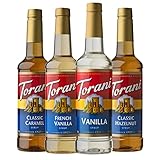
- Coffee Flavor Variety Pack: Perfect for making your own flavored lattes, mochas, cappuccinos and more, this variety pack includes 1 bottle of each: Caramel, French Vanilla, Vanilla and Hazelnut
- Flavoring Syrups: Made with pure cane sugar, natural flavors and cold-filtered water, Torani Original Syrups provide gold-standard flavors and vibrant colors to create amazing drink experiences
- Authentic Coffeehouse Flavor: From caramel to French vanilla to hazelnut—and everything in between—our syrups and sauces are here to help you create tantalizing lattes, cappuccinos, cold brews and frappes
- Find Your Recipe: We are here to help you create tantalizing drinks for every taste, occasion, and mood; Mix up some magic with caramel, lavender, pumpkin pie, hazelnut, chocolate, and many more flavors
- Flavor For All: Discover how Torani can help you make truly creative flavored teas, lemonades, smoothies, milkshakes, Italian sodas, coffees, cocktails, mocktails, snow cones, sparkling waters and more
Common mistakes (and what happens if you ignore them)
| Mistake | What it causes | Fix |
|---|---|---|
| Using hot or lukewarm coffee | Melts ice too quickly, diluting the drink and making it watery. | Chill coffee thoroughly before adding to the drink. |
| Brewing weak coffee | Results in a muted coffee flavor that gets lost among the other ingredients. | Use a stronger coffee-to-water ratio or a more concentrated brewing method (espresso, cold brew). |
| Using stale coffee beans | Leads to a flat, bitter, or uninspired coffee flavor. | Use freshly roasted and freshly ground coffee beans. |
| Over-diluting with ice | The drink becomes watery and lacks the intended richness and flavor intensity. | Use ample ice and avoid over-stirring once assembled. |
| Incorrect coffee-to-water ratio for brew | Can lead to bitterness (too fine a grind/too long a brew) or weak flavor. | Adjust grind size and brew time based on your chosen brewing method. |
| Not cleaning coffee equipment | Imparts off-flavors and bitterness from old coffee oils and residue. | Clean your coffee maker and brewing tools regularly. |
| Using tap water with strong mineral content | Can affect coffee flavor and lead to scale buildup in equipment. | Use filtered water for brewing coffee. |
| Inaccurate ingredient measurements | Unbalanced flavor profile; too boozy, too sweet, or not enough coffee. | Use a jigger or measuring cups for precise pours. |
| Adding cream too quickly | The cream mixes in too soon, preventing a visually appealing layered effect. | Float the cream gently over the back of a spoon. |
Decision rules (simple if/then)
- If you prefer a less sweet drink, then reduce the amount of coffee liqueur because it’s the primary sweetener.
- If your coffee tastes bitter, then try a coarser grind or a shorter brew time for your next batch because over-extraction causes bitterness.
- If you want a richer texture, then use heavy cream instead of half-and-half because it has a higher fat content.
- If you don’t have coffee liqueur, then use a simple syrup infused with coffee flavor or a very strong, sweet coffee because coffee liqueur provides both sweetness and coffee notes.
- If you want to speed up the chilling process for your coffee, then pour it into a metal container and place it in an ice bath because metal transfers heat more quickly than glass.
- If you find the drink too strong, then add a little more cream or a splash of cold water because these will mellow out the alcohol’s intensity.
- If you are using a French press, then ensure your grind is coarse because a fine grind will result in sediment in your drink.
- If you want to experiment with different coffee flavors, then try single-origin beans with distinct tasting notes because this can add complexity to your cocktail.
- If you’re making a large batch, then prepare the coffee base (vodka, coffee liqueur, coffee) in a pitcher and add cream individually to each glass for better control over the final presentation.
- If you want to avoid a watery drink, then use large ice cubes or spheres because they melt more slowly.
- If you have a sensitive palate, then use a neutral vodka so it doesn’t compete with the coffee and cream flavors.
- If you want a less alcoholic version, then increase the coffee and cream ratio and slightly decrease the vodka because this will dilute the alcohol.
FAQ
Can I use regular brewed coffee instead of cold brew or espresso?
Yes, you can, but it’s best to brew it extra strong and chill it thoroughly. A standard drip coffee might be too diluted and not provide enough coffee flavor against the other ingredients.
What kind of coffee liqueur is best?
Kahlúa is the most common and widely available, but many other brands offer excellent coffee liqueurs. Some are sweeter, while others have a more pronounced coffee flavor. Experiment to find your preference.
Can I make a White Russian with coffee ahead of time?
You can prepare the coffee and measure out your spirits, but it’s best to assemble the drink just before serving. Floating the cream is easiest when done immediately before enjoying.
What happens if I use milk instead of cream?
Using milk will result in a thinner, less creamy texture and a less rich flavor. It can also curdle if not handled carefully. Half-and-half is a good compromise if you want something lighter than heavy cream.
Is there a non-alcoholic version of this drink?
Absolutely! Omit the vodka and coffee liqueur. Use a strong, chilled coffee, and top with cream or a dairy-free alternative. You might want to add a touch of simple syrup or a coffee-flavored syrup for sweetness.
How do I get the layered look?
The key is to pour the cream very slowly over the back of a spoon held just above the surface of the liquid. This allows the cream to float on top rather than immediately mixing in.
Can I use flavored coffee?
You can, but be mindful of how the flavor will interact with the vodka and coffee liqueur. A vanilla or hazelnut coffee might complement the drink, while a fruity or spiced coffee could create an unexpected flavor profile.
What’s the difference between a White Russian and a Black Russian?
A Black Russian is simply vodka and coffee liqueur, served over ice. A White Russian adds cream or half-and-half to this base, making it a creamier, richer drink.
What this page does NOT cover (and where to go next)
- Specific brand recommendations for vodka, coffee liqueur, or cream.
- Detailed recipes for making your own coffee liqueur.
- Advanced cocktail techniques like shaking or double-straining for this particular drink.
- Nutritional information or calorie counts for the cocktail.
- The history of the White Russian cocktail.