
How To Make A Coffee Smoothie That’s Frozen
Quick Answer
- Use cold brew concentrate or chilled espresso for the coffee base.
- Freeze ripe bananas or other fruit for creaminess and chill.
- Blend in your favorite thickeners like yogurt, avocado, or nut butter.
- Add sweeteners and flavorings before blending to taste.
- Start with less liquid and add more as needed for desired consistency.
- Use a powerful blender for a smooth, icy texture.
Who This Is For
- Anyone who loves a cold, caffeinated kickstart to their day.
- Folks looking for a quick and easy breakfast or snack option.
- Coffee enthusiasts who want to experiment beyond a standard cup.
What To Check First
Brewer Type and Filter Type
This isn’t about brewing hot coffee for your smoothie. You’ll likely use pre-made cold brew concentrate or chilled espresso. If you’re making your own cold brew, a fine-mesh filter or cheesecloth is key to avoid sediment. For espresso, a good machine or a reliable stovetop model works. The goal is smooth, clean coffee flavor.
Water Quality and Temperature
For cold brew, use filtered water. It makes a noticeable difference in taste. The coffee itself needs to be cold, so make sure it’s fully chilled before blending. No one wants a lukewarm smoothie.
Grind Size and Coffee Freshness
If you’re brewing your own cold brew, a coarse grind is usually recommended. This helps prevent over-extraction and bitterness. For espresso, a fine grind is standard. Always use freshly roasted beans if possible. Stale coffee just won’t cut it for a vibrant smoothie.
Coffee-to-Water Ratio
This depends on your brewing method. For cold brew, a common starting point is a 1:4 ratio of coffee grounds to water. For espresso, it’s much more concentrated. For the smoothie itself, you’re not really brewing, but the coffee concentrate to other ingredients ratio is key. Aim for a strong coffee flavor without overwhelming the other ingredients.
Cleanliness/Descale Status
Make sure your blender is clean. Old smoothie residue can ruin the fresh taste. If you’re using an espresso machine for your base, ensure it’s descaled. Grimy equipment is a no-go for delicious drinks.
Step-by-Step: Crafting Your Frozen Coffee Smoothie
1. Prepare Your Coffee Base: Brew strong coffee (like espresso) or make cold brew concentrate. Chill it completely.
- Good looks like: A concentrated, smooth coffee liquid, cold to the touch.
- Common mistake: Using hot coffee. Avoid this by chilling thoroughly.
2. Freeze Your Fruit: Peel and chop ripe bananas or other smoothie-friendly fruits (berries, mango). Freeze them solid on a baking sheet before transferring to a freezer bag.
- Good looks like: Hard, frozen fruit chunks.
- Common mistake: Not freezing long enough. They need to be rock solid for that icy texture.
For convenience, consider buying pre-frozen banana slices, which can save you prep time. Just make sure they are ripe before freezing for the best flavor.
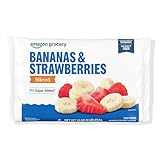
- Good Source of Fiber
- Product Note: Exposure to heat or sunlight may lead to melting/damage of product. Hence customers are expected to be available during the product delivery
- Excellent Source of Vitamin C
- Kosher
- An Amazon brand
3. Gather Other Ingredients: Have your chosen thickeners (yogurt, nut butter, avocado), sweeteners (maple syrup, dates), and flavorings (cocoa powder, vanilla extract) ready.
- Good looks like: All your add-ins prepped and within reach.
- Common mistake: Forgetting a key ingredient. Double-check your recipe.
4. Add Liquids First: Pour your chilled coffee base and any other liquids (like milk or yogurt) into the blender.
- Good looks like: Liquids at the bottom, ready to help the blades spin.
- Common mistake: Adding frozen ingredients first. This can jam your blender.
5. Add Frozen Fruit and Thickeners: Toss in your frozen fruit and any other thickeners like nut butter or avocado.
- Good looks like: A colorful mix of frozen solids on top of the liquids.
- Common mistake: Overfilling the blender. Leave some room for blending.
6. Add Flavorings and Sweeteners: Add your cocoa powder, vanilla, spices, or sweeteners now.
- Good looks like: All the flavor boosters are in the mix.
- Common mistake: Adding too much sweetener initially. You can always add more later.
7. Start Blending: Begin blending on a low speed, gradually increasing to high. Use the tamper if your blender has one to push ingredients down.
- Good looks like: A vortex forming in the blender, with ingredients being smoothly incorporated.
- Common mistake: Blending too short. Be patient for that smooth texture.
8. Adjust Consistency: If the smoothie is too thick, add a tablespoon or two of liquid (coffee, milk, water) at a time and blend again. If it’s too thin, add more frozen fruit or a few ice cubes.
- Good looks like: A thick, spoonable consistency that’s not too runny or too stiff.
- Common mistake: Adding too much liquid at once. Go slow.
9. Taste and Adjust: Give it a taste. Need more sweetness? A bit more coffee flavor? Add and blend briefly.
- Good looks like: The perfect balance of coffee, sweetness, and creaminess.
- Common mistake: Not tasting. You might miss the chance to perfect it.
10. Serve Immediately: Pour into a glass and enjoy your frozen coffee creation.
- Good looks like: A frosty, delicious smoothie ready to be devoured.
- Common mistake: Letting it sit too long. It will start to melt.
Common Mistakes (and What Happens If You Ignore Them)
| Mistake | What It Causes | Fix |
|---|---|---|
| Using hot or warm coffee | Watery, melted smoothie; diluted flavor | Chill coffee thoroughly; use cold brew concentrate or chilled espresso. |
| Not freezing fruit enough | Chunky, icy texture; smoothie won’t thicken | Freeze fruit until completely solid; use a high-powered blender. |
| Adding liquids last | Blender struggles to start; uneven blending | Add liquids first to help blades move freely. |
| Overfilling the blender | Poor blending; potential for spills | Blend in batches if necessary; leave headspace. |
| Using stale coffee | Flat, uninspired coffee flavor | Use fresh, quality coffee beans; brew fresh or use good concentrate. |
| Too much sweetener initially | Overly sweet smoothie; hard to fix | Add sweetener gradually and taste as you go. |
| Not cleaning the blender | Off-flavors from previous batches | Rinse blender immediately after use; deep clean regularly. |
| Not using enough coffee concentrate | Weak coffee flavor; tastes more like a regular shake | Start with a good coffee-to-other-ingredients ratio; adjust to taste. |
| Using ice cubes instead of frozen fruit | Watery texture; less creamy and flavorful | Prioritize frozen fruit for creaminess and intense flavor. |
| Blending for too short a time | Gritty or uneven texture | Be patient; blend until completely smooth and uniform. |
Decision Rules
- If your smoothie is too thick, then add a small amount of liquid (coffee, milk, or water) because you need more flow for blending.
- If your smoothie is too thin, then add more frozen fruit or a few ice cubes because you need more solids to thicken it.
- If the coffee flavor is too weak, then add more cold brew concentrate or espresso because you need a stronger coffee base.
- If the smoothie is not sweet enough, then add a teaspoon of your preferred sweetener (maple syrup, honey, dates) because you can always add more.
- If your blender is struggling, then stop and add a bit more liquid or break up the frozen ingredients because you don’t want to burn out the motor.
- If you want a richer, creamier texture, then add half an avocado or a spoonful of nut butter because these ingredients add body and healthy fats.
- If you want a dairy-free option, then use plant-based milk (almond, oat, soy) and dairy-free yogurt because these substitute well for dairy.
- If you’re sensitive to caffeine, then use decaf espresso or cold brew because you can still get the coffee flavor without the jitters.
- If you want to add a boost of protein, then add a scoop of your favorite protein powder because it makes the smoothie more filling.
- If your fruit isn’t blending well, then let it thaw for a minute or two or use the blender’s tamper because sometimes frozen items need a little help.
- If the smoothie tastes bland, then add a pinch of salt or a dash of vanilla extract because these can enhance other flavors.
FAQ
Q: Can I use regular brewed coffee instead of cold brew or espresso?
A: You can, but it’s best to chill it completely first. Hot coffee will melt your frozen ingredients and make the smoothie watery. Cold brew or espresso offers a more concentrated flavor.
Q: What’s the best way to get a super thick, icy texture?
A: Use plenty of frozen fruit, especially bananas. Also, start with the least amount of liquid possible and only add more as needed to get the blender going. A high-powered blender helps a lot here.
Q: How can I make my coffee smoothie healthier?
A: Add healthy fats like avocado or nut butter, boost fiber with chia seeds or flax seeds, and use natural sweeteners like dates or a minimal amount of maple syrup. Greek yogurt also adds protein.
Q: What kind of coffee works best for a smoothie?
A: Cold brew concentrate or chilled espresso are ideal. They provide a strong, smooth coffee flavor without adding too much liquid or heat.
Q: Can I add vegetables to my coffee smoothie?
A: Absolutely! Spinach is a popular choice as its flavor is easily masked by coffee and fruit. A small amount of cooked and cooled zucchini can also add creaminess without much flavor.
Q: How much coffee should I use?
A: This is a matter of taste. Start with about 1/2 cup of cold brew concentrate or 1-2 shots of espresso per serving. You can always add more if you want a stronger coffee kick.
Q: My smoothie is too bitter. What did I do wrong?
A: Bitterness often comes from over-extracted coffee. Ensure you’re using a coarse grind for cold brew and not brewing for too long. Also, check if your coffee beans are very dark roast, which can sometimes be more bitter.
Q: How do I avoid ice crystals in my smoothie?
A: This is usually due to using too much plain ice or not enough creamy ingredients. Frozen fruit, yogurt, or avocado help create a smoother texture than ice alone.
What This Page Does Not Cover (And Where To Go Next)
- Detailed recipes for specific coffee smoothie flavors (e.g., mocha, caramel).
- Advanced cold brew techniques or espresso machine maintenance.
- Nutritional breakdowns for specific ingredient combinations.
- How to make coffee-flavored ice cream or other frozen desserts.
- Specific recommendations for blender brands or models.