
Blending an Iced Coffee Smoothie
Quick answer
- Chill your coffee beforehand. It’s the foundation.
- Use frozen fruit for thickness, not just ice. Bananas and berries work great.
- Sweeten to taste, but start light. You can always add more.
- Blend until smooth, but don’t over-blend and make it watery.
- Add a splash of milk or cream for richness. Dairy or non-dairy, your call.
- Consider a thickener like Greek yogurt or a spoonful of nut butter.
Who this is for
- Anyone craving a cool, caffeinated treat on a warm day.
- Coffee lovers who want to mix things up beyond a regular cold brew.
- Busy folks needing a quick breakfast or afternoon pick-me-up that’s more substantial than just coffee.
What to check first
Coffee Base
Your coffee is key here. Did you brew it strong and chill it down? A lukewarm base will melt your ice and dilute the flavor. Cold brew concentrate or strong-brewed coffee that’s been refrigerated is your best bet.
Sweeteners and Flavorings
What are you using to sweeten? Sugar, syrup, honey? Make sure it’s something that dissolves well, especially in cold liquids. Think about any other flavors you want to add – vanilla extract, cocoa powder, cinnamon. Have them ready.
Consider using a sugar substitute for a low-calorie option, or a natural sweetener like maple syrup for a richer flavor. Having a variety of sweeteners on hand allows for customization.
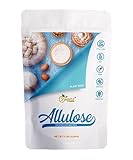
- 【AMAZING TASTE AND CALORIE-FREE】 Allulose is a monosaccharide or simple sugar that naturally exists in some fruits. It closely resembles the flavor of regular sugar but without any unpleasant aftertaste. Allulose is about 70% as sweet as sugar, but contains less than 10% of the calories found in sucrose, making it virtually calorie-free while still providing the natural sweetness of sugar.
- 【GREAT TEXTURE, VOLUME, AND CARAMELIZATION】 Allulose virtually replicates the texture and volume of sugar, while also demonstrating similar caramelization and thickening properties when used in baking and cooking. These exceptional characteristics set allulose apart as an excellent ingredient for achieving desired outcomes in a wide range of culinary applications that align with your healthy lifestyle.
- 【MORE ALLULOSE BLENDS】 Going beyond Allulose, G-Sweetz Allulose sweeteners broaden your options by blending with a variety of intensive sweeteners such as Monk Fruit extract, Stevia Extract, a combination of both, or the classic sucralose. Each sweetener series, derived from Allulose blends, provides a range of sweetness levels from 1X to 20X, ensuring both your sweet tooth and budget are perfectly catered to!
- 【HEALTHY CHOICES】 Upgrade your sweet experience with a sugary-tasting sweetener that's Keto-friendly, containing 0 net carbs. Our allulose is derived from natural ingredients and is free of GMOs, additives, artificial flavors, soy, and gluten. This sweetener is also vegan-friendly, tooth-friendly, and has zero sugar. Enjoy its delicious taste without worrying about any negative side effects.
- 【US QUALITY】 Our products are made and tested in accordance with approved product standards. Our facilities are registered with the FDA and comply with the regulations and licensing requirements of the New Jersey Department of Health and Earth Kosher. For any product inquiries, our US-based live support team is available to assist you.
Frozen Elements
Are your fruits frozen solid? This is crucial for that thick, smoothie texture. If your fruit is just cold, you’ll end up with a watery drink. Make sure your ice is also ready to go.
Dairy/Non-Dairy Options
Decide on your liquid base for blending. Milk, almond milk, oat milk, or even just water can work. Have it handy and chilled.
Add-ins for Texture
If you’re going for extra creaminess or protein, have your Greek yogurt, nut butter, or protein powder prepped and measured.
Step-by-step (brew workflow)
1. Brew and Chill Coffee: Brew a strong batch of coffee or cold brew concentrate. Let it cool completely, then chill it in the fridge for at least a few hours, or overnight.
- Good looks like: Cold, concentrated coffee. No steam rising.
- Common mistake: Using hot or warm coffee. This melts everything and makes a weak smoothie. Avoid by planning ahead.
2. Prepare Frozen Fruit: Wash and chop any fresh fruit you’re using, then freeze it in a single layer on a baking sheet before transferring to a freezer bag.
- Good looks like: Solid, icy fruit chunks.
- Common mistake: Using fresh, unfrozen fruit. This leads to a thin, watery smoothie. Freeze it solid.
3. Measure Coffee: Pour your chilled coffee into the blender. Start with about 1/2 cup to 1 cup, depending on your desired coffee intensity.
- Good looks like: A measured amount of cold coffee.
- Common mistake: Eyeballing the coffee. Too little means weak flavor; too much might make it too liquidy. Measure it out.
4. Add Sweetener (Optional): Add your sweetener of choice – simple syrup, honey, maple syrup, or a sugar substitute. Start with a tablespoon or two.
- Good looks like: A measured amount of sweetener.
- Common mistake: Adding too much sweetener upfront. You can always add more after tasting.
5. Add Frozen Fruit: Toss in your frozen fruit. About 1 cup is a good starting point for a single serving.
- Good looks like: A generous handful of frozen fruit.
- Common mistake: Not using enough frozen fruit. This is what gives it that thick, milkshake-like texture.
6. Add Liquid Base: Pour in your milk or non-dairy alternative. Start with about 1/2 cup. You can always add more to reach your desired consistency.
- Good looks like: A measured amount of cold liquid.
- Common mistake: Adding too much liquid initially. It’s easier to thin a smoothie than to thicken it.
7. Add Creaminess/Texture Boosters (Optional): If using, add Greek yogurt, nut butter, or protein powder now.
- Good looks like: A dollop of yogurt or a scoop of powder.
- Common mistake: Forgetting these if you want extra richness or protein. Add them with the other ingredients.
8. Add Ice (If Needed): If you didn’t use enough frozen fruit or want it extra frosty, add a few ice cubes.
- Good looks like: A small handful of ice.
- Common mistake: Overdoing the ice. Too much ice dilutes flavor and can make the smoothie gritty.
9. Blend Until Smooth: Secure the lid and blend on low speed, gradually increasing to high. Blend until all ingredients are fully incorporated and the texture is smooth.
- Good looks like: A uniform, creamy mixture with no chunks.
- Common mistake: Under-blending. You’ll have icy bits and unmixed ingredients. Blend until it’s all one smooth consistency.
10. Taste and Adjust: Carefully taste the smoothie. Add more sweetener, coffee, or liquid if needed, and blend briefly to combine.
- Good looks like: A perfectly balanced flavor and texture.
- Common mistake: Pouring it down without tasting. You might miss the chance to make it just right.
11. Pour and Serve: Pour the smoothie into a glass. Garnish if you’re feeling fancy.
- Good looks like: A thick, inviting drink.
- Common mistake: Letting it sit too long. Smoothies are best enjoyed immediately.
Common mistakes (and what happens if you ignore them)
| Mistake | What it causes | Fix |
|---|---|---|
| Using hot or warm coffee | Watery, diluted, weak-flavored smoothie | Brew and chill coffee thoroughly before blending. |
| Using fresh, unfrozen fruit | Thin, slushy, not thick enough smoothie | Freeze fruit solid before adding to the blender. |
| Not enough frozen fruit/too much ice | Weak flavor, icy texture, not creamy | Prioritize frozen fruit for thickness; use ice sparingly. |
| Adding too much liquid upfront | Runny, milkshake-like rather than smoothie | Start with less liquid and add more gradually to reach desired consistency. |
| Over-blending | Melts ice, thins smoothie, can create foam | Blend only until smooth; stop as soon as ingredients are combined. |
| Under-sweetening | Bland, not enjoyable | Start with a little sweetener, taste, and add more as needed. |
| Not chilling ingredients | Melts ice quickly, dilutes flavor | Ensure coffee, milk, and any other liquid components are cold. |
| Using weak coffee | Lacks coffee flavor, tastes mostly like fruit | Brew coffee stronger than usual or use cold brew concentrate. |
| Forgetting add-ins for texture/flavor | Less rich, less satisfying smoothie | Measure and add things like yogurt, nut butter, or spices with other ingredients. |
| Not tasting and adjusting | Imbalanced flavor, too sweet, too bitter, etc. | Always taste and adjust sweetness, coffee strength, or thickness. |
Decision rules (simple if/then)
- If your smoothie is too thin, then add more frozen fruit or a few ice cubes because this will add thickness.
- If your smoothie is too thick, then add a splash more milk or coffee because this will help it blend and thin it out.
- If your smoothie lacks coffee flavor, then add a shot of cold brew concentrate or a bit more chilled strong coffee because you need more coffee power.
- If your smoothie is not sweet enough, then add a little more sweetener (syrup, honey) because you can always add more to taste.
- If your smoothie has an icy texture, then blend for a few more seconds or add a bit more liquid because it needs to be fully incorporated.
- If you want a richer, creamier smoothie, then add a tablespoon of Greek yogurt or nut butter because these boost texture and flavor.
- If you are short on time and don’t have frozen fruit, then use a bit more ice and a thickening agent like a small amount of chia seeds or a bit of oats because these can help create body.
- If your coffee tastes bitter, then consider using a less acidic bean or a different brewing method next time, or add a touch more sweetener now because bitterness can be masked.
- If you want a chocolate-flavored smoothie, then add a tablespoon of cocoa powder with your other dry ingredients because it blends in easily.
- If your blender is struggling, then add a little more liquid because it needs something to help the blades move freely.
FAQ
Q: Can I use leftover hot coffee?
A: It’s best to chill it first. Hot coffee will melt your frozen ingredients and make the smoothie watery.
Q: What’s the best way to get a thick smoothie?
A: Use plenty of frozen fruit, like bananas or berries. Avoid using too much ice, as it can dilute the flavor.
Q: How much coffee should I use?
A: Start with about 1/2 cup of strong, chilled coffee per serving. You can always add more if you want a stronger coffee kick.
Q: Can I make this dairy-free?
A: Absolutely. Swap dairy milk for almond, oat, soy, or coconut milk.
Q: My smoothie is too sweet. What now?
A: Add a bit more unsweetened coffee, a squeeze of lemon juice, or a little plain yogurt to balance the sweetness.
Q: Can I add protein powder?
A: Yes, most protein powders work well. Add it with your other ingredients and blend thoroughly.
Q: What if I don’t have a high-powered blender?
A: Cut your frozen fruit into smaller pieces and add a little more liquid to help things along. Blend in stages.
Q: How can I make it healthier?
A: Load up on fruits and veggies (like spinach, which you won’t taste), use unsweetened milk alternatives, and limit added sugars.
What this page does NOT cover (and where to go next)
- Specific coffee bean recommendations for smoothies. (Explore different roasts and origins for flavor profiles.)
- Advanced blending techniques for ultra-smooth textures. (Look into specialized blender features or tips.)
- Detailed nutritional breakdowns for specific ingredient combinations. (Consult a nutritionist or use online calorie trackers.)
- Recipes for coffee-based desserts beyond smoothies. (Search for coffee ice cream or cake recipes.)
- How to make homemade cold brew concentrate. (Find guides dedicated to cold brew brewing methods.)