
How Coffee Might Exacerbate Cramps
Quick answer
- Coffee may worsen cramps due to its caffeine content, which can stimulate muscle contractions in the digestive tract.
- For some, the acidity of coffee can irritate the stomach, leading to discomfort that feels like or contributes to cramps.
- Decaffeinated coffee might still cause issues for sensitive individuals due to other compounds or acidity.
- Hydration is key; coffee is a diuretic and can contribute to dehydration, potentially impacting muscle function.
- Timing matters: consuming coffee on an empty stomach might increase its impact on some individuals.
- Individual sensitivity varies greatly; what affects one person may not affect another.
What this problem usually is (and is not)
- This problem usually relates to the physiological effects of coffee, primarily caffeine, on the body’s smooth muscles.
- It is often a digestive or muscular response, not typically a sign of a severe underlying medical condition solely caused by coffee.
- It is not a universal experience; many people consume coffee without any cramp-related issues.
- It is not usually a result of “bad” coffee, but rather how an individual’s body reacts to its components.
- This issue is distinct from food poisoning or allergic reactions, though symptoms can sometimes overlap.
- It is not a direct cause of conditions like IBS, but it can be a trigger for symptoms in those already susceptible.
Likely causes (triage list)
- Caffeine’s Stimulant Effect: Caffeine is a stimulant that can increase peristalsis (muscle contractions) in the intestines.
- How to confirm: Notice if cramps occur shortly after consuming caffeinated beverages, not just coffee.
- Acidity of Coffee: Coffee is naturally acidic, which can irritate the stomach lining for some sensitive individuals.
- How to confirm: Try low-acid coffee varieties or cold brew, which tends to be less acidic, and observe if symptoms improve.
- Diuretic Effect and Dehydration: Caffeine acts as a mild diuretic, potentially leading to dehydration if fluid intake isn’t sufficient, which can affect muscle function.
- How to confirm: Ensure adequate water intake throughout the day, especially when consuming coffee, and note any changes.
- Individual Sensitivity: Some people are simply more sensitive to caffeine or other compounds in coffee than others.
- How to confirm: Keep a food and drink diary to track consumption and symptom onset.
- Empty Stomach Consumption: Drinking coffee on an empty stomach can intensify its effects on the digestive system for some.
- How to confirm: Try consuming coffee with or after a meal and see if symptoms lessen.
- Specific Coffee Compounds: Beyond caffeine, other compounds in coffee, like chlorogenic acids, can influence gut motility.
- How to confirm: Experiment with different roasts or brewing methods, as compound concentrations can vary.
- Pre-existing Conditions: Coffee might exacerbate symptoms in individuals with conditions like Irritable Bowel Syndrome (IBS) or sensitive stomachs.
- How to confirm: Consult a doctor if symptoms are severe or persistent, especially if you have a known digestive condition.
Fix it step-by-step (brew workflow)
This section outlines steps related to coffee consumption, not brewing, to help manage cramps.
1. Assess Your Sensitivity:
- What to do: Pay close attention to how your body feels after consuming coffee, especially regarding cramps.
- What “good” looks like: No noticeable increase in abdominal discomfort or cramping.
- Common mistake & how to avoid it: Ignoring subtle signs. Keep a simple log for a few days to track coffee intake and symptoms.
2. Reduce Caffeine Intake:
- What to do: Gradually cut back on the amount of caffeine you consume per day. This could mean fewer cups or smaller servings.
- What “good” looks like: A reduction in cramp severity or frequency.
- Common mistake & how to avoid it: Going “cold turkey” which can lead to withdrawal symptoms like headaches. Reduce slowly over several days.
3. Try Decaffeinated Coffee:
- What to do: Switch to decaffeinated coffee to see if caffeine is the primary trigger for your cramps.
- What “good” looks like: Cramps are significantly reduced or disappear entirely while still enjoying coffee.
- Common mistake & how to avoid it: Assuming decaf is 100% caffeine-free; it still contains trace amounts. Be aware if you’re extremely sensitive.
4. Drink Coffee with Food:
- What to do: Always consume your coffee with or after a meal, rather than on an empty stomach.
- What “good” looks like: The food acts as a buffer, potentially reducing the irritating effects of coffee’s acidity.
- Common mistake & how to avoid it: Grabbing coffee first thing in the morning without any breakfast. Plan your coffee consumption around your meals.
5. Stay Hydrated:
- What to do: Increase your overall water intake, especially when you drink coffee. Aim for at least one glass of water for every cup of coffee.
- What “good” looks like: Feeling well-hydrated, with clear or pale yellow urine.
- Common mistake & how to avoid it: Relying on coffee for your fluid intake. Coffee is not a substitute for water.
6. Experiment with Roast and Brew Method:
- What to do: Lighter roasts tend to be more acidic. Cold brew is often less acidic than hot brew. Try different options.
- What “good” looks like: Finding a coffee type or brewing method that causes fewer cramps.
- Common mistake & how to avoid it: Sticking to one type of coffee without exploring alternatives.
7. Consider Coffee Alternatives:
- What to do: Explore non-coffee options like herbal teas, chicory root beverages, or mushroom-based “coffees.”
- What “good” looks like: Enjoying a warm beverage ritual without any cramp-related side effects.
- Common mistake & how to avoid it: Feeling obligated to drink coffee if it consistently causes discomfort.
8. Consult a Healthcare Professional:
- What to do: If cramps are severe, persistent, or accompanied by other concerning symptoms, seek medical advice.
- What “good” looks like: Receiving a proper diagnosis and personalized recommendations.
- Common mistake & how to avoid it: Self-diagnosing or ignoring serious symptoms.
If you suspect caffeine is the culprit, switching to decaffeinated coffee is a great first step. It allows you to enjoy the coffee ritual with significantly less risk of caffeine-induced cramps.
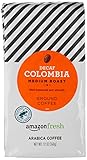
- Balanced, full-bodied medium roast with a smooth finish
- One 12-ounce bag of ground coffee
- Decaffeinated
- 100% Arabica coffee grown in Colombia
- Roasted and packed in the U.S.A.
Prevent it next time
- Monitor Caffeine Intake: Be mindful of your daily caffeine consumption from all sources, not just coffee.
- Prioritize Hydration: Drink plenty of water throughout the day, especially when consuming coffee.
- Eat Before Coffee: Always have coffee with or after a meal to buffer its effects on your digestive system.
- Choose Lower-Acid Options: Experiment with cold brew or darker roasts which can be less acidic.
- Consider Decaf or Alternatives: If caffeine is the issue, switch to decaf or explore non-coffee beverages.
- Listen to Your Body: Pay attention to how different coffees or consumption habits affect you.
- Maintain a Balanced Diet: A healthy digestive system is less likely to be irritated by minor triggers.
- Regular Exercise: Physical activity can help regulate digestion and overall bodily functions.
Since coffee can be dehydrating, prioritizing hydration is crucial. Consider using hydration supplements to ensure you’re replenishing fluids effectively, especially if you’re a regular coffee drinker.

- FAST HYDRATION: Science-based electrolyte powder formula hydrates faster than water alone; useful to rehydrate on-the-go for athletes, sports, outdoor activities, travel, and hot days.
- ELECTROLYTE FORMULA: Delivers 3x electrolytes and half the sugar than leading sports drinks in a portable, easy-mix great tasting hydration powder.
- INGREDIENT-CONSCIOUS: Non-GMO, Gluten Free, Vegan, Soy-Free, Dairy-Free, and Kosher; includes potassium, magnesium, zinc, and vitamin C for added immune support, with natural colors from fruit and vegetable juices.
- SINGLE-SERVE CONVENIENCE: Includes 16 portable electrolyte packets that are easy to carry in a gym bag, backpack, purse, desk or pantry; a simple way to keep hydration packets on hand for daily use, workouts, commuting, and travel days.
- DELICIOUS FLAVOR: Men's Journal Fitness Award for the Best-Tasting Hydration Drink. Enjoy Watermelon, Berry, Lemon, and Orange flavors in one pouch. Mix 1 packet into 8 oz of water for on-the-go hydration.
Common mistakes (and what happens if you ignore them)
| Mistake | What it causes | Fix |
|---|---|---|
| Drinking coffee on an empty stomach | Increased stomach irritation, potentially leading to more severe cramps. | Always consume coffee with or after a meal. |
| Excessive caffeine intake | Heightened digestive stimulation, anxiety, disrupted sleep, and worsened cramps. | Gradually reduce daily caffeine intake; switch to smaller cups or fewer servings. |
| Ignoring dehydration | Muscle cramps (not just abdominal), headaches, fatigue, and general malaise. | Drink at least one glass of water for every cup of coffee, and maintain overall hydration. |
| Not trying decaf coffee | Missing the opportunity to identify if caffeine is the primary cramp trigger. | Experiment with decaffeinated versions of your favorite coffee. |
| Sticking to high-acid coffee | Continued stomach irritation and discomfort for sensitive individuals. | Try cold brew or darker roasts, which are generally less acidic. |
| Not listening to your body’s signals | Prolonged discomfort and potential exacerbation of underlying digestive issues. | Pay attention to symptoms and adjust coffee habits accordingly. |
| Assuming all cramps are coffee-related | Potentially overlooking other dietary triggers or underlying health conditions. | Keep a food diary and consult a doctor if symptoms persist or worsen. |
| Rapidly reducing caffeine intake | Unpleasant caffeine withdrawal symptoms like headaches, irritability, and fatigue. | Reduce caffeine gradually over several days or weeks. |
| Relying on coffee for hydration | Dehydration, as coffee is a diuretic and doesn’t fully count towards daily water intake. | Ensure you’re drinking plenty of plain water in addition to any coffee. |
Decision rules (simple if/then)
- If you experience cramps shortly after drinking coffee then consider reducing your caffeine intake because caffeine stimulates gut motility.
- If cramps are worse when you drink coffee on an empty stomach then always consume coffee with food because food can buffer the acidity and stimulant effects.
- If decaffeinated coffee does not cause cramps then caffeine is likely your primary trigger because decaf coffee removes most of the stimulant.
- If you feel dehydrated after drinking coffee then increase your water intake significantly because coffee is a diuretic and can contribute to fluid loss.
- If your regular coffee causes stomach upset then try a cold brew or a darker roast because these options tend to be less acidic.
- If cramps are persistent and severe, regardless of coffee consumption then consult a healthcare professional because there might be an underlying medical condition.
- If you notice other digestive issues alongside cramps after coffee then keep a detailed food and drink diary because this can help identify specific triggers.
- If reducing coffee doesn’t help with cramps then evaluate other dietary factors or lifestyle habits because coffee might not be the sole cause.
- If you crave the ritual of coffee but not the effects then explore coffee alternatives like herbal teas or chicory because they offer warmth and flavor without caffeine or high acidity.
If you notice other digestive issues alongside cramps after coffee, keeping a detailed food and drink diary can help identify specific triggers. Sometimes, digestive health supplements can also offer support.

- Powerful Digestive Support: MassZymes delivers 320,000 units of protein-digesting enzymes (bromelian, amylase, lipase, protease) per capsule, optimizing digestion, reducing bloating, and maximizing nutrient absorption for better gut health.
- Boost Energy & Clarity: Improve digestion, reduce sluggishness, and unlock sustained energy. Enhanced nutrient absorption supports sharpness and helps you feel lighter and more energized.
- Faster Muscle Recovery: Designed for athletes and high-performers, MassZymes accelerates muscle repair and reduces soreness by maximizing protein breakdown for quicker recovery and peak performance using bromelian, amylase, lipase, and protease.
- Clean, Potent Formula: 100% plant-based and vegan-friendly, with no dairy, soy, or fillers. Each capsule works in any stomach environment, ensuring effective digestion from start to finish.
FAQ
Q: Can decaf coffee still cause cramps?
A: Yes, it’s possible. While decaf coffee has very little caffeine, it still contains other compounds and is acidic, which can irritate sensitive stomachs for some individuals.
Q: How quickly do coffee-related cramps usually appear?
A: For many, cramps related to coffee’s stimulant effect or acidity can appear relatively quickly, often within 30 minutes to a few hours after consumption, especially on an empty stomach.
Q: Is it true that light roasts are more acidic and cause more cramps?
A: Generally, yes. Lighter roasted coffees tend to retain more of their original acidity compared to darker roasts. This higher acidity might be more irritating for sensitive individuals.
Q: Can adding milk or cream to coffee help prevent cramps?
A: For some, adding milk or cream can help buffer the acidity of coffee, potentially reducing stomach irritation. However, for those with lactose intolerance, dairy could worsen digestive discomfort.
Q: Should I stop drinking coffee entirely if it causes cramps?
A: Not necessarily. You might find relief by reducing caffeine, switching to decaf, drinking coffee with food, or trying different roasts. If symptoms are severe or persistent, consider medical advice.
Q: Does the type of coffee bean matter for cramps?
A: While individual sensitivity varies, some people report that certain bean varieties or origins (e.g., those with higher perceived acidity) might exacerbate their symptoms more than others. Experimentation can help.
What this page does NOT cover (and where to go next)
- Detailed medical diagnosis or treatment for chronic digestive conditions.
- Specific dietary plans for managing IBS or other gastrointestinal disorders.
- The chemical composition of all coffee compounds and their full physiological effects.
- In-depth advice on brewing methods to specifically reduce acidity (beyond general recommendations).
- Information on other potential causes of abdominal cramps unrelated to coffee.