
Homemade Iced Coffee Frappe Like McDonald’s
Quick answer
- Use cold brew concentrate for a strong, smooth base.
- Blend with ice, milk, and sweetener for the right texture.
- Don’t over-blend; you want it slushy, not watery.
- Taste and adjust sweetness and milk consistency.
- A touch of vanilla extract goes a long way.
- Experiment with toppings like whipped cream.
Who this is for
- Anyone craving that fast-food frappe at home.
- Coffee lovers who like their drinks sweet and icy.
- Folks who want a quick, budget-friendly treat.
What to check first
Brewer type and filter type
This recipe leans on a strong coffee base, so whatever you use to make it, make sure it’s up to snuff. For a frappe, cold brew concentrate is king. It’s less acidic and has a smoother flavor profile that stands up well to milk and sugar. If you’re brewing hot coffee to chill, a drip machine or French press works. Just make sure your filter isn’t adding any papery taste.
Water quality and temperature
For any coffee, good water is key. If your tap water tastes off, your frappe will too. Use filtered water. For the frappe itself, you’ll be using ice, so the starting temperature of your coffee concentrate matters less than its strength. Just make sure it’s cooled down enough so it doesn’t melt all the ice instantly.
Grind size and coffee freshness
If you’re making your own cold brew, a coarse grind is your friend. Think sea salt. Freshly ground beans are always best. If you’re using pre-ground, try to use it within a week or two of opening the bag. Stale coffee just won’t deliver that punch you need.
Coffee-to-water ratio
This is where you build the foundation of your frappe. For cold brew concentrate, aim for a ratio of about 1:4 coffee to water. This gives you a potent base that can handle dilution from ice and milk. If you’re brewing hot coffee to chill, you might want to brew it a little stronger than usual, then let it cool completely.
Cleanliness/descale status
Nobody wants gritty coffee. Make sure your coffee maker, blender, and any storage containers are clean. If you’ve got a coffee maker that’s seen better days, give it a good descaling. Mineral buildup can affect taste and even the performance of your machine.
Step-by-step (brew workflow)
1. Brew your coffee concentrate.
- What to do: If making cold brew, combine coarse-ground coffee with cold water (1:4 ratio). Steep for 12-24 hours. If using hot coffee, brew a strong batch and let it cool completely.
- What “good” looks like: A rich, potent coffee liquid. For cold brew, it should be smooth and not bitter.
- Common mistake: Using too fine a grind for cold brew, which can lead to over-extraction and bitterness. Avoid this by using a coarse grind and filtering well.
2. Chill the concentrate.
- What to do: Once brewed, strain your cold brew and refrigerate it until cold. If using hot coffee, ensure it’s fully cooled.
- What “good” looks like: The coffee liquid is cold to the touch.
- Common mistake: Pouring warm coffee into the blender with ice, which melts the ice too quickly. Let it cool completely.
3. Gather your ingredients.
- What to do: Get your chilled coffee concentrate, milk (dairy or non-dairy), sweetener (sugar, syrup, etc.), ice, and any flavorings like vanilla extract.
- What “good” looks like: Everything is ready to go next to your blender.
- Common mistake: Forgetting an ingredient mid-blend, leading to a less-than-ideal flavor. Have it all lined up.
4. Add liquid ingredients to the blender.
- What to do: Pour your chilled coffee concentrate and milk into the blender first.
- What “good” looks like: The liquids form a base at the bottom of the blender.
- Common mistake: Adding ice first, which can make it harder for the blades to catch the liquid and create a smooth blend.
5. Add sweetener and flavorings.
- What to do: Add your chosen sweetener and any extracts, like vanilla. Start with a conservative amount; you can always add more.
- What “good” looks like: The flavorings are in the blender with the liquids.
- Common mistake: Adding too much sweetener at once. You can always add more, but you can’t take it out.
Add your chosen sweetener, like a quality syrup or granulated sugar, to the blender. Start with a conservative amount; you can always add more to achieve your desired sweetness.
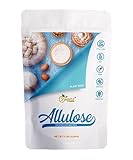
- 【AMAZING TASTE AND CALORIE-FREE】 Allulose is a monosaccharide or simple sugar that naturally exists in some fruits. It closely resembles the flavor of regular sugar but without any unpleasant aftertaste. Allulose is about 70% as sweet as sugar, but contains less than 10% of the calories found in sucrose, making it virtually calorie-free while still providing the natural sweetness of sugar.
- 【GREAT TEXTURE, VOLUME, AND CARAMELIZATION】 Allulose virtually replicates the texture and volume of sugar, while also demonstrating similar caramelization and thickening properties when used in baking and cooking. These exceptional characteristics set allulose apart as an excellent ingredient for achieving desired outcomes in a wide range of culinary applications that align with your healthy lifestyle.
- 【MORE ALLULOSE BLENDS】 Going beyond Allulose, G-Sweetz Allulose sweeteners broaden your options by blending with a variety of intensive sweeteners such as Monk Fruit extract, Stevia Extract, a combination of both, or the classic sucralose. Each sweetener series, derived from Allulose blends, provides a range of sweetness levels from 1X to 20X, ensuring both your sweet tooth and budget are perfectly catered to!
- 【HEALTHY CHOICES】 Upgrade your sweet experience with a sugary-tasting sweetener that's Keto-friendly, containing 0 net carbs. Our allulose is derived from natural ingredients and is free of GMOs, additives, artificial flavors, soy, and gluten. This sweetener is also vegan-friendly, tooth-friendly, and has zero sugar. Enjoy its delicious taste without worrying about any negative side effects.
- 【US QUALITY】 Our products are made and tested in accordance with approved product standards. Our facilities are registered with the FDA and comply with the regulations and licensing requirements of the New Jersey Department of Health and Earth Kosher. For any product inquiries, our US-based live support team is available to assist you.
6. Add the ice.
- What to do: Fill the blender with ice cubes. Don’t overpack it, but make sure there’s enough for that frosty texture.
- What “good” looks like: The blender is mostly full of ice.
- Common mistake: Using too little ice, resulting in a watery drink. Or using too much, making it hard to blend.
7. Blend until slushy.
- What to do: Start the blender on a low setting, then gradually increase speed. Blend until the mixture is thick and slushy but still has some texture. Avoid over-blending into a liquid.
- What “good” looks like: A thick, icy, uniform mixture with no large ice chunks. It should look like a milkshake.
- Common mistake: Blending for too long, which melts the ice and turns your frappe into weak coffee juice. Pulse it.
8. Taste and adjust.
- What to do: Carefully taste the mixture. Add more sweetener, milk, or coffee concentrate as needed. Blend briefly to incorporate any additions.
- What “good” looks like: The flavor is balanced and to your liking.
- Common mistake: Not tasting and adjusting, leading to a frappe that’s too sweet, not sweet enough, or too thin.
9. Pour into a glass.
- What to do: Pour the blended frappe into your serving glass.
- What “good” looks like: The frappe is thick and holds its shape in the glass.
- Common mistake: Pouring too slowly, allowing the ice to start melting and the drink to thin out.
10. Add toppings (optional).
- What to do: Top with whipped cream, a drizzle of chocolate syrup, or a sprinkle of coffee grounds if you’re feeling fancy.
- What “good” looks like: A visually appealing, finished drink.
- Common mistake: Going overboard with toppings, which can overwhelm the coffee flavor. Keep it simple.
Common mistakes (and what happens if you ignore them)
| Mistake | What it causes | Fix |
|---|---|---|
| Using hot coffee directly | Melts ice too fast, results in watery drink | Chill coffee completely before blending. |
| Over-blending | Melts ice, creates a thin, weak texture | Blend in short bursts, pulse if needed. |
| Not enough coffee concentrate | Weak flavor, gets lost in milk and ice | Use a strong cold brew or double-strength hot brew. |
| Too much ice | Blender struggles, can lead to uneven texture | Use enough ice for thickness, but don’t pack it too tight. |
| Stale coffee beans | Flat, dull flavor, lacks coffee punch | Use freshly roasted beans and grind them just before brewing. |
| Wrong grind size for cold brew | Bitter or weak coffee, hard to filter | Use a coarse grind for cold brew; medium-fine for drip. |
| Not tasting and adjusting | Off-balance sweetness or consistency | Taste frequently during the process, especially before pouring. |
| Using tap water with off-flavors | Affects overall taste of the frappe | Use filtered water for brewing and mixing. |
| Dirty blender/equipment | Off-flavors, potential for mold | Clean all equipment thoroughly after each use. |
| Adding ice before liquids | Inefficient blending, can leave chunks | Always add liquids first, then sweetener, then ice. |
| Using a fine grind for hot coffee | Over-extraction, bitter taste | Use a medium grind for drip coffee makers. |
Decision rules (simple if/then)
- If your frappe tastes too watery, then add more ice and blend briefly because more ice will thicken it up.
- If your frappe isn’t sweet enough, then add a little more sweetener and blend again because sweetness is subjective.
- If your frappe tastes too bitter, then add a splash more milk or a bit more sweetener because fat and sugar can balance bitterness.
- If your blender is struggling to mix, then add a tiny bit more liquid (milk or coffee) because it needs a bit more fluid to get moving.
- If you want a richer flavor, then use a higher ratio of coffee concentrate to milk because coffee is the star.
- If your frappe is too thick to pour, then add a tablespoon of milk at a time and blend briefly because you want a pourable, not spoonable, consistency.
- If you want a stronger coffee flavor, then use cold brew concentrate instead of regular brewed coffee because it’s designed to be potent.
- If you’re sensitive to caffeine, then use decaf coffee beans for your brew base because you can still get the flavor without the kick.
- If you want a dairy-free option, then use almond, oat, or soy milk because they blend well and offer different flavor profiles.
- If your frappe lacks that classic soda shop flavor, then add a tiny bit of vanilla extract because it enhances sweetness and complexity.
- If you notice sediment in your cold brew, then filter it again through a finer mesh or coffee filter because it means your initial straining wasn’t thorough enough.
FAQ
What kind of coffee is best for a frappe?
Cold brew concentrate is ideal because it’s smooth, less acidic, and strong enough to hold up to ice and milk without tasting watery. If you don’t have cold brew, brew your hot coffee extra strong and let it cool completely.
How do I make my frappe less watery?
The key is using enough ice and not over-blending. Blend in short bursts until it’s slushy, not liquid. Also, ensure your coffee base is cold to start with.
Can I make this without a blender?
It’s tough. A blender is what creates that signature icy, slushy texture. You could try shaking coffee, ice, and ingredients vigorously in a sealed container, but it won’t be the same.
How much sweetener should I use?
This is totally up to your taste. Start with a tablespoon or two of sugar or simple syrup, and add more after tasting. Syrups blend in more easily than granulated sugar.
What milk works best?
Whole milk gives a rich texture, but any milk works. Almond, oat, or soy milk are great dairy-free alternatives. Choose one that complements the coffee flavor you like.
Can I add other flavors?
Absolutely! A dash of chocolate syrup, caramel sauce, or even a bit of peppermint extract can transform your frappe. Just remember to adjust sweetness accordingly.
How do I get that McDonald’s taste?
It’s a combination of strong, smooth coffee, the right amount of sweetness, and that perfect icy texture. Using a good cold brew concentrate and not over-blending are crucial steps.
Is it healthier to make this at home?
Generally, yes. You control the ingredients, so you can use less sugar, choose lower-fat milk, or even opt for natural sweeteners.
What this page does NOT cover (and where to go next)
- Specific brand recommendations for coffee beans or sweeteners.
- Detailed instructions on how to build your own cold brew system.
- Advanced latte art techniques for your frappe garnish.
- Nutritional breakdowns for different milk or sweetener options.
- Recipes for homemade whipped cream or chocolate syrups.