
Easy Homemade Frozen Coffee Drinks
Quick Answer
- Use strong, cold-brewed coffee or espresso for the best flavor base.
- Freeze coffee in ice cube trays for a concentrated, non-diluting chill.
- Blend with your choice of milk, sweetener, and ice for desired consistency.
- Start with a 1:1 ratio of frozen coffee cubes to liquid ingredients and adjust.
- Sweeten before blending for better incorporation, using simple syrup or agave.
- Experiment with flavorings like vanilla extract, cocoa powder, or caramel sauce.
- For a thicker drink, add a small amount of xanthan gum or a frozen banana.
Who This Is For
- Coffee lovers looking for a refreshing, homemade alternative to expensive cafe beverages.
- Home baristas who want to expand their coffee repertoire beyond hot drinks.
- Anyone seeking a simple way to use up leftover coffee and create a delicious treat.
What to Check First
Brewer Type and Filter Type
The type of coffee maker you used to brew your base coffee can impact its flavor. Drip coffee, French press, or espresso will all yield different flavor profiles. If you’re using a filter, ensure it’s clean and appropriate for your brewing method to avoid off-flavors.
Water Quality and Temperature
While you’re making a cold drink, the quality of the water used for your initial coffee brew is still important. Filtered water generally produces a cleaner taste. For the final drink, you’ll want ice or frozen coffee, so ensure your freezer is at the correct temperature to effectively freeze your coffee base.
Grind Size and Coffee Freshness
If you’re brewing coffee specifically for your frozen drinks, the grind size should match your brewing method. Fresher beans, ground just before brewing, will always offer a more vibrant flavor. For frozen drinks, using slightly older or leftover coffee can be perfectly acceptable, as the blending process and added ingredients can mask subtle staleness.
Coffee-to-Water Ratio
The ratio of coffee grounds to water used in your initial brew will determine the strength of your coffee base. For frozen drinks, a stronger brew is often preferred to ensure the coffee flavor isn’t lost when blended with milk, ice, and sweeteners. A good starting point for a strong brew might be around 1:15 (coffee to water by weight), but adjust based on your taste.
Cleanliness/Descale Status
Ensure your coffee maker and blender are clean. Any residue from previous brews or drinks can impart unwanted flavors into your frozen concoction. Regularly descaling your coffee maker is also crucial for optimal performance and taste.
Step-by-Step: How to Make Frozen Coffee at Home Easy
1. Brew Strong Coffee: Brew a batch of coffee using your preferred method. Aim for a stronger brew than you might normally drink hot.
- What “good” looks like: A rich, flavorful coffee that has a concentrated aroma.
- Common mistake: Brewing a weak coffee. This will result in a bland frozen drink.
- Avoid it by: Using more coffee grounds or less water than usual.
2. Cool the Coffee: Allow the brewed coffee to cool down completely. You can speed this up by placing it in the refrigerator.
- What “good” looks like: Cold coffee, ready to be frozen or blended without melting ice too quickly.
- Common mistake: Pouring hot coffee into the blender. This can damage the blender and melt your ice, creating a watery drink.
- Avoid it by: Waiting until the coffee is at room temperature or chilled.
3. Freeze Coffee Cubes (Optional but Recommended): Pour the cooled coffee into ice cube trays and freeze until solid.
- What “good” looks like: Firm, fully frozen coffee cubes that pop out of the tray easily.
- Common mistake: Not freezing the coffee solid. This will lead to a watered-down drink.
- Avoid it by: Ensuring your freezer is cold enough and leaving them in for at least 4-6 hours, or overnight.
Using ice cube trays is a game-changer for homemade frozen coffee. They allow you to freeze your coffee into convenient cubes, preventing dilution and ensuring a concentrated flavor.
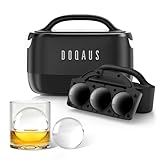
- ✅ Achieve Bar-Quality Clarity with Directional Freezing: Stop settling for cloudy, bubble-filled ice. Our clear ice cube maker utilizes advanced physics to push impurities away, creating 3 crystal-clear spheres and 4 cubes per cycle. It is the secret weapon for the home mixologist wanting presentation-ready drinks without expensive machinery.
- ✅ Preserve Complex Flavors with Slow Dilution: Designed for the purist, this whiskey ice cubes mold produces dense, 2.5-inch ice that melts 40% slower than standard ice. Enjoy your single malt or bourbon chilled but undiluted, ensuring the aromatic profile remains distinct from the first sip to the last.
- ✅ Effortless Release with Premium Hybrid Design: Unlike rigid plastic trays that crack, our flexible silicone ice ball maker mold ensures smooth removal. The non-stick material lets you pop out perfect shapes instantly, making drink preparation seamless for relaxing solo evenings or busy gatherings.
- ✅ Versatile 2-in-1 Capacity for Entertaining: Hosting a cocktail night? This round ice cube mold creates 7 pieces simultaneously, catering to different glass styles. Whether serving an Old Fashioned (sphere) or a Negroni (cube), you will have the right ice shape ready for every guest's preference.
- ✅ The Sophisticated Choice for Gifting: More than just a standard ice mold, this clear ice system is an essential upgrade for any wet bar. Packaged to impress, it creates a tangible experience, making it an ideal gift for fathers, partners, or enthusiasts who value the ritual of a perfectly poured drink.
4. Gather Other Ingredients: Prepare your chosen milk (dairy or non-dairy), sweetener (simple syrup, agave, sugar), and any flavorings.
- What “good” looks like: All your components are measured and ready to go.
- Common mistake: Not having ingredients ready. This can interrupt the blending process.
- Avoid it by: Measuring everything out before you start blending.
5. Add Liquids to Blender: Pour your chosen milk and any liquid sweeteners into the blender first.
- What “good” looks like: The liquid base is at the bottom of the blender jar.
- Common mistake: Adding liquids last. This can make it harder for the blades to catch the frozen ingredients.
- Avoid it by: Always adding liquids first.
6. Add Frozen Coffee Cubes: Add the frozen coffee cubes to the blender.
- What “good” looks like: A generous amount of frozen coffee cubes filling a good portion of the blender.
- Common mistake: Adding too few frozen coffee cubes. This will result in a drink that’s too thin.
- Avoid it by: Starting with a ratio of roughly 1:1 frozen coffee cubes to liquid ingredients and adjusting.
7. Add Flavorings and Sweeteners: Add any additional sweeteners or flavor extracts (like vanilla or almond). If using granular sugar, consider making a simple syrup first for better blending.
- What “good” looks like: All your flavor enhancers are in the blender.
- Common mistake: Adding granular sugar that doesn’t dissolve well. This can leave a gritty texture.
- Avoid it by: Using liquid sweeteners or dissolving sugar in a little hot water first to make a simple syrup.
8. Blend Until Smooth: Secure the lid and blend on a low setting to break up the larger chunks, then increase speed until the mixture is smooth and creamy.
- What “good” looks like: A uniform, thick, and smooth consistency with no large ice chunks.
- Common mistake: Over-blending, which can melt the drink and make it too thin.
- Avoid it by: Blending just until smooth. If it’s too thick, add a splash more milk; if too thin, add a few more frozen coffee cubes or a bit of ice.
9. Taste and Adjust: Carefully taste the mixture and add more sweetener, flavorings, or even a touch more coffee if needed. Blend briefly to incorporate.
- What “good” looks like: A perfectly balanced flavor that suits your preference.
- Common mistake: Not tasting and adjusting. You might end up with a drink that’s too sweet, not sweet enough, or lacks flavor.
- Avoid it by: Always tasting before serving and making minor adjustments.
10. Serve Immediately: Pour the frozen coffee drink into a glass.
- What “good” looks like: A frosty, inviting beverage ready to be enjoyed.
- Common mistake: Letting it sit too long. Frozen drinks are best enjoyed fresh.
- Avoid it by: Serving immediately after blending.
Common Mistakes (and What Happens If You Ignore Them)
| Mistake | What It Causes | Fix |
|---|---|---|
| Using hot coffee | Melts ice too quickly, resulting in a watery, weak drink. | Let coffee cool completely, or use frozen coffee cubes. |
| Not brewing coffee strong enough | The coffee flavor gets lost in the blend, creating a bland, milky drink. | Use more coffee grounds or less water for your initial brew. |
| Using regular ice cubes | Dilutes the coffee flavor significantly as the ice melts. | Use frozen coffee cubes instead of or in addition to regular ice. |
| Adding granular sugar | Sugar may not dissolve properly, leading to a gritty texture. | Use simple syrup, agave, or dissolve sugar in a little hot water before adding to the blender. |
| Over-blending | The friction from the blades can melt the drink, making it too thin. | Blend only until smooth. Use pulsing or start on a lower speed. |
| Not tasting and adjusting | The final drink might be too sweet, not sweet enough, or lacking flavor. | Taste the mixture before serving and add more sweetener or flavorings as needed. |
| Not freezing coffee cubes solid | The coffee cubes will melt too quickly, resulting in a watered-down drink. | Ensure your freezer is cold and leave cubes in for at least 4-6 hours, or overnight. |
| Not cleaning the blender well | Lingering flavors from previous blends can affect the taste of your drink. | Rinse or wash the blender immediately after use, and periodically deep clean it. |
| Using a blender not powerful enough | Inability to properly crush ice and frozen coffee, leading to chunks. | Use a blender designed for crushing ice, or add a little more liquid to help it blend. |
| Adding liquids after frozen ingredients | Can make it difficult for the blender blades to catch and process frozen items. | Always add liquids to the blender jar first. |
Decision Rules for Easy Homemade Frozen Coffee
- If your coffee tastes weak, then add more frozen coffee cubes or a splash of concentrated cold brew because the coffee flavor needs to be prominent.
- If your drink is too thin, then add more frozen coffee cubes or a few regular ice cubes and blend again because you need more frozen mass.
- If your drink is too thick, then add a small splash of milk or coffee and blend again because you need to loosen the consistency.
- If your drink is not sweet enough, then add simple syrup or agave and blend briefly because these liquid sweeteners incorporate best.
- If your drink is too sweet, then add a bit more unsweetened coffee or milk to balance it out because you need to dilute the sweetness.
- If you want a richer texture, then add a small piece of frozen banana or a tiny pinch of xanthan gum and blend because these act as natural thickeners.
- If you’re out of coffee ice cubes, then use strong, chilled coffee and regular ice, but be prepared for a slightly less intense coffee flavor because the regular ice will dilute it more.
- If you want a chocolate flavor, then add unsweetened cocoa powder and blend because it will easily incorporate into the frozen mixture.
- If you want a caramel flavor, then add caramel sauce and blend because it adds sweetness and flavor simultaneously.
- If your blender is struggling, then stop and add a little more liquid and try again because you need to help the blades move freely.
- If you want a dairy-free option, then use almond milk, oat milk, or soy milk because they blend well and offer a creamy texture.
- If you prefer a less sweet drink, then reduce the amount of added sweetener or use a sugar substitute because you can control the sweetness level.
FAQ
Can I use regular hot coffee instead of freezing it?
You can, but it’s not ideal. Hot coffee will melt your ice and frozen ingredients very quickly, resulting in a watery and less flavorful drink. It’s best to let your coffee cool completely, or even better, freeze it into cubes.
What kind of milk is best for frozen coffee?
Any milk will work, but dairy milk, oat milk, and soy milk tend to provide the creamiest texture. Almond milk is a lighter option. Experiment to find your favorite!
How do I make it sweeter without adding sugar?
You can use liquid sweeteners like simple syrup, agave nectar, or honey. These dissolve easily into cold drinks. Alternatively, a ripe frozen banana can add sweetness and creaminess.
Can I make frozen coffee without a blender?
It’s very difficult to achieve a smooth, frozen texture without a blender. You might be able to muddle frozen coffee cubes with a spoon and liquid, but it won’t be the same consistency. A good blender is key for this recipe.
How much coffee should I use for a strong base?
For a strong brew, aim for a ratio of about 1:15 (coffee to water by weight) or use about 2 tablespoons of coffee grounds per 6 ounces of water. You can adjust this based on your preferred strength and brewing method.
What if my frozen coffee drink is too icy?
If your drink has too many ice chunks and not enough creamy texture, try blending for a bit longer or adding a small amount of additional liquid. A splash of milk or a bit more of your coffee base can help create a smoother consistency.
Can I add alcohol to my frozen coffee?
Yes, you can add a shot of coffee liqueur, rum, or vodka to your frozen coffee drink for an adult twist. Add it during the blending process.
How can I make my frozen coffee thicker?
To make it thicker, add more frozen coffee cubes or a few regular ice cubes. For an even thicker, creamier texture, consider adding a small piece of frozen banana or a tiny pinch of xanthan gum before blending.
What’s the best way to store leftover frozen coffee?
Frozen coffee drinks are best enjoyed immediately. If you have leftovers, you can freeze them in a sealed container, but the texture may change upon thawing and re-blending. It’s usually better to make only what you plan to drink.
What This Page Does Not Cover (and Where to Go Next)
- Detailed recipes for specific flavored frozen coffee drinks (e.g., mocha, caramel macchiato).
- Advanced techniques for achieving specific cafe-style textures.
- Comparisons of different types of blenders for frozen drink preparation.
- Nutritional information for various milk and sweetener options.
- How to create homemade coffee syrups and toppings.