
Homemade Cold Brew Iced Coffee: A Step-By-Step Guide
Quick answer
- Use a coarse grind for cold brew.
- Aim for a 1:4 to 1:8 coffee-to-water ratio.
- Let it steep for 12-24 hours.
- Filter it well.
- Dilute to taste.
- Use good water.
- Keep it clean.
Who this is for
- Anyone who loves smooth, less acidic iced coffee.
- Home brewers looking to simplify their morning routine.
- Campers who want great coffee without a stove.
What to check first
Brewer type and filter type
You can use almost anything. A French press works. A big jar and a cheesecloth works. Even a dedicated cold brew maker. Just make sure it can hold your coffee and water. And that you have a way to separate the grounds.
If you don’t have a dedicated maker, a large glass jar with lid is a fantastic and affordable option for brewing your cold brew.
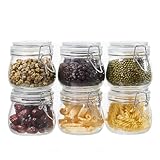
- 【Premium Glass Jars with Airtight Lids】These airtight glass jars feature a wire clip fastening system with clear preserving seals, locking in freshness and flavor. Ideal for dry goods and long-term food storage.
- 【Perfect Size: 17 oz Capacity – Set of 6】Each jar holds 17oz, just right for storing beans, flour, sugar, cereal, pasta, or snacks. Comes as a 6 pack to organize your kitchen efficiently.
- 【Durable & Safe Food Storage Containers】Made from thick, lead-free, glass food storage containers that are BPA-free, odor-resistant, and safe for everyday use.
- 【Multi-Purpose Glass Canisters for Kitchen & Pantry】Great for kitchen canning and pickling jars – also suitable for DIY jam, honey, kimchi, spices, and more. A functional and elegant solution for pantry storage jars.
- 【Stylish & Practical Storage Jars】Sleek square design saves space and looks beautiful on shelves. These glass storage jars are easy to stack and clean, combining utility with minimalist decor.
Water quality and temperature
Tap water can have off-flavors. Filtered water is best. You don’t need hot water here. Room temperature is fine. It’s cold brew, after all.
Grind size and coffee freshness
Coarse is the name of the game. Think breadcrumbs or sea salt. Too fine, and you’ll get sludge. Too coarse, and the flavor won’t extract. Freshly ground beans are always better.
Coffee-to-water ratio
This is where you play. A good starting point is 1:4 (coffee to water by weight). Some go 1:8. Experiment to find your sweet spot. More coffee means a stronger concentrate.
Cleanliness/descale status
Mold is the enemy of good coffee. Make sure your brewer and any filters are clean. If you have a machine, descale it regularly. Nobody wants funky coffee.
Step-by-step how to make cold brew iced coffee at home
1. Gather your gear. You’ll need a brewer (jar, French press, etc.), a filter (paper, cloth, metal), your coffee, and water.
- Good looks like: Everything is clean and ready to go.
- Common mistake: Using a dirty brewer. Avoid this by rinsing everything thoroughly.
For a clean brew, make sure you have a good set of coffee filters paper on hand to separate the grounds effectively.

- FLAVOR-ENHANCING MICROFINE PERFORATIONS: Unlock the full, rich flavor of your coffee with Melitta’s signature Microfine Flavor Enhancing Perforations for a superior brewing experience.
- BURST-RESISTANT DOUBLE CRIMP DESIGN: Enjoy mess-free, reliable brewing with our exclusive double crimped edges, engineered to prevent bursting and spills.
- CERTIFIED SUSTAINABLE AND COMPOSTABLE: FSC Certified for responsible forestry, BPI Certified for commercial compostability, and packaged in 100% recycled paperboard to support eco-conscious living.
- PREMIUM QUALITY: Thicker, chlorine-free paper traps impurities for a smooth, clean cup; filters are gluten-free and kosher certified.
- MADE IN THE USA & UNIVERSAL FIT: Designed for all 8-12 cup cone coffee makers; Melitta is the world’s #1 cone coffee filter brand, upholding a legacy of innovation and quality.
2. Measure your coffee. Weigh your beans for accuracy. A 1:4 ratio means 1 oz of coffee for every 4 oz of water.
- Good looks like: Precise measurements.
- Common mistake: Guessing the amount. This leads to weak or too-strong brew.
3. Grind your coffee. Use a coarse grind setting. If you don’t have a grinder, buy whole beans and grind them right before brewing.
- Good looks like: Even, coarse grounds.
- Common mistake: Using a fine grind. This will make your cold brew bitter and muddy.
4. Add coffee to brewer. Put your freshly ground coffee into your chosen brewing vessel.
- Good looks like: All the grounds are in the brewer.
- Common mistake: Spilling grounds. Just be a bit careful.
5. Add water. Pour in your filtered water. Make sure all the grounds are saturated.
- Good looks like: No dry spots. Water is evenly distributed.
- Common mistake: Not wetting all the grounds. This causes uneven extraction.
6. Stir gently. Give it a gentle stir to ensure all coffee grounds are submerged.
- Good looks like: A brief, gentle mix.
- Common mistake: Over-stirring. This can break up the grounds and lead to bitterness.
7. Cover and steep. Seal your brewer and let it sit at room temperature or in the fridge.
- Good looks like: A sealed container.
- Common mistake: Leaving it uncovered. This lets in unwanted odors and contaminants.
8. Steep for 12-24 hours. The longer it steeps, the stronger and more concentrated it becomes. 18 hours is a good starting point.
- Good looks like: Patience.
- Common mistake: Steeping too short or too long. Too short is weak, too long can get bitter.
9. Filter the coffee. Slowly pour the concentrate through your filter into another container. If using a French press, press the plunger.
- Good looks like: Clear concentrate, minimal sediment.
- Common mistake: Rushing the filtering. This can push fine grounds through.
10. Discard grounds. Compost or discard the used coffee grounds.
- Good looks like: Clean brewer.
- Common mistake: Leaving grounds in the brewer. They can go bad.
11. Dilute and serve. This is a concentrate. Mix it with water, milk, or ice to your liking. Start with a 1:1 ratio and adjust.
- Good looks like: A perfectly balanced drink.
- Common mistake: Drinking the concentrate straight. It’s too strong!
Common mistakes (and what happens if you ignore them)
| Mistake | What it causes | Fix |
|---|---|---|
| Using fine coffee grounds | Muddy, bitter, over-extracted coffee | Use a coarse grind. Think sea salt or breadcrumbs. |
| Not filtering enough | Gritty, unpleasant texture in your coffee | Filter twice if needed, or use a finer filter. Be patient during the pour. |
| Incorrect coffee-to-water ratio | Weak or overwhelmingly strong concentrate | Start with 1:4 (coffee:water by weight) and adjust in future brews. |
| Using stale coffee beans | Flat, dull, uninspired flavor | Use freshly roasted beans and grind them just before brewing. |
| Not steeping long enough | Weak, watery, under-extracted coffee | Aim for 12-24 hours. 18 hours is a good starting point. |
| Over-steeping | Bitter, astringent, unpleasant flavor | Stick to the 12-24 hour window. Taste a small amount at 18 hours to check. |
| Using poor quality water | Off-flavors that mask coffee’s true taste | Use filtered or spring water. Avoid heavily chlorinated tap water. |
| Dirty brewing equipment | Moldy taste, off-flavors, potential health risk | Clean your brewer and filters thoroughly after every use. Regularly descale machines. |
| Not diluting the concentrate | Overpoweringly strong, undrinkable coffee | Always dilute cold brew concentrate. Start with a 1:1 ratio of concentrate to water/milk and adjust to your preference. |
| Using hot water | Brews like hot coffee, losing cold brew’s benefit | Cold brew uses cold or room temperature water for a smooth, low-acid extraction. Hot water is for other brewing methods. |
Decision rules (simple if/then)
- If your cold brew tastes weak, then increase the coffee-to-water ratio in your next batch because you need more coffee grounds for the same amount of water.
- If your cold brew tastes bitter, then try a coarser grind or reduce the steeping time because over-extraction causes bitterness.
- If your cold brew has sediment, then filter it again or use a finer filter because fine particles are making it gritty.
- If your cold brew has an off-flavor, then check your water quality or clean your equipment because these are common sources of bad taste.
- If you want a stronger concentrate, then use a lower water-to-coffee ratio (e.g., 1:3) because this means more coffee relative to water.
- If you’re new to cold brew, then start with an 18-hour steep time because this is a reliable middle ground for good flavor.
- If you prefer a brighter flavor profile, then try a lighter roast coffee because darker roasts can sometimes be too mellow for cold brew.
- If you’re short on time, then plan ahead by starting your brew the day before because cold brew requires significant steeping time.
- If you’re storing your concentrate, then keep it in an airtight container in the fridge because this keeps it fresh and prevents odor absorption.
- If you want to speed up dilution, then use more ice because the ice melts and adds water, helping you reach your desired strength faster.
FAQ
What is the best coffee bean for cold brew?
You can use almost any bean. Medium to dark roasts often yield a rich, chocolatey flavor. Lighter roasts can offer more acidity and fruity notes. The key is using fresh, good-quality beans.
How long can I store cold brew concentrate?
Stored properly in an airtight container in the refrigerator, cold brew concentrate can last for about 1-2 weeks. It’s best to consume it within the first week for optimal flavor.
Do I need a special cold brew maker?
Nope. While dedicated cold brew makers exist, you can achieve great results with simple tools like a large jar, a French press, or even a pitcher with a fine-mesh sieve.
Why is my cold brew acidic?
Cold brew is known for being less acidic than hot coffee. If yours is too acidic, it might be due to using a too-fine grind, over-steeping, or using a coffee bean that’s naturally very bright.
Can I use hot water to make cold brew faster?
No. The “cold” in cold brew refers to the brewing temperature. Using hot water will change the extraction process and result in a different kind of coffee, not cold brew.
How do I make cold brew less bitter?
To reduce bitterness, ensure you’re using a coarse grind, avoid over-steeping (stick to 12-24 hours), and make sure your coffee beans are fresh. Also, clean your brewing equipment regularly.
What’s the ideal coffee-to-water ratio?
A common starting point is 1 part coffee to 4 parts water by weight (1:4). Many people prefer a ratio between 1:4 and 1:8 for their concentrate. Experiment to find what you like.
How much concentrate should I dilute?
This depends on how strong you made your concentrate and your personal taste. A good starting point is a 1:1 ratio of concentrate to water or milk. Adjust from there until it tastes just right.
What this page does NOT cover (and where to go next)
- Specific grinder recommendations. (Look for reviews on burr grinders.)
- Detailed information on coffee bean origins and their flavor profiles. (Explore coffee blogs and tasting notes.)
- Advanced filtration techniques beyond basic sieves and paper filters. (Research Chemex or V60 filters if you’re curious.)
- The science of coffee extraction and its chemical compounds. (University coffee science departments or advanced brewing books.)
- Recipes for cold brew cocktails or specialty drinks. (Search for “cold brew recipes” online.)