
Brewing Cold Coffee From Fresh Coffee Beans At Home
Quick answer
- Use coarse-ground, fresh coffee beans.
- Steep grounds in cold, filtered water for 12-24 hours.
- Aim for a 1:4 to 1:8 coffee-to-water ratio.
- Strain thoroughly to remove sediment.
- Store concentrate in the fridge.
- Dilute with water or milk to taste.
Who this is for
- Anyone who loves smooth, less acidic coffee.
- Home brewers looking for a make-ahead option.
- Folks who want to control their caffeine and flavor.
What to check first
Brewer type and filter type
You don’t need fancy gear for cold brew. A simple jar and a fine-mesh sieve work. If you have a dedicated cold brew maker, great. Just make sure you have a way to separate the grounds from the liquid. Paper filters can work, but they can clog. Cheesecloth or a nut milk bag are good alternatives.
Water quality and temperature
Start with good water. Tap water can have off-flavors that mess with your coffee. Filtered water is your friend here. And as the name implies, it’s cold brew. Room temperature water is fine, but don’t use hot. We’re not brewing, we’re steeping.
Grind size and coffee freshness
This is crucial. You want a coarse grind, like coarse sea salt. Too fine, and you’ll get sludge and over-extraction. Freshly roasted beans make a big difference. Look for a roast date, not a “best by” date. Grind right before you brew if you can.
Freshly roasted beans make a big difference in your cold brew. For the best flavor, look for coffee beans fresh roasted and grind them right before you brew.
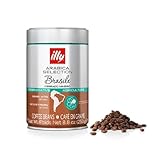
- Explore the individual taste and distinct aroma of each single origin Arabica coffee, found in the legendary illy blend, each highlighting the singular style, culture and flavor of these distinctive geographic region
- Carefully selected and meticulously roasted, illy coffee beans invoke a sensual beauty and poetry in the passionate coffee lover.
- Our unique pressurized coffee packaging preserves the flavor and complexity of the illy blend while enhancing the coffee’s aroma and ensuring optimal freshness.
- Each pressurized can contains 8.8oz of Whole Bean MonoArabica Brazil Single Origin Coffee.
- If you are not completely satisfied with your illy purchase, we will refund your order. No questions asked.
Coffee-to-water ratio
This is where you customize. A good starting point is 1:4 (coffee to water by weight). So, if you use 4 oz of coffee, use 16 oz of water. Some people go lighter, like 1:8, for a less intense concentrate. Experiment to find your sweet spot.
Cleanliness/descale status
Your brewer and any containers should be spotless. Old coffee oils can turn rancid and ruin your batch. If you have a machine, make sure it’s descaled according to the manufacturer’s instructions. A clean setup means cleaner coffee.
Step-by-step (brew workflow)
1. Weigh your coffee beans.
- What to do: Measure out your whole beans. A kitchen scale is best for accuracy.
- What “good” looks like: Precise measurement ensures consistent results.
- Common mistake: Guessing the amount. This leads to weak or overly strong brew. Avoid this by using a scale.
2. Grind the coffee beans.
- What to do: Grind the beans to a coarse consistency. Think breadcrumbs or coarse sand.
- What “good” looks like: Evenly sized, coarse particles.
- Common mistake: Using a fine grind. This makes your cold brew bitter and muddy. Use a burr grinder if possible.
3. Combine coffee and water.
- What to do: Place the ground coffee in your brewing vessel. Add cold, filtered water.
- What “good” looks like: All the grounds are saturated. Give it a gentle stir to ensure no dry pockets.
- Common mistake: Not fully saturating the grounds. This leads to uneven extraction. Make sure every speck of coffee gets wet.
4. Steep the mixture.
- What to do: Cover the vessel and let it steep at room temperature or in the refrigerator.
- What “good” looks like: A full immersion of coffee and water for 12 to 24 hours. Longer steeping generally means a stronger brew.
- Common mistake: Steeping for too short a time. This results in a weak, underdeveloped flavor. Give it at least 12 hours.
5. Prepare for straining.
- What to do: Set up your straining setup. This might be a fine-mesh sieve lined with cheesecloth or a dedicated cold brew filter.
- What “good” looks like: A clean, secure straining mechanism ready to catch the grounds.
- Common mistake: Using a filter that’s too fine for the initial pour. This can lead to slow draining or clogging.
6. Strain the concentrate.
- What to do: Slowly pour the steeped coffee through your prepared strainer into a clean container.
- What “good” looks like: A clear, dark liquid with minimal sediment. You might need to strain it twice for extra clarity.
- Common mistake: Rushing the straining process. This pushes fine particles through, making the brew cloudy. Patience is key here.
7. Discard the grounds.
- What to do: Dispose of the used coffee grounds. They can go in your compost bin.
- What “good” looks like: All grounds are removed from your brewing area.
- Common mistake: Leaving grounds in the brewing vessel. They can continue to steep and make your coffee bitter.
8. Store the concentrate.
- What to do: Transfer the strained cold brew concentrate to an airtight container and refrigerate.
- What “good” looks like: A well-sealed container preventing oxidation and flavor loss.
- Common mistake: Leaving it uncovered. This allows off-flavors to develop. Keep it sealed tight.
9. Dilute to taste.
- What to do: When ready to serve, mix the concentrate with cold water, milk, or your preferred creamer.
- What “good” looks like: A balanced, enjoyable coffee drink. A common starting point is a 1:1 ratio of concentrate to water or milk.
- Common mistake: Drinking the concentrate straight. It’s very strong and can be unpleasant. Always dilute it.
10. Enjoy!
- What to do: Serve over ice and savor your homemade cold brew.
- What “good” looks like: A smooth, refreshing coffee experience.
- Common mistake: Not enjoying the fruits of your labor. Take a moment to appreciate it.
Common mistakes (and what happens if you ignore them)
| Mistake | What it causes | Fix |
|---|---|---|
| Using fine coffee grounds | Muddy, bitter coffee; clogged filters | Use a coarse grind, like sea salt. |
| Using stale coffee beans | Flat, dull flavor; lack of aroma | Use freshly roasted beans and grind just before brewing. |
| Using tap water | Off-flavors that detract from coffee | Use filtered or spring water. |
| Not steeping long enough | Weak, watery coffee; underdeveloped flavor | Steep for at least 12 hours, up to 24 for stronger concentrate. |
| Rushing the straining process | Cloudy, gritty cold brew | Strain slowly and consider double-straining for clarity. |
| Not cleaning equipment | Rancid flavors, off-smells | Wash all brewing gear thoroughly after each use. |
| Using hot water | Extracts bitterness and acidity, not cold brew | Always use cold or room temperature water. |
| Not diluting the concentrate | Overpowering, intense flavor; can be unpleasant | Dilute with water, milk, or ice to your preferred strength. |
| Storing uncovered | Oxidation, flavor degradation | Keep concentrate in an airtight container in the refrigerator. |
| Over-extracting (too long steep) | Bitter, harsh taste | Stick to the 12-24 hour window; taste test if unsure. |
Decision rules (simple if/then)
- If your cold brew tastes bitter, then reduce the steeping time or use a coarser grind because over-extraction is likely.
- If your cold brew tastes weak, then increase the coffee-to-water ratio or steep for longer because it’s under-extracted.
- If your cold brew is cloudy, then strain it again through a finer filter or cheesecloth because sediment is present.
- If you notice off-flavors, then check your water quality and ensure all equipment is clean because contaminants affect taste.
- If you want a stronger concentrate, then use more coffee relative to water (e.g., 1:4 ratio) because a higher coffee-to-water ratio yields a more concentrated brew.
- If you prefer a lighter taste, then dilute the concentrate with more water or milk because cold brew concentrate is very potent.
- If you’re using a French press, then don’t plunge too hard after steeping because you can push fine grounds through the mesh.
- If you’re short on time, then start a batch the night before because 12-hour steeping is the minimum for good results.
- If you want to experiment with flavor, then try different coffee beans or add spices during the steeping process because cold brew is a versatile base.
- If your grounds are consistently clogging your filter, then you might be using too fine a grind or the filter is too dense, so try a coarser grind or a more permeable filter.
- If you find sediment at the bottom of your stored concentrate, then consider letting it settle for a few more hours before decanting or straining again because finer particles can still sink.
FAQ
What’s the best coffee bean for cold brew?
Any fresh, whole bean coffee can work. Lighter roasts tend to highlight bright, fruity notes, while darker roasts offer chocolatey, nutty profiles. Experiment to see what you like best.
How long can I store cold brew concentrate?
Stored properly in an airtight container in the refrigerator, cold brew concentrate can last for up to two weeks. However, the flavor is best within the first week.
Can I use pre-ground coffee?
You can, but it’s not ideal. Pre-ground coffee loses its freshness and aroma much faster. If you must, use the coarsest grind setting available and brew it immediately.
Why is my cold brew bitter?
Bitterness usually comes from over-extraction. This can happen if you steep for too long, use too fine a grind, or use water that’s too hot. Adjust your grind size and steeping time.
How much caffeine is in cold brew?
Cold brew generally has more caffeine than drip coffee because of the higher coffee-to-water ratio used for the concentrate. However, the final caffeine level depends on how much you dilute it.
Do I need a special cold brew maker?
No, a simple jar and strainer work perfectly fine. Dedicated cold brew makers can offer convenience and better filtration, but they aren’t necessary to make good cold brew.
Can I make cold brew with hot water initially?
No, that defeats the purpose of cold brew. Using hot water will extract different compounds, leading to a more acidic and bitter taste, similar to regular hot coffee.
What’s the difference between cold brew and iced coffee?
Iced coffee is typically hot coffee that’s been cooled down and served over ice, which can dilute its flavor and make it more acidic. Cold brew is steeped in cold water, resulting in a smoother, less acidic, and often more concentrated coffee.
What this page does NOT cover (and where to go next)
- Specific machine reviews and comparisons.
- Advanced techniques like Japanese-style iced coffee.
- Detailed explanations of coffee bean origins and roast profiles.
- Recipes for cold brew cocktails or specialty drinks.