
Grinding Coffee Beans Into Powder At Home
Quick answer
- Use a quality burr grinder for consistent particle size.
- Match grind size to your brewing method.
- Freshly ground coffee is key for flavor.
- Measure your coffee and water accurately.
- Keep your grinder clean.
- Experiment to find your sweet spot.
Who this is for
- Anyone tired of pre-ground coffee’s stale flavor.
- Home brewers looking to up their coffee game.
- Folks who appreciate a really good cup of joe, made their way.
What to check first
Brewer type and filter type
Know what you’re working with. A French press wants coarse grounds, while espresso needs fine. Paper filters can clog with too-fine grinds.
Water quality and temperature
Good water makes good coffee. Filtered water is usually best. Aim for water between 195-205°F. Too hot burns the beans, too cool under-extracts.
Grind size and coffee freshness
This is where the magic happens. Freshly roasted beans, ground right before brewing, offer the most flavor. The grind size is crucial. We’ll get into that.
Coffee-to-water ratio
A good starting point is 1:15 to 1:18. That’s 1 gram of coffee for every 15-18 grams of water. Use a scale. It makes a difference.
Cleanliness/descale status
Gunk builds up. Old coffee oils turn rancid. A clean brewer and grinder mean clean taste. Descale your machine regularly, too.
Step-by-step (brew workflow)
1. Select your beans. Choose whole beans. Freshly roasted is best.
- Good looks like: Beans that smell inviting, not dusty.
- Common mistake: Using old, stale beans. They’ll taste flat no matter what. Avoid them.
2. Weigh your beans. Use a digital scale. For a standard 10-cup brewer, start with about 60-70 grams.
- Good looks like: An accurate weight measurement.
- Common mistake: Guessing the amount. This leads to inconsistent brews.
3. Choose your grinder. A burr grinder is king. Blade grinders chop inconsistently.
- Good looks like: A burr grinder that can be adjusted for fineness.
- Common mistake: Using a blade grinder. You get dust and boulders.
For the best results, invest in a quality burr grinder like this one. It ensures a consistent grind size, which is crucial for optimal flavor extraction.
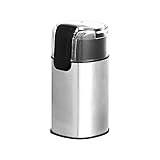
- Electric coffee bean grinder appliance for home use
- Can grind 30 grams/1 ounce of beans for drip coffee brewing in 10 seconds
- Grind coffee beans, herbs, spices, grains, nuts, and more
- Clear safety lid allows you to easily see the results in progress
- Heavy-duty stainless steel grind blade
4. Set your grind size. This depends on your brewer. Coarse for French press, medium for drip, fine for espresso.
- Good looks like: A consistent particle size, like coarse sand for drip.
- Common mistake: Grinding too fine for a drip machine. It’ll taste bitter and clog the filter.
5. Grind the beans. Grind only what you need for the brew.
- Good looks like: Freshly ground coffee, fragrant and ready.
- Common mistake: Grinding too much ahead of time. Flavor fades fast.
6. Prepare your brewer. Rinse your filter (if using paper) with hot water. This removes paper taste and preheats the brewer.
- Good looks like: A clean, preheated brewing device.
- Common mistake: Skipping the filter rinse. You might get a papery taste.
7. Add grounds to the brewer. Distribute them evenly.
- Good looks like: A level bed of coffee grounds.
- Common mistake: Leaving clumps or empty spots. This leads to uneven extraction.
8. Bloom the coffee. Pour just enough hot water (about twice the weight of the coffee) to saturate the grounds. Let it sit for 30 seconds.
- Good looks like: The grounds puffing up and releasing CO2 (called blooming).
- Common mistake: Skipping the bloom. You lose out on degassing, which can lead to a sour taste.
9. Continue brewing. Pour the rest of the water slowly and evenly.
- Good looks like: A steady stream of water over the grounds, filling the brewer.
- Common mistake: Pouring too fast or all at once. This can lead to channeling and weak coffee.
10. Let it finish. Allow all the water to pass through.
- Good looks like: The brewing cycle completing without drips or overflow.
- Common mistake: Stopping the brew too early or too late. This impacts strength and flavor.
11. Serve and enjoy. Pour immediately.
- Good looks like: A hot, aromatic cup of coffee.
- Common mistake: Letting brewed coffee sit on a hot plate. It cooks the coffee and makes it taste burnt.
Common mistakes (and what happens if you ignore them)
| Mistake | What it causes | Fix |
|---|---|---|
| Using a blade grinder | Inconsistent particle size (dust & boulders) | Switch to a burr grinder. |
| Grinding too fine for your brewer | Bitter taste, clogged filter, slow brew | Adjust grinder to a coarser setting. |
| Grinding too coarse for your brewer | Weak, sour, watery coffee | Adjust grinder to a finer setting. |
| Using stale beans | Flat, dull flavor, lack of aroma | Buy freshly roasted beans and check the roast date. |
| Not weighing coffee and water | Inconsistent brew strength and flavor | Use a digital scale for both. |
| Skipping the bloom | Potential for sourness, uneven extraction | Pour a small amount of water and wait 30 seconds before continuing. |
| Using old, dirty equipment | Rancid, off-flavors in your coffee | Clean your grinder and brewer regularly. |
| Letting brewed coffee sit on a burner | Burnt, stale, unpleasant taste | Drink immediately or transfer to a thermal carafe. |
| Using tap water with strong flavors | Off-tastes that mask coffee’s natural flavors | Use filtered or bottled water. |
| Inconsistent water temperature | Under-extraction (sour) or over-extraction (bitter) | Use a thermometer or a kettle with temperature control. |
Decision rules (simple if/then)
- If your coffee tastes bitter, then try a coarser grind because over-extraction is likely.
- If your coffee tastes sour or weak, then try a finer grind because under-extraction is likely.
- If your drip coffee brews very slowly or overflows, then your grind is likely too fine because it’s clogging the filter.
- If your French press is hard to plunge, then your grind is likely too fine because it’s creating too much resistance.
- If your coffee tastes bland, then check your coffee freshness and your coffee-to-water ratio because you might not be using enough coffee or the beans are too old.
- If your espresso machine is channeling (water spurting out unevenly), then your grind is likely inconsistent or too coarse, or your tamping is uneven.
- If your coffee tastes like burnt plastic, then your equipment is probably dirty.
- If you’re brewing pour-over and it tastes muddy, then your grind might be too fine, creating too much sediment.
- If you’re using a Moka pot and it tastes bitter, then your heat might be too high, or your grind too fine.
- If your coffee tastes like paper, then you likely didn’t rinse your paper filter enough.
- If you’re getting inconsistent results day-to-day, then you need to start weighing your beans and water.
FAQ
What’s the best grinder for making coffee powder at home?
A burr grinder is the way to go. It grinds beans to a consistent size, which is critical for good extraction. Blade grinders just chop them up unevenly.
When it comes to making coffee powder at home, an electric burr grinder is your best bet. This electric coffee grinder offers precision and ease of use for consistently ground beans.

- 【Adjustable Grinding Precision】There are seconds marks above the timing knob, from coarse to fine. You can choose the precision of powder according to your needs.
- 【Removable Grinding Cup】The cup is removable and it can grinds 2.5oz coffee beans, up to 10 cups of coffee.
- 【Quiet Coffee Grinder】The average noise is 63 dB, which is quieter than other coffee grinders. Getting up early and grinding coffee beans without disturbing your families sleep in the morning.
- 【Multi-functional Coffee Grinder】This electric coffee grinder can also be used for grinding other dry ingredients, such as pepper, cumin, Fenugreek, parsley, cinnamon, star anise, peppermint, soya, quinoa, sorghum, rice and crystal sugar.
- 【What You Get】You will get a coffee grinder, a 2-blade cup, a 2-in-1 coffee spoon with brush, a user manual, the 2-year warranty and our friendly customer service.
How fine should I grind my coffee beans?
It depends entirely on your brewing method. Espresso needs a powder-like fine grind, drip coffee needs medium, and French press needs coarse. Check your brewer’s recommendations.
Can I grind coffee beans in a food processor?
You can, but it’s not ideal. Like a blade grinder, it produces inconsistent particle sizes, leading to a less-than-stellar cup. You’ll get both dust and chunks.
How long does ground coffee stay fresh?
Flavor degrades quickly. Aim to use ground coffee within 15-30 minutes of grinding. After that, the aroma and taste start to fade significantly.
What does “blooming” coffee mean?
It’s the initial wetting of the grounds with hot water. It releases trapped CO2 gas. This allows for more even extraction later on and prevents a sour taste.
How do I know if my coffee is under-extracted or over-extracted?
Under-extracted coffee tastes sour, thin, and weak. Over-extracted coffee tastes bitter, harsh, and sometimes burnt. Adjust your grind size to fix it.
Is it worth buying a special coffee grinder?
Absolutely, if you care about taste. The difference a good burr grinder makes in the quality and consistency of your coffee is huge. It’s probably the single best upgrade you can make.
How often should I clean my coffee grinder?
Clean it regularly, at least once a week if you use it daily. Old coffee oils build up and can make your fresh grounds taste rancid. Most grinders have parts you can brush clean.
What this page does NOT cover (and where to go next)
- Specific types of coffee beans and their origins.
- Advanced espresso techniques like tamping pressure or distribution tools.
- Detailed guides on water chemistry for brewing.
- Commercial-grade coffee grinding equipment.
- Recipes for coffee-based drinks beyond a standard brew.